
Why a Seasonal Exterior Audit Matters
Your home's exterior is its first line of defense against weather, pests, and the slow creep of wear. Unlike interior systems, exterior elements are exposed to UV radiation, freeze-thaw cycles, wind, and moisture year-round. Problems that go unnoticed for a single season - a cracked caulk joint, a sagging gutter, a loose shingle - can compound into water intrusion, structural damage, or hazardous conditions that cost significantly more to repair.
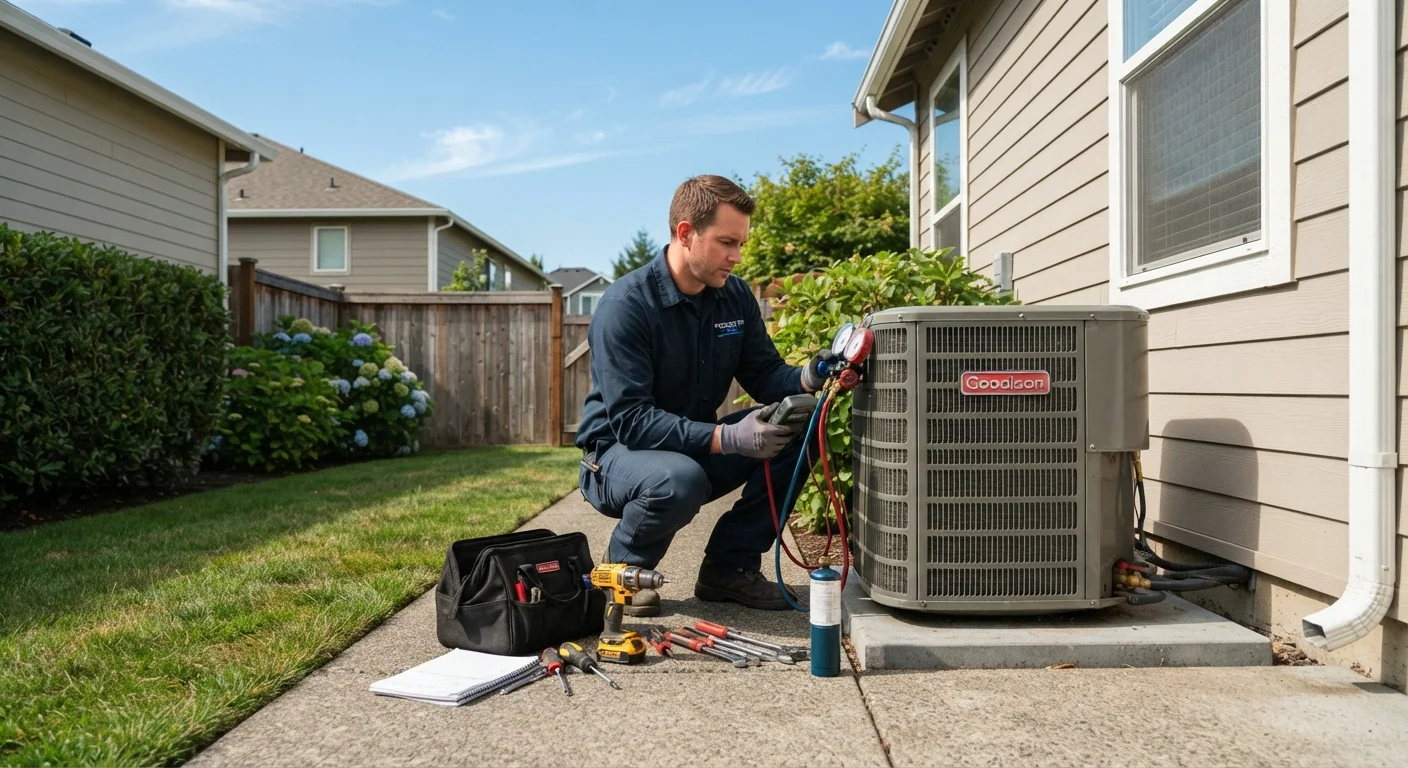
A structured, seasonal walk-around takes an hour or two and pays dividends by catching issues when they're still inexpensive to address. This checklist is organized by exterior zone and designed to be used with a clipboard or a notes app as you move around the property. For broader interior and systems coverage, see the seasonal home maintenance checklist for DIY-minded owners and the seasonal HVAC prep guide.
When to Call a Licensed Professional
Certain exterior repairs - roofing, electrical work for outdoor fixtures, structural foundation repairs, and retaining wall reconstruction - typically require permits and must be performed by licensed contractors in most US jurisdictions. Doing this work without the proper credentials can affect your homeowner's insurance coverage and complicate a future home sale. Always verify your local requirements with the relevant building department before starting.
Tools and Supplies to Have Ready
Before you start your inspection, gather the items below. Having them on hand means you can take photos, take notes, and make minor corrections on the spot rather than scheduling a second trip outside.
Binoculars
Inspect roof surfaces, ridge caps, and upper eaves safely from the ground without requiring ladder access.
Extension ladder
Reach gutters and lower roof edges for hands-on debris clearing and gutter inspection.
Smartphone or camera
Document defects with dated photos so you can track changes over time and show contractors exactly what you found.
Flashlight or headlamp
Illuminate crawl space vents, window wells, and shaded foundation areas where defects are easy to miss.
Caulking gun and exterior caulk
Make minor sealing repairs on the spot around windows, doors, and wall penetrations.
Moisture meter
Test wood siding, decking, and trim for elevated moisture content that signals hidden water intrusion.
Garden hose with spray nozzle
Rinse siding, test gutter flow, and check drainage slopes around the foundation.
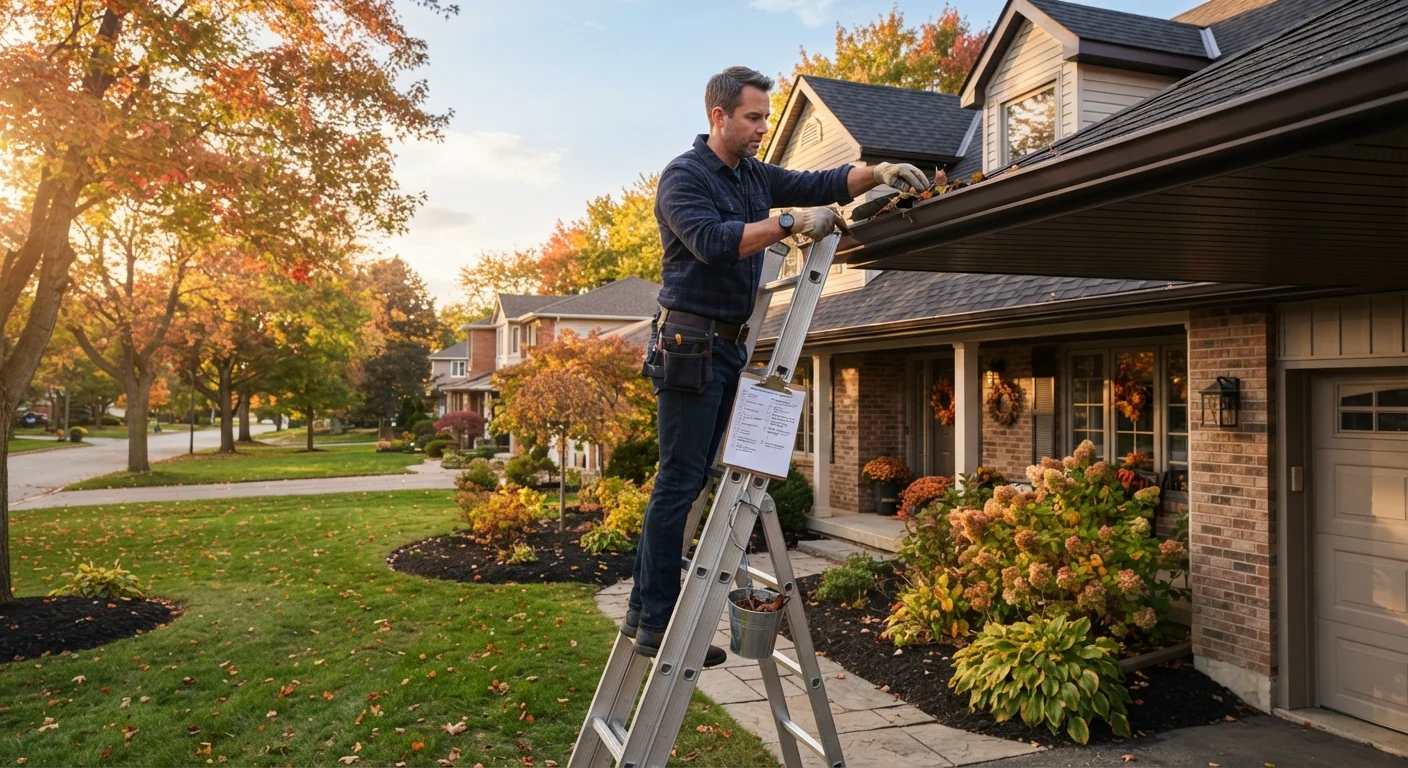
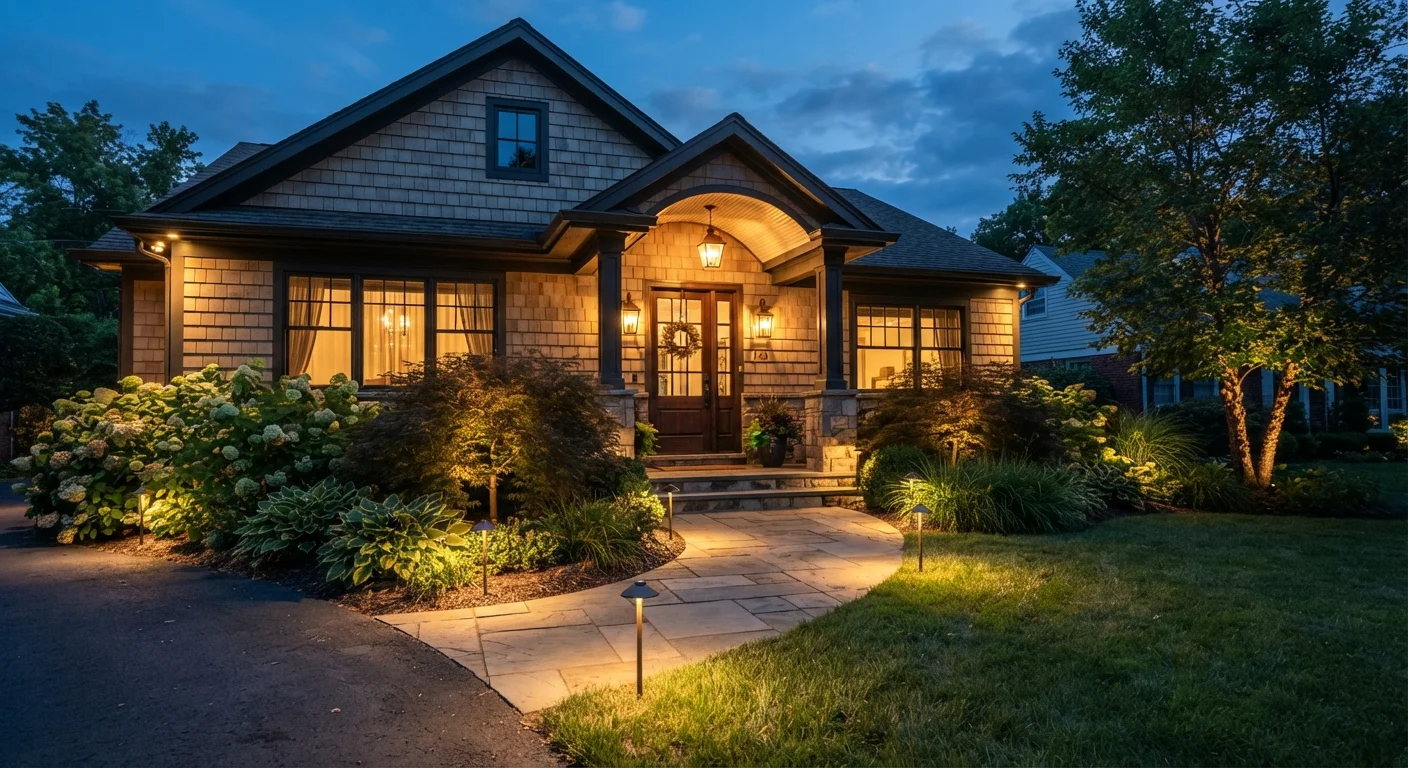
For any work at heights - roof inspections, upper-story gutter cleaning, or exterior light fixture checks - consider whether a ladder is safe given your experience and the slope of your ground. Many homeowners find it more practical to hire a professional for elevated work. Good exterior lighting planning is one area where a pro assessment can be well worth the cost.
The Checklist: All Four Seasons
Work through these grouped items at the start of each season. Items marked must are non-negotiable for protecting structural integrity and safety. Should items are strongly recommended to maintain function and appearance. Nice-to-have items improve curb appeal and long-term durability when time and budget allow.
For lawn-specific tasks that complement this exterior audit, see the year-round lawn care framework.
Roof and Gutters
Siding and Exterior Walls
Foundation and Drainage
Doors, Windows, and Entry Points
Driveway, Walkways, and Steps
Landscaping and Yard Structures
Never Inspect a Roof by Walking on It Alone
Roof surfaces can be slippery, and a fall from any height is a serious risk. If a hands-on roof inspection is necessary, work with a partner, use proper fall-arrest equipment, and consider hiring a licensed roofing contractor for elevated assessments. No checklist item is worth a preventable injury.
Older Homes May Contain Hazardous Materials
Homes built before 1978 may have lead-based exterior paint, and some older insulation or roofing materials may contain asbestos. Sanding, scraping, or disturbing these surfaces without proper precautions creates a health hazard. If you're unsure of your home's age or material history, have a certified inspector test before starting any exterior repair work.
What to Do When You Find a Problem
Not every finding calls for immediate professional intervention, but some do. Use this rule of thumb: if a defect involves your roof structure, load-bearing elements, electrical wiring, or gas-related equipment, stop and consult a licensed contractor. Permits may be required for structural repairs, and local building codes dictate what homeowners can legally perform themselves - verify requirements with your local building department before starting any significant repair work.
If your home was built before 1978, be cautious when disturbing exterior paint. The guide to working safely with older homes outlines what to watch for and when to stop a DIY project and call in a certified professional. Exterior painting on newer homes, when conditions are safe, is covered in the room painting preparation guide - many of the surface prep principles apply outdoors as well.
Finally, remember that consistent exterior upkeep does more than prevent repairs - it actively supports your home's perceived and appraised value. The curb appeal and home value guide explains the relationship between exterior condition and what buyers and appraisers observe.
This checklist is for general informational and educational purposes. Always consult a licensed contractor or your local building authority before undertaking repairs that may require permits or professional credentials.