What the Vet Is Actually Looking For
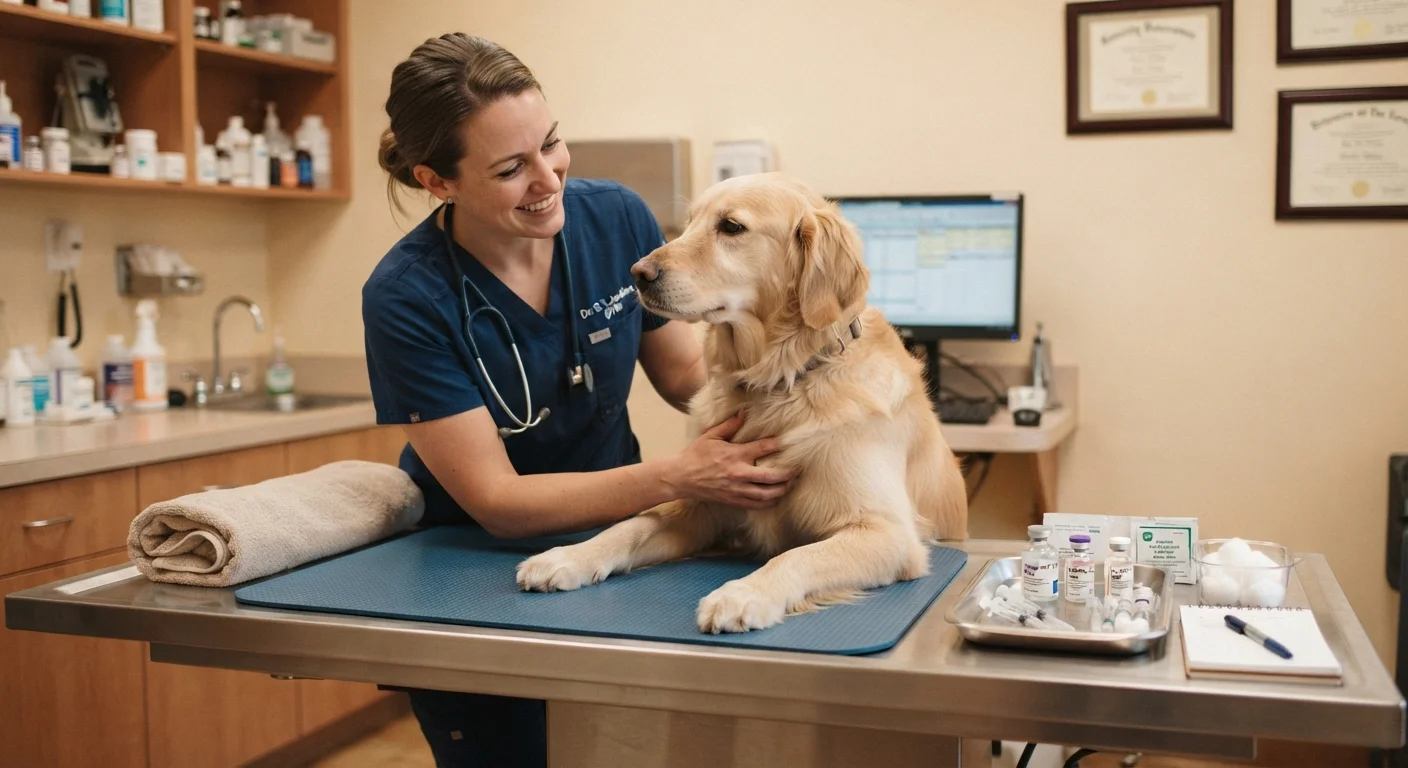
A routine wellness exam is far more than a vaccine appointment. From the moment the veterinarian greets your pet, the assessment has already begun - they're watching how your animal moves, holds its weight, and responds to the environment.
The physical exam itself follows a systematic pattern. Your vet will typically evaluate:
- Eyes and ears - checking for discharge, inflammation, or early signs of infection
- Mouth and teeth - assessing plaque buildup, gum health, and signs of dental disease
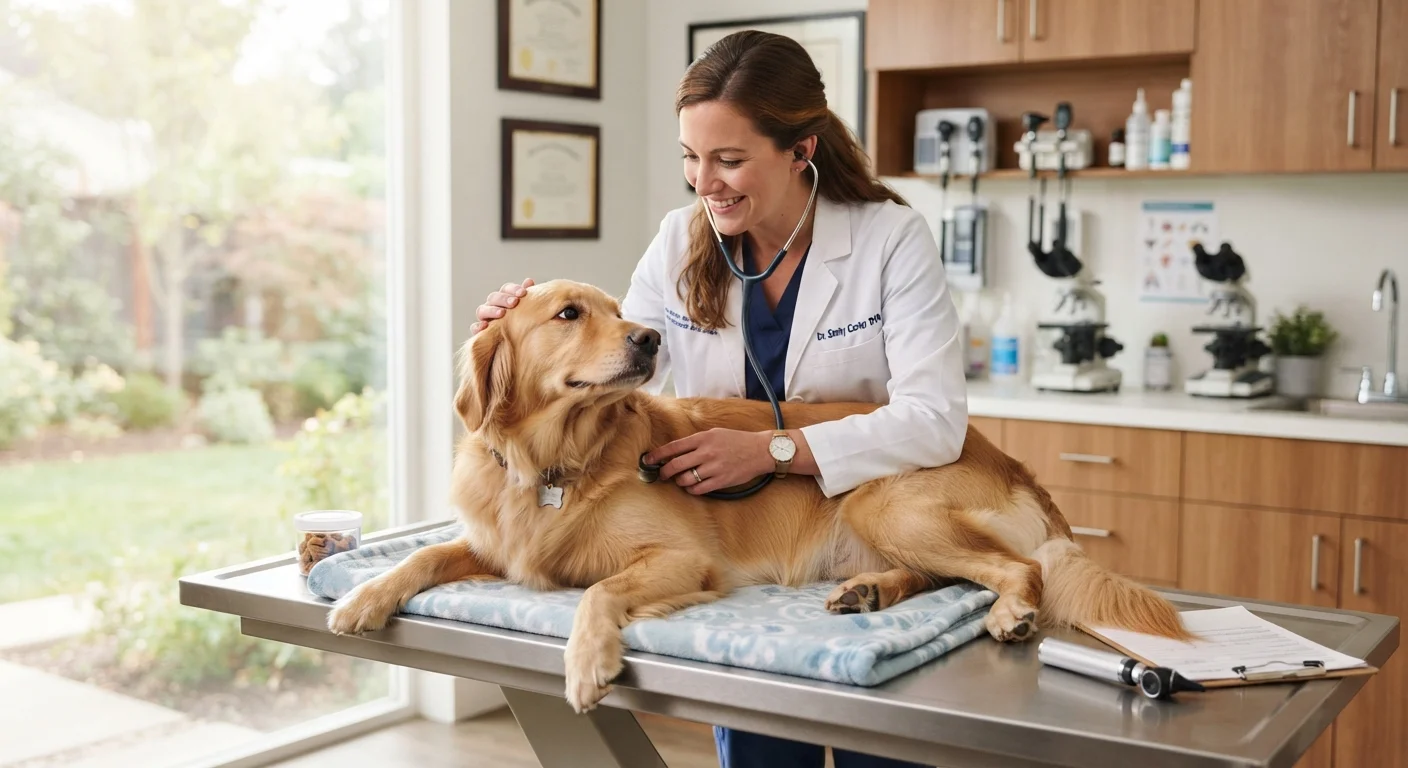
- Heart and lungs - listening with a stethoscope for murmurs, irregular rhythms, or respiratory changes
- Abdomen - palpating for organ size, unusual masses, or pain responses
- Skin and coat - noting dryness, hair loss, lumps, or parasite evidence
- Lymph nodes and joints - feeling for swelling that might indicate infection or inflammation
Weight and body condition score are also recorded. Gradual weight change - up or down - is one of the most telling early indicators of metabolic or systemic disease, and it's easy to miss at home when you see your pet every day.
~80%
Dogs over age 3 with some dental disease
The American Veterinary Medical Association notes that dental disease is among the most prevalent conditions seen in adult dogs, often identified during routine wellness exams.
2x/year
Recommended visit frequency for senior pets
Many veterinary organizations recommend twice-yearly wellness exams for dogs and cats generally considered senior (age 7 and older) to support earlier detection of age-related conditions.
1 in 3
Pets diagnosed with cancer in their lifetime
The National Canine Cancer Foundation estimates roughly 1 in 3 dogs will develop cancer, underscoring why routine physical exams that include palpation for lumps and masses are valuable.
Vaccines, Parasite Prevention, and Lab Work
Vaccine review is a standard part of every wellness visit, but what gets administered depends on your pet's individual history and lifestyle. Core vaccines - those recommended for all pets - are distinguished from non-core vaccines that depend on risk factors like geography or outdoor access. See our guide to core vs. non-core vaccines for a deeper breakdown of how vets make these decisions.
Parasite prevention is also reassessed at each visit. Your vet will ask about your pet's current flea, tick, and heartworm prevention regimen and may adjust recommendations based on seasonal risk or recent travel. Learn more about parasite prevention for dogs and cats and how vets approach protection strategies.
Depending on your pet's age and health history, your vet may also recommend diagnostics - a fecal exam to check for intestinal parasites, a heartworm antigen test, or baseline bloodwork to establish reference values. For senior pets, bloodwork can flag early kidney or liver changes before clinical signs appear, making it a genuinely valuable - not just routine - tool.
Make the Most of Your Vet's Time
Write down three to five specific observations or questions before the appointment - changes in appetite, new lumps, shifts in behavior, or anything you've been wondering about. Vets can address concerns much more efficiently when owners arrive prepared, and it reduces the chance of forgetting something important in the moment.
How to Prepare and What to Bring
The more information you bring to the visit, the more useful it becomes. Before the appointment, take a few minutes to note any changes you've observed - shifts in appetite, thirst, energy level, bathroom habits, or behavior. Even something that seems minor may be relevant when your vet sees the full picture.
Practical items to prepare:
- A fresh stool sample (collected within 24 hours if a fecal test is expected)
- A current list of all medications, supplements, or flea and tick products your pet receives
- Records from previous vets if you've recently changed practices
- Written questions - it's easy to forget them when you're managing a nervous pet in the exam room
If your pet becomes anxious at the clinic, let the staff know in advance. Many practices can offer low-stress handling techniques or pre-visit calming strategies. You can also do a lot to support your pet's baseline health between visits - our at-home pet health check guide walks through what to monitor and what to flag for your vet.
Why Skipping a Year Can Matter More Than You Think
It's tempting to skip a wellness visit when your pet seems perfectly fine. But because animals instinctively mask discomfort and illness, the absence of obvious symptoms is not the same as the absence of health problems. Many conditions - dental disease, early-stage kidney disease, heart murmurs, obesity-related joint strain - progress silently for months or years before becoming unmistakable.
There's also a compounding effect to consider. Skipping a vaccine booster, missing a deworming cycle, or letting dental disease advance unchecked can each seem minor in isolation. Our article on gaps in pet health routines explains how these lapses often interact and escalate.
Wellness exams also serve as a relationship-building touchpoint. A vet who sees your pet annually builds a longitudinal picture of what's normal for that individual - making it far easier to identify when something has changed. That context is difficult to recreate in an emergency setting. If you're ever uncertain whether a situation is urgent or can wait for a scheduled visit, see our guide to emergency symptoms for clear guidance.
This article provides general health information for educational purposes only and is not a substitute for professional veterinary advice. Always consult a licensed veterinarian for guidance specific to your pet's health needs.