Why Fiber Is Chronically Overlooked
Among all the nutrients discussed in public health messaging, dietary fiber rarely commands the attention it deserves. Protein, vitamins, and even specific minerals regularly make headlines, yet fiber - a nutrient tied to some of the most well-documented health outcomes - remains largely underconsumed by American adults.
The gap is significant. According to data from the Dietary Guidelines for Americans, fiber is formally identified as a nutrient of public health concern because the vast majority of adults fall short of recommended intake levels. This shortfall is linked, in part, to diets heavy in refined grains and processed foods, which strip away much of the fiber present in whole plant foods.
Understanding what fiber is and what it does - without the noise of fad diets or supplement marketing - is a foundational step toward more informed eating. For a broader view of how fiber fits alongside vitamins and minerals, see our guide to micronutrients.
~15g
Average daily fiber intake for US adults
According to the Dietary Guidelines for Americans, most adults consume roughly half the recommended daily amount of fiber.
95%
Americans falling short of fiber recommendations
Research published in the American Journal of Lifestyle Medicine estimated that approximately 95% of American adults do not meet adequate fiber intake levels.
19%
Lower cardiovascular disease risk with high fiber
A large meta-analysis published in The Lancet found that higher dietary fiber intake was associated with a roughly 19% reduction in cardiovascular disease mortality.
Soluble vs. Insoluble Fiber: Two Types, Two Roles
Not all fiber behaves the same way in the body. The two primary categories - soluble and insoluble fiber - each interact with the digestive system differently, and most high-fiber plant foods contain both in varying proportions.
Soluble Fiber
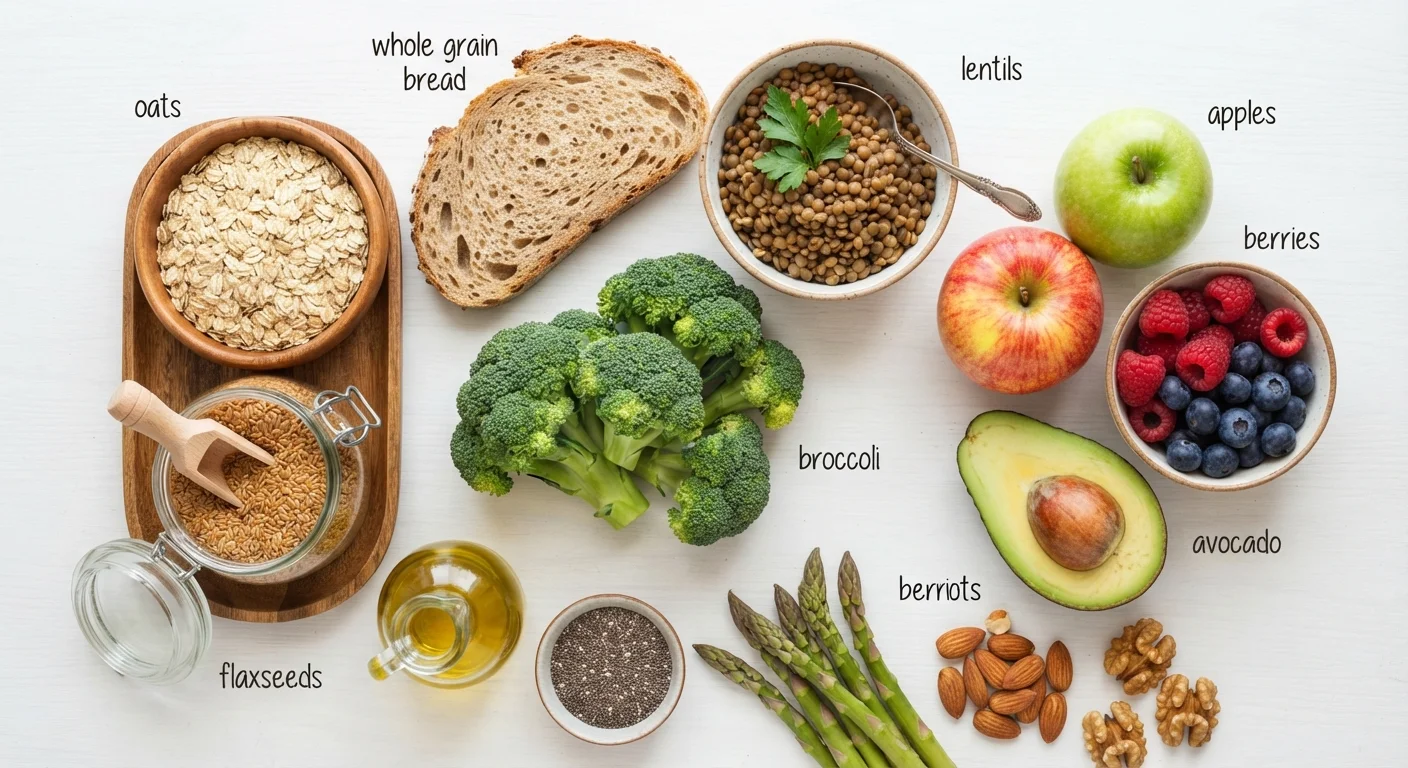
When soluble fiber encounters water in the digestive tract, it forms a thick, gel-like substance. This slows the movement of food through the gut, which has two notable effects: it moderates the rate at which glucose enters the bloodstream (potentially supporting more stable blood sugar levels), and it can bind to cholesterol-containing bile acids, facilitating their excretion. Oats, barley, legumes, apples, and psyllium are particularly rich sources of soluble fiber.
Insoluble Fiber
Insoluble fiber does not dissolve. Instead, it adds bulk and softness to stool, helping it move through the colon more efficiently. This mechanical role supports bowel regularity and is associated with a lower risk of constipation. Whole wheat, bran, nuts, and most vegetables are good sources of insoluble fiber.
Most plant foods contribute both types, which is one reason nutrition researchers consistently emphasize whole food sources over isolated supplements.
Fiber's Broader Role in Long-Term Health
The evidence connecting adequate fiber intake to chronic disease prevention is among the more robust in nutritional epidemiology. Research consistently associates higher fiber consumption with lower rates of cardiovascular disease, type 2 diabetes, colorectal cancer, and all-cause mortality - though it's important to note that diet studies are observational, and fiber-rich diets also tend to include other protective nutrients and lifestyle factors.
One mechanism that has drawn considerable scientific interest is fiber's effect on the gut microbiome - the community of microorganisms living in the large intestine. Certain fibers, called prebiotics, serve as fuel for beneficial gut bacteria. These bacteria ferment fiber into short-chain fatty acids, compounds that appear to influence inflammation, immune function, and even metabolic health.
“The data on dietary fiber and health outcomes is among the most consistent in nutritional science. Higher fiber intakes are associated with lower risks of coronary heart disease, stroke, type 2 diabetes, and colorectal cancer - the effect sizes are modest but remarkably reproducible across populations.”
— Dr. David Katz, Physician and researcher specializing in nutrition and preventive medicine
Fiber also contributes to satiety - the feeling of fullness after a meal - partly by slowing gastric emptying and adding volume to food without adding significant calories. This may help with maintaining a healthy weight over time, though individual responses vary and no dietary component should be viewed as a single solution.
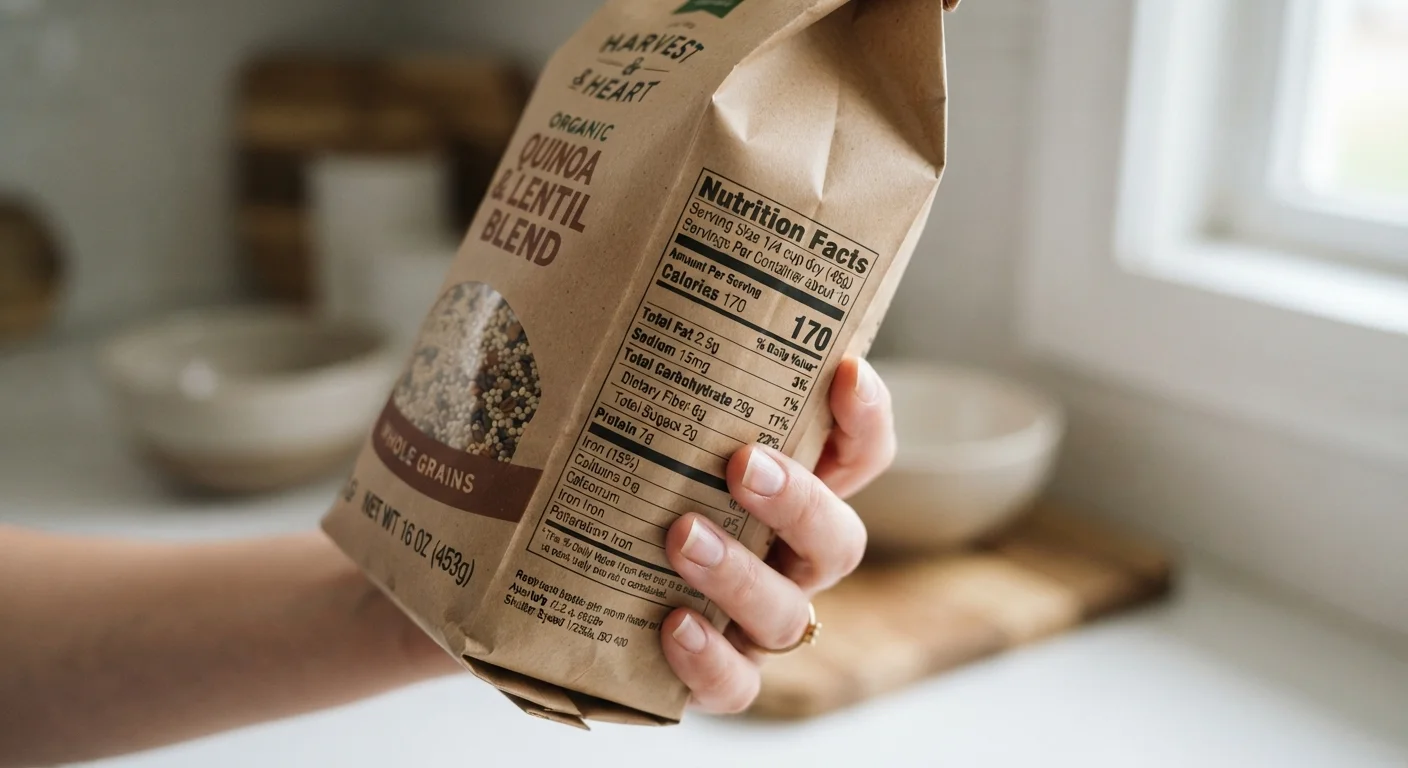
When reading packaged food labels, knowing how to find and interpret the fiber line is a practical skill - the Nutrition Facts label guide offers a useful walkthrough of the full panel.
Practical Guidance for Increasing Fiber Intake
Shifting toward a higher-fiber diet doesn't require a dramatic overhaul. Incremental changes - swapping refined grains for whole grain versions, adding legumes to meals, or choosing whole fruit over juice - can make a meaningful difference over time.
One important consideration: increase fiber gradually. Adding large amounts too quickly is a common reason people experience bloating, gas, or cramping. The digestive system benefits from time to adjust, and the gut microbiome adapts incrementally to new fiber sources.
Hydration also matters. Fiber, particularly insoluble fiber, works most effectively when water is plentiful in the gut. See how water supports digestion and nutrient use for a deeper look at this relationship.
It's also worth questioning assumptions about which foods are high or low in fiber - many popular nutrition ideas don't hold up to scrutiny. Common nutrition myths explores some of the misconceptions that can lead people astray.
If you have a digestive condition, are pregnant, or manage a chronic illness, speak with a registered dietitian or healthcare provider before making significant dietary changes. General information like this serves as a starting point, not a substitute for personalized guidance.
This article is for general informational and educational purposes only and is not a substitute for professional medical or nutritional advice. Consult a qualified healthcare provider for guidance specific to your health needs.