What DIY Home Repair Actually Involves
DIY home repair covers a wide spectrum - from touching up scuffed paint to replacing a leaky faucet to (at the more ambitious end) refinishing floors or framing a small addition. The term itself can be misleading: it implies a single category of work when the reality is a broad range of tasks with very different risk profiles, skill requirements, and legal considerations.
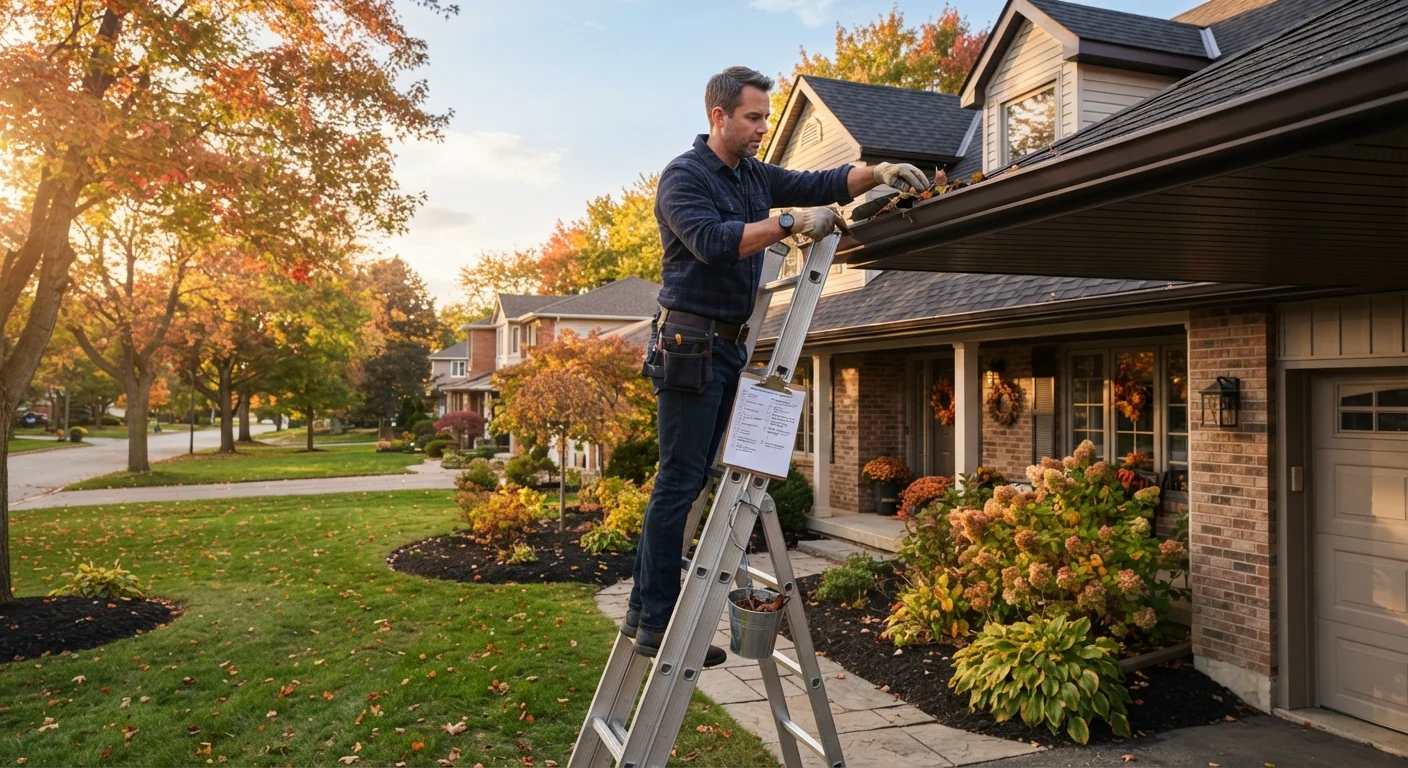
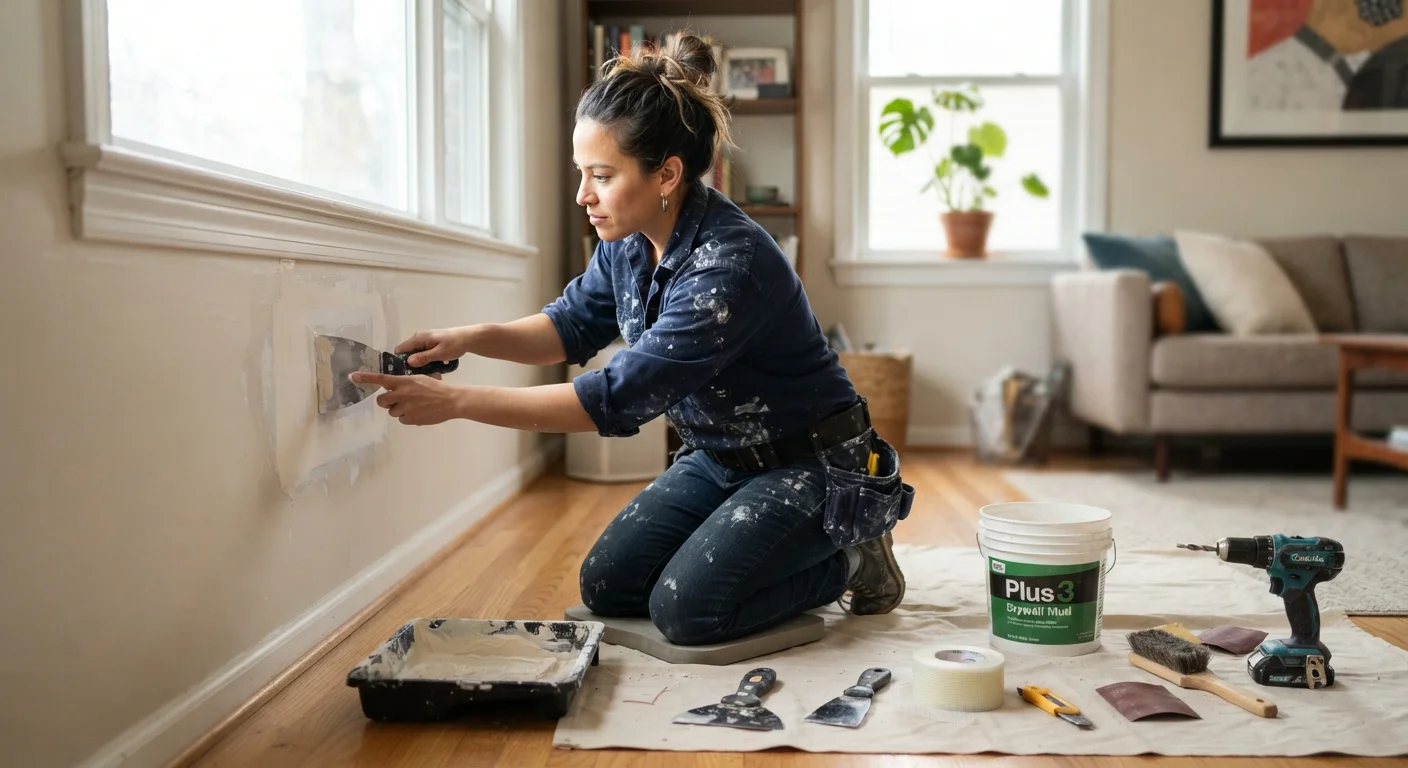
Before weighing the pros and cons, it helps to sort repairs into rough tiers. Cosmetic and maintenance tasks - caulking, patching small drywall holes, replacing a light switch cover, cleaning gutters - are generally accessible to most homeowners with a little research. Mechanical repairs - fixing a running toilet, patching a small section of subflooring, replacing a ceiling fan - require more confidence and the right tools but are still manageable for many. Systems work - anything touching electrical panels, gas lines, load-bearing structures, or plumbing that connects to the main supply - typically requires permits, inspections, and in many jurisdictions, a licensed tradesperson. See our guide to home systems for a deeper look at what each system involves.
Understanding which tier your project falls into is the single most important step before you pick up a tool.
The Genuine Advantages of Doing It Yourself
For the right projects, DIY delivers tangible, practical benefits that go beyond just saving money.
Significant labor cost savings on routine tasks
Labor typically accounts for the majority of a professional repair bill. Handling straightforward maintenance yourself can reduce costs considerably, especially for recurring tasks like caulking, painting, or minor plumbing fixes.
Builds practical knowledge of your home
Doing your own repairs teaches you how your home's systems work - knowledge that helps you spot problems earlier, communicate more effectively with contractors, and make better decisions about maintenance.
Flexible scheduling on your timeline
You can address minor repairs on your own schedule without waiting for contractor availability, which matters for small jobs that don't justify a service call fee.
Sense of competence and ownership
Successfully completing even a modest repair builds confidence and a more engaged relationship with your home, which tends to support better long-term upkeep habits.
Labor typically makes up 40-60% of the cost of a professional repair job, so even modest DIY skills can produce meaningful savings on routine maintenance. Beyond cost, there is real value in understanding your own home - knowing where the shutoff valves are, how your electrical panel is laid out, or why a door sticks in winter. That knowledge makes you a more informed homeowner regardless of how much you ultimately do yourself.
Our seasonal home maintenance checklist is a practical starting point for building that habit.
The Real Risks and Limitations
The downsides of DIY are just as real as the benefits, and they deserve an honest look - not to discourage you, but to help you make better decisions.
Serious safety risks on regulated systems
Electrical, gas, and structural work carries injury or fire risk when done without proper training. These are areas where errors can have severe, sometimes irreversible consequences for you and your household.
DIY mistakes can cost more than hiring a professional
A repair done incorrectly often causes secondary damage - water intrusion from a poorly sealed joint, for example, can lead to mold and structural rot that far exceeds the original repair cost.
Permit and code compliance is your responsibility
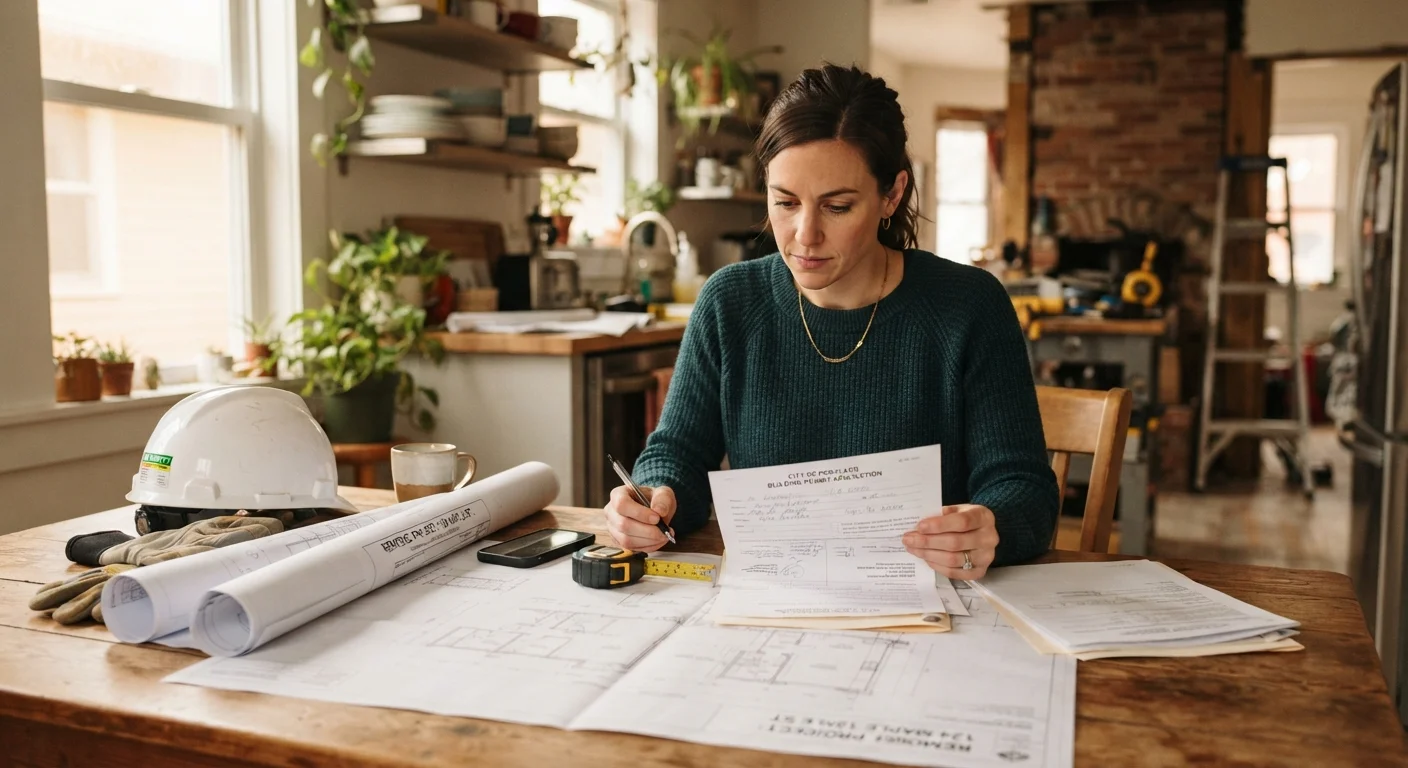
Unpermitted work can void homeowner's insurance, create liability during a sale, or require costly remediation. Many homeowners are unaware of which projects trigger permit requirements in their jurisdiction.
Tool acquisition adds upfront cost
Specialized tools required for one-time jobs - tile saws, pipe threaders, drain snakes - can reduce or eliminate savings if purchased rather than rented, and may not be used again.
Time investment is often underestimated
A task that takes a professional two hours can take an inexperienced homeowner a full weekend, including multiple trips to the hardware store. Time cost is real even when labor cost is avoided.
One risk that often goes unmentioned is the permit question. Many homeowners assume small repairs are always permit-free - that's not always the case. Our article on permit requirements for DIY repairs explains which projects commonly require a permit and why skipping one can cause real problems during a future home sale or insurance claim.
It's also worth being aware that some widely shared DIY advice is simply wrong. Our piece on DIY myths that could damage your home covers the most common misinformation and what professionals actually recommend instead.
When a Licensed Professional Is Required
In most US jurisdictions, work on electrical panels, gas lines, load-bearing walls, and connections to the main plumbing supply must be performed by a licensed contractor and inspected before use. These requirements exist because errors in these systems can cause fires, flooding, structural failure, or carbon monoxide exposure. Always verify local permit and licensing requirements before starting any project that touches these systems - your local building department is the authoritative source.
Making the Call: DIY or Professional?
The most useful framework isn't "can I do this?" but "should I do this, given the stakes?" Ask yourself three questions before starting any repair:
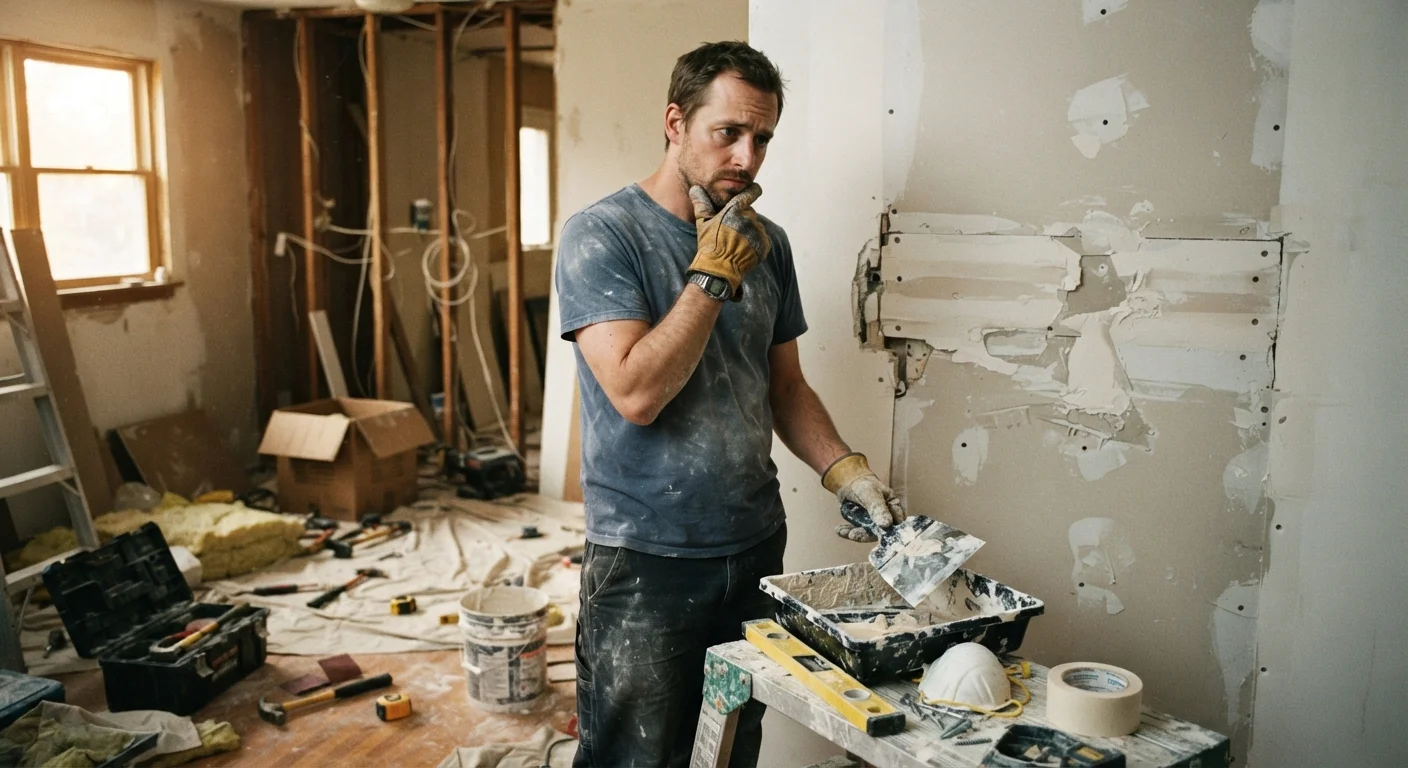
- What happens if I get it wrong? A poorly patched wall is a cosmetic problem. A miswired circuit or an improperly capped gas line is a safety hazard. The downside risk should drive your decision more than the potential savings.
- Do I have the right tools and knowledge - or can I realistically acquire them? Renting a specialized tool and watching a few credible tutorial videos is often sufficient for mid-tier tasks. But some work genuinely requires experience that can't be compressed into a weekend.
- Is this a repair or a delay? Sometimes a visible fix masks a deeper problem. Our article on patching vs. replacing offers a practical framework for telling the difference.
When in doubt, getting a professional assessment - even if you ultimately do the work yourself - is rarely a wasted expense.
40-60%
Typical labor share of a professional repair bill
Industry estimates consistently place labor at roughly half or more of total repair costs, illustrating where DIY savings are most significant.
~1 in 3
DIY projects that require a do-over or professional fix
Home improvement surveys suggest a substantial share of DIY attempts result in a mistake requiring correction, underscoring the value of honest skill assessment before starting.