The Core Question: Is the Problem Contained?
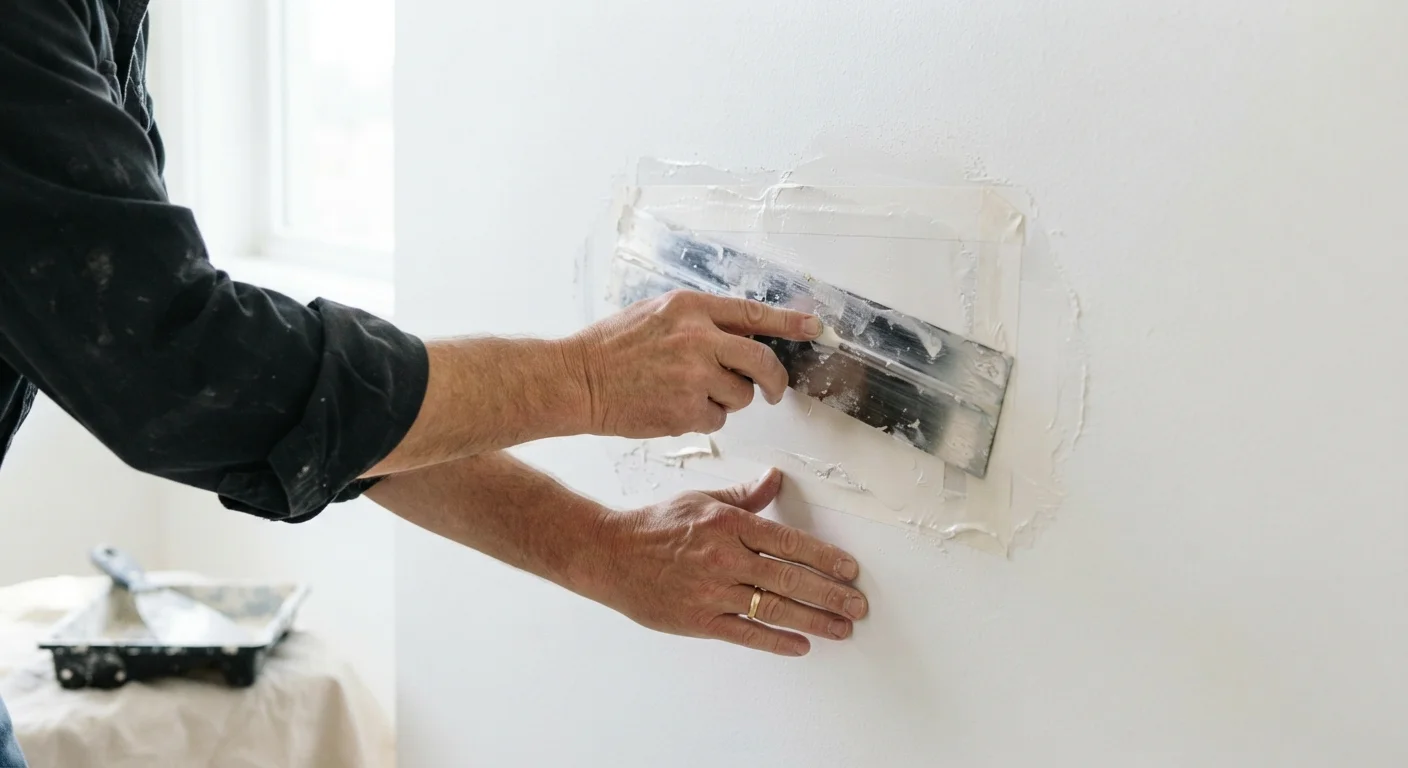
Every patch-or-replace decision starts with the same diagnostic question: Is the damage limited to what I can see, or does it signal something deeper? A small hole in drywall caused by a doorknob is a contained problem - the surrounding material is intact, and there's no hidden cause still at work. That's a strong candidate for patching. See our drywall repair guide for how to approach those jobs confidently.
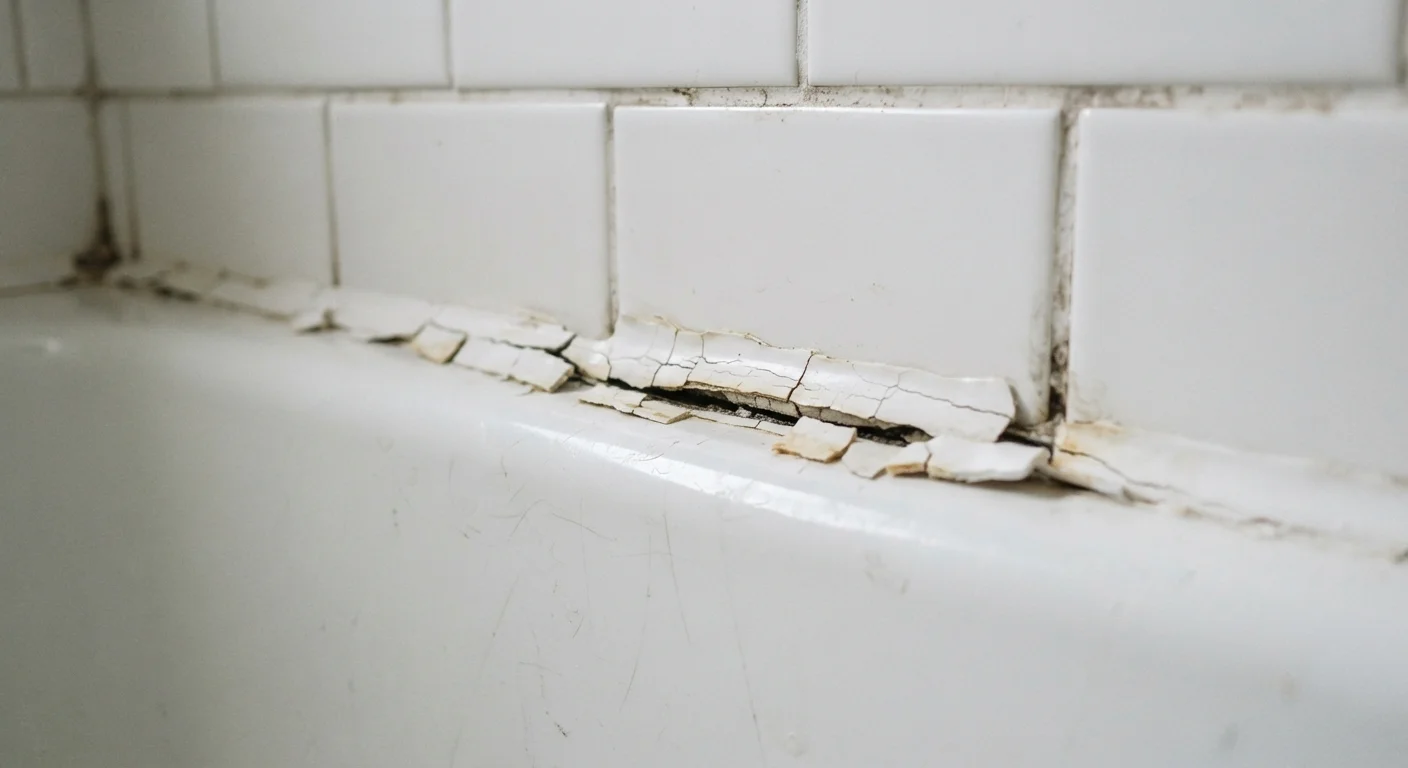
By contrast, a soft spot in a wood floor near a bathroom wall might look like a localized issue, but softness in wood usually means moisture has been present long enough to compromise the material's structure beneath the surface. Patching the visible area without addressing the source - a slow leak, poor ventilation, failed caulk - almost guarantees you'll be back doing the same work again, or worse, uncovering a much larger problem later.
A useful mental checklist before reaching for filler or a patch kit:
- Has the underlying cause been identified and fixed?
- Is the material surrounding the damage still firm, dry, and structurally sound?
- Is this the first time this spot has needed attention?
Three "yes" answers make patching reasonable. Any "no" deserves a harder look.
| Criterion | Patching (Repair) | Replacing |
|---|---|---|
| Damage scope | Small, isolated area | Large or widespread area |
| Material condition | Sound, structurally intact | Compromised, soft, or rotted |
| Root cause resolved? | Yes - cause is gone | No or ongoing issue |
| Moisture or mold present? | No | Yes - replacement required |
| Prior repair attempts | First occurrence | Repeated failures |
| Typical cost | Lower upfront cost | Higher upfront, often lower long-term |
| Permit usually required? | Rarely | Often, for structural or system work |
| DIY-friendly? | Generally yes, with right materials | Depends on system involved |
When Patching Makes Sense - and How to Make It Last
Patching earns its reputation as the practical first response because, when conditions are right, it genuinely works. Common patch-appropriate scenarios include: small to medium drywall holes, hairline cracks in plaster or concrete, worn or cracked caulk joints, and minor surface rot in exterior trim where the surrounding wood is still solid.
For patching to hold, preparation matters more than the patch material itself. Clean edges, dry surfaces, and proper adhesion are what separate a repair that lasts from one that fails in a season. For caulk in particular, failing to remove the old material completely is the most common reason a new bead doesn't adhere - our article on why caulk fails walks through exactly what goes wrong and how to prevent it.
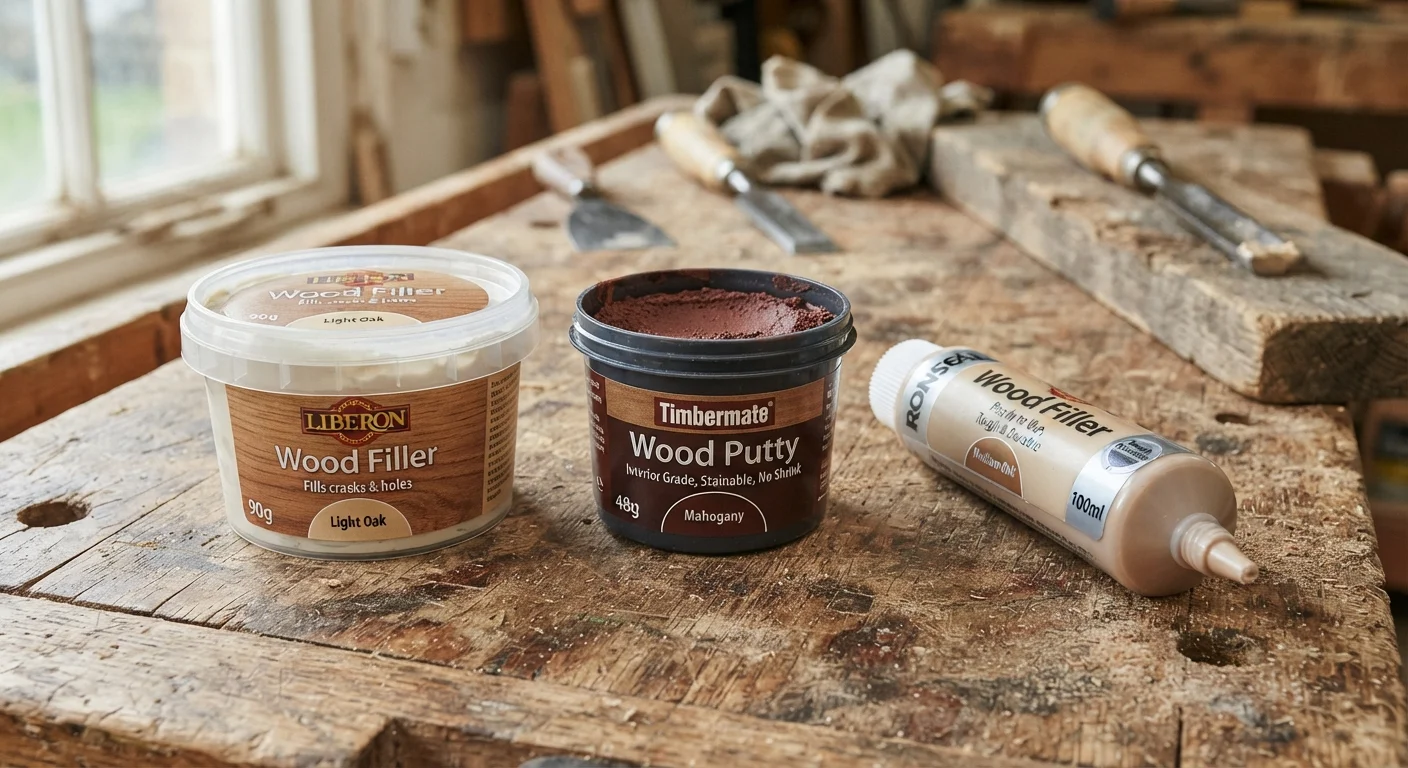
Wood repairs deserve special mention: the filler you choose changes the outcome significantly. Wood filler, wood putty, and epoxy filler are not interchangeable - using the wrong one for your application leads to shrinking, cracking, or poor paint adhesion.
Patching Is Not a Shortcut for Skipping Investigation
A patch that covers the damage without addressing the cause is not a repair - it's a delay. Before committing to any patch, confirm that the source of the problem (a leak, a structural shift, a ventilation issue) has been resolved. Patching over an active moisture source, for example, can trap humidity and accelerate deterioration behind finished surfaces, making the eventual repair significantly more costly and complex.
When Replacement Is the Honest Answer
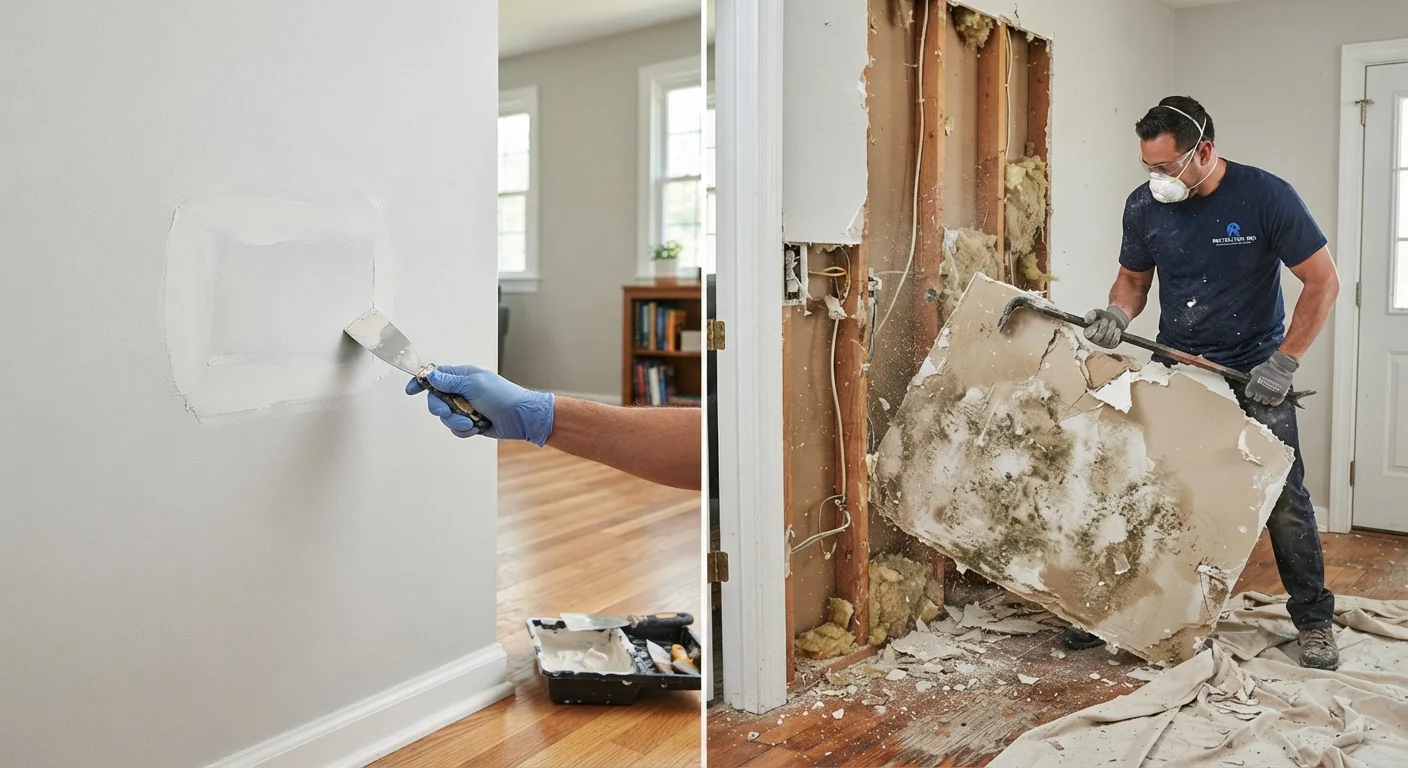
Replacement becomes the right call when any of the following are true: the damage covers a large area, the material has lost its structural integrity, moisture or biological growth (mold, rot) is involved, or the same repair has been attempted and failed before.
Size thresholds matter. A 2-inch drywall hole is a patch. A section of wall where the drywall has been water-damaged across multiple studs is a replacement. The point at which patching becomes more labor-intensive than simply replacing the section is usually where the economics flip too - more material, more coats, more finishing work, with a result that still may not match surrounding surfaces.
Replacement also becomes necessary when safety is a factor. Damaged subflooring in high-traffic areas, deteriorated roof decking, or compromised structural members are not patch candidates - they require professional evaluation and, in most jurisdictions, permits. Before starting any replacement project that touches structural, electrical, or plumbing systems, check your local permit requirements. Our overview of permit requirements for DIY repairs is a practical starting point.
One underappreciated signal: how the damage looks after cleaning it up. If removing deteriorated material reveals more deterioration underneath, that's the structure telling you a patch won't be enough.
Making the Call: A Practical Framework
If you're still uncertain after inspecting the damage, run through this framework:
- Identify the cause first. No repair decision - patch or replace - is sound until you know why the damage happened. Skipping this step means you're guessing.
- Assess material condition beyond the visible damage. Probe, press, and look at adjacent areas. Soft, spongy, or crumbling material past the obvious damage zone is a red flag.
- Consider repair history. If this location has been patched before, ask why it failed. A better patch rarely fixes a systemic problem.
- Factor in the total cost of each path honestly. A patch that lasts two years before failing again isn't cheaper than a replacement done once - it's more expensive and more disruptive over time.
- Know your limits. For anything involving the home's structure, electrical system, gas lines, or load-bearing elements, a professional assessment is not optional - it's the responsible starting point.
For a broader look at which repairs fall within realistic DIY range and which are better handed off, our honest look at DIY repair trade-offs covers the full picture. And if you want to stay ahead of situations where this choice becomes urgent, a seasonal maintenance checklist helps you catch problems while they're still patch-sized.
~35%
Home repairs that involve moisture damage
According to the Harvard Joint Center for Housing Studies, water intrusion is among the most common drivers of unplanned home repair costs for US homeowners.
2-3×
Cost multiplier when deferred repairs escalate
Industry estimates from home inspection and restoration professionals generally indicate that delayed repairs - especially moisture-related - tend to cost two to three times more once they progress to replacement-level damage.