Why at-home monitoring matters
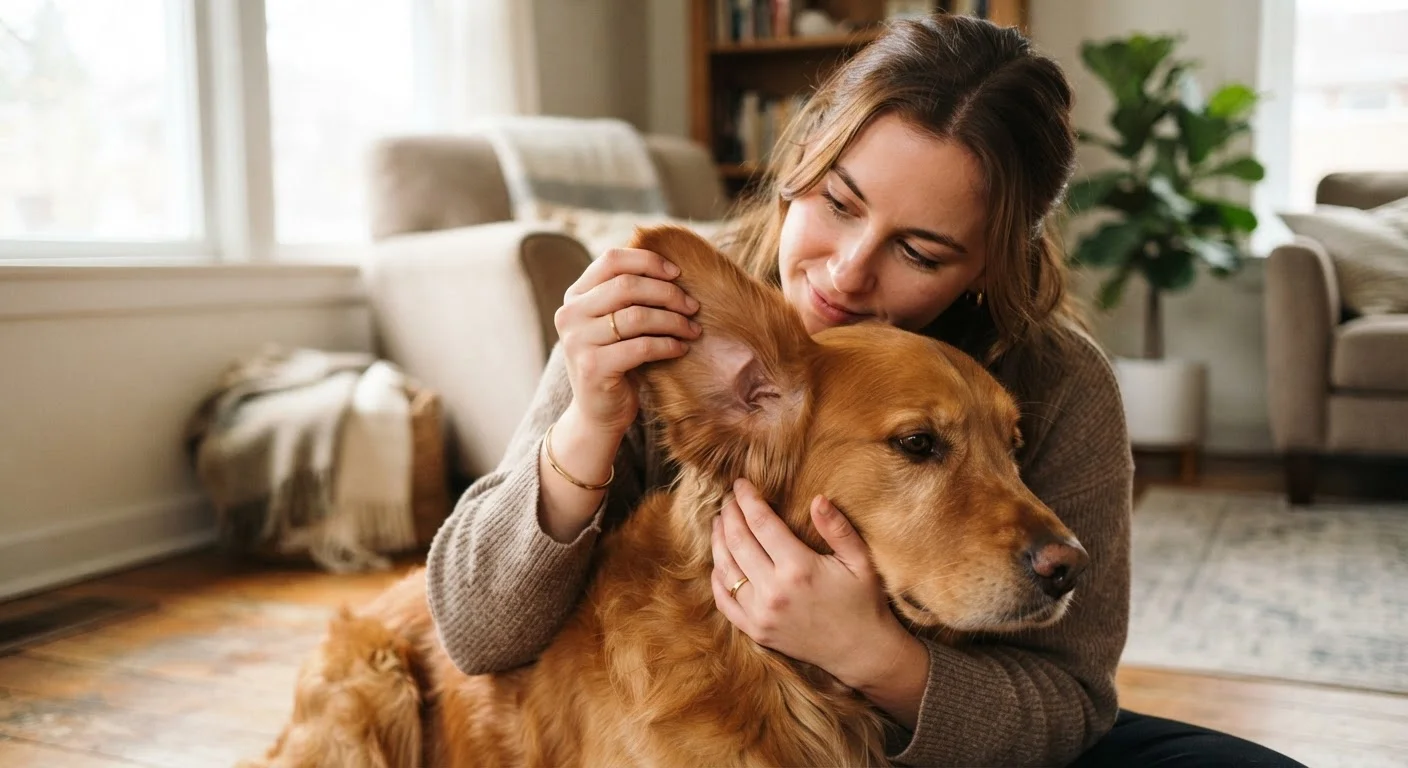
Veterinary wellness exams are essential, but they happen once or twice a year at most. In between, your pet's body can change in ways that are easiest to spot when you know what you're looking for. Routine at-home checks give you a reliable baseline - so when something shifts, you notice it sooner rather than later.
Think of this checklist the way you might approach a regular home walkthrough: a systematic review that keeps small problems from quietly growing larger. For a parallel framing, see our guide on gaps in pet health routines that explores how delayed monitoring can compound over time.
Important: This checklist is general health information for educational purposes - it is not a substitute for professional veterinary assessment. Always consult your veterinarian if you have concerns about your pet's health.
Bright flashlight or phone torch
Provides enough illumination to clearly see inside ears, inspect gum color, and examine coat and skin.
Pet-safe scale
Allows you to track weight changes month-to-month as an objective health indicator.
Health log or notebook
Records date-stamped observations so you can share an accurate timeline of changes with your veterinarian.
Fine-toothed comb or flea comb
Helps part the coat to inspect skin and detect flea dirt or external parasites more easily.
How to use this checklist
Aim to run through this routine once a month under good lighting, ideally when your pet is calm and relaxed. Keep a simple notepad or phone note nearby to log anything unusual, including the date you noticed it. That written record can be remarkably useful - veterinarians often rely on owner observations to piece together a timeline of changes.
This checklist covers cats and dogs primarily, though many items apply broadly. If you have a senior pet, pay particular attention: older pets experience faster physiological changes that benefit from more frequent monitoring.
Eyes
Ears
Mouth and teeth
Coat and skin
Body condition and weight
Movement and behavior
Connecting home checks to your vet visits
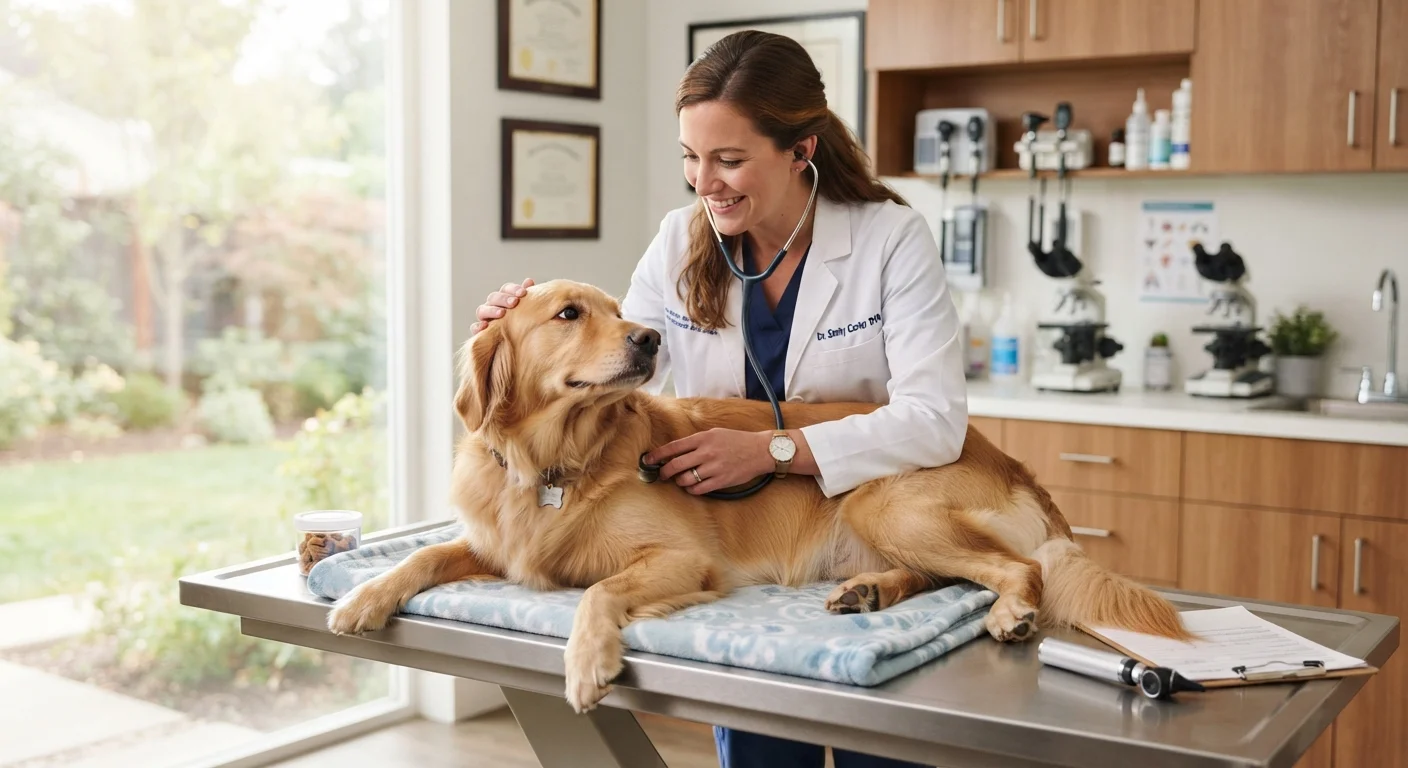
Your observations between appointments give your veterinarian important context that a single exam cannot always capture. Bring your notes to each visit and mention any changes - even ones that seem minor. To understand what vets are assessing on their end, our overview of annual vet visits explains each step of a routine wellness exam.
Home checks are most effective when paired with good nutrition and an awareness of your pet's behavioral baseline. Our feeding completeness checklist is a useful companion resource for evaluating whether your pet's diet is supporting overall health.
Never attempt to diagnose or treat at home
At-home checks are an observation tool only - they are not a substitute for professional diagnosis. If you find a new lump, notice pale or yellowish gums, observe sudden behavioral changes, or feel concerned about anything you see, contact your veterinarian promptly. Do not apply medications, supplements, or home remedies without veterinary guidance, as some human products are harmful or toxic to pets.
If you ever notice sudden changes - labored breathing, collapse, unresponsiveness, severe vomiting, or extreme pain - do not wait for a scheduled visit. Our guide to emergency vet symptoms outlines signs that require immediate care.
This article is for informational and educational purposes only and does not constitute veterinary medical advice. Always consult a licensed veterinarian for concerns specific to your pet's health.