Why Every Homeowner Needs a Basic Toolkit
The moment you own a home, small repairs start appearing - a loose cabinet hinge, a picture hook that won't hold, a door that drags on the floor. Without the right tools on hand, even minor fixes become inconvenient, expensive, or both. Calling a handyperson for a ten-minute job rarely makes financial sense, and waiting days for an appointment lets small problems become bigger ones.
Building a first toolbox isn't about becoming a professional contractor. It's about having the basic capability to handle the routine, low-risk tasks that come with homeownership. A modest collection of well-chosen tools will serve you for years and lay the groundwork for tackling more ambitious projects down the road. Before diving into specific tools, it's worth understanding which repairs are genuinely DIY-friendly - our honest look at DIY trade-offs can help you set realistic expectations.
Pilot hole
A small hole drilled before driving a screw or bolt, which prevents wood from splitting and makes fastening easier and more accurate.
Stud
A vertical framing member - typically a 2×4 or 2×6 piece of lumber - hidden inside walls that provides structural support and a solid anchor point for heavy items.
Caulk
A flexible, waterproof sealant applied around joints, gaps, or seams to prevent air, water, or pests from entering a home.
Torque / Clutch setting
The clutch on a drill/driver limits how much rotational force is applied, stopping the tool before it strips a screw head or damages the material being fastened.
Level
A tool that uses a bubble in a liquid-filled vial to indicate whether a surface is perfectly horizontal (level) or vertical (plumb).
The Core Hand Tools
These are the workhorses of any starter kit - tools you'll reach for repeatedly across dozens of different jobs.
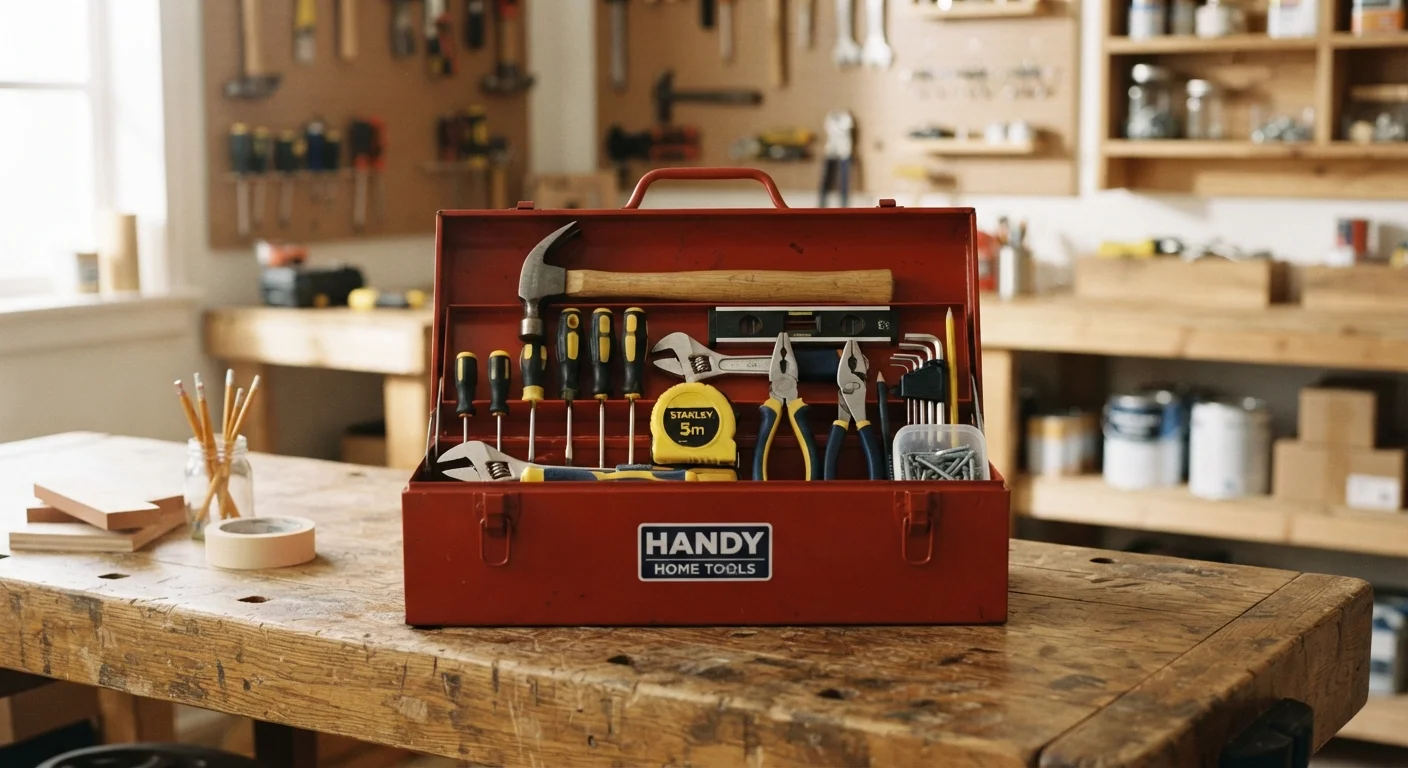
- Claw hammer (16 oz): Drives and pulls nails, taps pieces into place, and handles light demolition. A 16-ounce weight balances power and control for most household tasks.
- Screwdriver set: Stock at least two flat-head and two Phillips-head screwdrivers in different sizes. A medium Phillips (#2) handles the vast majority of screws you'll encounter.
- Adjustable wrench: One 10-inch adjustable wrench covers a wide range of nut and bolt sizes, making it more versatile than a fixed set for a starter kit.
- Needle-nose pliers and slip-joint pliers: Needle-nose pliers reach into tight spaces and bend wire; slip-joint pliers grip pipes, bolts, and hardware at adjustable widths.
- Utility knife: Cuts drywall, opens packaging, scores materials, and trims weatherstripping. Keep spare blades on hand and always cut away from your body.
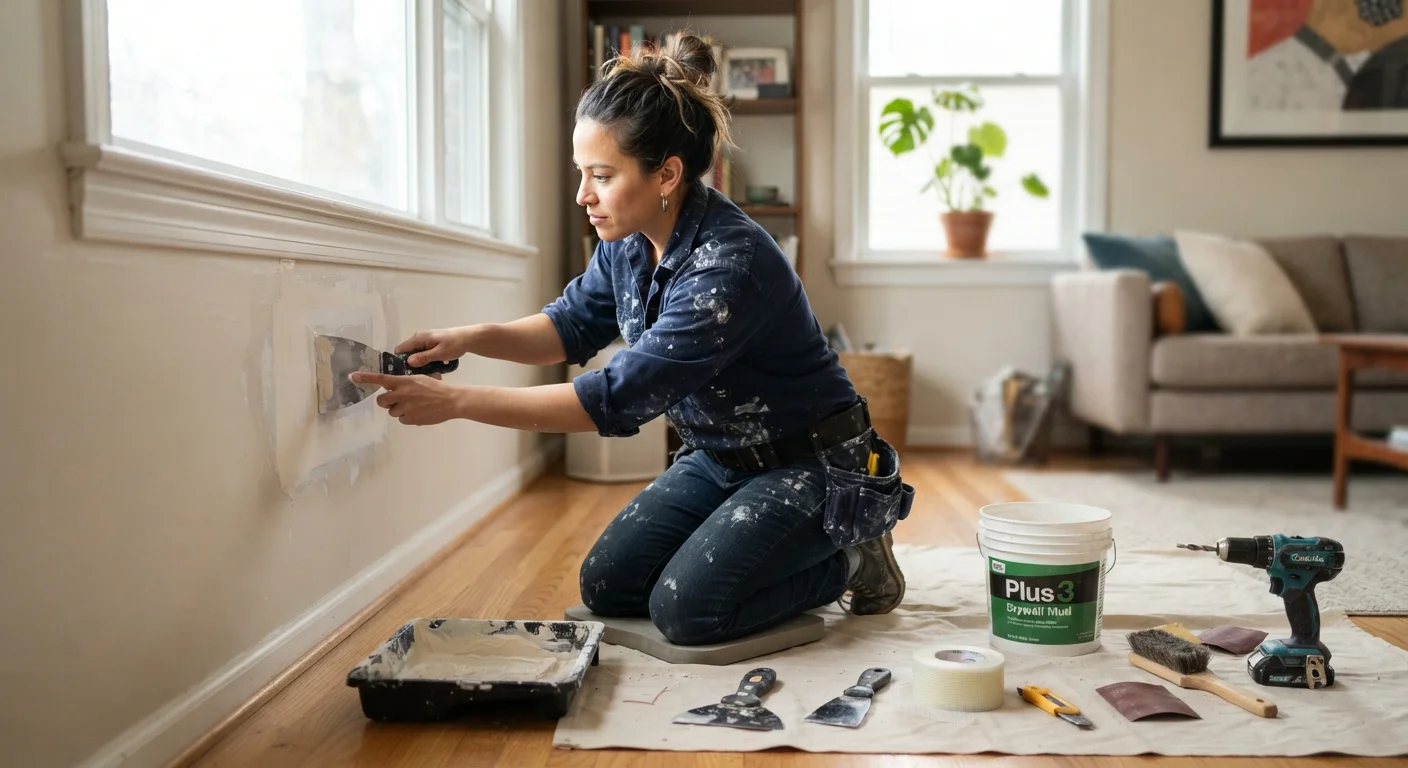
- Putty knife (3-inch): Spreads filler, removes old caulk, and scrapes surfaces clean - essential for patching small holes and surface prep.
Buy Fewer, Better Tools
It's tempting to purchase a large, inexpensive tool set all at once, but lower-quality tools often strip fasteners, break under moderate use, and create frustration. A smaller collection of durable, mid-grade hand tools will serve you far longer. Focus your starting budget on the tools you'll use most - hammer, screwdrivers, and pliers - and build from there.
Measuring and Marking Tools
Accurate measurement is one of the most underrated skills in home repair. A wall anchor placed a half-inch off-center, a shelf cut too short, or a curtain rod hung crooked are all avoidable mistakes with the right tools.
- 25-foot tape measure: A standard 25-foot, 1-inch-wide blade is stiff enough to extend unsupported across a room, making solo measuring easier.
- 4-foot level: Confirms horizontal and vertical alignment for shelves, frames, and fixtures. A shorter torpedo level (9 inches) is a handy addition for tight spaces.
- Pencil and carpenter's square: Mark cut lines clearly and confirm 90-degree angles before you cut or fasten. These are simple and inexpensive but prevent expensive errors.
- Stud finder: Locates the wooden framing studs behind drywall so you can anchor heavy items securely. Most electronic models are straightforward to use following the manufacturer's instructions.
As you take on more varied projects - from seasonal upkeep to exterior maintenance - measuring accuracy becomes even more critical. The seasonal home maintenance checklist is a practical companion for putting your new tools to work throughout the year.
Safety Gear and Storage
Tools only serve you well when you use them safely. A few protective items belong in every starter kit alongside the hand tools.
- Safety glasses: Protect your eyes from flying debris when hammering, drilling, or cutting. This is non-negotiable.
- Work gloves: A pair of snug-fitting gloves protects against cuts and abrasions while still allowing enough dexterity for precise work.
- Flashlight or headlamp: Many repairs happen in crawl spaces, under sinks, or in dim corners. A headlamp keeps both hands free.
- First aid kit: Minor cuts and scrapes happen. Keep a basic kit within reach in your workspace.
For storage, a mid-size latch-lid toolbox or a contractor-style bag with exterior pockets works well for a starter collection. The goal is portability and quick access - you should be able to grab what you need without emptying the entire box. As your collection grows, wall-mounted pegboards or rolling cabinets can keep a larger set organized.
Know the Limits of DIY
A well-stocked toolbox is not a substitute for professional expertise on hazardous systems. Work involving electrical wiring beyond basic fixture swaps, gas lines, structural framing, or roofing should be performed by a licensed contractor. Many such projects also require permits - check permit requirements for DIY repairs before starting any significant work.
What to Add as You Gain Experience
Once you're comfortable with the basics, the logical next step is expanding your toolkit to match the projects you're actually tackling. Add tools in response to real needs rather than buying speculatively.
Common second-tier additions include:
- Cordless drill/driver: Dramatically speeds up driving screws and drilling pilot holes. Look for one with variable speed and a clutch setting.
- Hacksaw: Cuts metal pipe, bolts, and plastic - useful when modifying or repairing plumbing fixtures.
- Pry bar (flat bar): Removes baseboards, pulls nails, and assists with small demolition tasks far more effectively than a hammer alone.
- Caulk gun: Applies sealant around tubs, windows, and exterior gaps - a key tool for weatherproofing and moisture control.
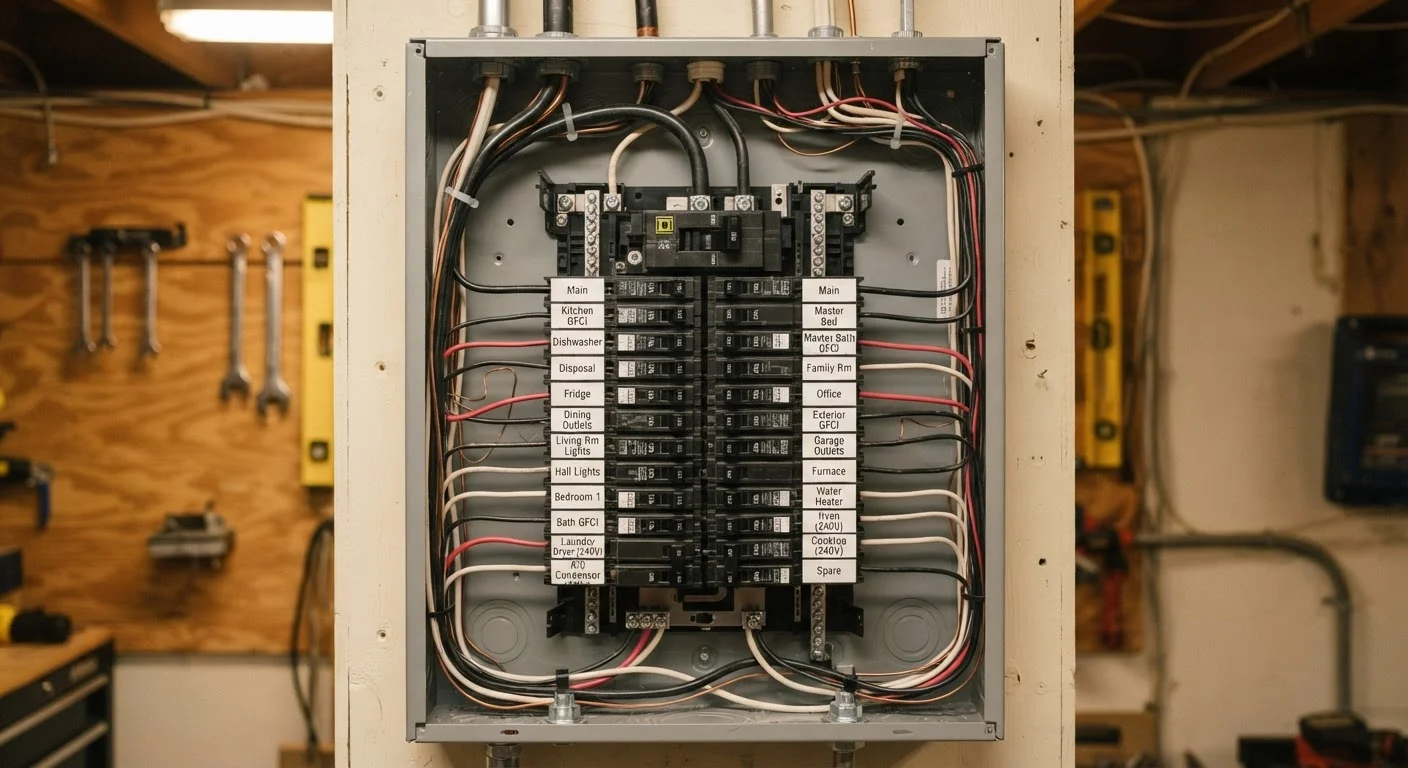
- Voltage tester (non-contact): Confirms whether an outlet or wire is live before you touch it. Always verify power is off before working near any electrical component. For a deeper understanding of your home's electrical system, see our guide on understanding electrical panels.
Home repairs also connect to broader home system knowledge. Familiarizing yourself with essential home systems terminology will help you communicate clearly with contractors and recognize when a job exceeds what your toolkit - or your experience level - can safely handle.