Why a Seasonal Checklist Works
Home maintenance is easier to manage when it's broken into predictable, season-sized chunks. Rather than reacting to problems after they appear, a structured checklist helps you stay ahead of wear, weather damage, and system failures. The tasks listed here are organized by season and grouped by type, so you can work through them methodically without backtracking.
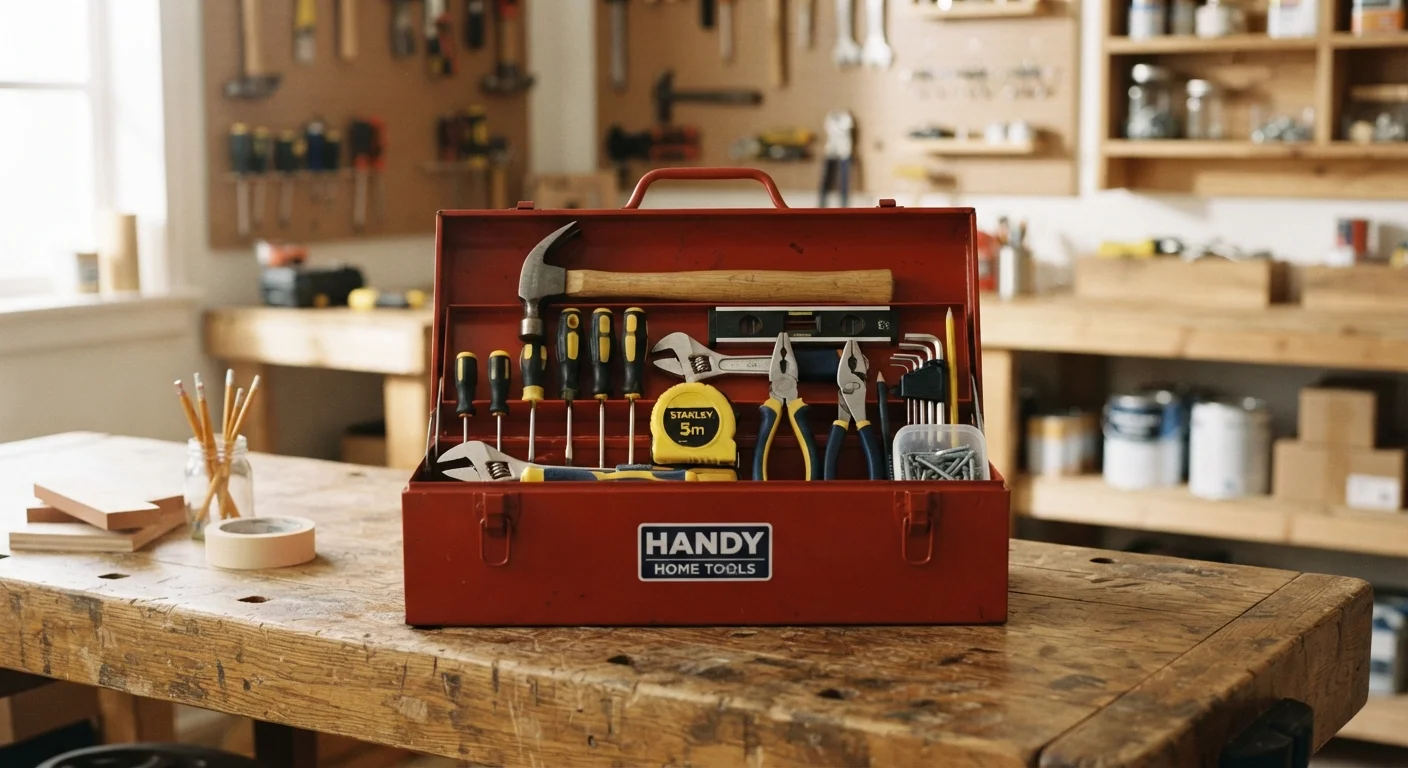
Most items fall within the capability of a homeowner who is comfortable with basic tools. If you're still building your DIY toolkit, see our guide to building a first toolbox before you start. For a broader perspective on what DIY work actually involves - including its real trade-offs - this honest overview of DIY repairs is worth reading first.
Electrical, Gas, and Structural Work Requires a Licensed Professional
This checklist covers routine, non-permitted maintenance tasks. Any work involving your home's electrical panel, gas supply lines, structural members, or roofing beyond minor shingle replacement typically requires a licensed contractor and, in many jurisdictions, a permit. Always check with your local building department before starting a project that goes beyond standard upkeep.
Tasks involving your electrical panel, gas lines, structural elements, or roofing beyond minor repairs should be handled by a licensed contractor. Always verify whether a local permit is required before starting any significant project. When in doubt, consult a qualified professional.
Tools and Supplies You'll Need
Before running through any seasonal checklist, gather the basic supplies listed below. Having them on hand avoids interruptions and lets you move efficiently from one task to the next.
Ladder (6-ft or extension)
Required for safely reaching gutters, roof edges, and high exterior surfaces.
Caulking gun and exterior-grade caulk
Used to seal gaps around windows, doors, and exterior penetrations.
HVAC filter (correct size for your system)
Replaced each season to maintain airflow and indoor air quality.
Voltage tester (non-contact)
Lets you safely confirm whether an outlet or circuit is live before working near it.
Garden hose with adjustable nozzle
Used to flush the water heater and rinse the AC condenser coil.
Dryer vent brush kit
Cleans lint from the full length of the dryer exhaust duct to reduce fire risk.
Flashlight or headlamp
Essential for inspecting attics, crawl spaces, and other low-light areas.
Weatherstripping tape or replacement strips
Used in fall to reseal door edges where existing weatherstripping has worn away.
The Seasonal Checklist
Work through these grouped items each season. Items marked must are non-negotiable for safety and home integrity. Should items are strongly recommended to avoid longer-term costs. Nice-to-have items improve comfort and efficiency but can be deferred if time is short.
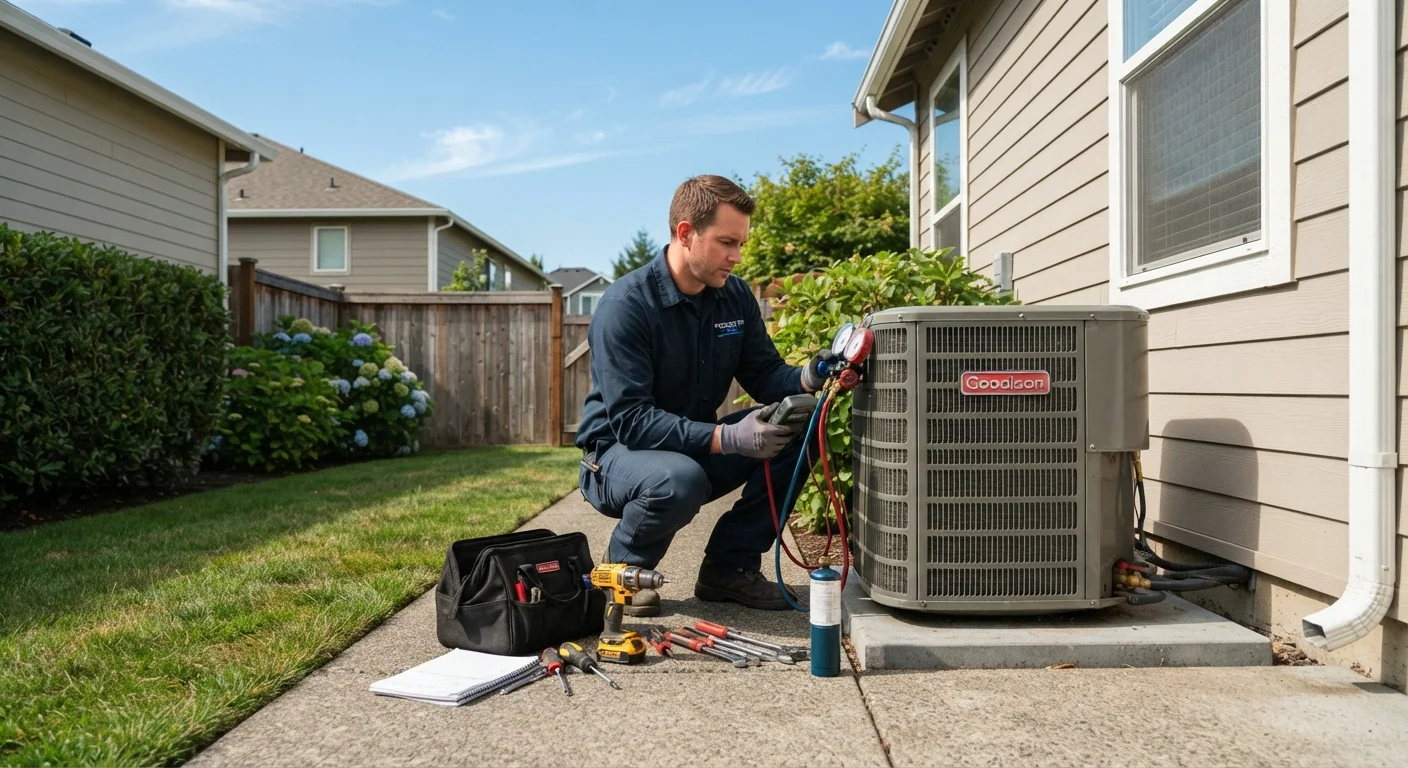
For deeper guidance on your HVAC system specifically - which appears in both spring and fall groups - see our seasonal HVAC prep checklist and our article on HVAC tasks homeowners can safely do themselves. For exterior items, the seasonal exterior maintenance checklist provides additional detail.
Spring
Summer
Fall
Winter
A Few Tasks That Deserve Extra Attention
Some items on the checklist warrant additional context beyond a single line item.
Gutters and Drainage
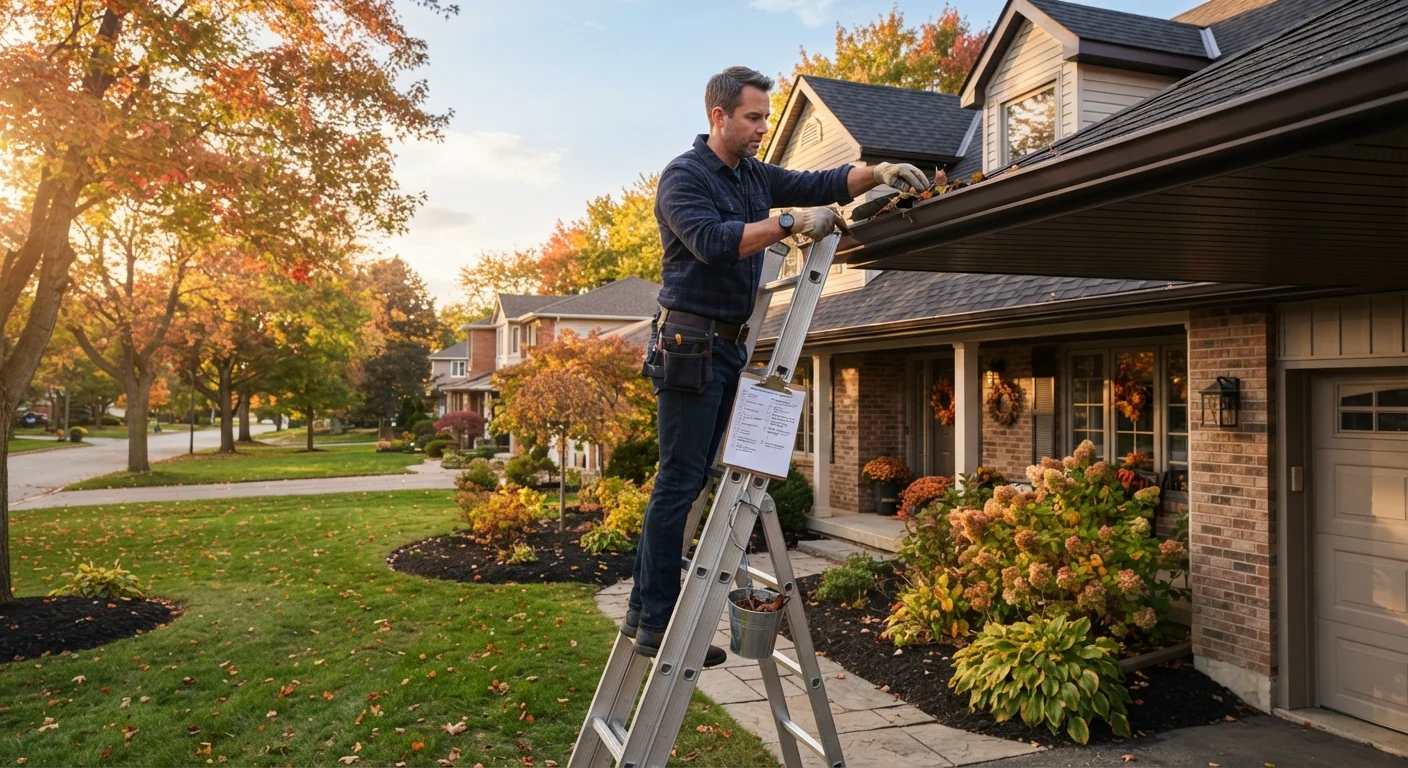
Blocked gutters are one of the most common causes of water intrusion into foundations and crawl spaces. Clean them at least twice a year - once after spring tree bloom and once after fall leaf drop. Always use a stable, properly footed ladder and never lean out beyond your body's center of gravity.
Slow Drains and Minor Plumbing
Many plumbing issues homeowners encounter - slow drains, dripping faucets, running toilets - don't require a plumber. Our guide on plumbing repairs most homeowners can handle covers exactly what falls within safe DIY range.
Minor Structural Quirks
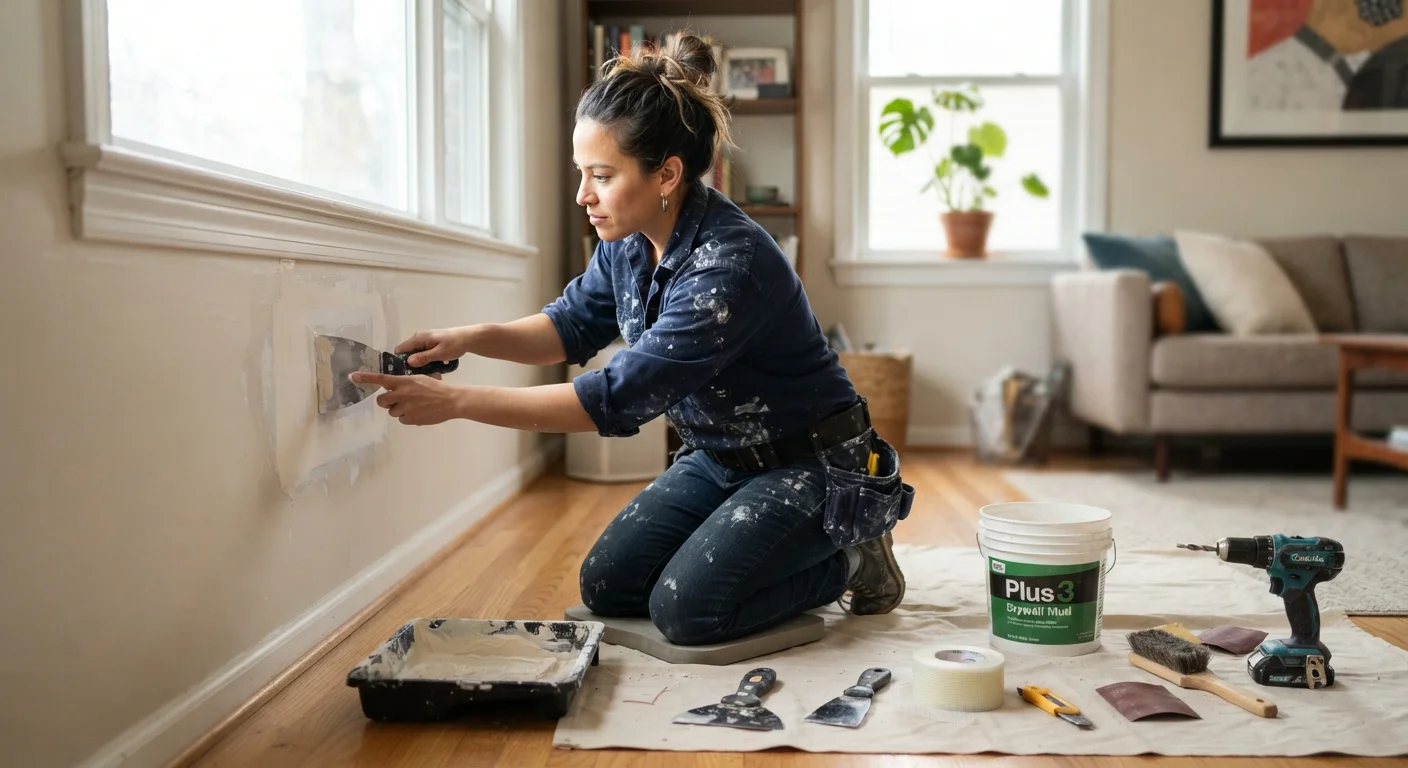
Nail pops, squeaky floors, and hairline cracks in drywall are common and usually cosmetic. Learn what's behind these issues before attempting a fix - our article on nail pops and structural quirks explains what's safe to address yourself and what warrants a professional look.
Know When to Stop and Call a Pro
If you open an access panel, attic hatch, or wall cavity and find wiring that looks burned, frayed, or improperly spliced, do not attempt a DIY fix. Electrical faults are a leading cause of house fires. Similarly, if you suspect asbestos-containing materials in an older home, stop work immediately - our guide on working safely with older homes outlines the warning signs. Always hire a licensed specialist for hazardous material testing and remediation.
Lawn and Landscaping
Spring and fall are also the right moments to address your lawn's seasonal needs. Our year-round lawn care framework aligns lawn work with the same seasonal rhythm used in this checklist.