Why Seasonal HVAC Prep Matters
Your HVAC system works hardest precisely when you can least afford it to fail - during a July heat wave or a January cold snap. Running a structured checklist before each season starts is one of the most cost-effective habits a homeowner can develop. It extends equipment life, helps maintain indoor air quality, and surfaces small problems before they become expensive emergencies.
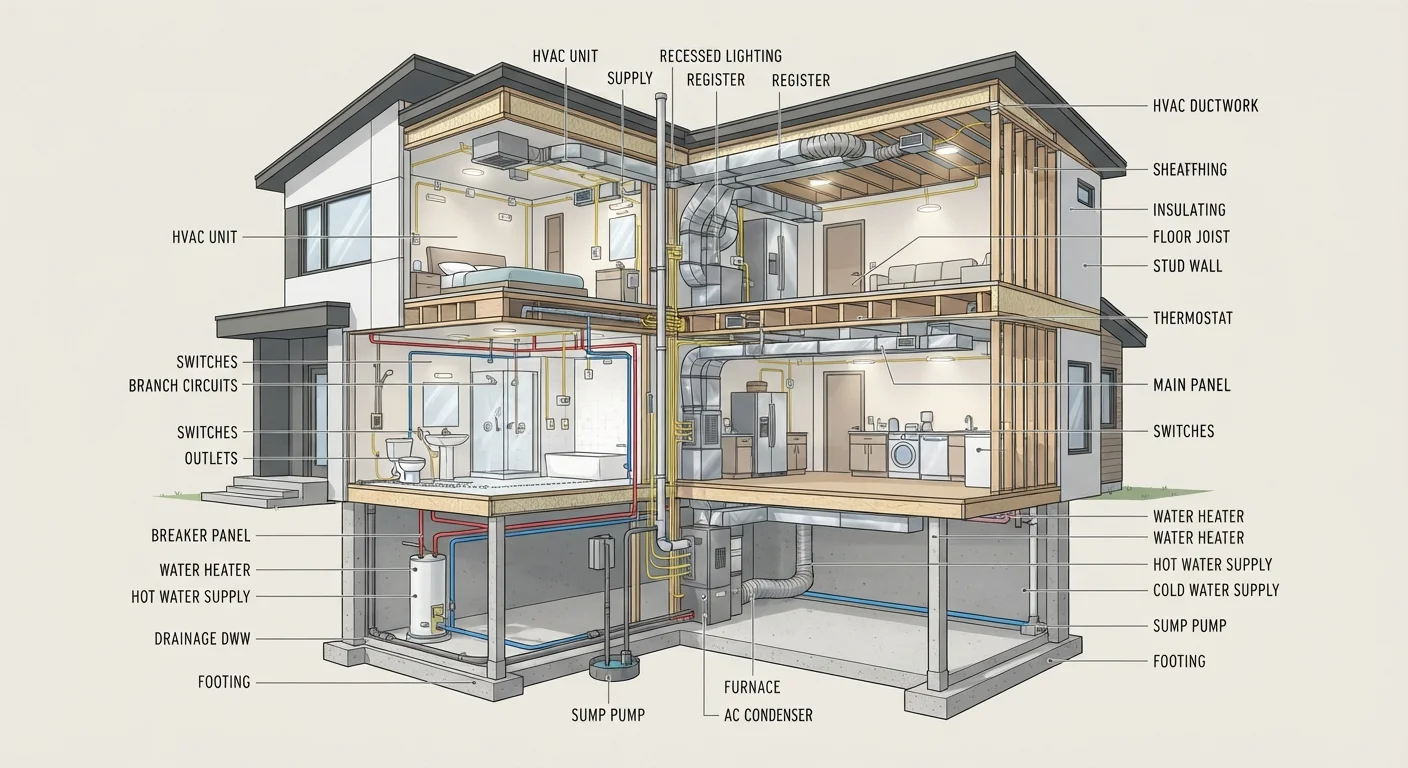
This checklist is organized into two main seasonal phases - pre-cooling (spring) and pre-heating (fall) - with shared tasks that apply to both. Some items are straightforward DIY work; others require a licensed HVAC contractor. Understanding which is which matters for both safety and code compliance. For a broader view of how your HVAC system connects to your home's other systems, see our guide on your home as an interconnected system.
Know Which Tasks Require a Licensed Pro
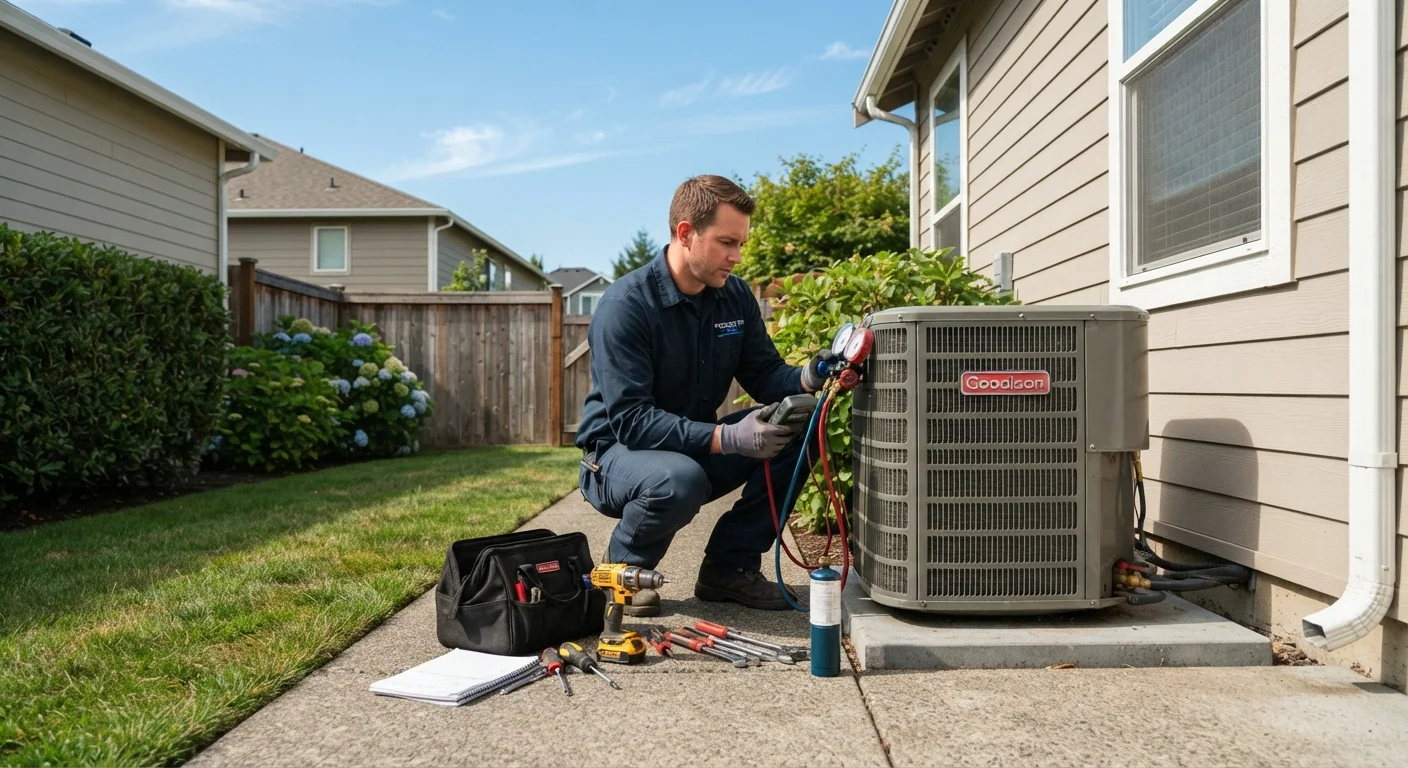
Refrigerant handling, heat exchanger inspection, gas line work, and high-voltage electrical tasks must be performed by a licensed HVAC technician. Attempting these without proper credentials is dangerous, may violate local codes, and can void your equipment warranty. If you're unsure whether a task falls within safe DIY scope, err on the side of calling a professional.
Work that involves refrigerant handling, gas line connections, heat exchanger inspection, or high-voltage electrical components must be performed by a licensed professional. DIY work on these systems can be dangerous and may violate local code requirements or void your equipment warranty. Always verify permit and inspection requirements with your local authority having jurisdiction (AHJ) before undertaking any regulated work.
Tools and Resources You'll Need
Before working through the checklist, gather the supplies and contacts you'll need. Having everything ready avoids mid-task delays and helps you complete a thorough inspection in one pass.
Replacement air filters
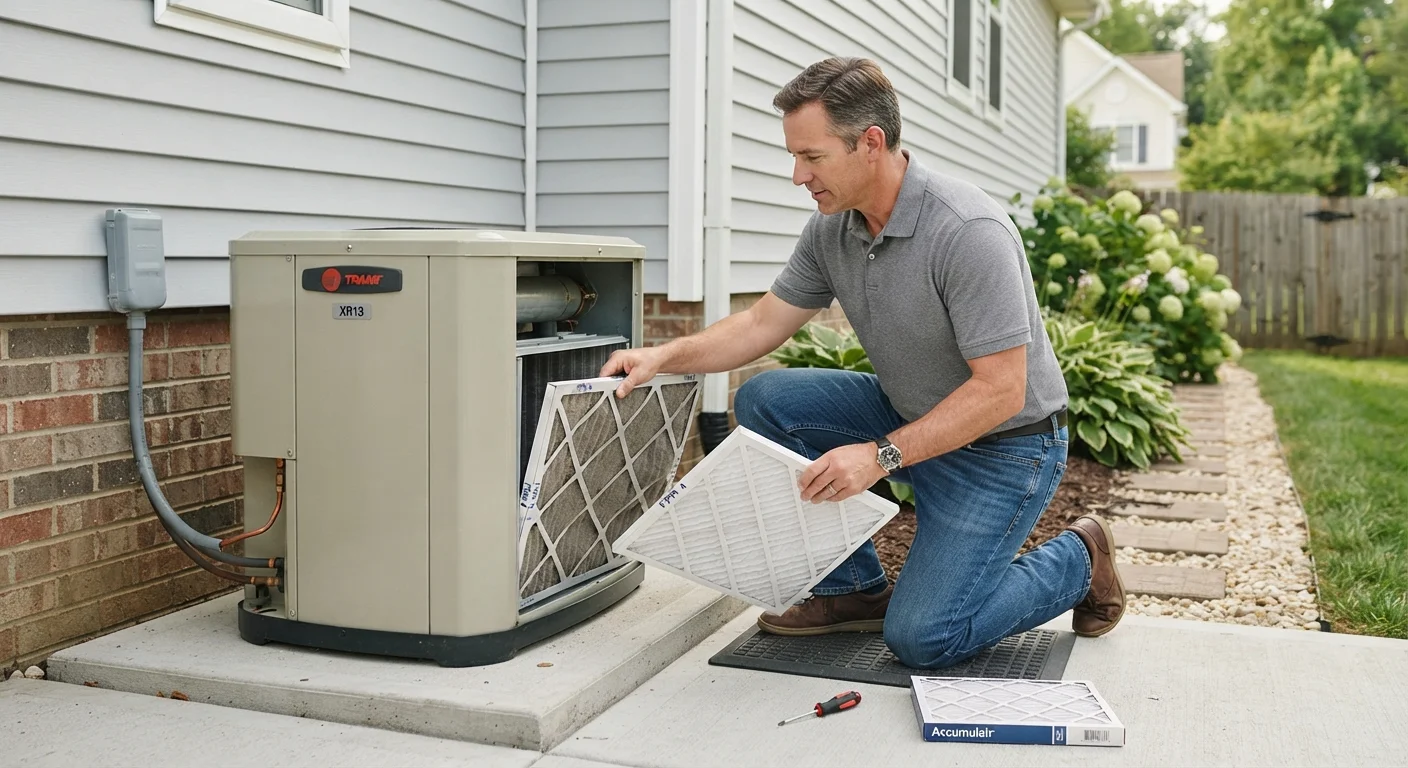
Required for filter swap - have the correct size and MERV rating on hand before starting the inspection.
Garden hose with spray nozzle
Used to rinse condenser coil fins during pre-cooling prep; a gentle, adjustable spray avoids fin damage.
Flashlight or headlamp
Needed to inspect dark areas around the air handler, ductwork joints, and flue connections.
Wet/dry vacuum
Useful for clearing standing water from the condensate drain pan and removing dust around the blower area.
Non-contact voltage tester
Allows safe confirmation that power is off before opening any electrical panel or disconnect on the HVAC equipment.
Notebook or phone app for logging
Records findings, service dates, filter changes, and technician notes for future reference.
Licensed HVAC contractor contact
Required for refrigerant checks, heat exchanger inspection, gas pressure adjustment, and any permitted electrical work.
The Seasonal HVAC Prep Checklist
Work through the groups below in order. Complete shared tasks first, then move to the season-specific section that applies to your current prep cycle. Check off each item as you go, and note any findings that need follow-up - either a parts order or a call to your HVAC technician.
Shared Tasks (Both Seasons)
Pre-Cooling Season (Spring Prep)
Pre-Heating Season (Fall Prep)
For a deeper look at the DIY tasks listed above - including how to clean evaporator coils and inspect condensate lines safely - see HVAC maintenance tasks homeowners can safely do themselves. You may also find it useful to coordinate this checklist with your broader seasonal home prep; the seasonal home maintenance checklist for DIY-minded owners covers the full scope of tasks across every season.
After the Checklist: What to Do With Your Findings
Once you've completed the walkthrough, sort your findings into three buckets: items you can address immediately (filter replacement, clearing debris, resetting a tripped breaker), items requiring a licensed technician (refrigerant issues, cracked heat exchangers, gas pressure adjustments), and items to monitor over the coming weeks (minor airflow imbalances, slightly elevated energy use).
Schedule professional service appointments before peak season demand, typically February-March for cooling prep and August-September for heating prep. Technicians are far easier to book - and often less expensive - outside peak demand windows. Keep a simple log of what you checked, what you found, and what was serviced. This history is useful for warranty claims and when evaluating whether a system is approaching end of useful life.
Schedule Service Before Peak Season Demand
HVAC technicians are significantly busier - and appointment slots fill faster - during the first hot weeks of summer and the first cold snap of winter. Plan your professional service visits for late winter (February-March) ahead of cooling season, and late summer (August-September) ahead of heating season. Booking early typically means faster scheduling and avoids paying emergency-service premiums.
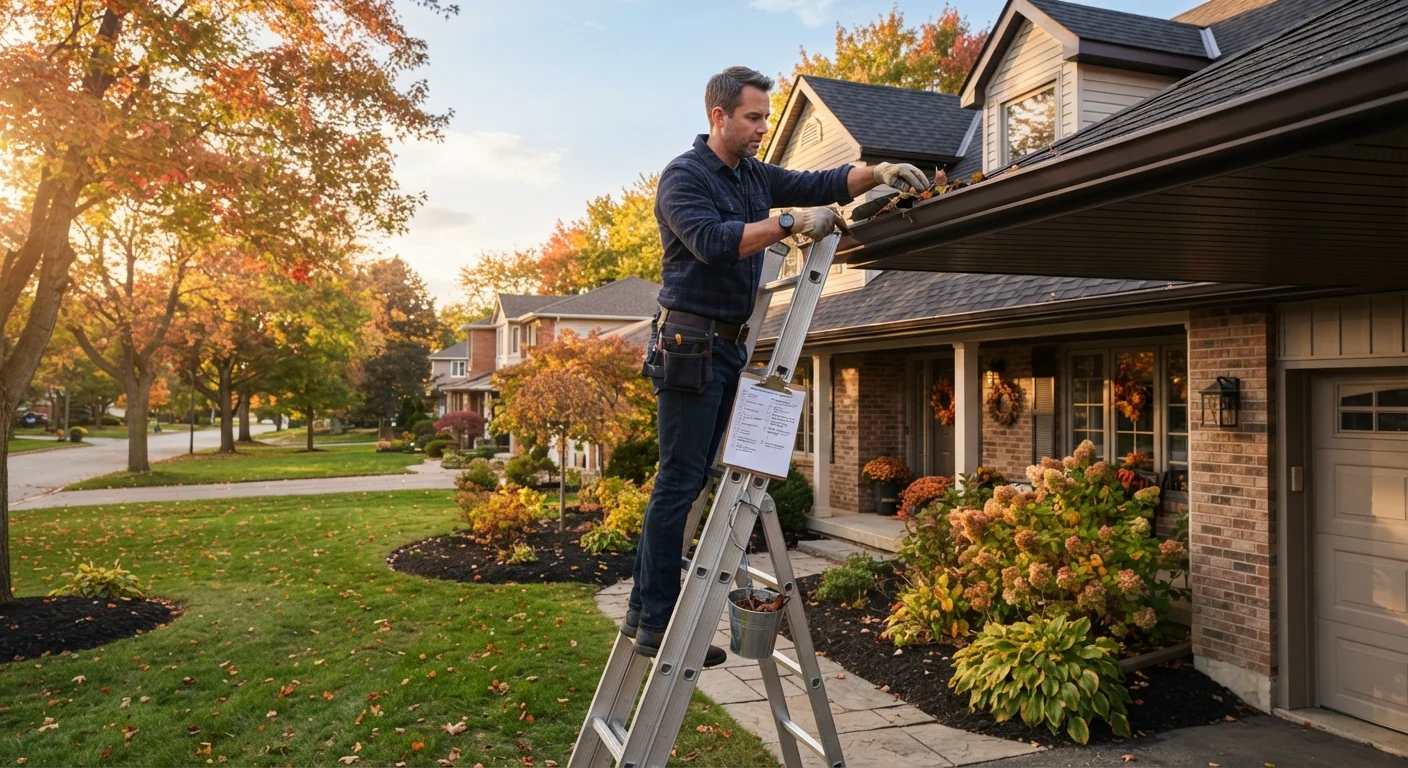
Don't overlook your home's exterior as part of seasonal prep. Vegetation growing against the outdoor condenser unit, clogged gutters causing ice dams near rooftop HVAC equipment, and debris accumulation around outdoor units all affect performance. The seasonal exterior home maintenance checklist is a practical companion to run alongside this one.