Why DIY HVAC Maintenance Matters
Your HVAC system - the combination of heating, ventilation, and air conditioning equipment that regulates your home's comfort - is one of the most expensive systems in your house to repair or replace. Yet many of the tasks that keep it running reliably require nothing more than basic tools, an hour of your time, and a clear understanding of what you're doing.
Skipping routine upkeep doesn't just shorten equipment life; it raises your monthly energy bills. A clogged filter, for example, forces the blower motor to work harder, consuming more electricity and generating more heat stress on components. The good news: a significant portion of HVAC maintenance is well within the ability of a careful, safety-conscious homeowner.
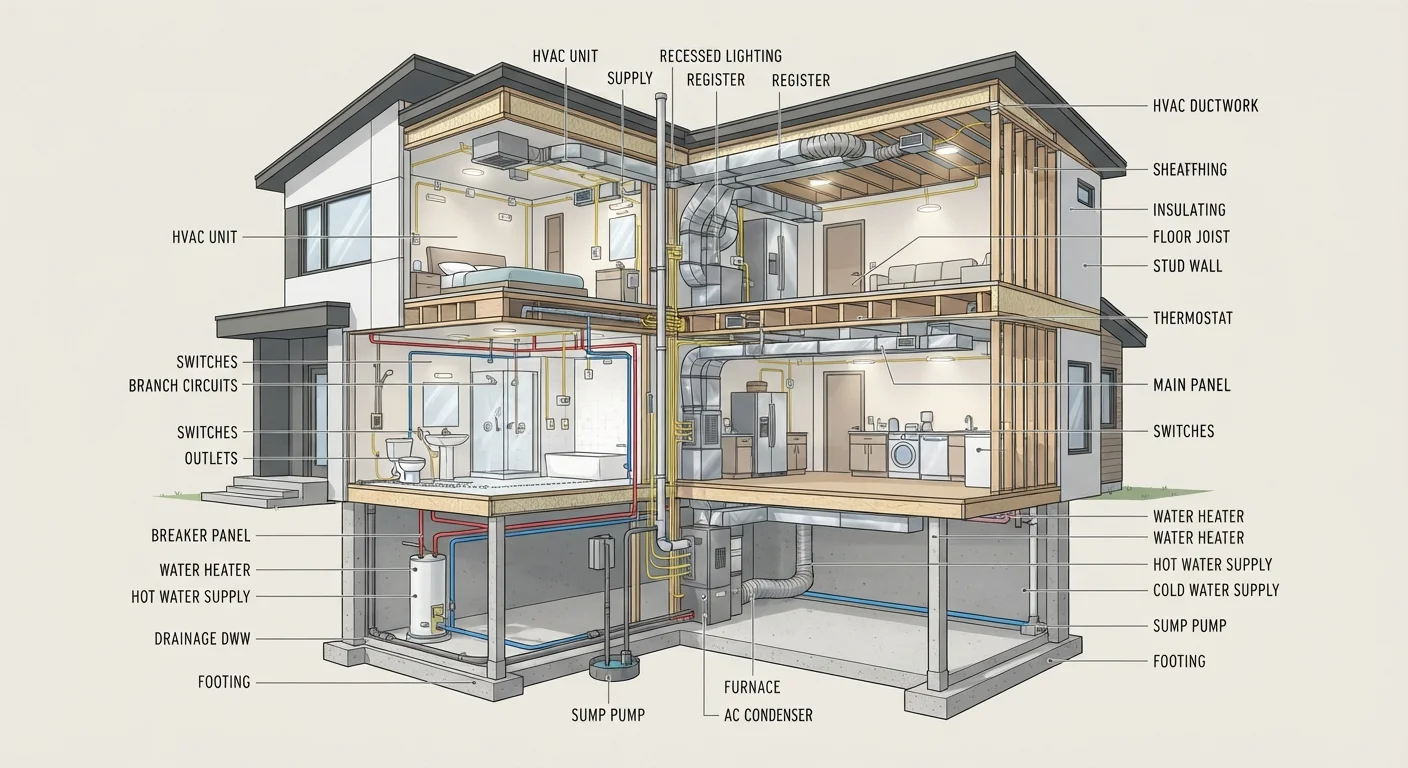
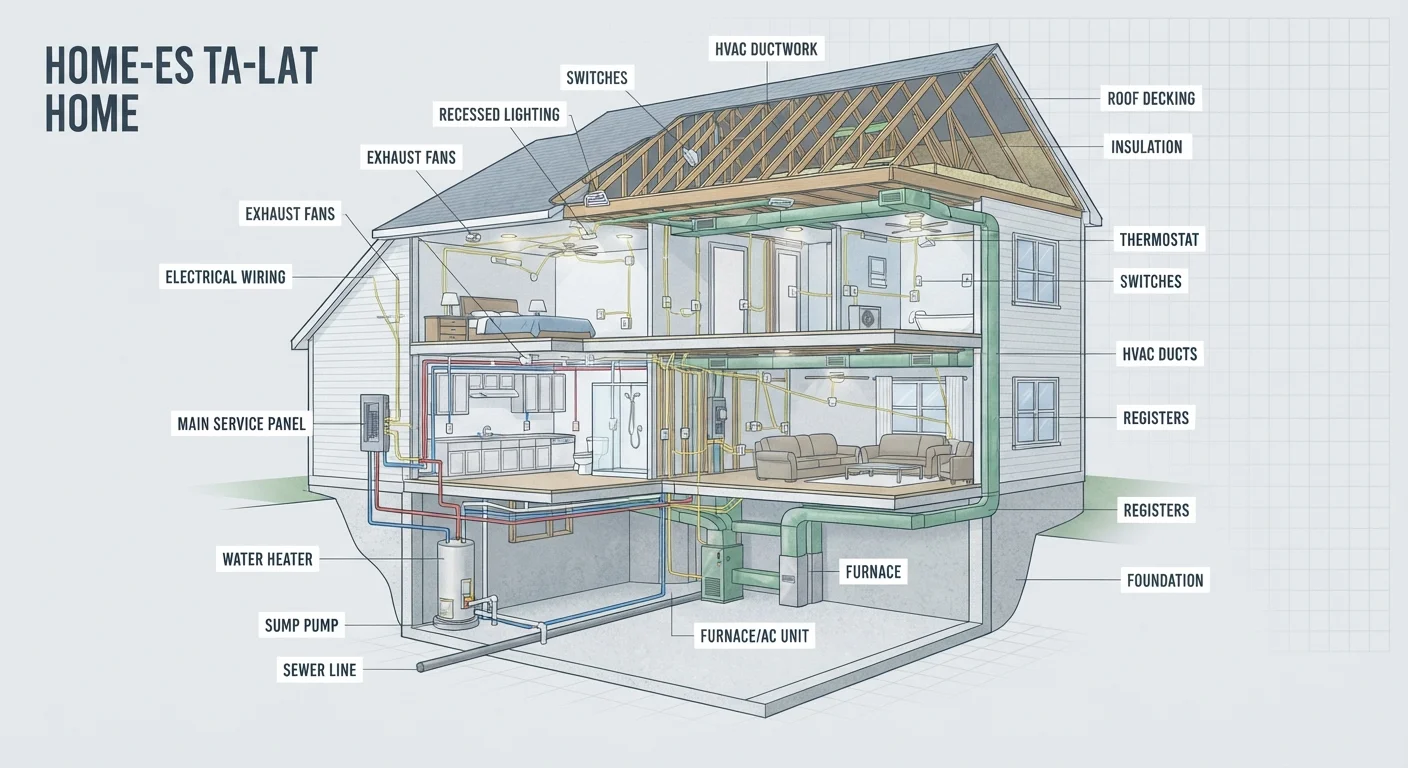
To understand how your HVAC fits into your home's broader infrastructure, see our article on how home systems interact. And if unfamiliar terms come up as you work through this checklist, our home systems terminology guide explains the jargon in plain language.
Never Skip the Power Disconnect Step
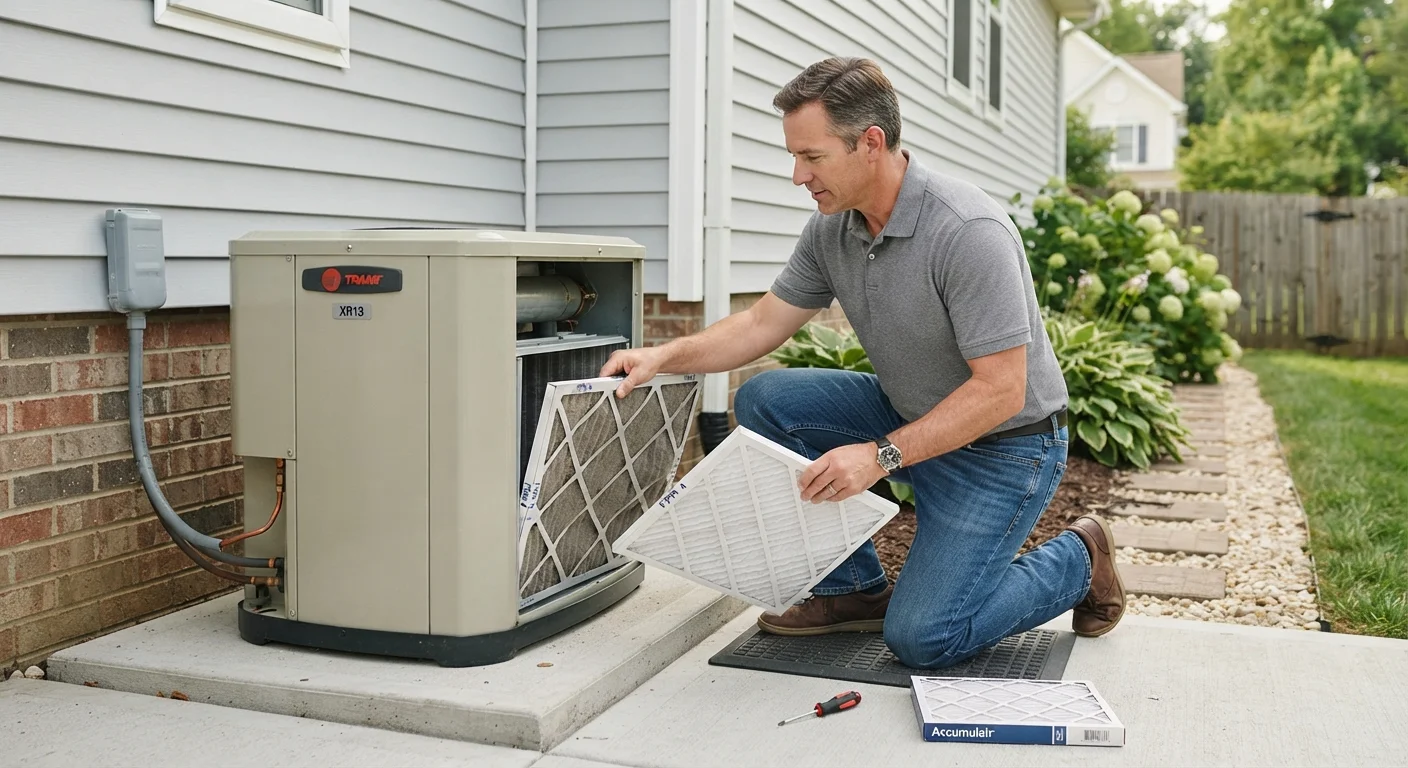
Before touching the outdoor condenser unit or opening the indoor air handler cabinet, shut off power at the dedicated disconnect switch or breaker. HVAC capacitors can store a lethal electrical charge even after the system is turned off at the thermostat. If you are unsure where your disconnect is located, consult your system's owner's manual or contact a licensed technician before proceeding.
Tools and Supplies You'll Need
Before working through the checklist, gather the supplies below. Having everything on hand before you start prevents unnecessary interruptions and keeps you from being tempted to skip a step.
Replacement air filter (correct size)
The primary consumable in HVAC maintenance - check your existing filter or owner's manual for the exact dimensions.
Garden hose with adjustable nozzle
Used to rinse the outdoor condenser coil fins on low-pressure spray setting.
Wet/dry vacuum
Useful for clearing debris from the condensate drain line and vacuuming out the air handler cabinet.
Distilled white vinegar
Flushed through the condensate drain line periodically to inhibit algae and mold growth.
Fin comb
Straightens bent aluminum fins on the condenser coil to restore proper airflow.
Metal-backed foil tape
Seals small gaps or loose joints in accessible ductwork - more durable than standard cloth duct tape.
Screwdriver set
Needed to open the air handler access panel and remove vent covers for cleaning.
The DIY HVAC Maintenance Checklist
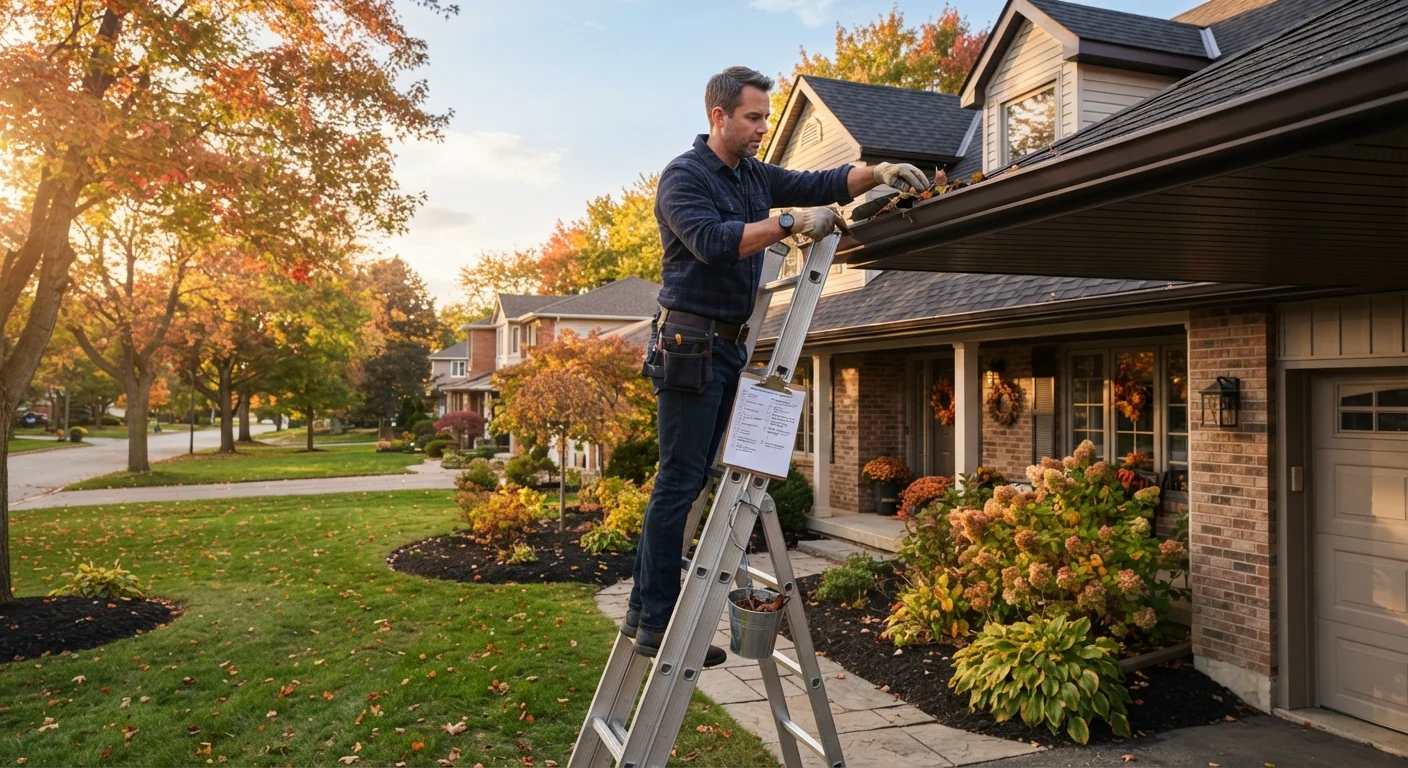
The tasks below are organized by frequency and system area. Work through them systematically - ideally once in spring before cooling season and again in fall before heating season. Pair this with our seasonal home maintenance checklist to keep the full picture in view.
Filter & Airflow
Outdoor Condenser Unit
Drain Line & Condensate Pan
Thermostat & Controls
Ductwork Visual Inspection
Do Not Attempt Refrigerant-Related Work
Adding, removing, or recovering refrigerant requires an EPA Section 608 certification and specialized equipment. Attempting this work without certification is a federal violation and carries significant personal safety risks. If your system is low on refrigerant, that also indicates a leak - a condition that requires a licensed HVAC technician to diagnose and repair.
Knowing When to Call a Professional
DIY maintenance has clear boundaries. Certain HVAC tasks are regulated, hazardous, or require specialized tools that professionals are trained and licensed to use. Refrigerant (the fluid that makes air conditioning possible) is tightly regulated under federal law - only EPA-certified technicians may purchase or handle it. Electrical wiring inside the air handler or furnace control board, gas valve adjustments, heat exchanger inspections, and ductwork modifications all fall outside safe DIY territory.
If your system isn't cooling or heating adequately after you've completed the DIY checklist - especially if you notice unusual sounds, burning smells, ice on the refrigerant lines, or a tripped breaker that keeps returning - schedule a professional inspection rather than investigating further yourself. Similarly, any work that might require a permit in your municipality should be handled by a licensed contractor. Requirements vary by locality, so verify with your local building department.
The same principle applies in other home systems: knowing where your safe zone ends is just as important as knowing what you can handle. See our guide on plumbing repairs homeowners can handle for a comparable breakdown in that domain.