Why Systems Thinking Matters for Homeowners
Most homeowners think of their home's major systems - plumbing, electrical, and HVAC (heating, ventilation, and air conditioning) - as separate departments. In practice, these systems are deeply interdependent. A problem that looks like a plumbing issue might be rooted in an HVAC failure, and an electrical symptom can sometimes trace back to water intrusion from a pipe.
Developing a systems perspective doesn't require technical expertise. It means recognizing that your home operates as a whole, and that changes or failures in one area create ripple effects elsewhere. This understanding is the foundation of effective maintenance and informed decision-making. For a grounding in the vocabulary you'll encounter, see our plain-language glossary of home systems terms.
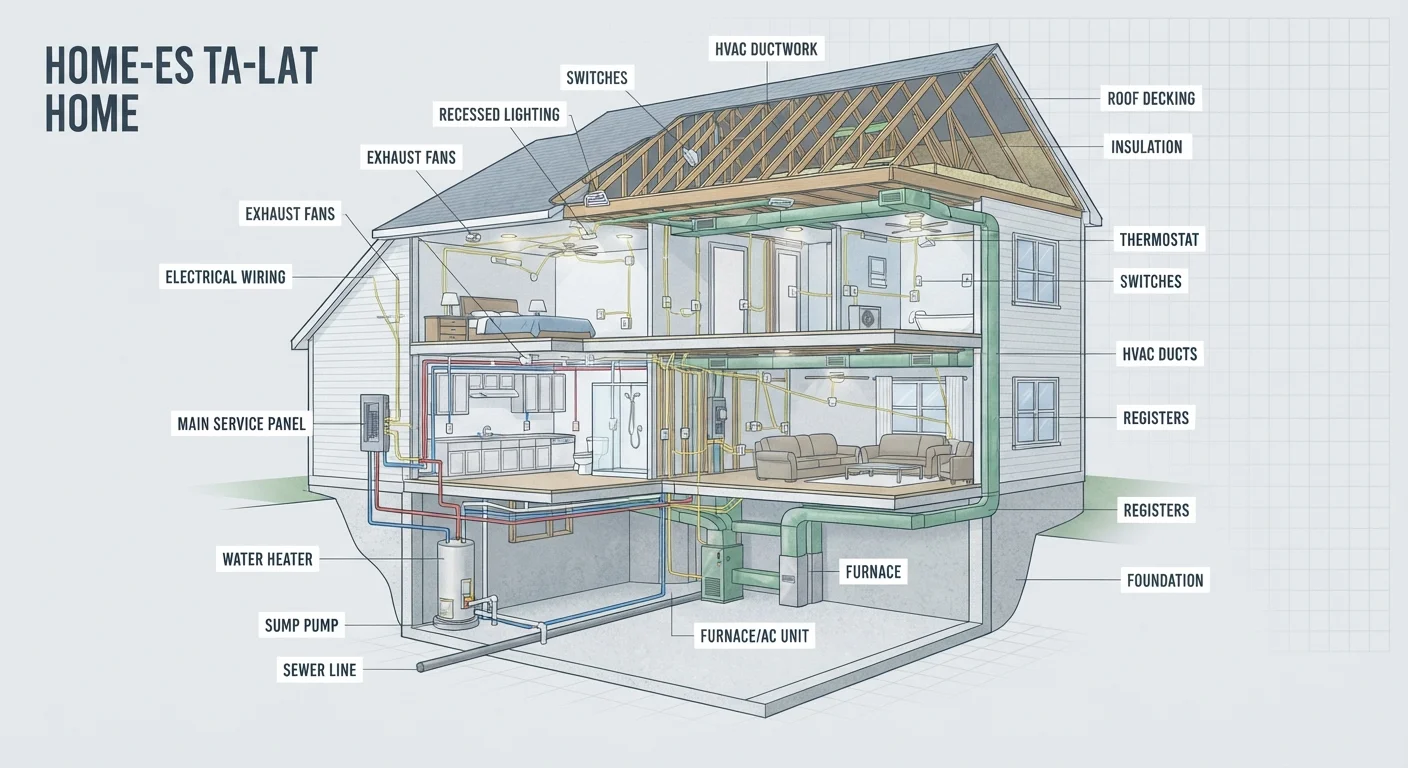
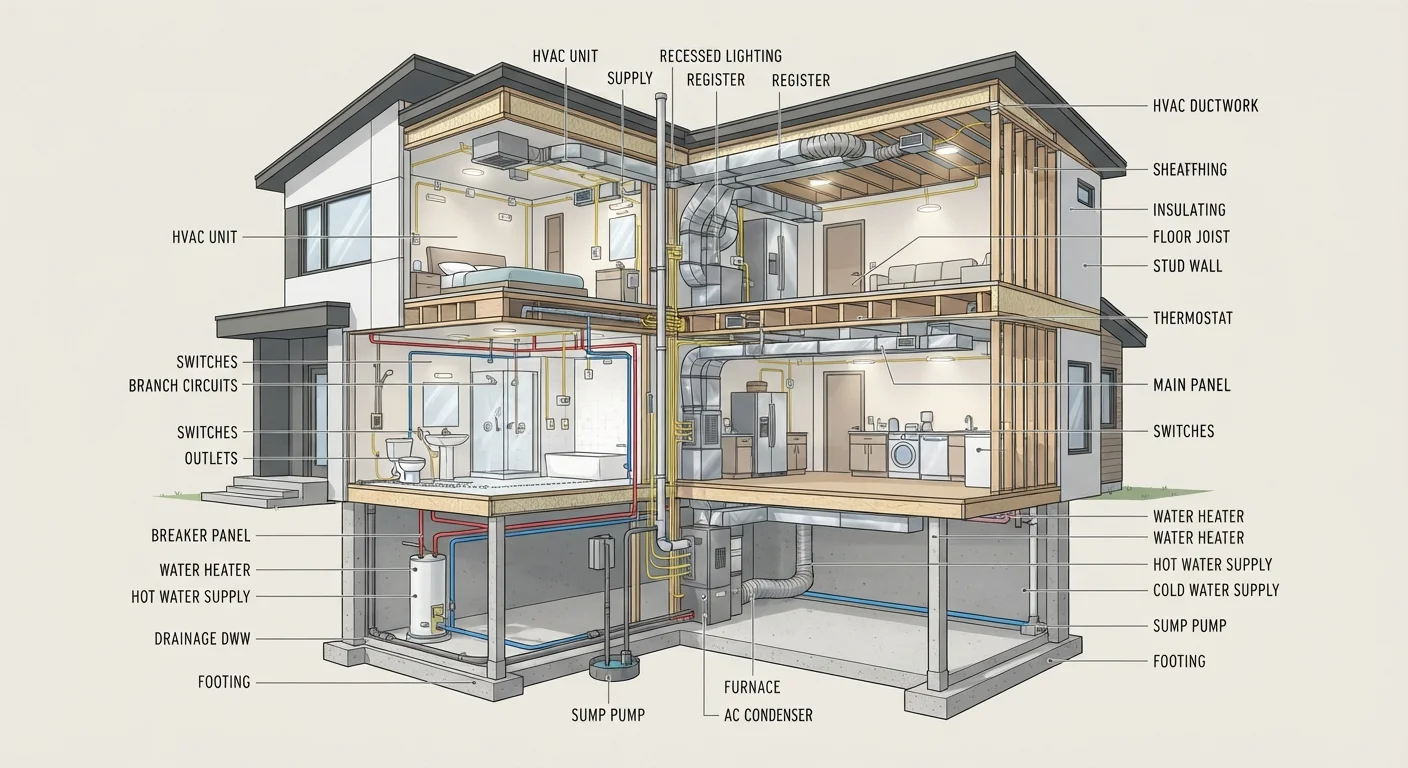
When diagnosing an unexplained problem, sketch a rough map of where your systems run - supply lines, drain stacks, ductwork, and wiring. Overlap often reveals the source faster than inspecting systems independently.
System failures frequently manifest away from their origin point; visualizing proximity helps narrow down root causes without invasive exploration.
After any plumbing repair inside a wall, run the system for at least 30 minutes and then check adjacent electrical outlets and fixtures for any signs of moisture before closing up the wall.
Slow seepage from a fitting can travel along framing and reach electrical components without producing an immediately visible wet spot, delaying detection until damage is substantial.
The Three Core Systems and How They Overlap
Each of the three core systems has a distinct purpose, but they share physical space, energy sources, and structural pathways throughout your home.
- Plumbing supplies fresh water and removes waste. It relies on pressure, gravity, and venting to function. Supply pipes run alongside electrical conduit inside walls; drain lines cut through floor joists alongside HVAC ducts.
- Electrical powers virtually every mechanical component in the other two systems - from HVAC blower motors and thermostats to water heater elements and sump pumps. Where water and electricity share space, the risk of serious hazards rises sharply.
- HVAC conditions the air and manages moisture levels in the home. It depends on electrical power to run, uses refrigerant lines or ductwork that penetrate walls and floors, and interacts directly with indoor humidity - which affects plumbing pipe temperatures and condensation on surfaces.
These overlaps mean that any significant renovation or repair to one system almost always involves at least one of the others.
~35%
Share of home insurance claims tied to water damage
Water-related losses are consistently among the most common homeowner insurance claims in the US, according to industry analyses, and frequently involve multiple systems.
2-4×
Cost multiplier when repairs span multiple systems
Repairs that cross system boundaries - such as a plumbing leak that damages wiring - typically cost significantly more than single-system fixes due to multiple trade involvement and extended remediation.
How Failures in One System Affect the Others
System failures rarely stay contained. Understanding common cascade patterns helps homeowners identify root causes rather than chasing symptoms.
HVAC and Moisture
A clogged condensate drain on a central air conditioner allows water to back up and overflow the drip pan. That water can reach electrical junction boxes, damage insulation on wiring, or saturate wood framing - setting the stage for both structural and electrical problems. Conversely, an HVAC system that runs continuously without dehumidifying effectively can raise indoor humidity to levels that promote corrosion on copper plumbing fittings.
Plumbing and Electrical
A slow leak inside a wall might not produce visible water damage for weeks. By the time it's noticed, moisture may have compromised the insulation on nearby electrical wiring or entered an electrical panel - a situation that requires immediate attention from a licensed electrician. Never assume a plumbing repair is complete without checking whether adjacent electrical components were exposed to moisture.
Electrical and HVAC
Tripped breakers and blown fuses affecting HVAC equipment are sometimes signs of a failing motor drawing excessive current, rather than a straightforward electrical fault. Replacing a breaker without diagnosing the load issue leads to repeated failures and potential fire risk.
Shared Vulnerabilities: Where Systems Intersect Physically
Certain areas of a home concentrate all three systems in close proximity. These zones deserve special attention during routine inspections.
Mechanical Rooms and Utility Closets
Water heaters, furnaces, electrical panels, and sometimes HVAC equipment share square footage in mechanical rooms. Combustion appliances require adequate fresh air; electrical panels need clearance; water connections must be intact. A leak near an electrical panel in this space is a serious hazard requiring professional response.
Crawl Spaces and Basements
These areas house supply and drain lines, ductwork, and often sub-panels or junction boxes. They are prone to moisture accumulation, which can affect all three systems simultaneously. Inspecting crawl spaces at least annually - looking for pipe condensation, duct disconnection, standing water, and signs of pest intrusion - is one of the highest-return maintenance habits a homeowner can develop.
Exterior Penetrations
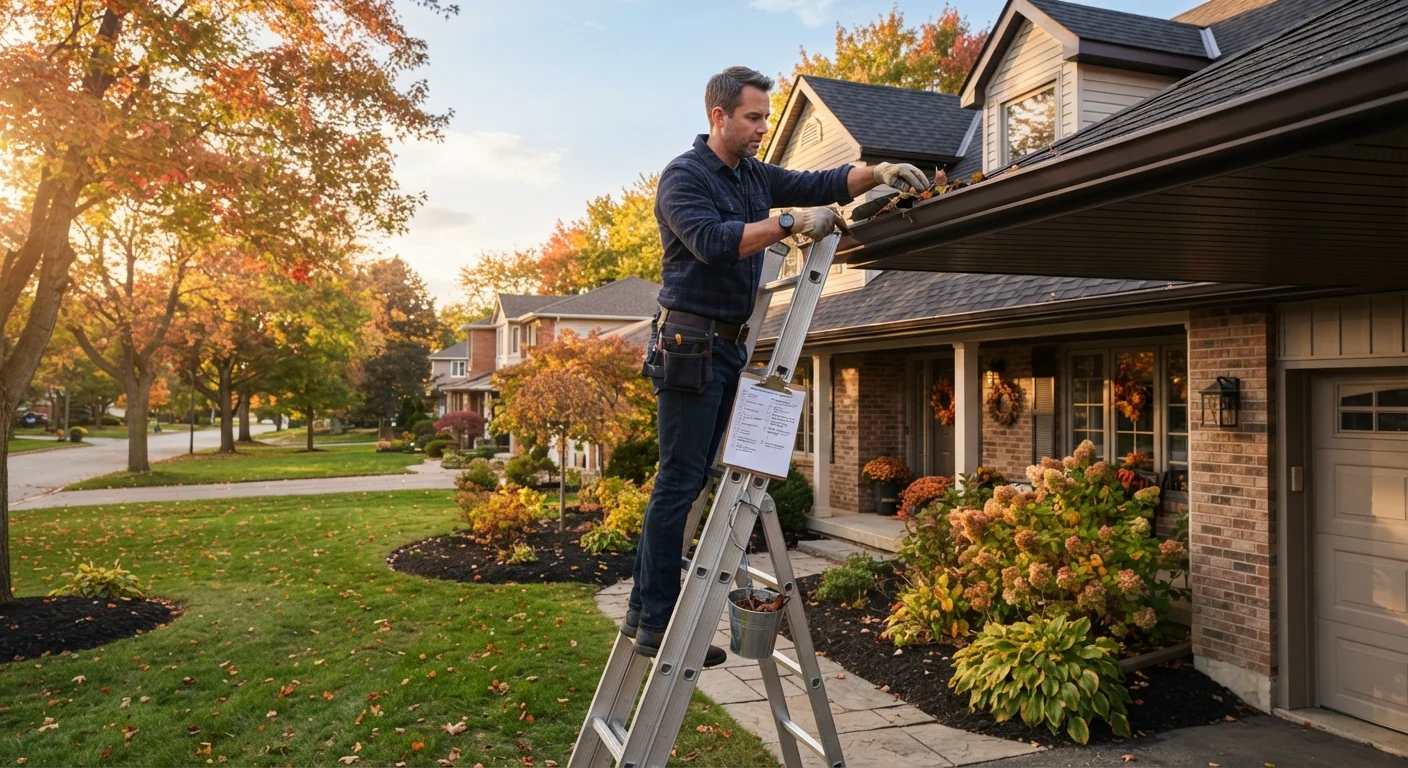
Every point where pipes, conduit, or ductwork exits or enters the home's envelope is a potential entry point for water, pests, and air. Unsealed penetrations undermine both weatherproofing and the performance of all three systems.
Applying a Systems Perspective to Maintenance
Routine maintenance becomes more effective when you account for system interactions rather than treating each in isolation. A few practical approaches:
- Schedule maintenance together where possible. Having an HVAC technician service the system at the same time you inspect plumbing connections in the mechanical room makes it easier to catch interactions you'd miss on separate visits.
- Track symptoms across systems. Keep a simple home maintenance log. If you notice higher-than-usual energy bills alongside a subtle musty smell and a dripping sound, those clues together point toward a potential HVAC condensate or plumbing issue - rather than three unrelated events.
- Follow seasonal patterns. Many system interactions are season-specific. Pipe freezing, condensation on ducts, and heating system strain all peak in winter; HVAC moisture issues and outdoor irrigation demands on plumbing peak in summer. Our season-by-season maintenance checklist is a practical companion for this approach.
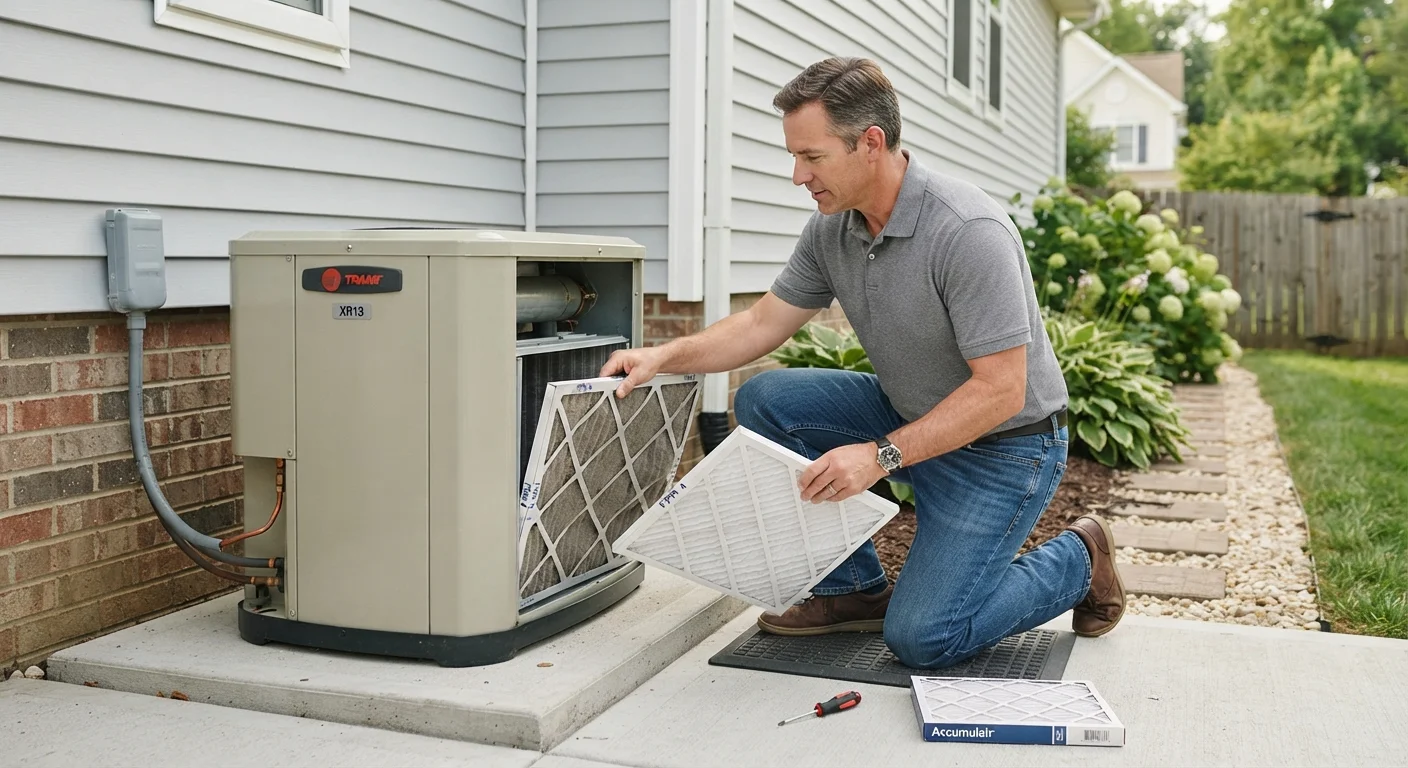
For homeowners comfortable with hands-on upkeep, routine HVAC tasks like filter changes and accessible coil cleaning can be part of a broader maintenance round. See our guide to HVAC maintenance tasks homeowners can safely handle for specifics on what's within reach without a technician.
When to Call a Professional
The interconnected nature of home systems means that some repairs carry compounded risk. Knowing when a situation exceeds DIY scope is as important as knowing what you can handle yourself.
Contact a licensed professional when:
- Any plumbing leak has been in contact with electrical wiring, panels, or outlets - even briefly.
- You suspect a gas leak near HVAC or water heating equipment (leave the home and call your utility provider immediately).
- Work involves opening walls where multiple systems run together, particularly if permits or inspections are likely required.
- An HVAC, plumbing, or electrical repair requires disconnecting or modifying the other systems to complete.
Local building codes frequently require permits for work on electrical, plumbing, and HVAC systems. Requirements vary by municipality, so verify with your local building department before starting any significant repair or modification. Unpermitted work can create liability issues and complications if you sell the home.
Understanding your home as an interconnected system ultimately shifts you from a reactive posture - fixing what breaks - to a more proactive one, where you recognize early warning signs and address root causes. That shift pays dividends in both safety and long-term maintenance costs.