
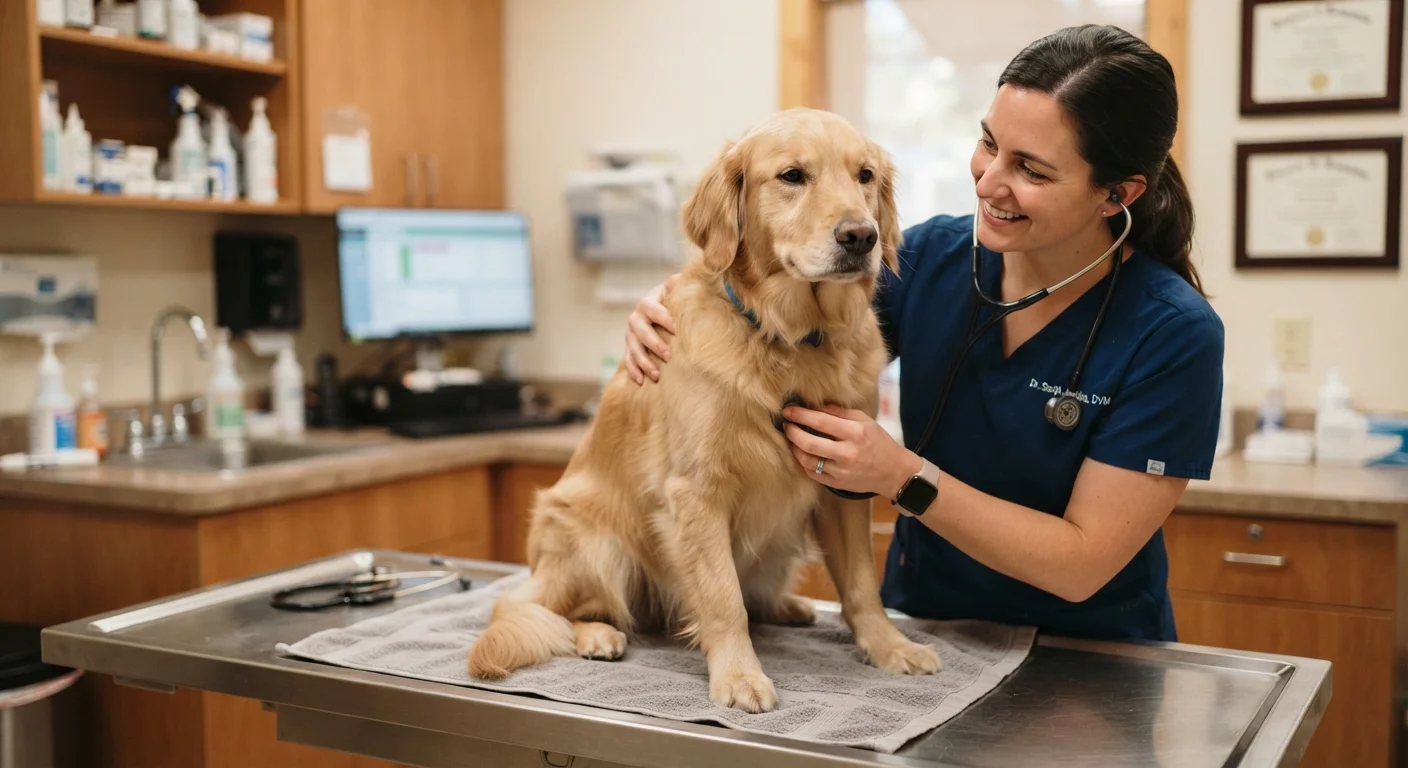
Why Pet Health Myths Persist
Pet ownership advice travels fast - through social media, well-meaning neighbors, and decades of cultural shorthand. The problem is that some of that advice hasn't kept pace with veterinary research. Misconceptions about dog aging, cat nutrition, and dental health aren't just harmless folklore; acting on them can delay care that genuinely matters.
This article examines the myths vets say they hear most often, and replaces them with what the evidence actually supports. For a parallel look at how misinformation shapes behavior in other areas of life, see our piece on nutrition myths most adults still believe.
Myth
One human year equals seven dog years, so a 3-year-old dog is like a 21-year-old person.
Fact
Dog aging is nonlinear. Large breeds age faster than small breeds, and the first year of a dog's life involves dramatically faster biological maturation than the formula suggests.
The 1:7 ratio became popular as a rough rule of thumb, but it doesn't reflect how dogs actually age biologically. Research published in Cell Systems using DNA methylation analysis found that a one-year-old dog has already undergone biological aging comparable to a human in their late thirties. The rate then slows and varies significantly by breed size. A better approach is to ask your veterinarian how your specific dog's age translates to health screening needs.
Myth
A warm or dry nose means a dog is sick; a cold, wet nose means they're healthy.
Fact
Nose temperature and moisture fluctuate throughout the day for many normal reasons, including sleep, activity level, and ambient humidity. Neither state reliably signals illness.
This myth is so widespread that many owners use it as a first-line health check. Veterinarians consistently note that a dog's nose condition alone tells you very little about their health status. Genuine signs of concern include changes in energy, appetite, breathing, or behavior - not nose texture. If you're unsure whether your dog is unwell, a licensed vet is the appropriate resource.
Myth
Raw diets are healthier and more natural for dogs and cats, boosting immunity.
Fact
Raw meat diets carry documented risks of bacterial contamination - including Salmonella and Listeria - that can affect both pets and the people who handle their food.
The American Veterinary Medical Association (AVMA) advises against feeding raw or undercooked animal-source proteins to pets, citing evidence of pathogen transmission. Studies have detected drug-resistant bacteria in commercially prepared raw pet foods. The "natural" framing appeals to many owners, but ancestral diets also came with high parasitic and bacterial burdens. The case for raw feeding is contested among veterinary professionals - see our full breakdown of raw diets for dogs for a balanced look at the evidence.
Myth
Cats can and should drink cow's milk as a treat - it's natural for them.
Fact
Most adult cats are lactose intolerant. Cow's milk commonly causes digestive upset including diarrhea and vomiting.
The image of a cat lapping milk is deeply embedded in popular culture, but it misrepresents feline biology. Kittens produce lactase (the enzyme that digests lactose), but most cats lose significant lactase activity after weaning. Cow's milk has a higher lactose concentration than cat's milk, making it particularly likely to cause gastrointestinal distress. Water is the appropriate primary fluid for adult cats; any supplemental treat should be discussed with a veterinarian.
Myth
A pet's mouth is cleaner than a human's, so licking wounds is harmless or even helpful.
Fact
Pet saliva contains bacteria that can cause infections in open wounds in both animals and humans. Wound licking delays healing and can introduce pathogens.
This belief likely originates from observing animals instinctively groom wounds, combined with early (and misinterpreted) research on saliva. In practice, repeated licking prevents wound closure, introduces oral bacteria, and can lead to serious skin infections called lick granulomas in dogs. For human wounds, contact with pet saliva carries a zoonotic risk - certain bacteria transmissible from animals to humans can cause significant illness, particularly in immunocompromised individuals. Our article on zoonotic diseases and household pets covers this topic in more depth.
Myth
Indoor pets don't need parasite prevention because they're never exposed to fleas or ticks.
Fact
Fleas can enter homes on clothing, shoes, or other animals. Some intestinal parasites are transmitted through environmental contamination that indoor pets can contact.
Veterinary parasitologists note that strictly indoor status does not eliminate parasite exposure. Fleas can hitchhike indoors on people or visiting pets. Certain roundworms pass through contaminated soil tracked in on footwear. Year-round preventive care is generally recommended by the Companion Animal Parasite Council (CAPC) even for pets with limited outdoor access. The appropriate parasite prevention protocol for your specific pet should be determined with your veterinarian.
Myths Rooted in Nutrition and Diet
Feeding decisions are among the most common areas where pet owners encounter conflicting or outdated guidance. The appeal of "natural" diets and the distrust of commercial food have given rise to several persistent myths. Our Pet Nutrition hub offers evidence-grounded guidance on balanced feeding, and our in-depth look at raw diets for dogs examines both proposed benefits and documented risks.
Raw Food Handling Poses Human Health Risks
Handling raw pet food can expose household members - especially children, elderly individuals, and immunocompromised people - to bacteria such as Salmonella and Listeria. The FDA recommends thorough handwashing and disinfection of all surfaces after contact with raw pet food. If you currently feed a raw diet, discuss safe handling protocols with both your veterinarian and your healthcare provider.
Owners who cook for their pets face a related challenge: achieving complete nutrition at home is harder than it appears. The hidden pitfalls of homemade pet diets covers what frequently goes wrong and how to reduce nutritional gaps.
Myths About Routine and Preventive Care
Many owners believe that a visibly healthy pet doesn't need regular veterinary attention. In reality, several significant conditions - including dental disease, early organ dysfunction, and parasites - develop without outward symptoms. Understanding what actually happens during annual vet visits can help owners see these appointments as diagnostic tools, not just vaccination stops.
Skipping preventive steps has real downstream costs. Our article on gaps in pet health routines explains how seemingly minor lapses - delayed dental cleanings, missed boosters - often compound. Dental health deserves particular attention: dental disease can affect a pet's heart and kidneys, yet it remains widely under-treated.
Dental Disease Is a Systemic Health Issue
Untreated periodontal disease doesn't just affect your pet's teeth and gums. Bacteria from infected gum tissue can enter the bloodstream and have been associated with damage to the heart, kidneys, and liver. Regular professional dental cleanings - performed under anesthesia by a veterinarian - and at-home oral hygiene are not optional extras but core components of preventive care.
This article is for general informational purposes only and does not constitute veterinary medical advice. Always consult a licensed veterinarian for guidance specific to your pet's health needs.