When Does a Pet Become 'Senior'?
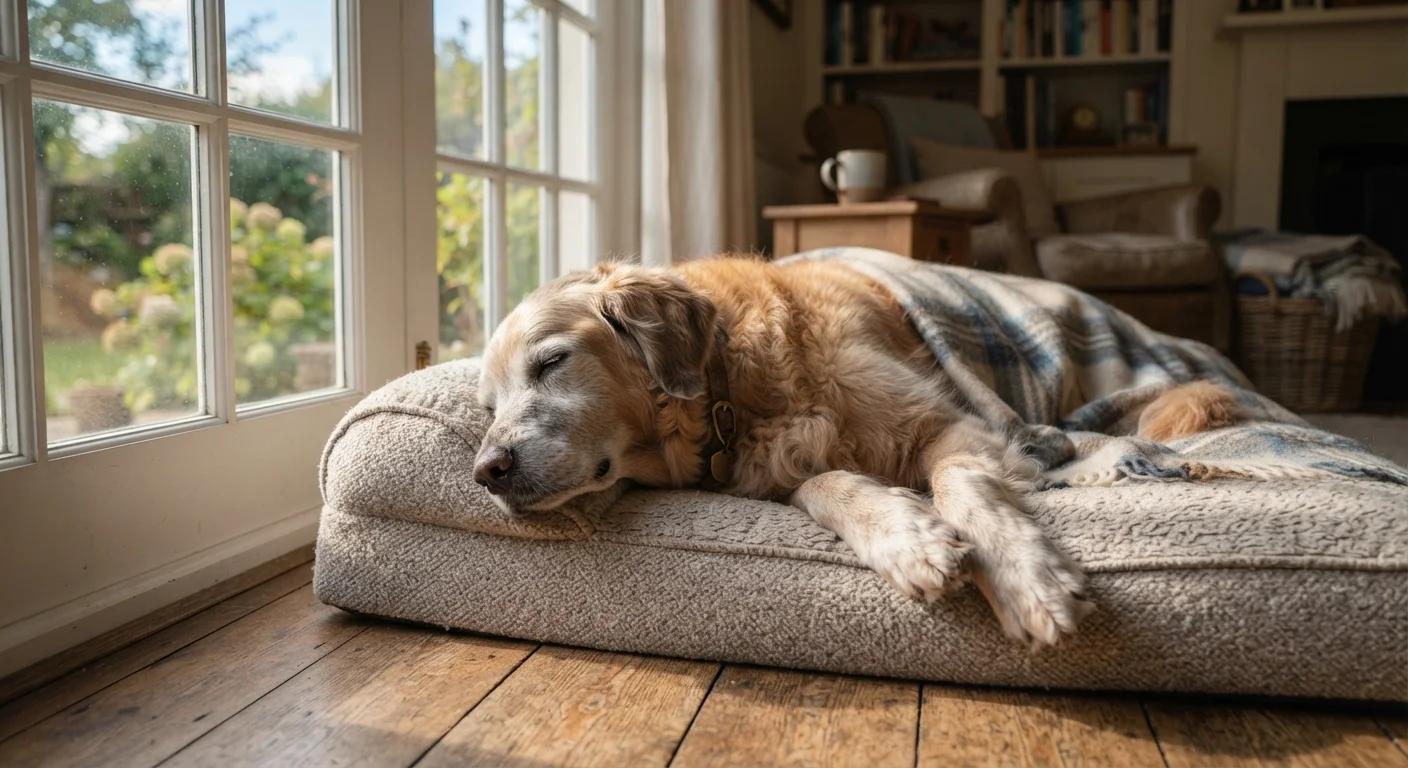
There is no single age that marks the start of a pet's senior years. Veterinary guidelines generally consider large-breed dogs senior around age 7, while small-breed dogs may not reach that threshold until 10 or 11. Cats are typically considered seniors at 11 years, with cats over 15 classified as geriatric by many feline health organizations.
What matters more than a number is recognizing that aging is gradual and individual. Two pets of the same age and breed can have very different health profiles. Rather than waiting for a dramatic change, owners who understand what typically shifts with age are better positioned to catch early signals and work proactively with their veterinarian.
Breed and Species Matter for Aging Timelines
Giant-breed dogs like Great Danes or Saint Bernards are often considered senior as early as age 5-6 due to their shorter average lifespans. Cats, on the other hand, frequently remain active well into their teens. Your veterinarian can advise you on when to shift to a senior health monitoring schedule based on your specific pet's breed, size, and individual health history.
Common Health Changes to Expect
Most aging pets experience some combination of the following changes. Not all are inevitable, and many are manageable with appropriate care:
- Reduced mobility and joint changes: Osteoarthritis is one of the most prevalent conditions in senior dogs and cats. You may notice reluctance to climb stairs, stiffness after rest, or less enthusiasm for play. These signs can be subtle at first - see our guide to recognizing pain cues to understand what to look for.
- Weight changes: Some older pets gain weight as activity decreases; others lose muscle mass (a process called sarcopenia) even if they appear to eat normally. Both patterns warrant a veterinary conversation.
- Sensory decline: Gradual hearing loss and vision changes are common. Pets adapt, but owners should avoid startling them from sleep and maintain predictable household layouts.
- Dental disease progression: Periodontal disease tends to worsen with age and can affect organ health if bacteria enter the bloodstream. Regular at-home and professional dental care remains important throughout a pet's life.
- Cognitive changes: Cognitive Dysfunction Syndrome (CDS) - sometimes called doggy or kitty dementia - affects a meaningful proportion of older pets. Signs include disorientation, disrupted sleep cycles, increased vocalization, and changes in social behavior.
- Organ function shifts: Kidneys, liver, and heart function can change with age. Routine bloodwork helps detect these early, before clinical signs appear.
~80%
Of dogs showing arthritis signs by age 8
According to veterinary orthopedic estimates, the majority of dogs will show some degree of osteoarthritis-related changes by the time they reach senior status.
28%
Of cats over 11 affected by cognitive dysfunction
Research published in veterinary behavioral literature suggests roughly one in four cats over age 11 shows signs consistent with Cognitive Dysfunction Syndrome.
Adjusting Nutrition for an Older Pet
Senior pets often have different caloric and nutrient needs than their younger selves. Some may need fewer calories to maintain a healthy weight; others, particularly those losing muscle, may benefit from higher-quality or increased protein - but the right approach depends on the individual animal and any concurrent health conditions.
Always consult your veterinarian before switching to a senior formula or adding supplements. Our diet completeness checklist is a useful starting point for evaluating whether your pet's current food meets their needs. If a switch is recommended, a gradual transition minimizes digestive upset - see how to transition pet foods safely for a step-by-step approach. For dog owners, feeding your dog through every life stage covers how nutritional priorities shift over a dog's entire lifetime.
Best Practices for Keeping Senior Pets Comfortable
Supportive care at home complements your veterinary team's work and can significantly improve quality of life for aging pets.
Between appointments, structured at-home monitoring helps you track changes over time. Our at-home health check routine provides a practical framework for assessing eyes, coat, teeth, weight, and more on a regular schedule.
This article provides general educational information about senior pet care and is not a substitute for personalized veterinary advice. Always consult a licensed veterinarian regarding your individual pet's health needs.