Why Dental Disease Flies Under the Radar
Unlike a limp or a visible lump, dental disease develops quietly. Pets rarely show obvious pain signals even when their mouths are significantly compromised - an evolutionary adaptation that masks vulnerability. Owners may notice nothing until a tooth is already loose or a veterinarian finds advanced bone loss on X-rays.
This invisibility is compounded by a widespread misconception: that bad breath, yellow teeth, and brown tartar are just part of having a pet. They are not. They are signs of an active disease process that, left unaddressed, becomes harder and more expensive to treat over time. As noted in common veterinary health myths, many owners accept conditions as normal that are actually preventable.
The result is that dental health consistently falls to the bottom of the care priority list - outranked by vaccinations, parasite prevention, and diet - despite being one of the most impactful factors in long-term wellness.
How Oral Disease Progresses
Periodontal disease follows a predictable trajectory. It starts with plaque - a soft bacterial film that forms on tooth surfaces within hours of eating. Without disruption through brushing or chewing, plaque absorbs minerals from saliva and hardens into calculus (tartar) within one to two days. Tartar creates a rough surface that accelerates further bacterial accumulation.
As bacteria colonize beneath the gumline, the immune system mounts an inflammatory response. This inflammation damages the very tissues it is trying to protect - gum tissue recedes, the periodontal ligament weakens, and the surrounding bone resorbs. Teeth become loose, painful, and eventually lost.
80%+
Dogs with periodontal disease by age three
Veterinary dental specialists and organizations including the American Veterinary Medical Association (AVMA) cite this figure as a benchmark for how widespread the condition is.
70%+
Cats affected by dental disease by age three
The American Veterinary Dental College notes that the majority of cats develop some degree of periodontal disease early in adulthood, making it the most common feline health diagnosis.
24-48 hrs
Time for plaque to begin calcifying into tartar
This narrow window underscores why daily brushing is the veterinary standard - less frequent intervention allows tartar to form before plaque can be disrupted.
Beyond the mouth, this chronic infection carries systemic consequences. Bacteria entering the bloodstream through inflamed gum tissue have been associated in veterinary literature with changes in kidney function, liver enzyme elevations, and endocarditis (infection of heart valves). This is why dental disease is no longer viewed as merely a cosmetic issue - it is understood as a source of systemic inflammation that can shorten a pet's life. The relationship mirrors concerns raised about gaps in routine pet health care that quietly compound over time.
What Prevention Actually Requires
Prevention is a two-track effort: what happens at home daily, and what happens at the veterinary clinic periodically.
At-Home Care
Daily toothbrushing with a soft-bristled brush and pet-safe enzymatic toothpaste is the single most effective home intervention. It mechanically disrupts plaque before it mineralizes. Introducing brushing gradually - using positive reinforcement and starting with gum-touching before introducing the brush - improves long-term compliance significantly.
Adjunct tools with veterinary approval include dental chews, water additives, and prescription dental diets. These have supporting evidence for reducing plaque or tartar accumulation but should be understood as complementary, not substitutes for brushing. The Veterinary Oral Health Council (VOHC) provides a list of products that have met their efficacy standards - a useful reference when selecting supplemental aids.
Start Brushing Early - and Go Slowly
Puppies and kittens tolerate toothbrushing introduction far more readily than adult pets with no prior handling. Begin by touching the muzzle and gums daily during play or relaxed moments, then introduce a finger brush before transitioning to a standard brush. Short, positive sessions of 30 to 60 seconds are more effective long-term than infrequent thorough attempts.
Professional Cleanings
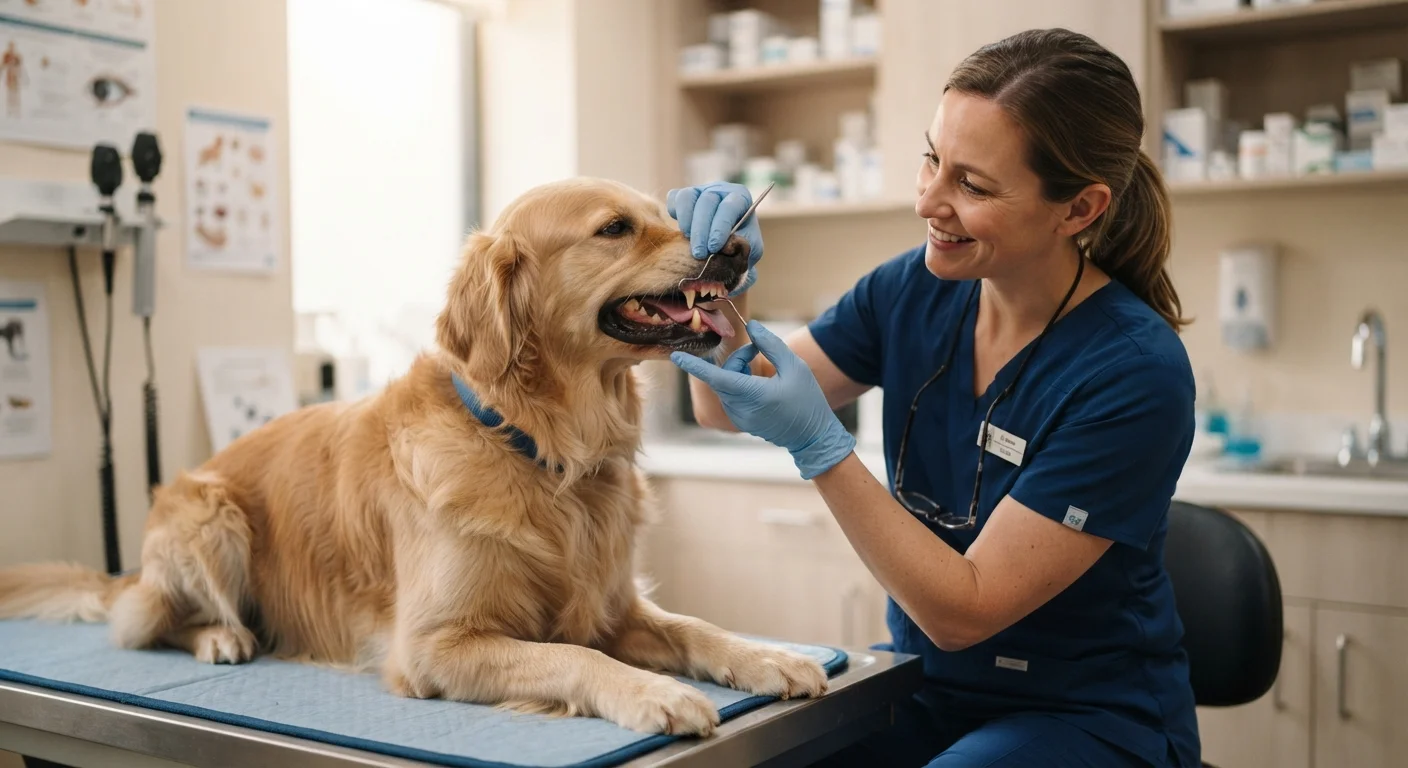
Home care cannot address disease that has already developed below the gumline. Professional cleanings under general anesthesia allow for complete scaling, subgingival probing, dental radiography, and extractions when necessary. Most veterinarians recommend annual cleanings for average-risk pets; some breeds - particularly small dogs - may need them more frequently due to tooth crowding and accelerated tartar accumulation.
Anesthesia-free cleanings, offered by some groomers and non-veterinary providers, do not meet this standard. They address only visible surfaces and cannot diagnose or treat the subgingival disease responsible for most of the damage.
Recognizing Warning Signs at Home
Knowing what to look for between veterinary visits helps owners act earlier. Warning signs that warrant a dental evaluation include:
- Persistent bad breath - beyond mild food-related odor
- Yellow or brown deposits on teeth, especially near the gumline
- Red, swollen, or bleeding gums
- Dropping food, chewing on one side, or reluctance to eat hard food
- Pawing at the mouth or face
- Loose or visibly missing teeth
- Facial swelling, which can indicate a tooth root abscess
Because dental pain often goes behaviorally hidden, even the absence of these signs does not guarantee a healthy mouth. Regular veterinary exams - ideally every six to twelve months - remain essential for early detection. Just as nutrition profoundly shapes overall health (see our guidance on assessing your pet's diet for completeness), so does consistent oral hygiene.
This article provides general educational information about pet dental health and is not a substitute for professional veterinary advice. Always consult a licensed veterinarian for guidance specific to your pet's health needs.