What Is a Raw Diet for Dogs?
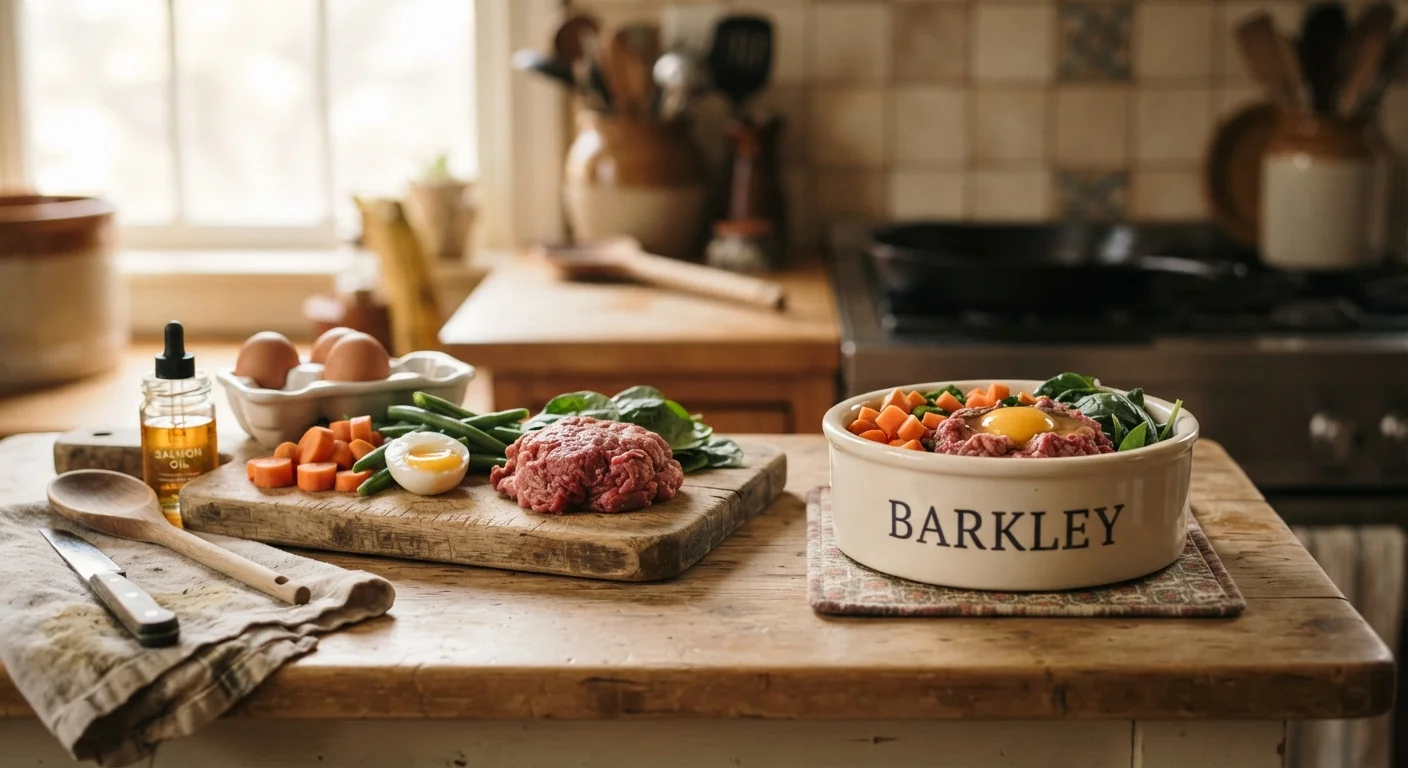
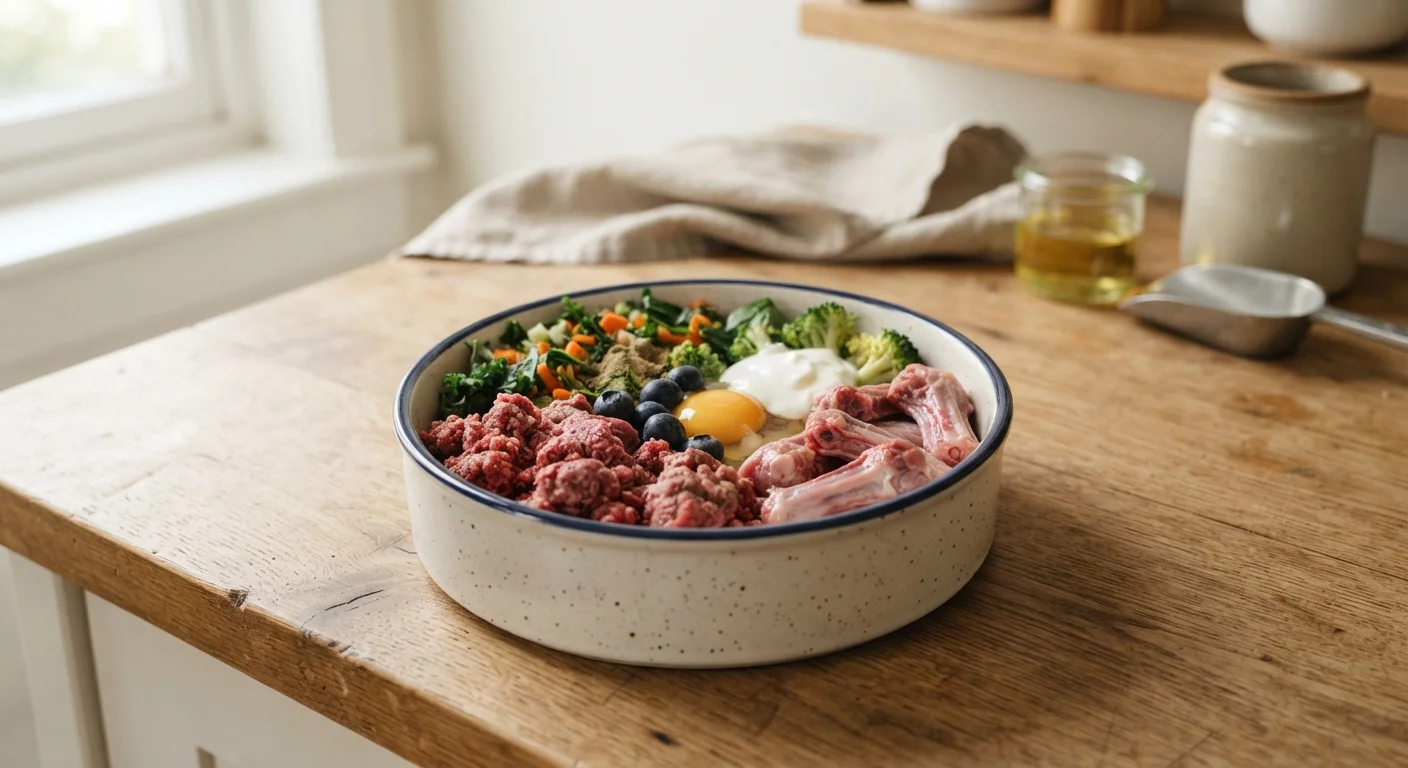
Raw diets - sometimes called BARF (Biologically Appropriate Raw Food) or species-appropriate diets - typically consist of uncooked muscle meat, organ meat, raw meaty bones, eggs, and often some raw fruits and vegetables. Commercially prepared raw foods are also available in frozen or freeze-dried forms. The core premise is that dogs evolved alongside a diet closer to whole prey animals, and cooking degrades nutritional quality.
This is a topic that intersects genuine nutritional science with strong personal conviction, which is why a clear-eyed look at both sides matters. See our guide to homemade pet diet pitfalls for context on how nutrition gaps develop across all non-commercial feeding approaches.
What Proponents Claim
Advocates of raw feeding commonly report a range of improvements in their dogs. The most frequently cited anecdotal benefits include:
Reported improvements in coat shine and skin condition
Many owners report visibly shinier coats after transitioning to raw feeding, often attributed to higher levels of natural fats and the absence of certain processing byproducts. This observation, while common, has not been consistently validated in controlled studies.
Smaller, firmer stools noted by many owners
Because raw meat is highly digestible and lower in fermentable fiber than some commercial foods, dogs on raw diets often produce smaller stool volumes. This is a real physiological outcome, though its health significance is debated.
Enthusiastic palatability and mealtime engagement
Dogs typically find raw meat highly palatable, which can be beneficial for picky eaters or dogs recovering from illness-related appetite loss. This does not by itself indicate nutritional superiority.
Perceived alignment with evolutionary biology
Proponents argue that dogs' digestive anatomy - shorter gut, more acidic stomach - reflects an adaptation to raw animal protein. Veterinary researchers note, however, that domestic dogs have co-evolved with humans for thousands of years and show genetic adaptations to starch digestion.
These observations are real experiences that many owners describe. However, veterinary nutritionists caution that anecdote is not the same as clinical evidence. Coat improvements, for example, could reflect the higher fat content in many raw diets rather than the raw preparation itself. Improved digestion may reflect the removal of certain fillers or allergens rather than the absence of cooking.
What Veterinary Evidence and Organizations Observe
Major professional bodies - including the American Veterinary Medical Association (AVMA), the American Animal Hospital Association (AAHA), and the World Small Animal Veterinary Association (WSAVA) - have issued formal positions discouraging or cautioning against raw meat-based diets. Their concerns are grounded in documented evidence rather than preference.
High risk of bacterial pathogen contamination
Raw meat can harbor Salmonella, Listeria monocytogenes, Campylobacter, and pathogenic E. coli. Multiple peer-reviewed studies have detected these organisms in commercially available raw pet food products, posing risk to dogs and the humans handling the food.
Zoonotic disease transmission to household members
Dogs fed raw diets can shed pathogens in their saliva and feces, creating exposure risks - especially for children under five, elderly adults, pregnant individuals, and anyone with a weakened immune system. The AVMA and CDC have both noted this concern.
Frequent nutritional imbalances in home-prepared recipes
Studies have found that the majority of raw diet recipes - including those widely shared online - are deficient in one or more essential nutrients. Long-term imbalances can cause bone disease, organ damage, and immune dysfunction.
Risk of bone-related injuries
Raw meaty bones carry risks of dental fractures, gastrointestinal obstruction, and internal puncture injuries. These injuries can be serious and require emergency veterinary care, and they are regularly documented in clinical practice.
Parasites may survive in raw meat
Toxoplasma gondii, Neospora caninum, and other parasites have been detected in raw meat intended for pet consumption. Freezing reduces but does not reliably eliminate all parasitic organisms.
Limited high-quality clinical research supporting claimed benefits
Many of the benefits attributed to raw diets rely on owner testimony rather than controlled trials. Randomized, peer-reviewed studies specifically comparing raw and commercial diets in dogs are limited in number and scope.
The AVMA's position specifically cites the risk of Salmonella, Listeria, E. coli, and other pathogens present in raw meat. Published studies have confirmed shedding of these organisms in dogs fed raw diets, creating a potential risk for human household members - particularly children, elderly individuals, and those with compromised immune systems. For a broader look at how veterinary science addresses widespread pet health misconceptions, see common pet health myths vets push back on.
74%
Raw pet food products testing positive for pathogens
A 2018 study published in Vet Record tested 35 commercial raw dog food products and found pathogenic bacteria including Salmonella and Listeria in a significant proportion of samples.
60%+
Home-prepared raw recipes with nutritional deficiencies
Research published in the Journal of Nutritional Science found the majority of home-prepared raw diet recipes evaluated online failed to meet established canine nutritional guidelines.
Nutritional Completeness: The Often-Overlooked Challenge
One of the most significant concerns among veterinary nutritionists is not pathogen risk alone, but nutritional imbalance. Studies evaluating raw diet recipes - both home-prepared and some commercial formulations - have found deficiencies or excesses in key nutrients including calcium, phosphorus, zinc, vitamin D, and iodine.
An incorrect calcium-to-phosphorus ratio, for instance, can lead to skeletal abnormalities, particularly in growing puppies. Nutritional deficiencies that develop gradually may not produce obvious symptoms until significant damage has occurred. This challenge is not unique to raw diets - auditing any diet for completeness is a sound practice for all dog owners.
Puppies, Seniors, and Immunocompromised Dogs
Veterinary organizations specifically flag these groups as higher-risk for raw feeding. Puppies have developing immune systems and are more vulnerable to both nutritional imbalances and pathogen exposure. Senior dogs and those with chronic conditions similarly have reduced physiological resilience. If your dog falls into any of these categories, a conversation with your veterinarian is especially important before considering dietary changes.
If you're evaluating whether your dog needs additional nutritional support alongside any diet, our overview of pet supplements and the evidence behind them may help frame that conversation with your vet.
Making an Informed Decision
If you are seriously considering a raw diet for your dog, the most responsible step is to consult a board-certified veterinary nutritionist (DACVN) rather than relying solely on online communities or generalized recipes. A nutritionist can formulate a diet that meets established nutritional standards and help you implement food safety protocols to reduce - though not eliminate - contamination risk.
For comparison, grain-free diets represent another area where marketing has outpaced evidence, illustrating why critical evaluation of pet nutrition trends is consistently worthwhile.
This article is for general informational and educational purposes only and does not constitute veterinary or medical advice. Always consult a licensed veterinarian or board-certified veterinary nutritionist before making significant changes to your dog's diet.