Why Exterior Lighting Matters
Outdoor lighting does more than illuminate a front door - it shapes how safe, welcoming, and visually cohesive your property feels after dark. A well-planned system discourages unauthorized access by eliminating dark hiding spots, reduces trip-and-fall hazards on steps and pathways, and adds architectural character that carries your home's style to the curb.
Before shopping for fixtures, it helps to think about three overlapping goals: security (visibility and deterrence), safety (preventing accidents), and aesthetics (enhancing appearance). Most homeowners benefit from addressing all three rather than optimizing for just one. A floodlight aimed at a dark corner solves a security problem but can create glare and look out of place if it is the only fixture on the façade.
Because lighting projects can involve electrical work, it is also worth understanding what you are getting into before you start. See our outdoor project planning checklist for a full overview of permits, HOA considerations, and utility locates that may apply.
Low-voltage lighting
A landscape lighting system that runs on 12 volts rather than the standard 120 volts in your home. A plug-in transformer reduces the current, making the system safer and easier for homeowners to install themselves.
GFCI outlet
A Ground Fault Circuit Interrupter outlet that automatically cuts power if it detects a current imbalance, which can occur when electricity contacts water. Required by code for all outdoor electrical outlets.
Lumens
The unit that measures how much light a bulb or fixture actually produces. Higher lumens mean brighter light. Lumens replace the old watt-based brightness comparisons used before LED lighting became standard.
Motion sensor
A device that detects movement within a set range and triggers a light to turn on. Commonly used in security lighting to deter intruders and conserve energy when an area is unoccupied.
Photocell
A light-sensitive sensor that automatically switches a fixture on at dusk and off at dawn. Often built into post lights or wall sconces intended to run all night.
Wet vs. damp location rating
Fixture ratings that indicate how much moisture exposure a light can safely handle. Wet-rated fixtures can be exposed to direct rain; damp-rated ones are suitable for covered areas like porches but not direct weather exposure.
Key Fixture Types and Where to Use Them
Choosing the right fixture for each location is the foundation of a coherent lighting plan. The most common exterior fixture categories are:
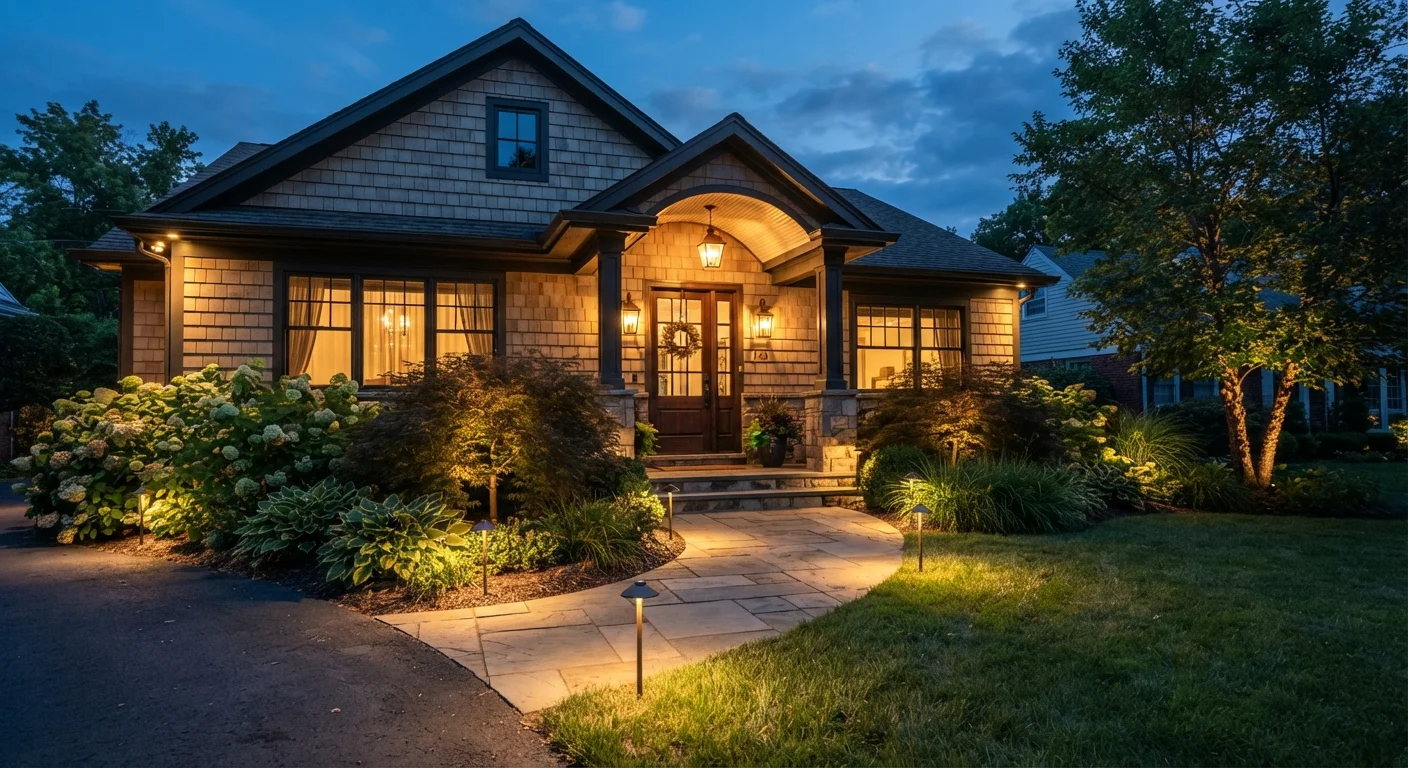
- Wall sconces and lanterns: Mounted beside doors, garages, and gates. These anchor the look of an entryway and provide soft, broad illumination for identifying visitors.
- Pathway and step lights: Low-profile fixtures installed along walkways, garden borders, and stairs. They guide foot traffic safely and add a layered, dimensional look to landscaping.
- Floodlights and security lights: Wide-beam, high-lumen fixtures aimed at driveways, backyards, or dark side yards. Often paired with motion sensors.
- Spotlights and uplights: Narrow, directional fixtures used to highlight trees, architectural features, or signage. They add drama and depth to landscaping at night.
- String and festoon lights: Decorative options suitable for patios and outdoor entertaining areas. Not a substitute for safety lighting, but effective for ambiance.
- Post lights: Freestanding fixtures mounted on poles, commonly used at driveways and property perimeters to mark boundaries and improve visibility from the street.
Each fixture type comes in corded, low-voltage landscape, solar, and hardwired configurations. Your choice of power source will significantly influence installation complexity and long-term reliability.
Placement Principles for Safety and Aesthetics
Where you place fixtures matters as much as which fixtures you choose. Follow these placement principles to cover the most important zones effectively:
- All entry points: Every door - front, back, and side - should have at least one fixture mounted at eye level (roughly 66 to 72 inches above the threshold). This illuminates faces and hands, reducing security risk and making key entry easier.
- Stairways and grade changes: Any step or elevation change in a path needs dedicated lighting. Step lights recessed into risers or low bollards beside stairs prevent missteps without creating glare.
- Driveways and garages: A combination of overhead motion-activated floodlights and low pathway lights along the drive edge provides both security coverage and visual guidance when pulling in at night.
- Dark corners and side yards: These are the highest-risk areas for unauthorized access and also common trip hazards. Motion-activated fixtures here activate only when needed, which is both efficient and attention-getting.
- Landscape focal points: Uplighting a mature tree or architectural detail adds visual interest without requiring high lumen output - use restraint to avoid over-lighting.
Walk Your Property at Night First
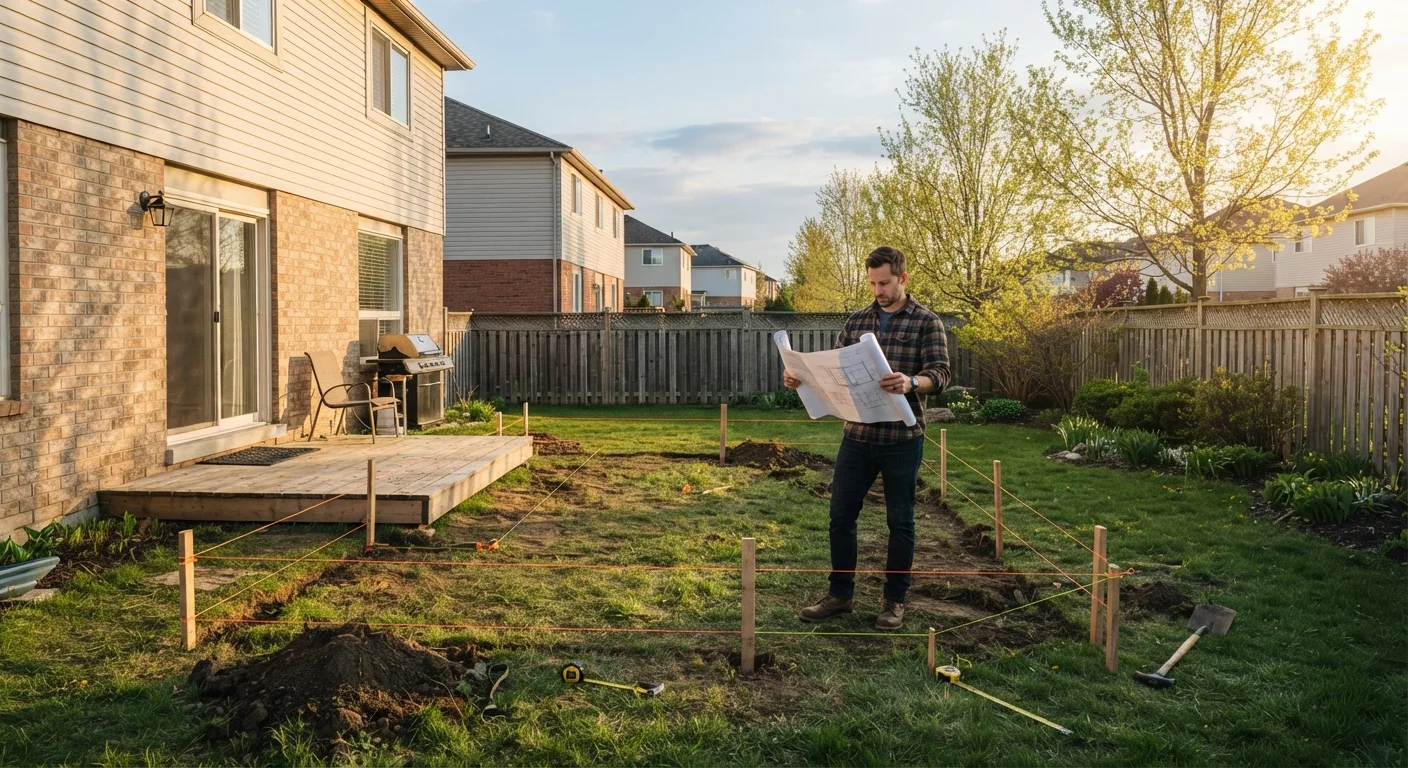
Before purchasing any fixtures, walk your entire property after dark with a notepad. Identify spots where you feel uncertain about footing, areas that feel visually exposed, and any existing fixtures that are poorly aimed or blocked by plants. This real-world audit is more useful than any floor-plan sketch made in daylight.
Sketch your property footprint and walk it at night before buying anything. Note where you feel uncertain or where you have tripped before - those spots reveal your real priorities. Also consider sight lines from the street, since symmetrical placement of wall sconces and post lights tends to look most polished from the curb.
Wiring Options and When to Call a Professional
Exterior lighting systems fall into three broad wiring categories, each with different skill requirements:
- Solar-powered fixtures
- Self-contained units that charge during daylight and run from an internal battery. No wiring required. Best for supplemental pathway and accent lighting in sunny locations. Performance degrades in shaded areas or extended cloudy periods.
- Low-voltage landscape systems (12V)
- A transformer plugs into a standard outdoor GFCI outlet and steps household current down to 12 volts, which powers a run of landscape fixtures connected by simple cable. Widely considered safe for careful DIYers to install. The transformer itself must plug into a code-compliant, weatherproof GFCI outlet.
- Hardwired 120V circuits
- Full-voltage circuits run from your electrical panel to outdoor junction boxes and fixtures. This approach supports higher-output fixtures and is the most reliable long-term option, but running new circuits, adding outdoor outlets, or modifying your panel almost always requires a licensed electrician and a permit in most U.S. jurisdictions.
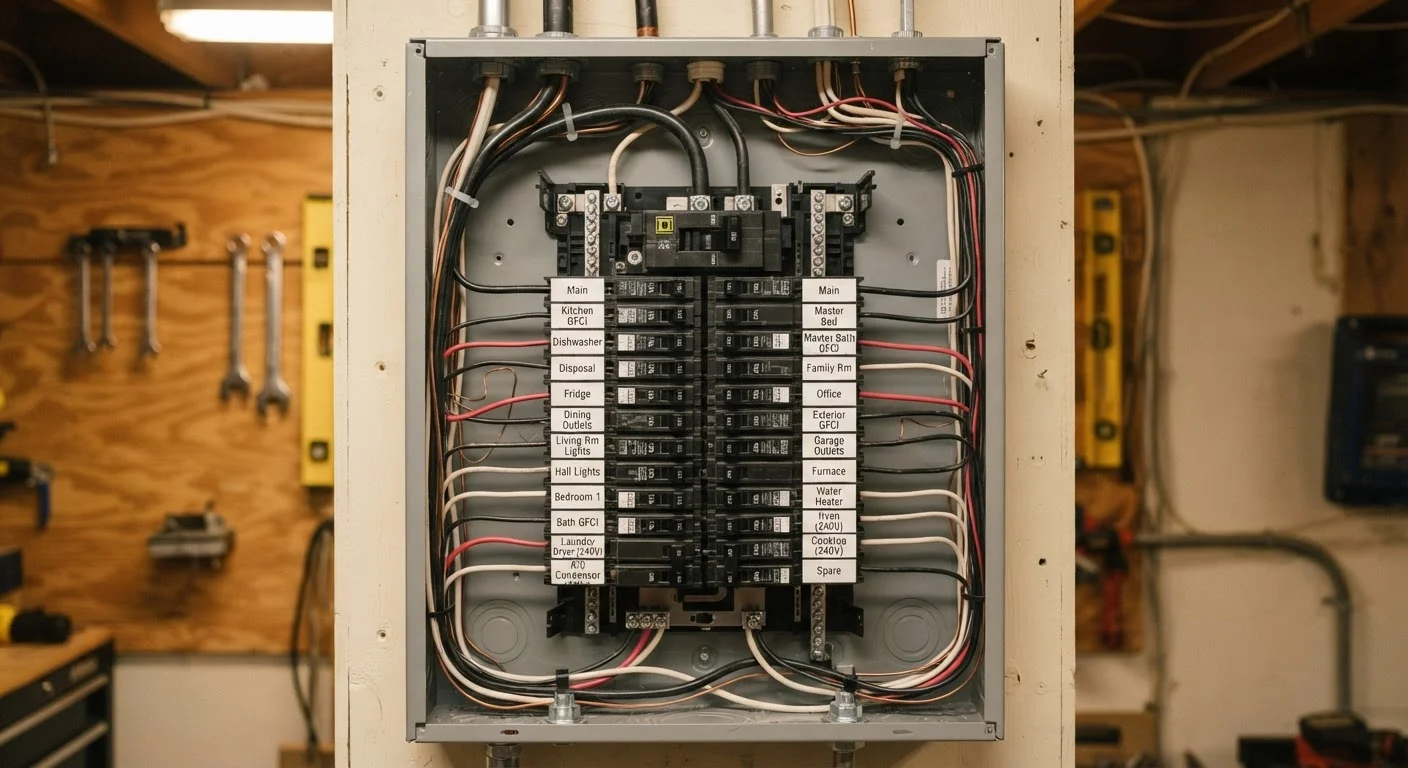
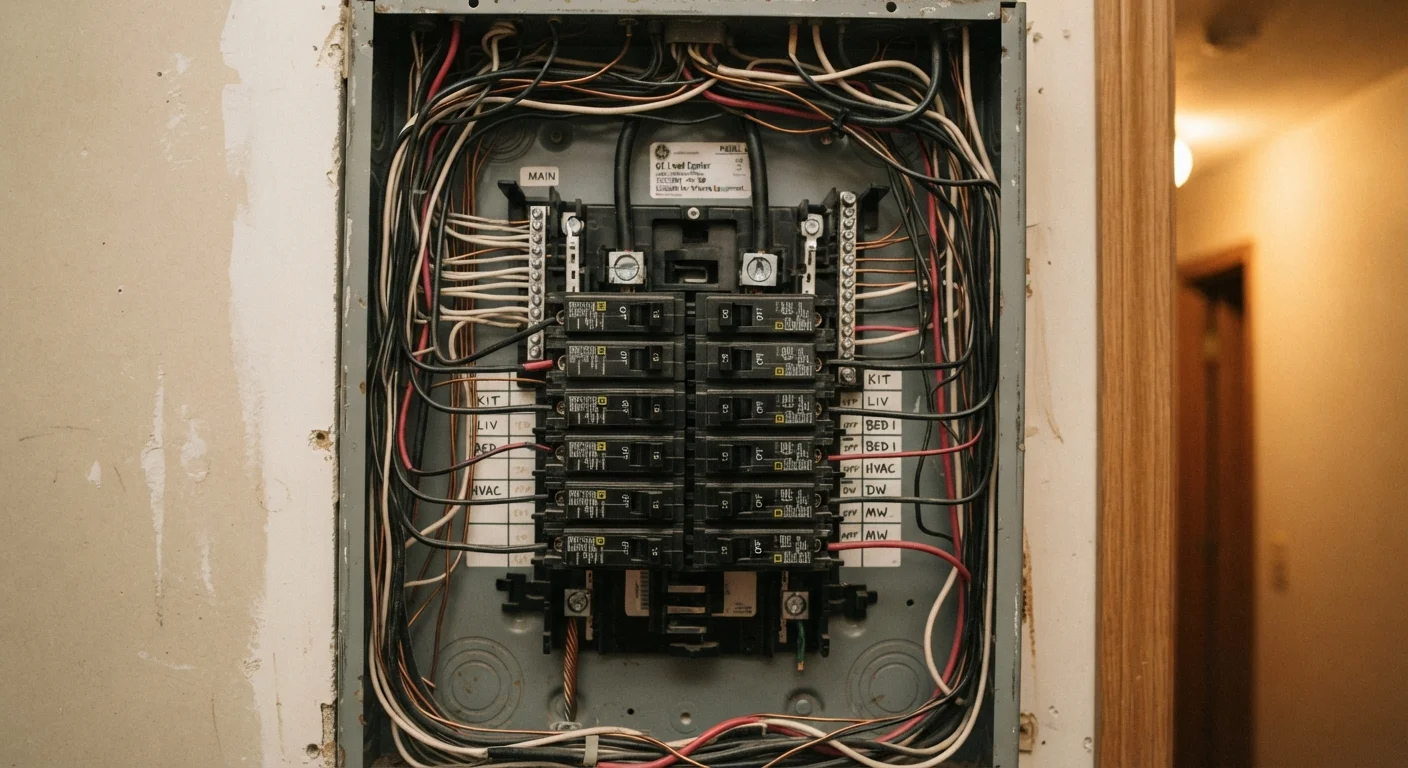
If you are uncertain about your panel's capacity or the condition of existing outdoor circuits, review our guide to electrical panels before proceeding. And for a grounding in common misconceptions about home wiring, see common electrical myths.
Hardwired Outdoor Work Requires a Licensed Electrician
Running new 120V circuits outdoors, adding or relocating outdoor outlets, and making any connections at your electrical panel are tasks that typically require a licensed electrician and a permit in most U.S. jurisdictions. Improperly installed outdoor wiring is a leading cause of electrical fires and shock hazards. Do not attempt this work without verifying your local code requirements first.
Controls, Efficiency, and Ongoing Maintenance
Even a well-placed system wastes energy and loses effectiveness if it runs on a poor schedule. Three control strategies help:
- Motion sensors: Ideal for security zones. Lights activate only when movement is detected, which saves energy and draws attention to activity. Adjust sensitivity and range to minimize false triggers from animals or passing cars.
- Photocells (dusk-to-dawn sensors): Automatically turn lights on at sunset and off at sunrise. Useful for always-on fixtures like front-door sconces and post lights, eliminating the need to set a timer manually.
- Timers and smart controls: Programmable timers or app-connected smart switches allow custom schedules and remote control. Some integrate with home automation systems for scene-based lighting that changes with season or occupancy.
LED bulbs are the current standard for exterior use: they consume significantly less energy than incandescent alternatives, handle temperature swings well, and have long rated lifespans that reduce bulb-change frequency. Look for fixtures and bulbs rated for wet or damp locations depending on their exposure.
Maintenance is straightforward but easy to overlook. Clean fixture lenses seasonally to restore output, check gaskets and seals for weathering, and confirm that motion sensor ranges have not shifted. Incorporate these checks into your regular exterior upkeep - our seasonal exterior maintenance checklist is a practical place to track them alongside gutter, siding, and driveway inspections.