More Than Aesthetics: What Curb Appeal Really Covers
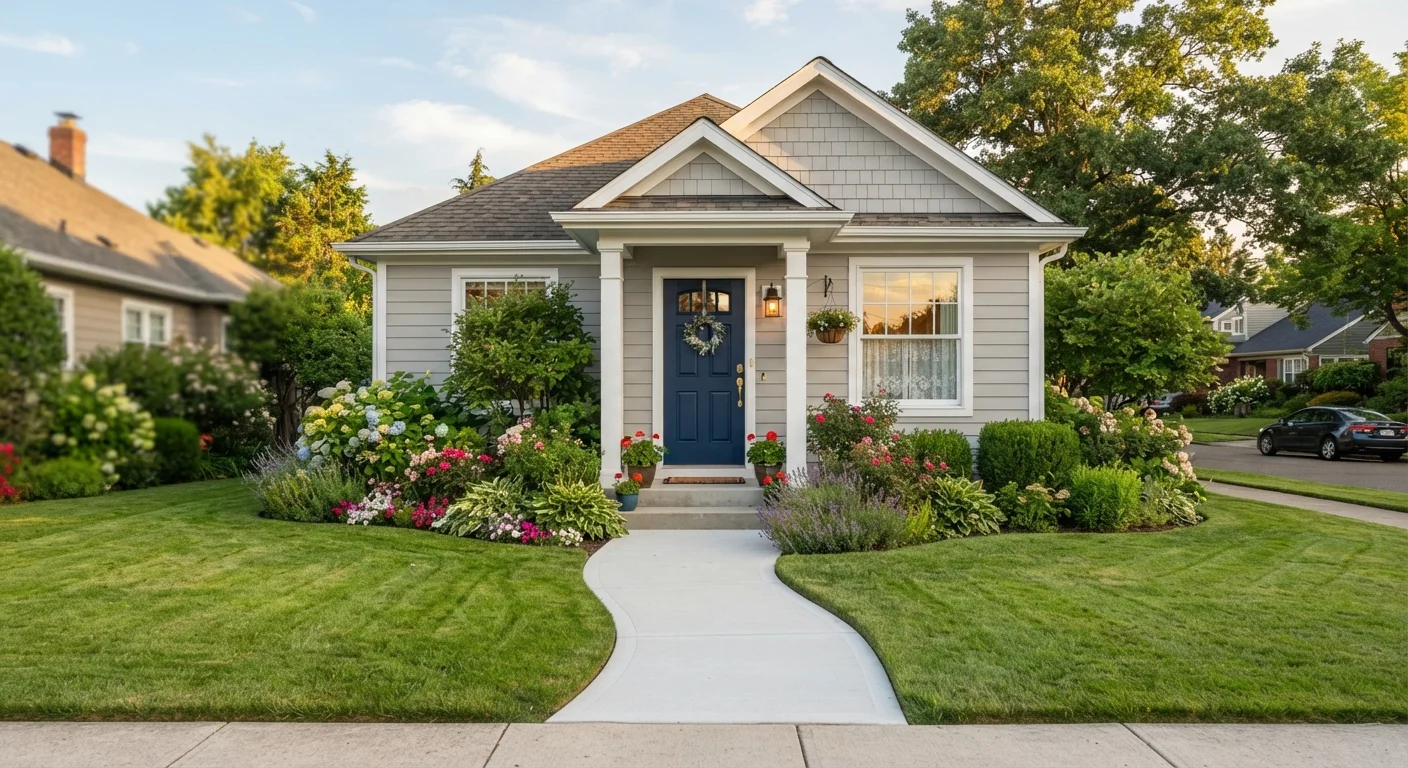
The phrase "curb appeal" gets used casually, but it carries real weight in real estate and home maintenance. At its core, curb appeal is everything a person observes about your property before crossing the threshold - the lawn's condition, the state of the siding, the front door's appearance, the cleanliness of the driveway, and how the landscaping frames the structure.
What makes curb appeal more than skin-deep is what it communicates. A well-kept exterior signals attentive ownership. Peeling paint, cracked walkways, or overgrown hedges suggest the opposite - and in the minds of buyers and appraisers, visible neglect raises questions about what might be wrong inside as well.
This matters whether you plan to sell or not. Your home's exterior is also its first line of defense against weather, pests, and moisture. Maintaining it protects both appearance and structure - two things that are more interconnected than they might seem. For a broader look at how your home's systems relate to each other, see our article on understanding your home as an interconnected system.
7%
Potential home value boost from landscaping improvements
According to research cited by the American Society of Landscape Architects, quality landscaping can add meaningful value relative to comparable homes without it.
94%
Of real estate agents recommend improving curb appeal before listing
A National Association of Realtors survey found that the vast majority of agents consider exterior presentation a high-priority factor before a home goes to market.
~$2,000
Typical cost of common curb appeal improvements
General industry estimates suggest that basic exterior refreshes - door paint, lawn care, pressure washing, and simple plantings - often cost well under $2,000 for most properties.
The Connection Between Exterior Upkeep and Perceived Value
Curb appeal influences two distinct but related types of value: perceived value and appraised value. Perceived value is the emotional and psychological impression a home makes - on a buyer walking past, a neighbor, or anyone forming an opinion about the property. Appraised value is more formal: licensed appraisers assess exterior condition as part of their written property valuation.
Both matter. A buyer who forms a negative first impression from the street may never schedule a showing, regardless of how impressive the interior is. An appraiser who notes poor exterior condition - deteriorating siding, an unkempt lawn, damaged gutters - may record that in a way that affects the final number.
The good news is that the most impactful curb appeal improvements are often the most accessible: a freshly painted front door, a mowed and edged lawn, clean window trim, and tidy plantings near the entrance. These changes require modest investment but shift perception meaningfully.
Practical Priorities: Where to Focus Your Effort
Not all exterior elements contribute equally to curb appeal. Prioritizing by visibility and impact helps homeowners spend time and money wisely.
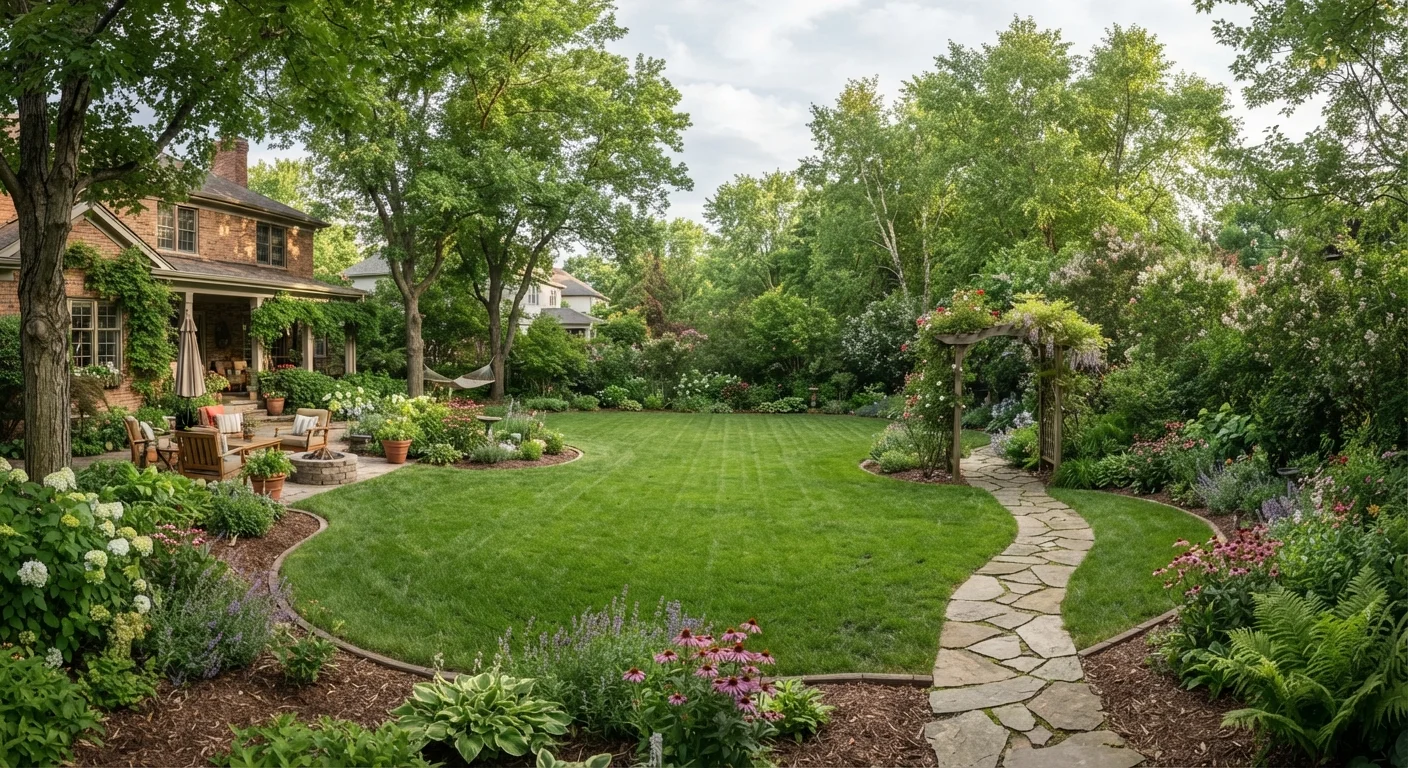
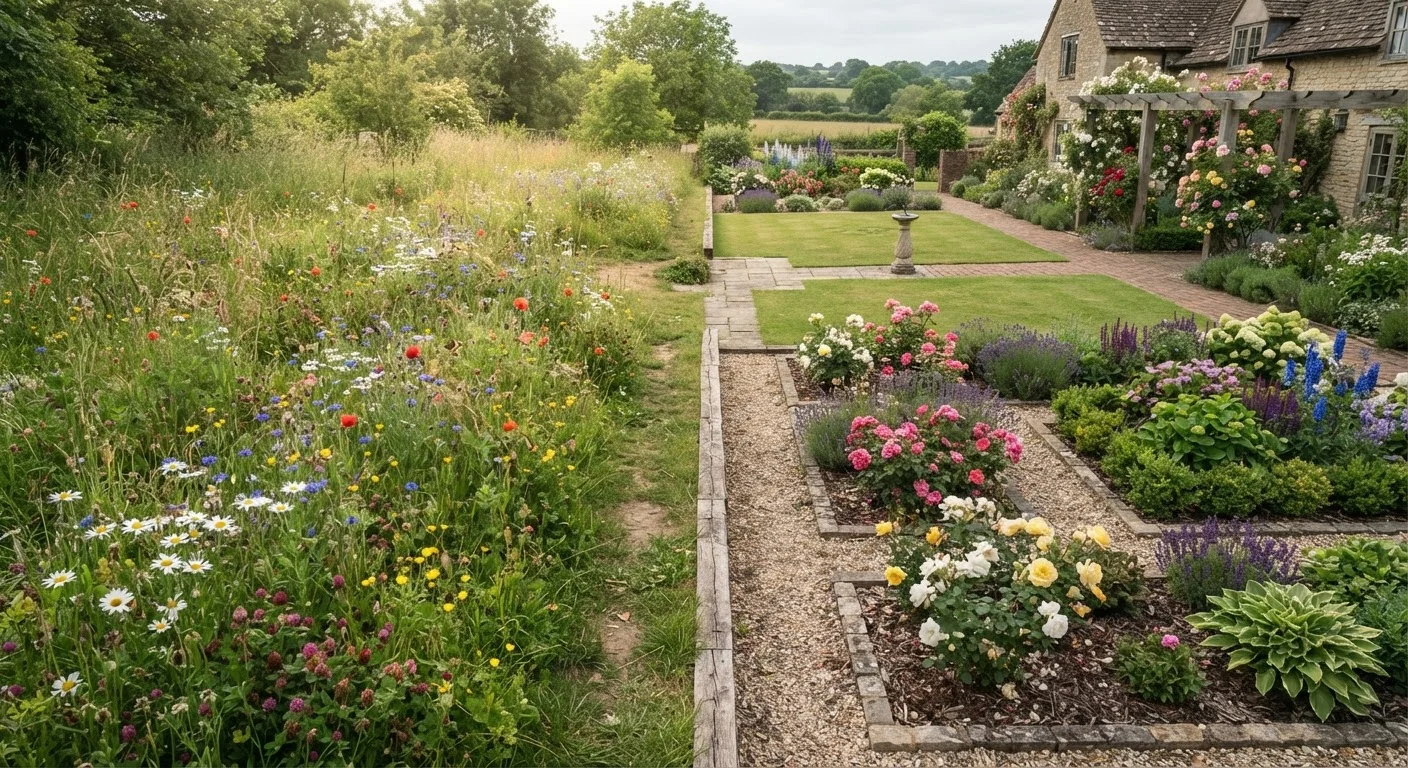
- Lawn and landscaping: The lawn is one of the largest visible surfaces. Regular mowing, edging, and weed control form the baseline. Plant choices also matter - native plants versus ornamental cultivars each carry trade-offs in maintenance, cost, and visual effect.
- Front door and entryway: The front door draws the eye. Repainting it in a complementary color, ensuring hardware is clean and functional, and keeping the entryway clear of clutter all contribute significantly.
- Siding and paint: Peeling, fading, or stained siding is one of the most noticeable signs of deferred maintenance. Pressure washing can restore appearance without repainting in many cases.
- Roof and gutters: Visible from the street, a clean roofline and clear gutters indicate ongoing care. Clogged or sagging gutters are a common curb appeal detractor that also signals potential water damage risk.
- Driveway and walkways: Cracked concrete or oil-stained asphalt attracts attention for the wrong reasons. Sealing, patching, or thorough cleaning can restore a tidy appearance.
A seasonal audit helps you stay ahead of these items. Our seasonal exterior home maintenance checklist walks through what to inspect each time of year.
Start With a Walk-Around Assessment
Before spending money on curb appeal improvements, walk to the street and look at your home as a stranger would. Take photos from multiple angles. This outside perspective often reveals issues - peeling trim, uneven hedges, a faded house number - that become invisible when you see your home every day. Address what stands out most first.