Understanding the Difference: Natives vs. Cultivars
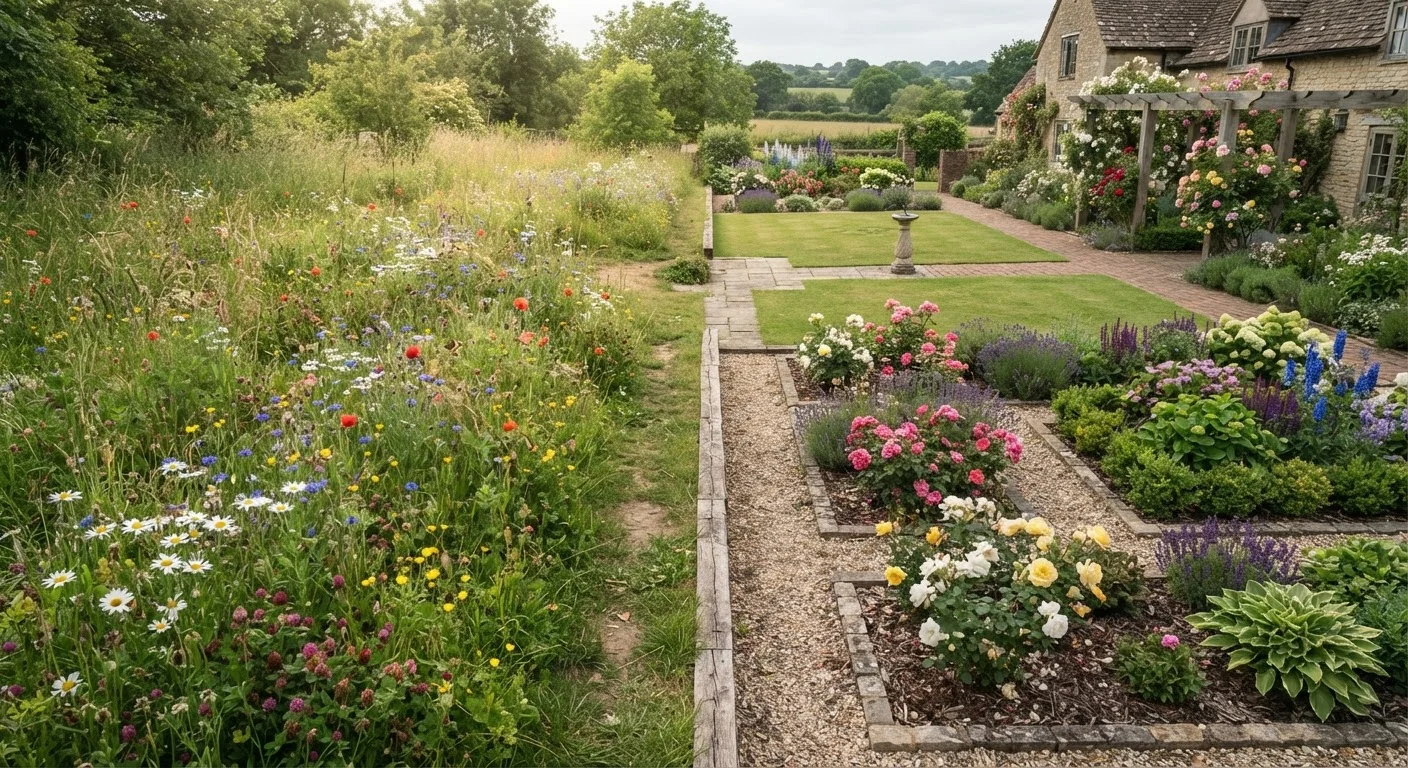
A native plant is one that occurred naturally in a specific region before European settlement - shaped over thousands of years by local soils, rainfall patterns, and wildlife interactions. A cultivar (short for "cultivated variety") is a plant that has been selectively bred or hybridized, often to enhance flower color, double blooms, compact size, or disease resistance. Many cultivars are derived from native species but have been altered enough that their ecological function differs from the original.
This distinction matters because a plant's origin shapes nearly everything about how it performs in your yard - from drought tolerance and pest resistance to whether local pollinators can use it effectively. Understanding this foundation helps you move past marketing language and make selections grounded in how your garden will actually function season to season.
For a broader look at how plant selection fits into your overall landscape design, see how hardscaping and softscaping work together in a cohesive yard plan.
The Case for Native Plants
Natives earn their reputation for resilience because they evolved alongside local climate patterns and soils. Once established - typically after one to two growing seasons - many natives require minimal supplemental watering, little to no fertilizer, and reduced pest management compared to exotics or heavily bred cultivars.
Lower water needs after establishment
Native plants evolved with local rainfall patterns and typically need little to no supplemental irrigation once their root systems are established, usually within one to two seasons.
Reduced fertilizer and pesticide requirements
Because natives are adapted to local soils, they generally thrive without soil amendments, and their natural pest defenses reduce the need for chemical interventions.
Strong support for local wildlife and pollinators
Native plants have co-evolved with local insects, birds, and other wildlife, making them far more ecologically valuable than most ornamental alternatives in supporting food webs.
Deep root systems improve soil health and drainage
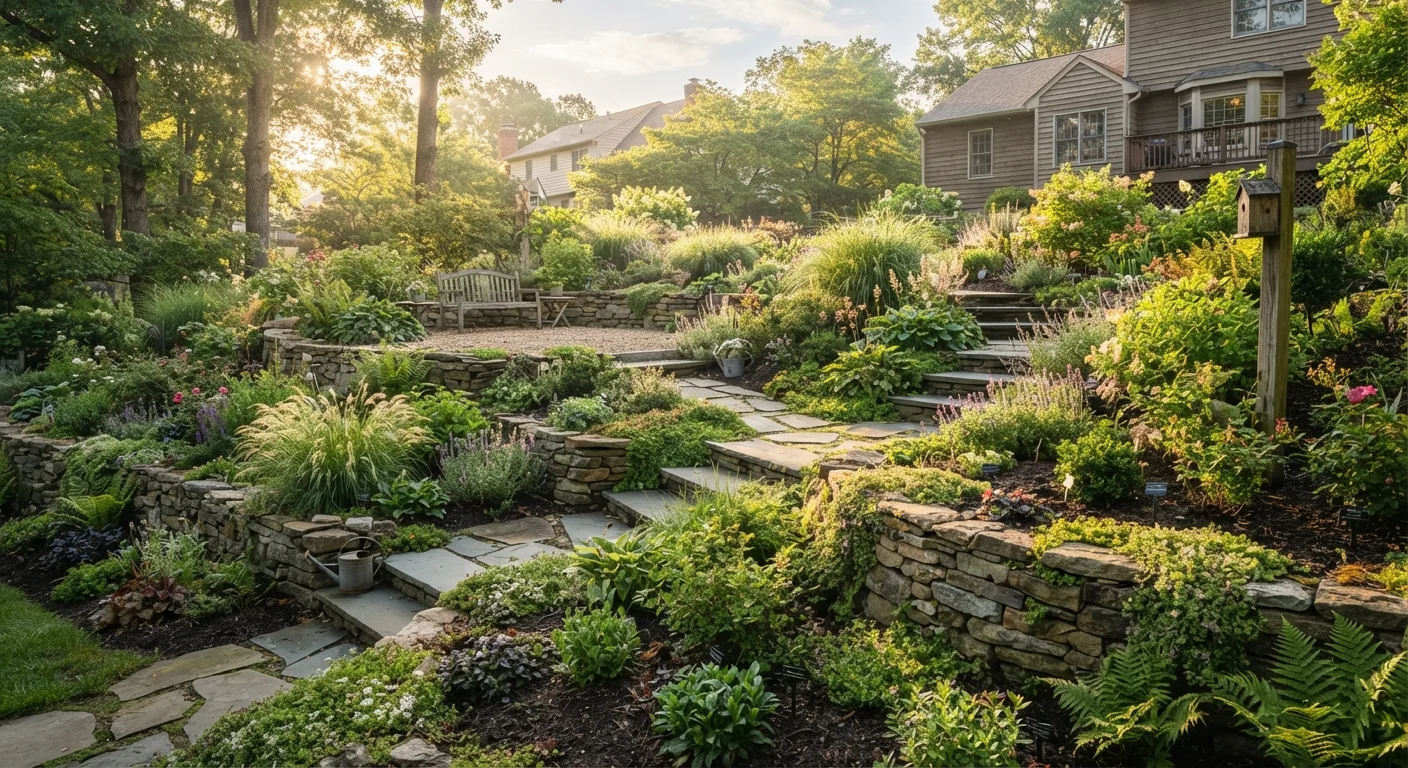
Many native perennials and grasses develop extensive root structures that aerate compacted soil, improve water infiltration, and help stabilize slopes prone to erosion.
Long-term cost savings on maintenance
Lower water bills, reduced fertilizer purchases, and fewer pest treatments add up over time, making a native-anchored garden less expensive to sustain year after year.
Beyond low-input maintenance, natives support local food webs in ways ornamental cultivars often cannot. Research from institutions such as the University of Delaware has shown that native oak species, for example, support hundreds of caterpillar species that feed nesting birds - a function exotic trees rarely replicate. If attracting pollinators, songbirds, or beneficial insects is a goal, a planting plan anchored in regionally appropriate natives offers a meaningful advantage.
Natives also tend to perform well on slopes and in erosion-prone areas because their deep root systems stabilize soil. Learn more about plant selection for challenging terrain in our guide to landscaping on a slope.
The Case for Ornamental Cultivars
Ornamental cultivars give gardeners control over aesthetics that native species sometimes cannot match. Extended bloom times, unusual foliage colors, compact forms suited to small spaces, and disease-resistant selections are legitimate reasons homeowners reach for cultivars - especially in formal or highly designed landscapes.
Limited aesthetic control with strict native planting
Native plant palettes vary by region and may not offer the specific colors, bloom times, or compact forms that fit every homeowner's design vision, particularly in formal gardens.
Many cultivars require more water and inputs
Heavily bred ornamental cultivars often lack the drought tolerance of their wild relatives and may need regular fertilization, watering, and soil amendment to perform as advertised.
Reduced wildlife value in altered cultivars
Double-flowered or heavily modified cultivars frequently block pollinator access to nectar and pollen, diminishing their usefulness to bees, butterflies, and other beneficial insects.
Some cultivars may spread unpredictably
Certain ornamental cultivars - particularly non-native ones - can escape garden boundaries and establish themselves in natural areas, where they may outcompete local plants.
Native plants can look informal or untidy
In neighborhoods with strict HOA standards or conventional landscaping expectations, the naturalistic appearance of native plantings may require careful design to avoid appearing neglected.
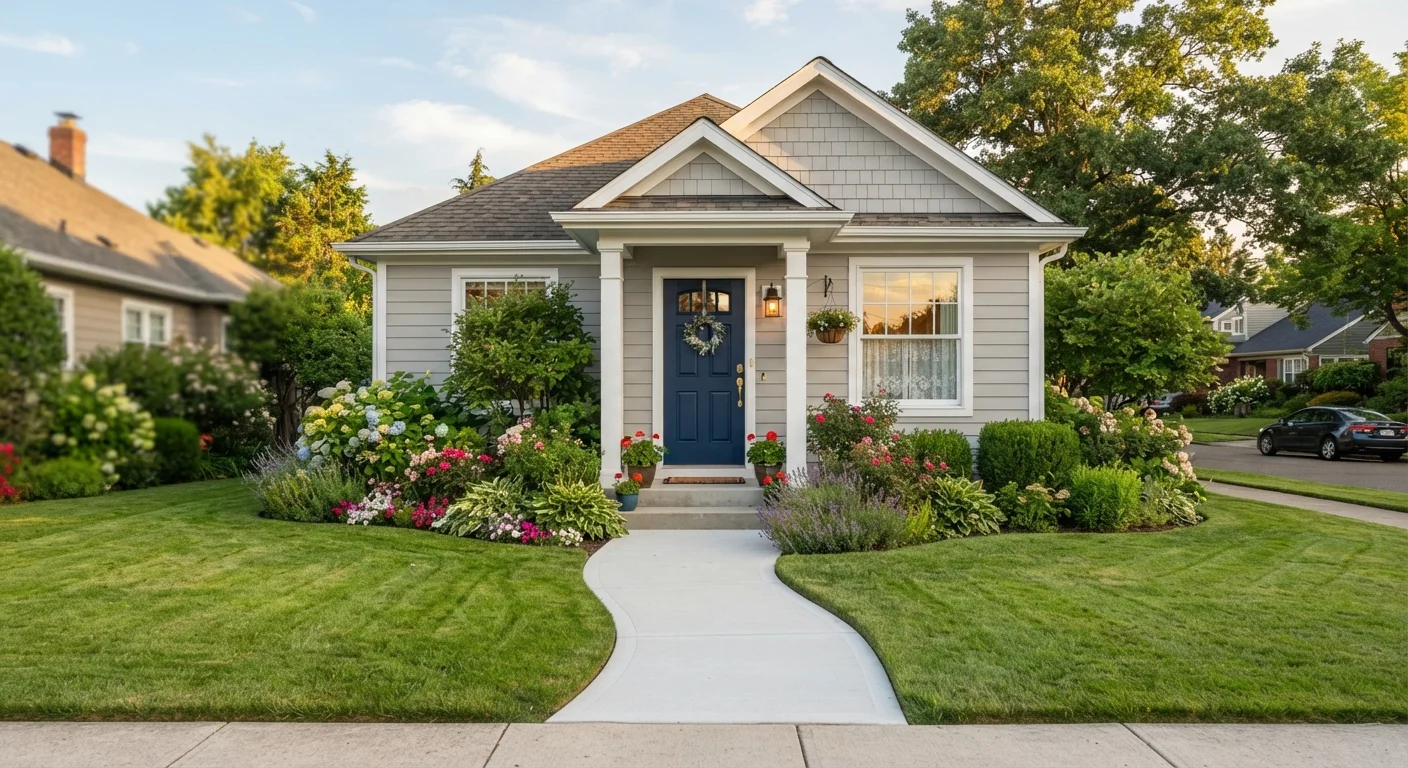
Cultivars can also fill visual gaps in seasons when natives go dormant or look unkempt, maintaining curb appeal year-round. If you're weighing how plant choices affect perceived home value, our article on curb appeal and home value covers what exterior presentation actually signals to buyers and neighbors.
That said, cultivars are not a wholesale substitute for ecological function. Many double-flowered cultivars, for instance, have blooms so densely packed that pollinators cannot access the nectar or pollen. Selecting cultivars selectively - rather than as the default - helps avoid quietly undermining garden biodiversity without realizing it.
Building a Garden That Uses Both Wisely
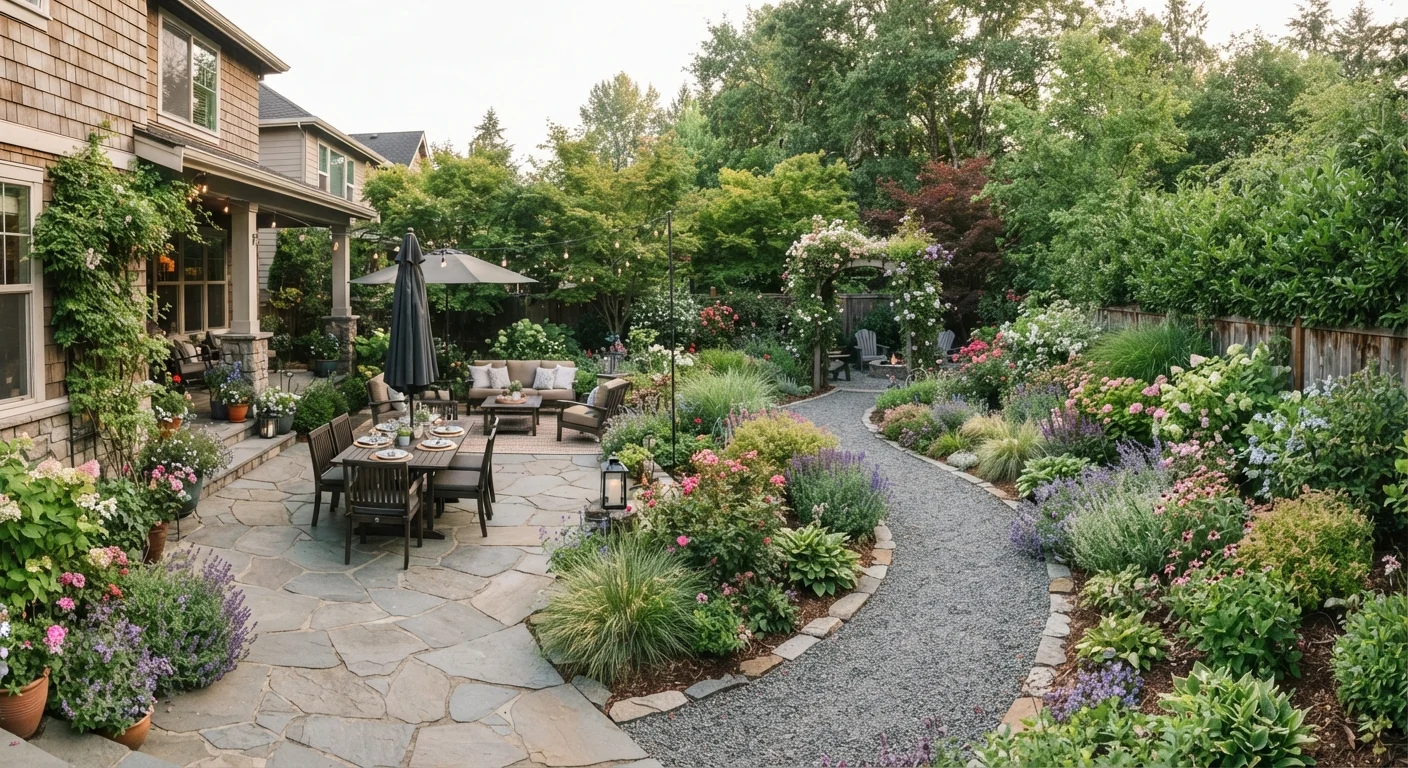
The most practical home gardens treat natives as the structural backbone and cultivars as deliberate accents. Start by identifying plants native to your specific region - your local cooperative extension office is a reliable, free resource for regionally vetted plant lists. Anchor beds, borders, and screens with these selections, then layer in cultivars where a specific color, texture, or seasonal interest genuinely adds value.
70%
Reduction in landscape water use with native plants
The EPA's WaterSense program estimates that switching to climate-appropriate, native-focused landscaping can reduce outdoor water use by up to 50-70% compared to conventional plantings.
29%
Decline in North American bird populations since 1970
Cornell Lab of Ornithology research published in Science (2019) documented a net loss of roughly 3 billion birds, underlining the ecological stakes of landscape plant choices.
35%
Of US land covered by conventional turf grass
Estimates from NASA-supported research suggest turf grass is one of the most irrigated crops in the United States, highlighting the water savings potential of replacing portions with natives.
When planning privacy screens or hedges, prioritize native shrubs and small trees first; they tend to provide faster establishment with less irrigation than exotic alternatives. Our guide to planting for privacy with shrubs and hedges includes regional considerations worth reviewing before you invest in screening plants.
Water management is another factor that often separates successful plantings from struggling ones. Natives generally do well with passive rainfall once established, but mixed plantings that include thirstier cultivars may benefit from targeted irrigation. See how drip irrigation compares to sprinkler systems for water efficiency across different plant types. Pairing the right ground cover - explored in our mulch vs. gravel guide - can also reduce moisture loss and improve outcomes for both natives and cultivars alike.