What Each Element Brings to the Yard
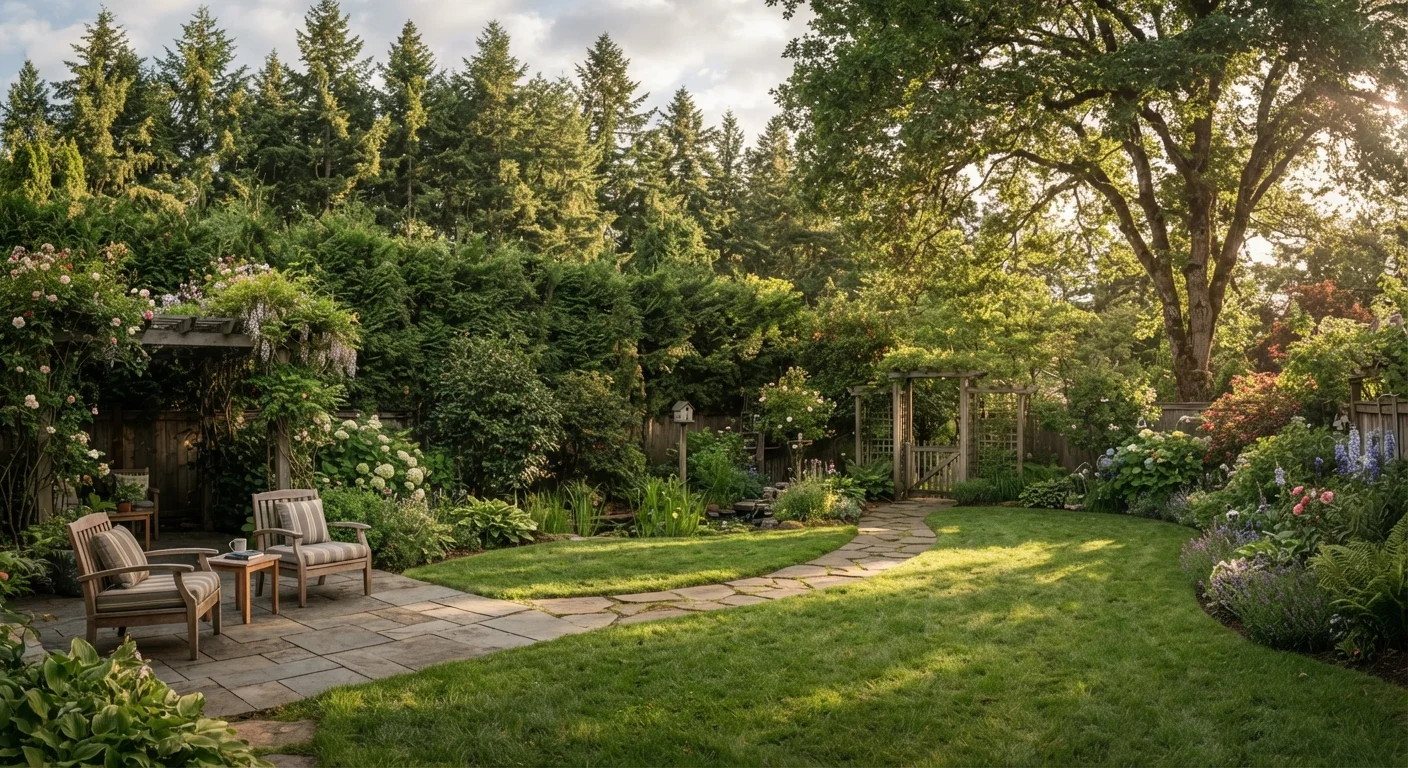
Every outdoor space is shaped by two distinct forces: the framework that organizes it and the living material that fills it. Hardscape elements - concrete, natural stone, brick, gravel, timber, and metal - establish permanent structure. They define where people walk, sit, and gather. They separate lawn from planting beds, hold soil on slopes, and create usable square footage that doesn't require mowing or watering.
Softscape elements do the opposite in the best possible way. Plants introduce movement, fragrance, wildlife habitat, and seasonal change. They absorb sound, moderate temperature around your home, and - when chosen thoughtfully - can provide year-round visual interest. For privacy-focused planting strategies, see our guide on shrubs and trees that create natural screens.
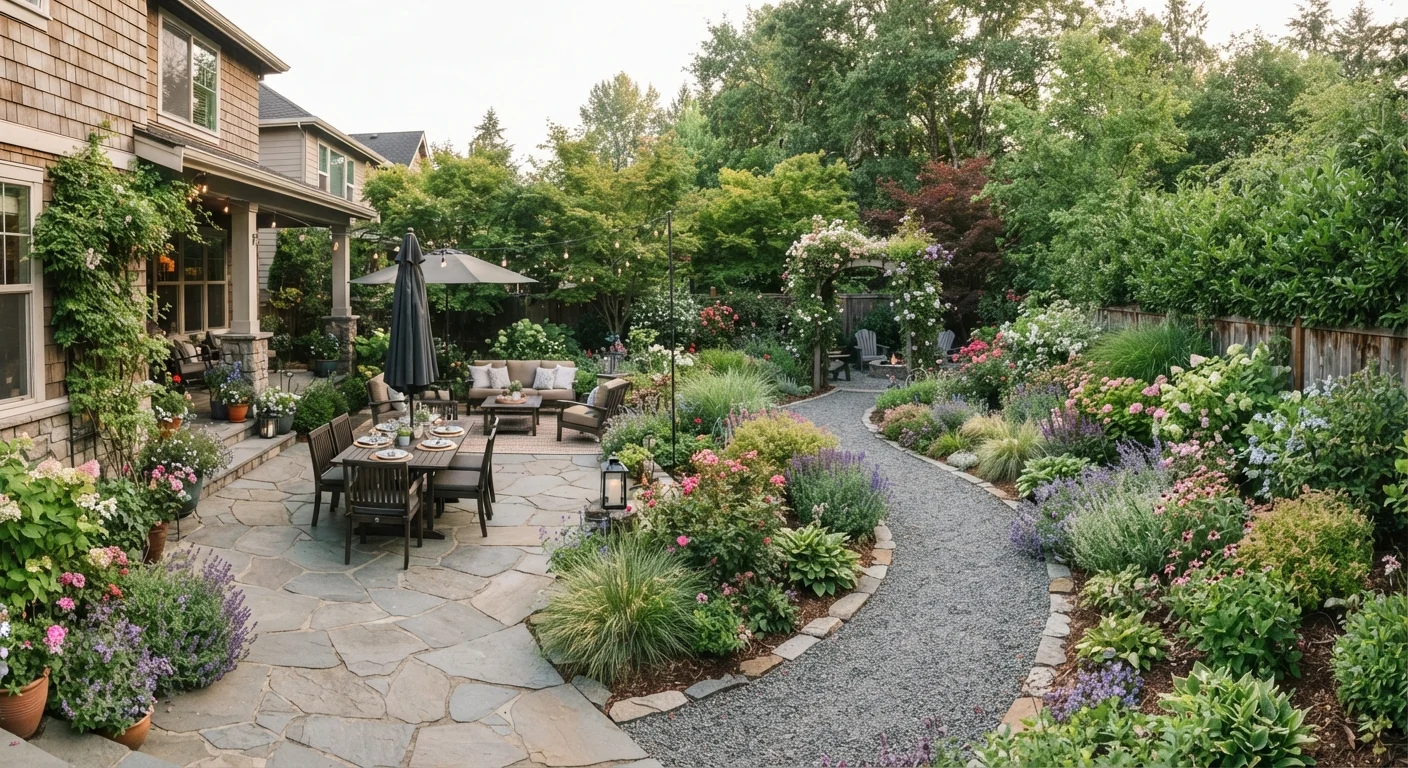
Neither category is complete on its own. A yard that is all hardscape feels harsh and urban; one that is all lawn and plants can feel shapeless and difficult to maintain. The goal is deliberate balance.
Up to 15°F
Temperature increase near dark hardscape surfaces
Research on urban heat islands consistently shows that dark impervious surfaces can raise immediate surrounding temperatures significantly compared to vegetated areas.
30-50%
Reduction in lawn area with strategic hardscaping
Landscape industry estimates suggest homeowners who add patios, paths, and planting beds typically reduce turf area - and associated irrigation and mowing needs - substantially.
10-15%
Potential home value increase from professional landscaping
According to studies referenced by the American Society of Landscape Architects, well-executed landscape design - integrating both hard and soft elements - can meaningfully improve curb appeal and perceived property value.
How Hardscape Decisions Shape Planting Conditions
One of the most overlooked relationships between hardscaping and softscaping is how built elements change the growing environment around them. A south-facing stone wall, for example, absorbs heat during the day and releases it at night - creating a warmer microclimate that extends the season for heat-loving plants. Conversely, a large concrete patio can create dry, compacted soil at its edges, where only drought-tolerant species will thrive.
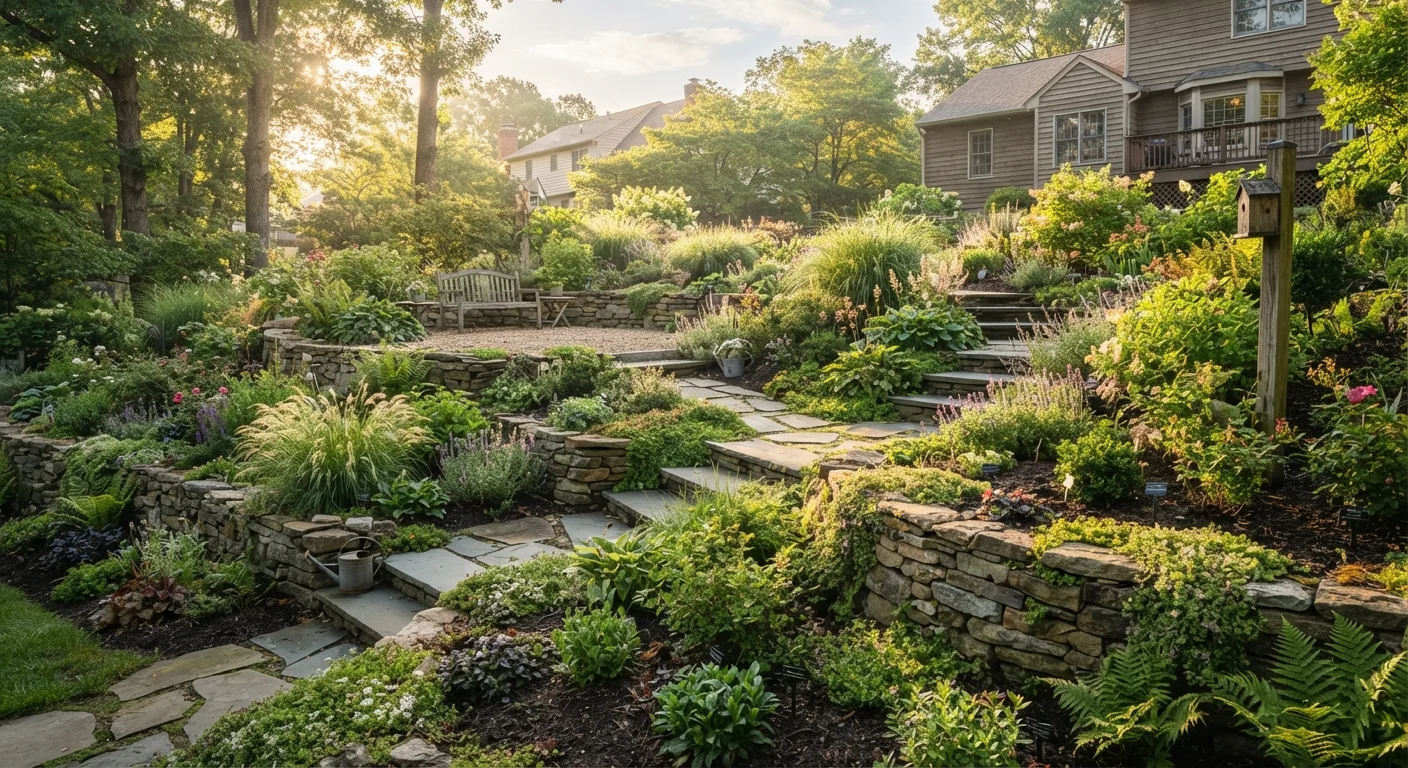
Impervious surfaces like solid pavers redirect rainfall rather than allowing it to soak into the ground. If this isn't accounted for, water can pool against foundations or erode adjacent planting beds. This is why grading and drainage planning must happen before the first plant goes in the ground - not after. On sloped properties, hardscape terracing works hand-in-hand with strategic planting to control erosion. Landscaping on a slope requires both a solid retaining structure and the right ground covers to stabilize soil between walls.
Plan Drainage Before Planting
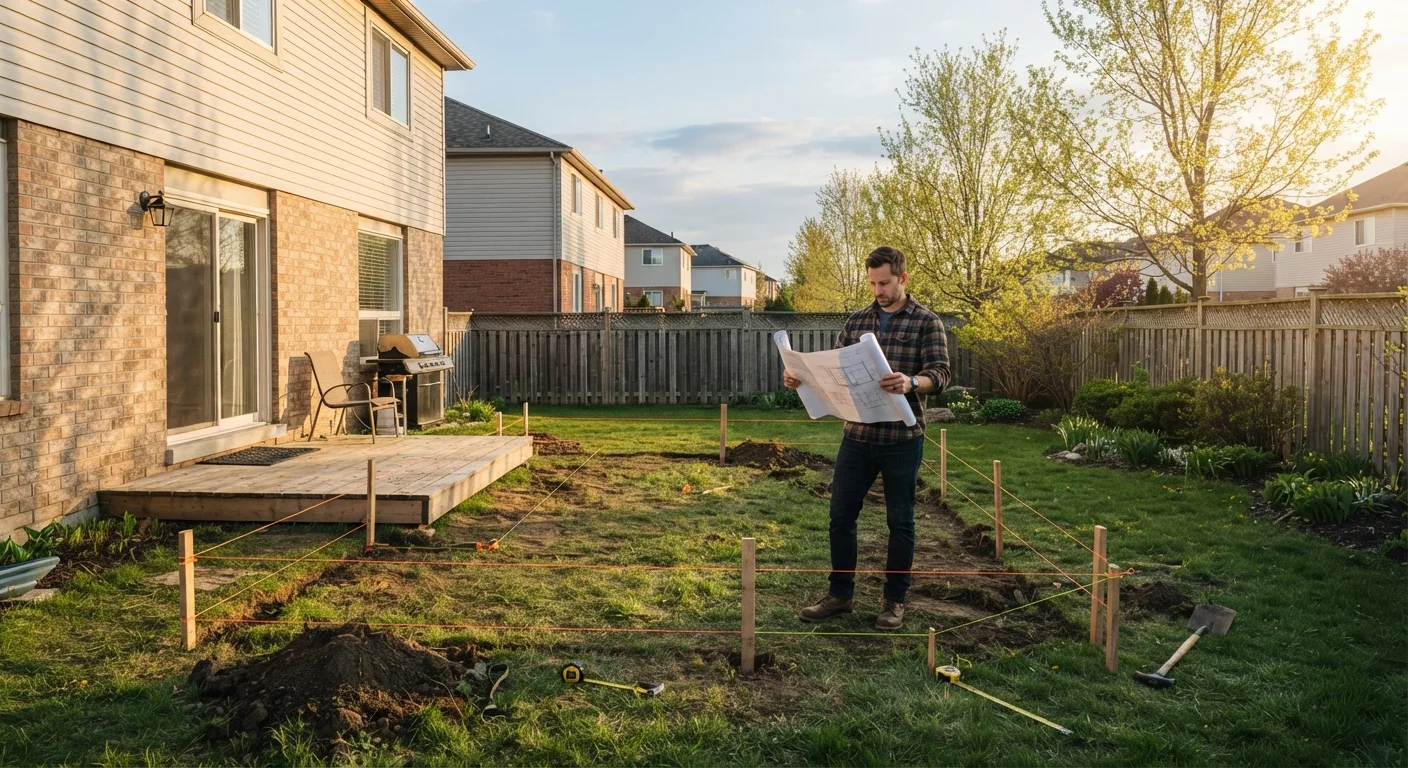
Before finalizing any patio or pathway layout, map where water flows across your yard during heavy rain. Ensure hardscape surfaces slope away from the home's foundation at roughly 1-2% grade and that adjacent planting beds have adequate drainage. Catching these issues before installation saves significant rework later.
Design Principles for Integrating the Two
Successful integration comes down to three principles: sequence, scale, and repetition.
- Sequence: Install hardscape first. This protects plant material from equipment damage and ensures that grading, drainage, and utility lines are finalized before softscape placement.
- Scale: Match the visual weight of plants to the structures near them. A low ground-cover planting alongside a massive stone retaining wall will look lost. Choose shrubs or grasses whose mature height and spread complements the wall's mass.
- Repetition: Echo materials and colors across both categories. If your patio uses warm-toned flagstone, consider plants with bronze or russet autumn foliage nearby. This creates visual continuity without making the yard feel designed to death.
It's also worth verifying practical constraints before any major work begins. Permits, HOA rules, utility easements, and drainage regulations can all affect what's possible. See what homeowners should confirm before breaking ground for a thorough pre-project checklist.
Choosing Plants That Work With Your Hardscape
Plant selection should account for the conditions created by nearby hard surfaces, not ignore them. Assess sun exposure, reflected heat, drainage patterns, and soil compaction at each planting zone before choosing species. Low-maintenance, regionally appropriate plants tend to perform best in hardscape-adjacent areas, since those spots often see more extreme moisture swings.
Native species are frequently a practical choice because they're adapted to local rainfall patterns and soil conditions - attributes that matter especially in the drier pockets hardscape creates. That said, ornamental cultivars offer wider aesthetic choices and shouldn't be dismissed outright. Weighing natives against ornamental cultivars can help you find the right balance for your specific yard and region.
When in doubt, consult a licensed landscape designer or horticulturist who knows your local climate zone. Their input early in the process can prevent costly replanting later.