Why Landscaping Myths Persist
Landscaping advice travels fast - from neighbors, gardening forums, and well-meaning family members. The problem is that a lot of it is wrong, or at least oversimplified. Acting on bad information can mean dead plants, wasted water, and repair bills that dwarf the cost of a professional consultation. This article addresses the most widespread misconceptions so you can make confident, evidence-based decisions about your yard.
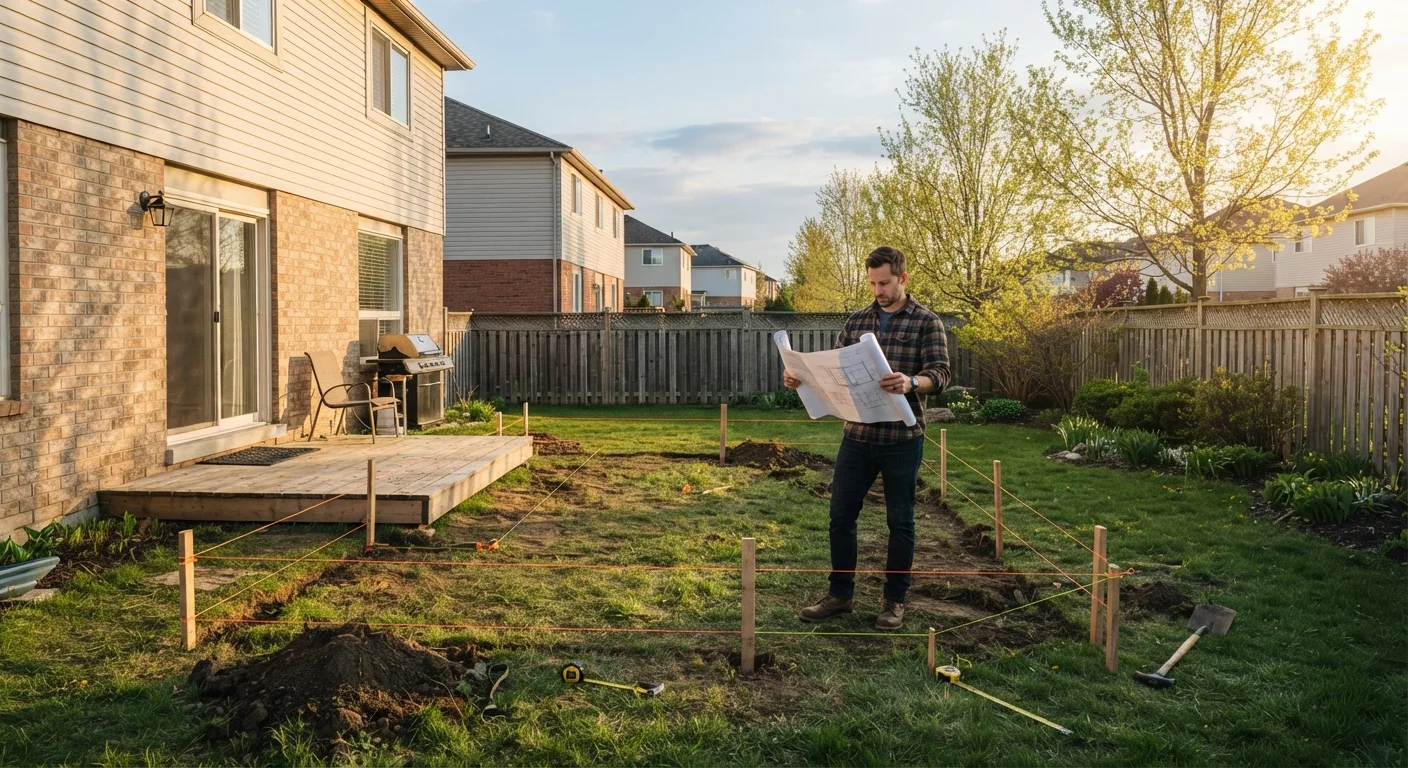
For a broader look at how outdoor projects intersect with planning requirements, see what homeowners should confirm before breaking ground - permits and utility locates matter even for landscaping work.
Myth
Grass needs to be watered every day to stay green and healthy.
Fact
Most lawns do better with deep, infrequent watering - typically once or twice a week - rather than daily light watering.
Daily watering keeps only the top inch of soil moist, which encourages shallow root systems. Shallow roots make grass more vulnerable to heat, drought, and disease. Watering deeply - allowing moisture to penetrate several inches - promotes deeper root growth and a more resilient lawn. The exact frequency depends on your grass type, soil, and climate, but a general rule is to water when the top two inches of soil are dry, not on a fixed daily schedule.
Myth
Piling mulch high around tree trunks (a "mulch volcano") protects and nourishes the tree.
Fact
Mounding mulch directly against a tree trunk traps moisture and creates conditions for rot, fungal disease, and pest infestations.
Proper mulching means applying a two-to-four-inch layer in a ring around the tree, keeping the mulch a few inches away from the actual trunk. This approach retains soil moisture, moderates temperature, and suppresses weeds without smothering the root flare - the area where trunk meets soil. Mulch volcanoes are one of the most common and visually normalized landscaping errors; the damage they cause develops slowly and is often misattributed to other causes.
Myth
Cutting the grass as short as possible means you'll mow less often.
Fact
Cutting grass too short - known as scalping - stresses the plant, reduces photosynthesis, and can actually accelerate growth of weeds.
Each grass species has an optimal mowing height. Cutting below that height removes too much leaf blade at once, a stress event that triggers rapid regrowth as the plant tries to recover. It also exposes soil to sunlight, which encourages weed seed germination. A common guideline is to never remove more than one-third of the blade's height in a single mowing. Keeping turf at the correct height builds a thicker, denser lawn that naturally crowds out weeds over time.
Myth
Trees can be planted close to the house without issue if they're small when purchased.
Fact
Small nursery trees grow significantly over time; root systems and canopy spread can eventually threaten foundations, plumbing lines, and exterior walls.
Mature spread - not nursery size - is the relevant metric when choosing planting locations. Large shade trees may need to be planted 20 feet or more from a structure, while smaller ornamental trees may require 10 to 15 feet of clearance depending on the species. Before planting any tree near a home, check the mature height and canopy width on the plant tag or a reputable horticultural resource, and also consider proximity to underground utilities. Understanding native plants versus ornamental cultivars can help you choose species suited to your specific conditions.
Myth
Native plants are low-maintenance from the moment they go in the ground.
Fact
Native plants typically require less water and fewer inputs once established, but they still need consistent care during their first one to two growing seasons.
The establishment phase - when a plant is developing its root system in new soil - demands regular watering even for drought-tolerant natives. Skipping this care leads to transplant failure, which is often blamed on the plant rather than the establishment process. Once a native plant is established, its maintenance demands genuinely do drop significantly compared to many non-native alternatives. Patience and consistent early care are the difference between a thriving native garden and repeated replanting costs.
Myth
Fertilizing more frequently produces a greener, healthier lawn.
Fact
Over-fertilizing, especially with high-nitrogen products, can burn grass, cause excessive top growth at the expense of roots, and contribute to runoff that harms local waterways.
Soil testing is the most reliable way to determine what your lawn actually needs before applying any fertilizer. Without knowing your soil's existing nutrient levels and pH, fertilizing is largely guesswork. Most turf grasses need fertilizer only a few times per year, at rates and times specific to the grass type and region. More is rarely better - applying the right product at the right time, based on soil data, produces far better results than frequent heavy applications.
Watering, Mulching, and Lawn Cutting Mistakes
Three of the most costly landscaping habits involve water use, mulch application, and mowing height. Each mistake is easy to make because the wrong approach often looks reasonable in the short term. Understanding the underlying plant science helps you course-correct before damage accumulates.
30-50%
Outdoor water use attributed to landscape irrigation
According to the U.S. Environmental Protection Agency, landscape irrigation accounts for roughly 30 to 50 percent of residential water use, much of which is applied inefficiently.
⅓ Rule
Maximum grass height to remove per mowing
Turf management guidelines widely recommend never cutting more than one-third of the grass blade in a single mowing session to avoid stressing the plant.
2-4 inches
Recommended mulch depth around plants
Most cooperative extension programs recommend a two-to-four-inch mulch layer, applied away from plant stems and tree trunks, as the effective standard for moisture retention and weed suppression.
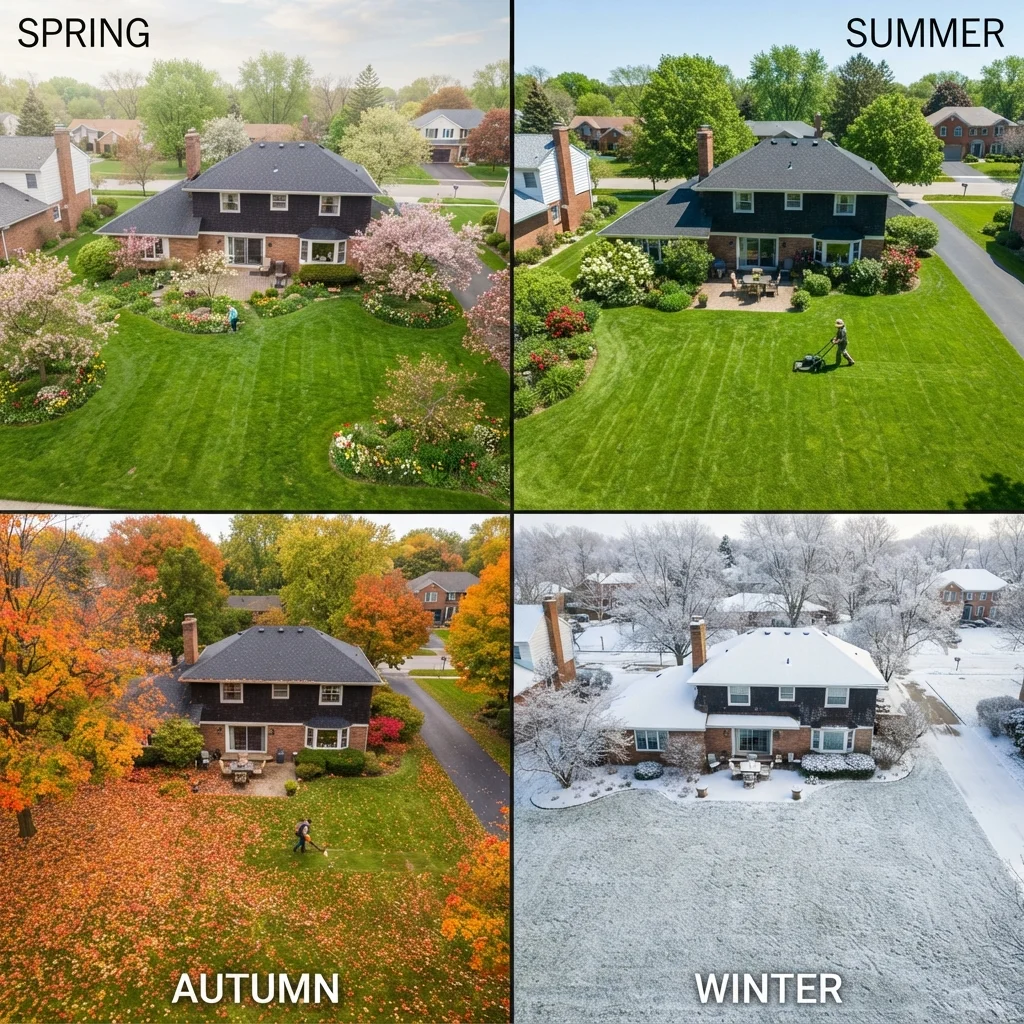
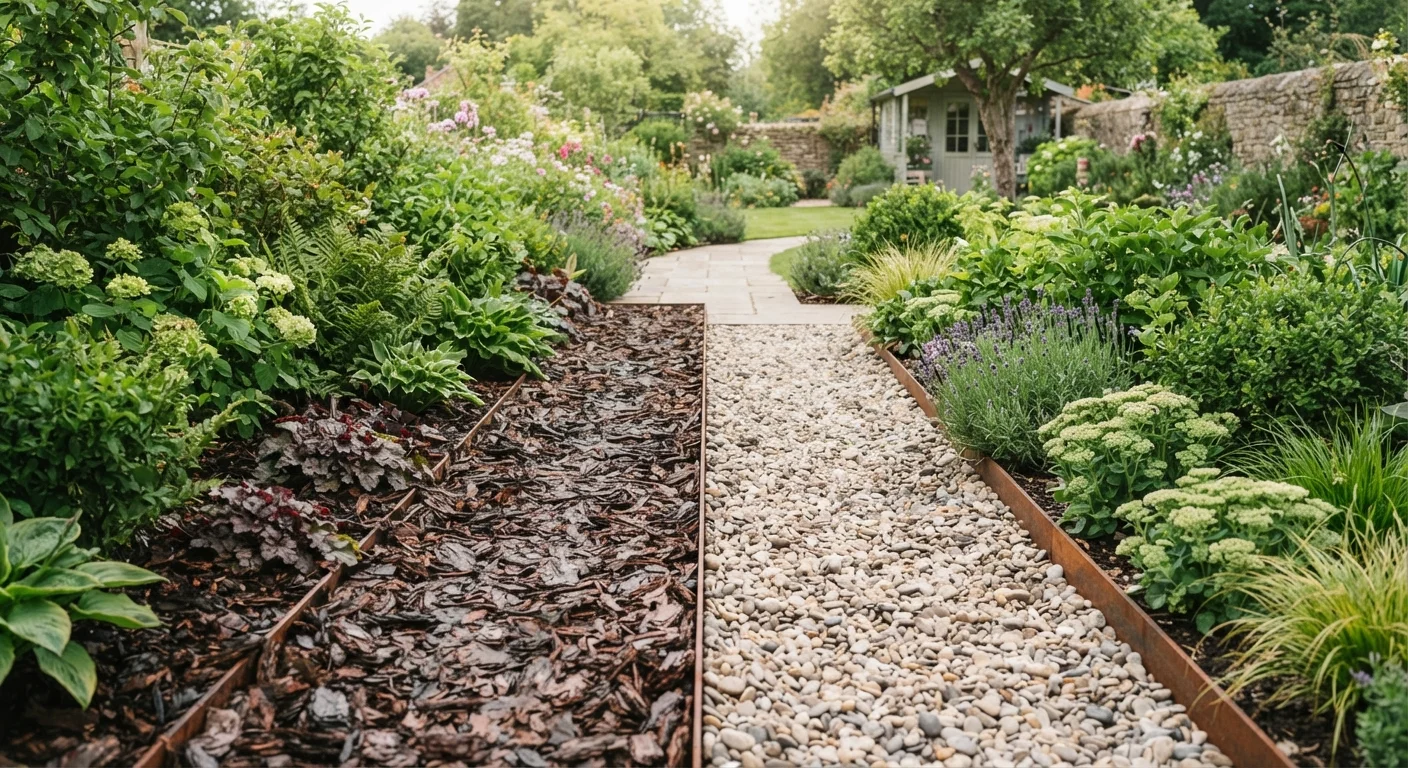
For a structured approach to seasonal lawn health, a year-round lawn care maintenance framework can help you schedule watering, fertilizing, and mowing in a way that supports rather than stresses your turf. And if you're choosing between ground covers, comparing mulch versus gravel will clarify which suits your drainage needs and climate.
Trees, Planting, and Long-Term Yard Planning
Trees are long-term investments. A planting decision made today will shape your property - and potentially your home's structure - for decades. Several persistent myths cause homeowners to plant species in the wrong locations or neglect conditions that determine whether a tree thrives or slowly causes harm.
Tree Roots and Home Infrastructure
Root systems from large trees can extend well beyond the canopy drip line and may reach underground plumbing, sewer lines, or foundation footings over time. If you're planning to plant a tree near your home's perimeter or near a septic system, consult a certified arborist before choosing a species and location. Removing a poorly placed mature tree later is significantly more expensive than selecting the right species at the outset.
If privacy screening is your primary goal, it's worth distinguishing mature spread from initial planting distance. Our guide on shrubs, trees, and hedges for natural privacy screens walks through growth rates and spacing by region. For slope-specific planting - where root structure matters most - see erosion control and planting strategies for sloped yards.
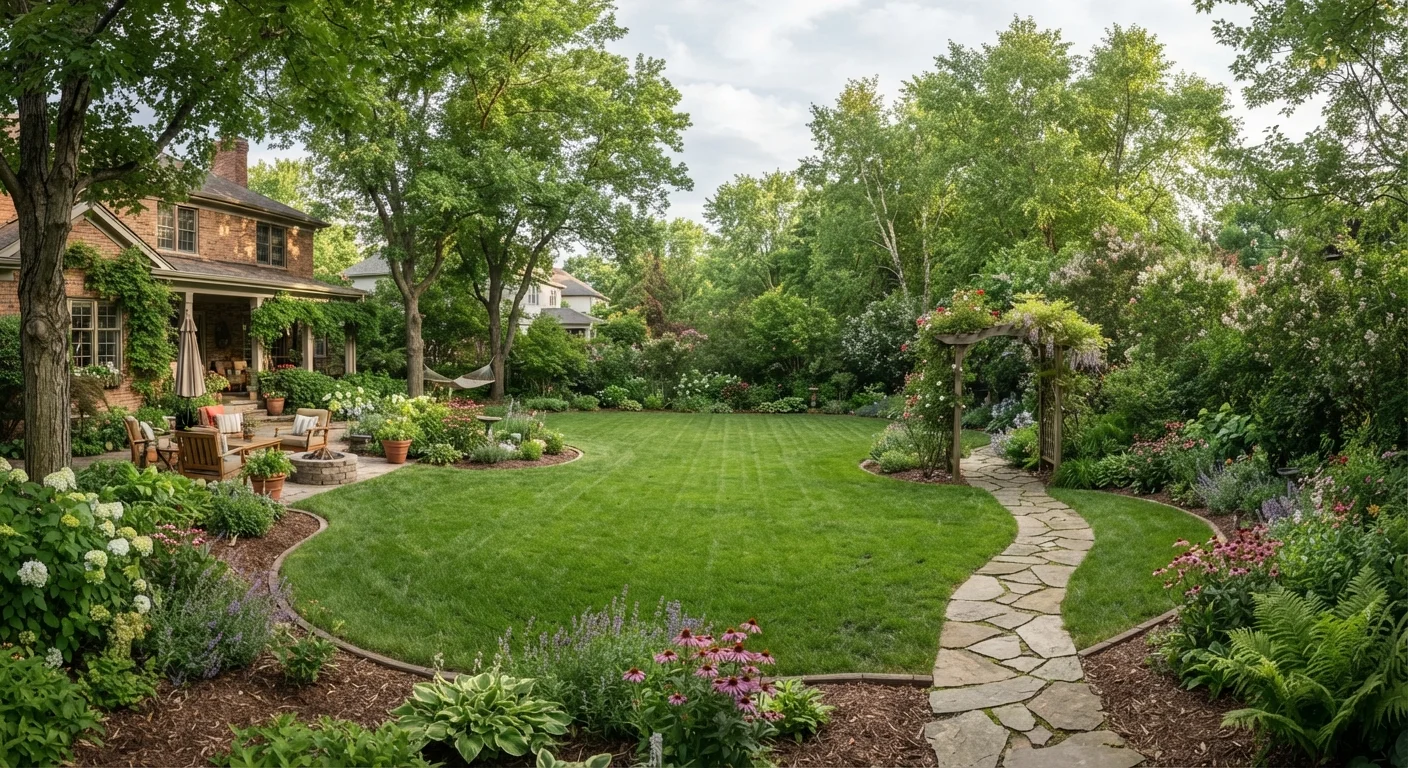
More broadly, if you're integrating hardscape elements like patios or retaining walls alongside plant selections, how hardscaping and softscaping work together is a useful starting point for cohesive design. And if a lawn with persistent bare patches is part of your challenge, diagnosing why grass won't grow in patches can help you identify the actual cause before you re-seed.