The Real Reason Patches Keep Coming Back
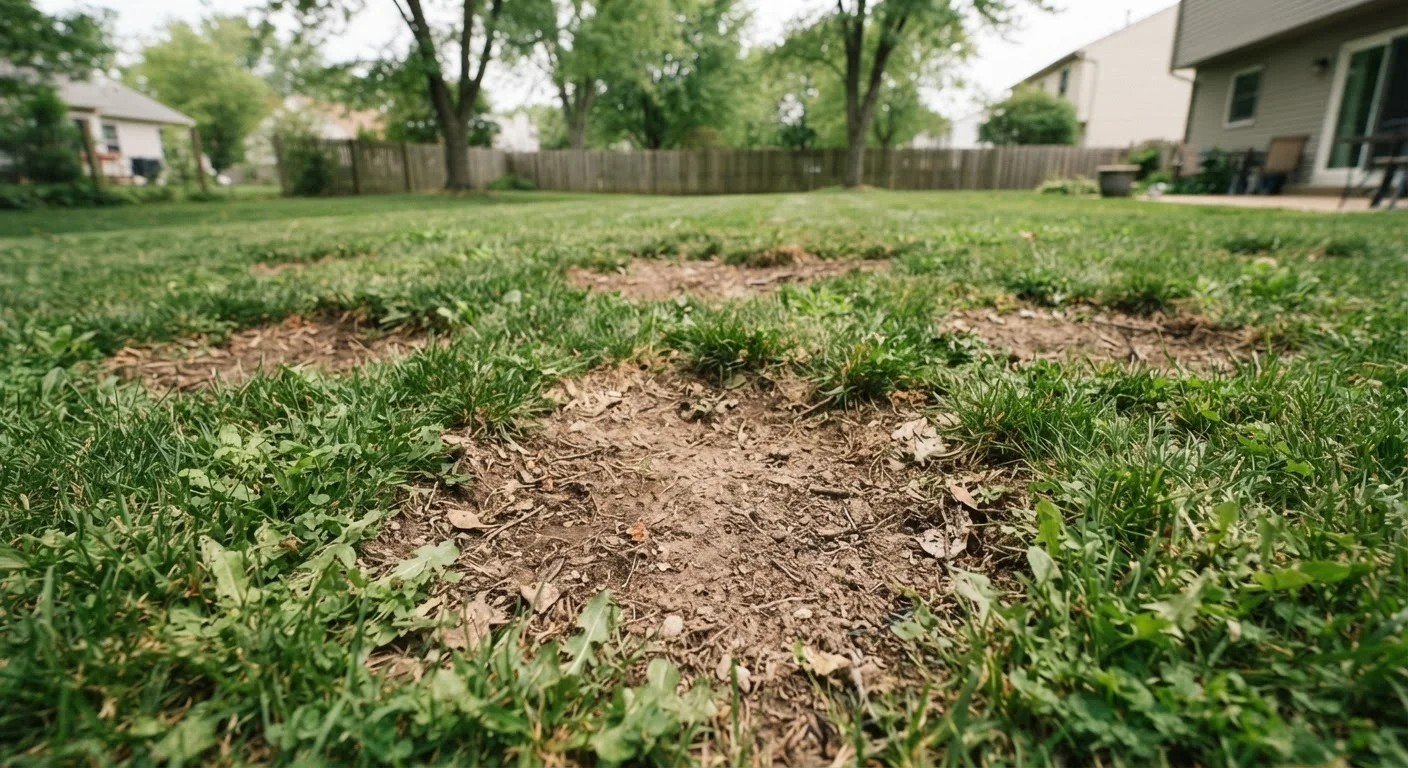
A bare patch that regrows briefly and then dies again is the lawn's way of telling you that conditions haven't changed. Grass is relatively resilient, but it won't thrive where the underlying environment works against it. The most common underlying causes - compaction, shade, pH imbalance, pest activity, and disease - are all addressable, but only once correctly identified.
Think of a bare patch the way a doctor thinks of a recurring symptom: the surface presentation is less important than the mechanism causing it. Getting that mechanism right is what separates a permanent fix from an annual frustration. The mistakes below reflect the diagnostic errors that homeowners most commonly make.
Assuming bare patches just need more grass seed.
Why it happens: Reseeding feels like the obvious fix, so many homeowners skip the diagnostic step and go straight to the garden center.
Ignoring soil compaction as a root cause.
Why it happens: Compaction is invisible from the surface. High-traffic areas - paths between the driveway and front door, spots where kids play - gradually compress soil until roots can't penetrate and water pools rather than absorbs.
Planting sun-loving grass varieties in shaded areas.
Why it happens: Most standard lawn seed mixes are formulated for full sun. Homeowners often overseed shaded spots with whatever mix is on hand, not realizing that shade fundamentally changes what can thrive.
Neglecting soil pH before attempting to grow grass.
Why it happens: pH affects a plant's ability to absorb nutrients, but it's not something you can see or intuitively sense. Many homeowners fertilize repeatedly without results because poor pH is locking nutrients out of reach.
Overlooking pest or disease activity beneath the surface.
Why it happens: Grub damage and fungal disease often look identical to drought stress or wear - yellowing, thinning, and eventually bare dirt. Without checking below the surface, the real cause goes untreated.
How to Build a Patch-Resistant Lawn Going Forward
Once you've identified and addressed the cause of existing bare spots, the goal shifts to prevention. A few consistent habits make lawns dramatically more resistant to future patching.
Diagnose Before You Reseed
Spreading grass seed over a bare patch without understanding the underlying cause is one of the most common - and costly - lawn care mistakes. If compaction, disease, or pests are the root issue, fresh seed will fail just as the original grass did. Always identify and address the cause first, then reseed or repair.
- Mow at the right height. Cutting grass too short - a habit called scalping - exposes soil to heat and light, weakening root systems and inviting weeds. Most lawn varieties do best when mowed at 3 to 4 inches during the growing season.
- Water deeply and infrequently. Shallow daily watering encourages shallow roots. Aim for about an inch of water per week, ideally applied in one or two sessions, to push roots deeper into the soil profile.
- Overseed thin areas in the right season. Cool-season grasses establish best when overseeded in early fall; warm-season types respond to late-spring overseeding. Timing matters as much as technique.
- Rotate foot traffic patterns where possible. If a path is compacting a specific strip of lawn, redirect it or use stepping stones to distribute the load.
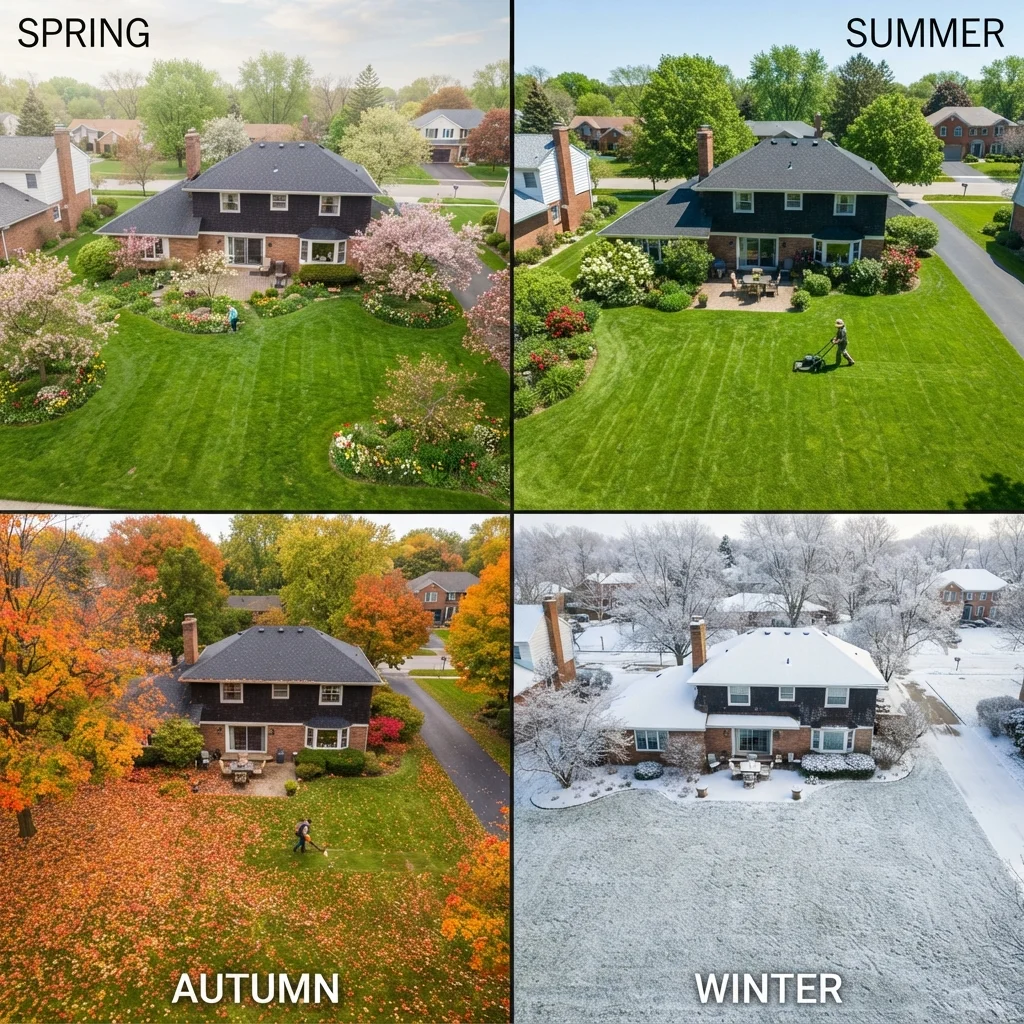
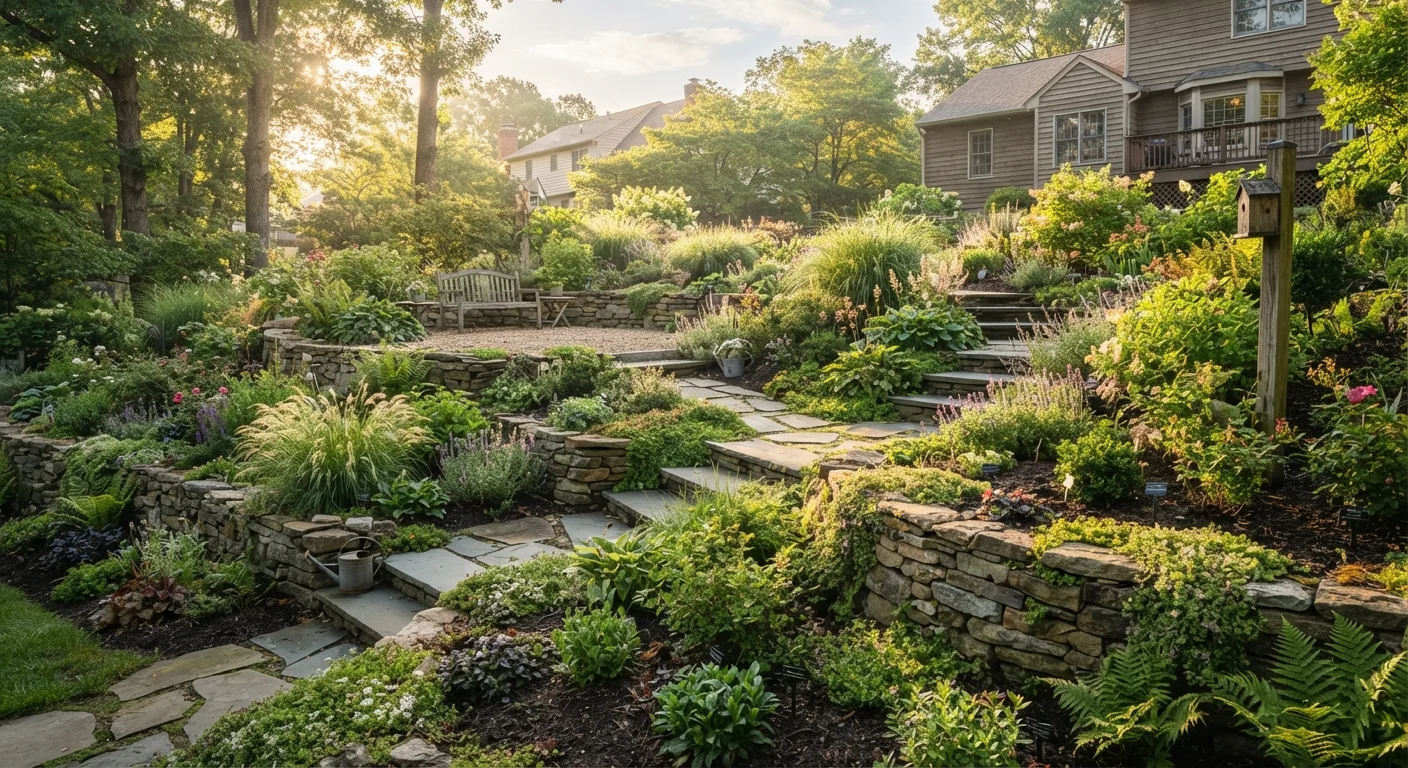
For a full seasonal framework, year-round lawn maintenance guidance can help you structure your efforts month by month. And if your yard includes sloped sections where water runs off before absorbing, erosion control and planting strategies offers practical solutions tailored to uneven terrain.
Pesticide and Fungicide Use Requires Care
If you suspect a pest or fungal cause, avoid applying broad-spectrum chemicals without confirming the diagnosis. Misapplied treatments can damage surrounding grass, harm beneficial soil organisms, and create runoff risks. Consult your local cooperative extension service or a licensed lawn care professional for guidance specific to your region.
This article is for general informational purposes only. Local soil conditions, grass varieties, climate zones, and pest populations vary widely. Consult your local cooperative extension service or a licensed lawn care professional for advice specific to your property.