Why Older Homes Require Extra Caution
If your home was built before 1980, there is a meaningful chance it contains materials that were common in construction at the time but are now known to pose serious health risks - particularly lead-based paint and asbestos-containing materials. Neither poses an immediate danger simply by existing in your home, but both can become hazardous when disturbed during renovation or repair work.
Understanding where these materials typically appear and how to recognize warning signs is a foundational skill for any homeowner tackling older homes. This is not a reason to avoid maintenance altogether - it is a reason to plan carefully, proceed cautiously, and know when to stop and call a licensed professional. For a broader look at home tasks that carry legal and safety obligations, see our guide to permit requirements for DIY home repairs.
| Lead paint ban year (residential) | 1978 (U.S. Consumer Product Safety Commission) |
| Estimated US homes with lead paint | Approximately 1 in 3 homes nationally (U.S. Department of Housing and Urban Development) |
| Asbestos use peak period | 1930s through late 1970s (U.S. Environmental Protection Agency) |
| Minimum respirator rating for lead dust | N-100 or P-100 half-face respirator (EPA Renovation, Repair and Painting Rule guidance) |
| Regulatory rule for contractors | EPA Renovation, Repair and Painting (RRP) Rule (Applies to homes built before 1978) |
| Asbestos identification method | Laboratory analysis only - not visual inspection (U.S. EPA general guidance) |
Lead Paint: Where It Hides and What to Do
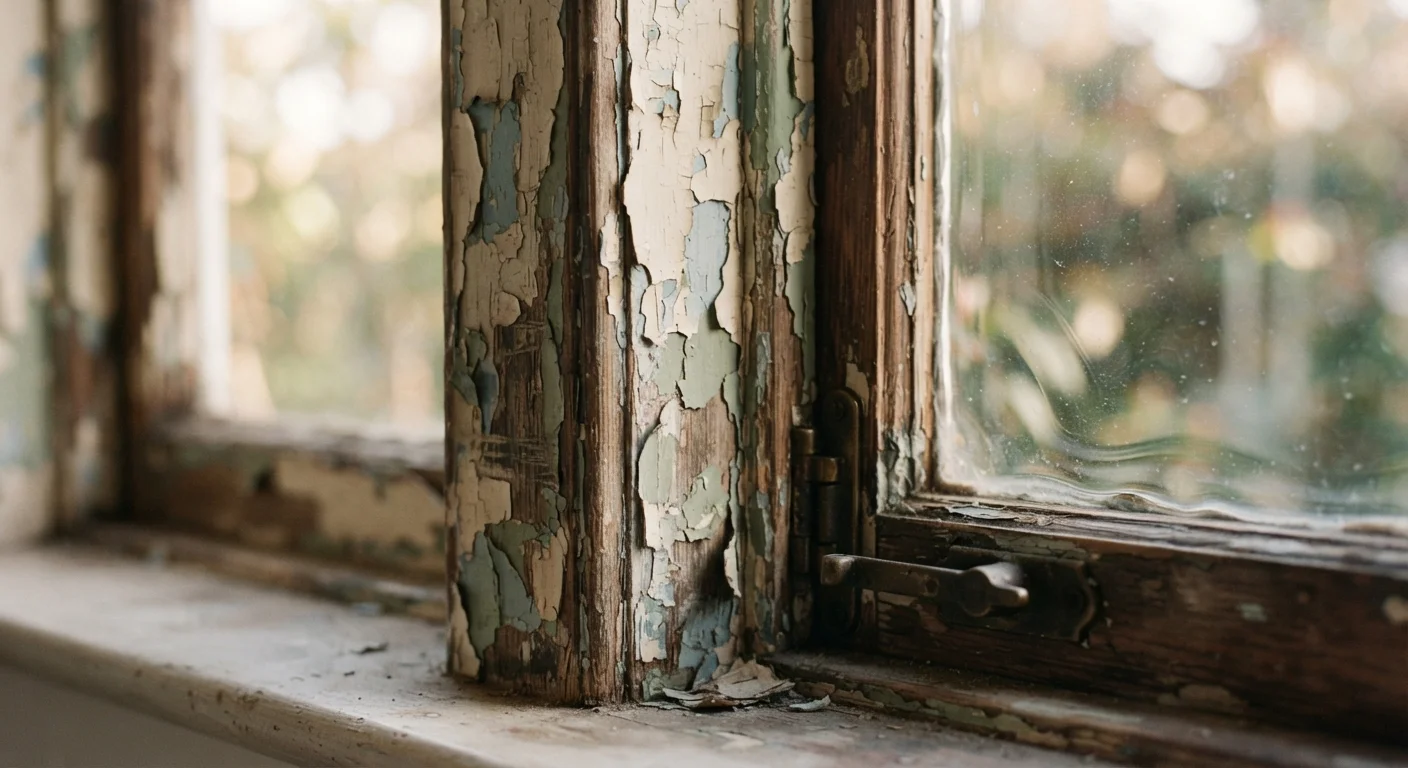
Lead-based paint was used extensively in US homes until it was banned for residential use in 1978. The older the home, the higher the probability: homes built before 1940 are estimated to have a very high prevalence. Intact, well-adhered lead paint is generally considered lower risk - the danger arises when it is sanded, scraped, cut, or demolished, releasing fine dust that can be inhaled or ingested.
Common locations for lead paint
- Window sills and frames (friction surfaces that wear constantly)
- Door frames and trim
- Exterior painted surfaces
- Stair railings, banisters, and porches
- Kitchen and bathroom cabinets in pre-1978 homes
What to do before disturbing any painted surface
- Purchase an EPA-recognized lead test kit from a hardware store and follow the instructions precisely.
- If results are positive or inconclusive, stop work and contact a certified lead inspector or risk assessor for professional testing.
- For renovation work in homes built before 1978, federal law (the EPA's Renovation, Repair and Painting rule) requires contractors to be certified and follow specific work practices. Verify your contractor's certification before work begins.
Disclosure Requirements for Home Sales
Federal law requires sellers of homes built before 1978 to disclose any known lead-based paint hazards and provide buyers with an EPA-approved informational pamphlet. If you are purchasing an older home, review any available disclosure documents carefully and consider requesting an independent inspection before closing. Check with your state's real estate authority for any additional local disclosure requirements.
Children and pregnant individuals face the highest health risks from lead exposure. If either is present in your household, apply extra caution and consult a healthcare provider if any exposure is suspected. This article provides general educational information only and is not a substitute for professional health or safety advice.
Asbestos: Recognizing Risk Before You Renovate
Asbestos is a group of naturally occurring mineral fibers that were widely used in building materials through the 1970s due to their heat resistance and durability. When asbestos-containing materials are damaged or disturbed, microscopic fibers can become airborne and, if inhaled repeatedly over time, may contribute to serious respiratory conditions. Asbestos that is in good condition and left undisturbed is generally not an immediate hazard - the risk arises with disturbance.
Where asbestos commonly appears in older homes
- Vinyl floor tiles and the adhesive beneath them (9-inch and 12-inch square tiles from the 1950s-70s are frequently suspect)
- Pipe and duct insulation, particularly on older heating systems
- Textured ceiling coatings (sometimes called "popcorn ceilings")
- Roof shingles and siding shingles (cement-asbestos products)
- Insulation around furnaces and wood-burning stoves
The cardinal rule: do not disturb suspected materials
You cannot identify asbestos by sight alone - laboratory analysis of a sample is the only reliable method. If you suspect a material may contain asbestos, do not sand, drill, cut, or break it. Contact a licensed asbestos inspector or industrial hygienist to collect samples safely and have them analyzed. If asbestos is confirmed, remediation must typically be performed by a licensed abatement contractor, and local regulations often require permits and disposal procedures. Check your local building department's requirements before any work begins. For more on DIY practices that can inadvertently create hazards, see common DIY myths that put homes and safety at risk.
Building a Safe Approach to Older Home Work
Awareness is your most effective protective tool. Before starting any renovation, repair, or maintenance task in a home built before 1980, take the following steps:
- Research your home's age and history. Building permits, previous inspection reports, and real estate disclosures can indicate known hazards.
- Test before you touch. Use certified testing for lead and asbestos before disturbing painted surfaces, flooring, insulation, or textured ceilings.
- Use appropriate personal protective equipment (PPE). For any work in areas of potential contamination, wear a properly rated respirator (at minimum an N-100 or P-100 half-face respirator - not a dust mask), disposable coveralls, and gloves. Seal off work areas with plastic sheeting to contain dust.
- Never dry-sand or dry-scrape suspect surfaces. Wet methods reduce airborne dust significantly.
- Clean up properly. Use a HEPA-filtered vacuum rather than a standard vacuum, which can redistribute fine particles.
- Know when to step back. Some work is not appropriate for DIY, regardless of skill level. Electrical, structural, and hazardous-material work in older homes frequently falls into this category.
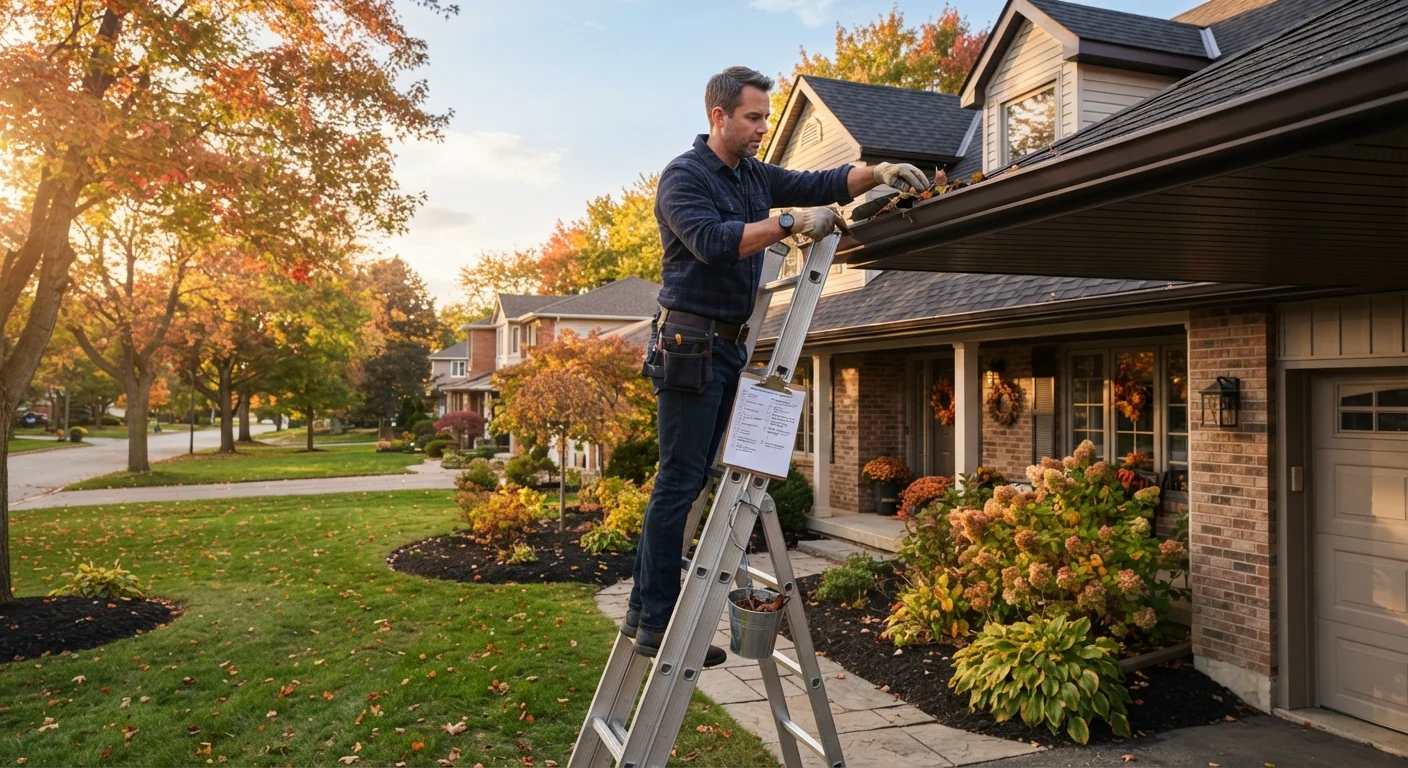
Staying current on your home's condition through routine checks is one of the best defenses against unexpected hazardous discoveries mid-project. Our seasonal home maintenance checklist can help you build that habit systematically. For exterior surfaces and older siding, the seasonal exterior maintenance checklist offers additional guidance.