
Why First-Time International Travelers Get Tripped Up
Domestic travel gives most US adults a functional set of instincts: book a flight, pack a bag, show up. That framework works fine for a Phoenix-to-Chicago trip. Applied to an international itinerary, it produces a specific and predictable category of problem - not catastrophic ignorance, but confident misassumption.
First-time international travelers rarely fail because they didn't plan at all. They fail because they planned based on how they expected things to work, rather than how they actually work. The mistakes below are the ones our team sees most consistently, and every one of them is preventable with the right information in advance.
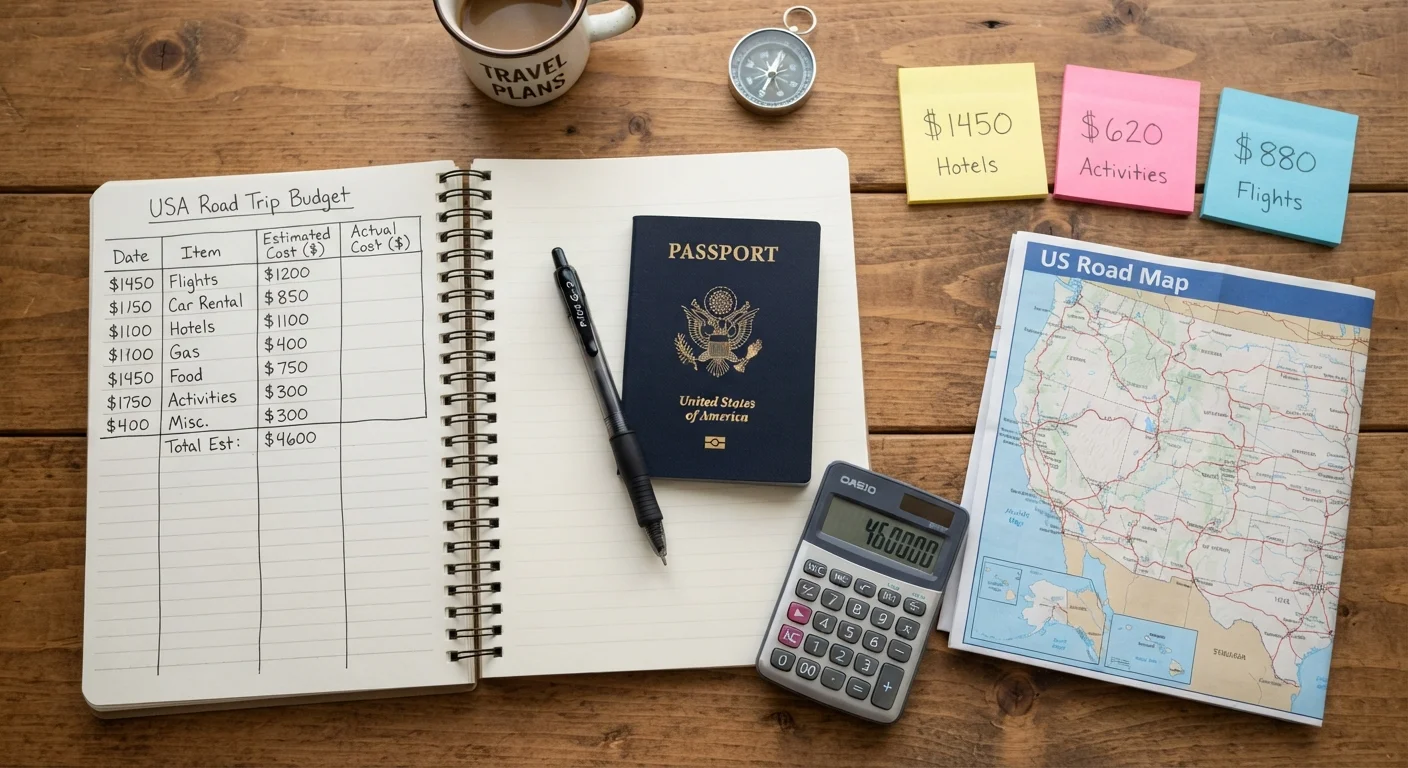
For a parallel look at managing costs - another common blindspot - see our travel budgeting foundation guide before you finalize any numbers.
Assuming visa-free means no entry requirements at all.
Why it happens: The phrase "no visa required" sounds like a green light. Travelers interpret it as automatic, unconditional entry.
Not checking passport validity until close to the departure date.
Why it happens: Most US travelers assume a valid passport is any passport that hasn't expired. The six-month validity rule many countries enforce is genuinely unfamiliar.
Treating travel insurance as a checkbox rather than reading what it actually covers.
Why it happens: Insurance feels like a bureaucratic formality. Most first-timers buy a policy without reading the exclusions.
Budgeting only for flights and hotels and ignoring everything in between.
Why it happens: Flights and accommodation are the most visible costs. Everything else feels minor until it accumulates.
Booking non-refundable flights before confirming visa eligibility.
Why it happens: Travelers find a good fare and book impulsively, assuming the visa will work itself out.
Assuming a US cell phone plan works internationally without changes.
Why it happens: Many US carriers advertise "international" plans, and travelers assume their existing setup transfers automatically.
Documentation, Visas, and Entry Requirements
Entry requirements are the highest-stakes category of international travel planning because errors here can end a trip before it starts - at check-in or at the border. Most first-timers underestimate how granular these rules get.
Visa-Free Is Not the Same as Entry-Guaranteed
Even when no advance visa is required, border officers retain the authority to deny entry based on documentation, stated purpose of visit, or insufficient proof of funds. Some visa-free destinations also require pre-travel electronic travel authorizations - a separate step many first-timers miss entirely. Always check the official requirements for your specific passport and destination, not just whether a visa application is required.
Visa requirements vary not just by destination country, but by your citizenship, the purpose of your visit, and sometimes your planned length of stay. The US State Department's travel website and the destination country's official embassy or consulate site are the authoritative sources - not travel blogs or booking platforms. Always verify through official channels, and do so well before your departure date.
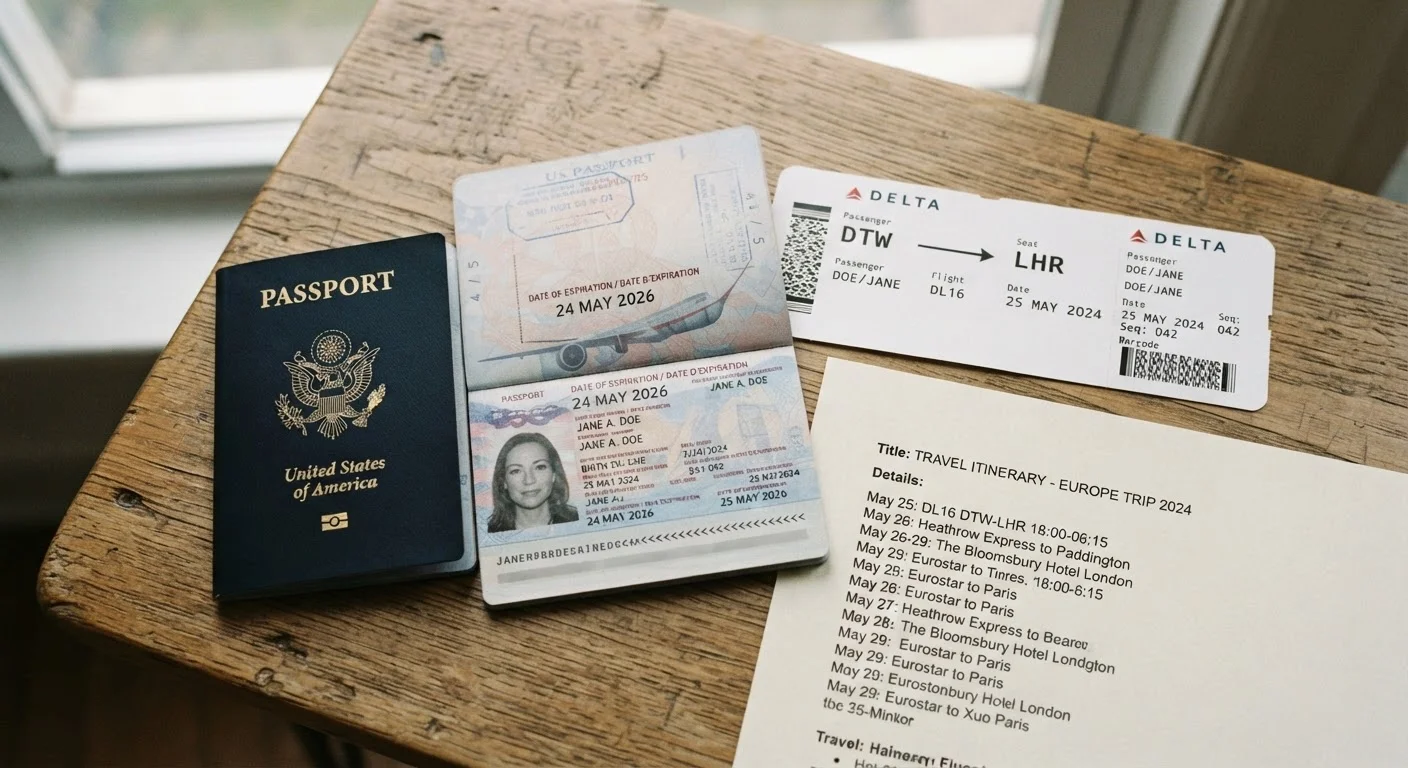
For a step-by-step walkthrough of how tourist visa applications typically work, see our visa application guide. And before you do anything else, check your passport - many countries require at least six months of validity beyond your return date, a rule explained in detail at why your passport expiration date matters.
Once you know what documents you need, use this international travel documents checklist to make sure nothing gets left behind.
6 months
Passport validity many countries require beyond return date
This requirement is enforced by a large number of popular international destinations and can result in denied boarding if overlooked.
~40%
Of international travelers who underestimate total trip costs
Travel industry surveys consistently find that a significant share of travelers spend more than planned, primarily due to overlooked fees and on-the-ground expenses.
Budget, Logistics, and the Costs People Miss
Even travelers who research entry requirements carefully often arrive financially underprepared. International trips carry a layer of costs that don't exist on domestic trips - and most of them aren't visible until you're already committed to the booking.
International Fees Can Add 15-25% to Your Trip Cost
Currency conversion fees, international credit card surcharges, checked baggage fees on long-haul carriers, and destination-specific tourist taxes are standard - not exceptions. First-time international travelers who budget only for headline costs frequently overspend by a material margin. Build these line items in before you book, not after.
Airport transfer fees, local transit costs, tipping norms, resort or tourist taxes, currency conversion fees, and checked baggage surcharges on international carriers all compound. These aren't rare edge cases; they're standard features of international travel that most first-timers forget to factor into their budget.
Accommodation is another area where assumptions create friction. Check-in times, local tax requirements, cancellation policies, and whether a property accepts foreign credit cards are all worth confirming before you book. Our guide to booking accommodations abroad outlines exactly what to ask.
If you're weighing international travel against a domestic alternative, planning a cross-country road trip involves its own logistics but far fewer documentation requirements - a useful contrast when you're deciding how much complexity you want to take on.
This article provides general travel information for educational purposes. Entry requirements, visa rules, and travel conditions change frequently. Always verify current requirements through official government sources - including the US Department of State and the embassy or consulate of your destination country - before traveling.