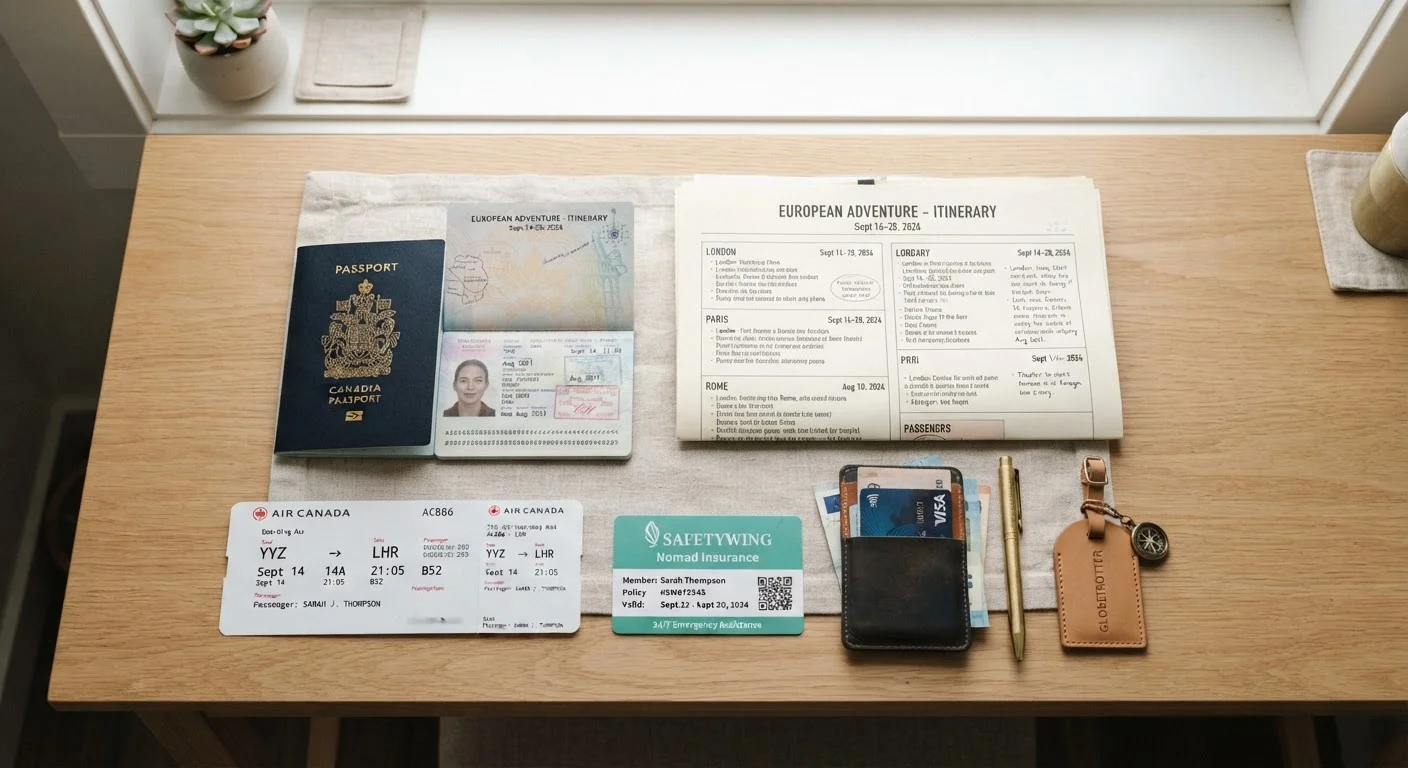
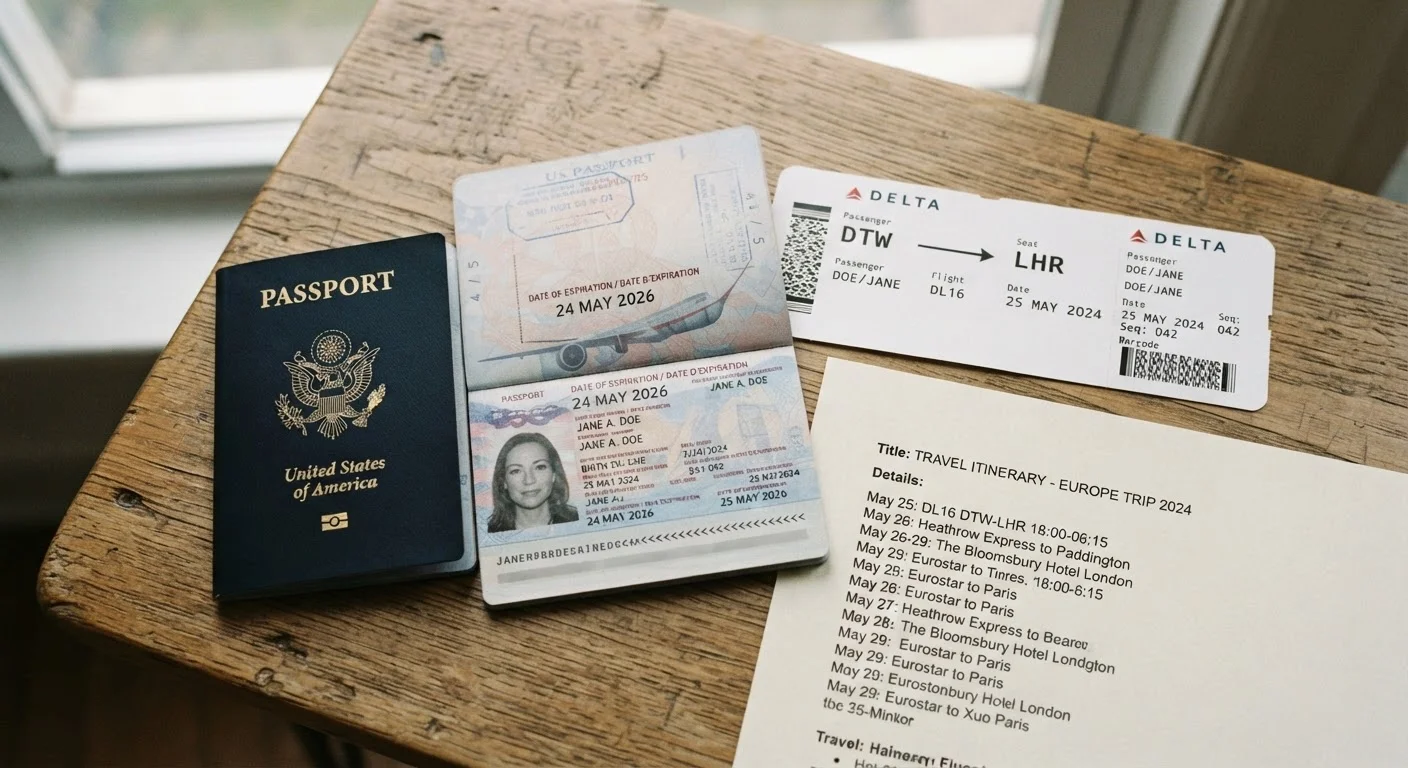
Why a "Valid" Passport Can Still Get You Turned Away
Your passport hasn't expired. You checked. So why would anyone turn you away at the airport? Because in international travel, a passport that's technically valid isn't always a passport that qualifies you to enter a country.
Many countries impose a validity buffer - often six months - beyond your travel dates. The logic behind this rule: if you overstay, get sick, face a travel disruption, or encounter any situation that delays your departure, the destination country doesn't want to be left holding an undocumented traveler whose passport expires mid-stay. The six-month window is their buffer, not yours.
Critically, it's not just immigration officers at the destination who check this. Airlines are required under international agreements to verify that passengers meet the entry requirements of their destination before boarding. That means an agent at your departure gate in the US can - and legally must - deny you boarding if your passport falls short, even if your flight is domestic to a connecting city.
Transit Countries Count Too
If your itinerary includes a layover or connection in a country other than your final destination, that country's passport validity rules apply to you - even if you never leave the airport. Always check validity requirements for every country your routing passes through, not just your final stop.
The Rule Isn't Universal - Which Makes It More Dangerous
If the six-month rule applied everywhere, travelers would adapt quickly. The real trap is that requirements differ by country, and sometimes by nationality. Some countries require six months of validity beyond your return date. Others require only three months. Some countries - including many in the European Union - require only that your passport be valid through your stay, though they also have a separate requirement that the passport be issued within the last ten years.
This variability means you can't apply one mental rule to all trips. A passport that's perfectly adequate for a trip to the UK may fall short for a connecting flight through a country with stricter rules. Travelers who assume the standard applies across the board often discover the gap at the worst possible moment.
6 months
Minimum validity required by many countries
A large number of countries worldwide require a passport to remain valid for at least six months beyond the traveler's intended departure from their territory.
Varies by country
Validity thresholds differ by destination
Requirements range from validity only through the stay to three or six months beyond the return date - each destination sets its own rule, according to the US Department of State.
See our common documentation mistakes first-time international travelers make for more on how these kinds of misunderstandings derail trips before they start.
How to Check and What to Do Before You Book
The right time to check passport validity requirements is before you book flights - not the week before departure. Here's a straightforward process:
- Find your passport's expiration date. It's printed on the photo page. Write it down.
- Identify every country you'll enter or transit through. A layover in a third country can trigger that country's rules even if you never leave the airport.
- Look up the specific validity requirement for each country using the US Department of State's travel website (travel.state.gov) or the destination country's official embassy or consulate website. Don't rely on travel blogs or booking platforms - requirements change, and unofficial sources may be outdated.
- Calculate your buffer. If your trip ends on a specific date, count forward six months (or whatever the requirement specifies) from that date, and confirm your passport is valid past that point.
- Renew early if needed. US passport renewal processing times fluctuate, but routine processing can take many weeks. Expedited service is faster but still not overnight. If your passport needs renewal, build in time before you book.
For a broader checklist of what documents to have in order before any international trip, see our guide to travel documents every international traveler should carry.
Set a Passport Expiration Reminder Now
Don't wait until your next trip is booked to check your passport's expiration date. Add a calendar reminder 12 months before your passport expires so you have time to renew without pressure. US passport renewal can take several weeks even under expedited processing, and demand spikes seasonally.
The Cost of Getting This Wrong
Being denied boarding or turned away at the border isn't just an inconvenience - it's expensive. You may lose non-refundable flights, hotel deposits, and tour bookings. Travel insurance policies often won't cover losses caused by documentation errors that were within your control to prevent. The fix - renewing your passport early - costs a fraction of what a denied boarding could set you back.
Treat your passport expiration date the same way you'd treat a medication that needs to be refilled before a long trip. It's a logistical prerequisite, not a detail to revisit later. Build a reminder into your trip planning process, and verify the specific requirement for every destination and transit country before you commit to any booking.