
Why Accommodation Questions Hit Different Abroad
Booking a hotel or rental in another country carries risks that don't apply at home. Terminology differs, fee structures are less transparent, and what's standard in the US - 24-hour front desks, straightforward cancellation windows, one-click refunds - simply doesn't exist everywhere. A property listed at a reasonable nightly rate can end up costing 30-40% more once local tourism taxes, city levies, and mandatory cleaning fees are added at checkout.
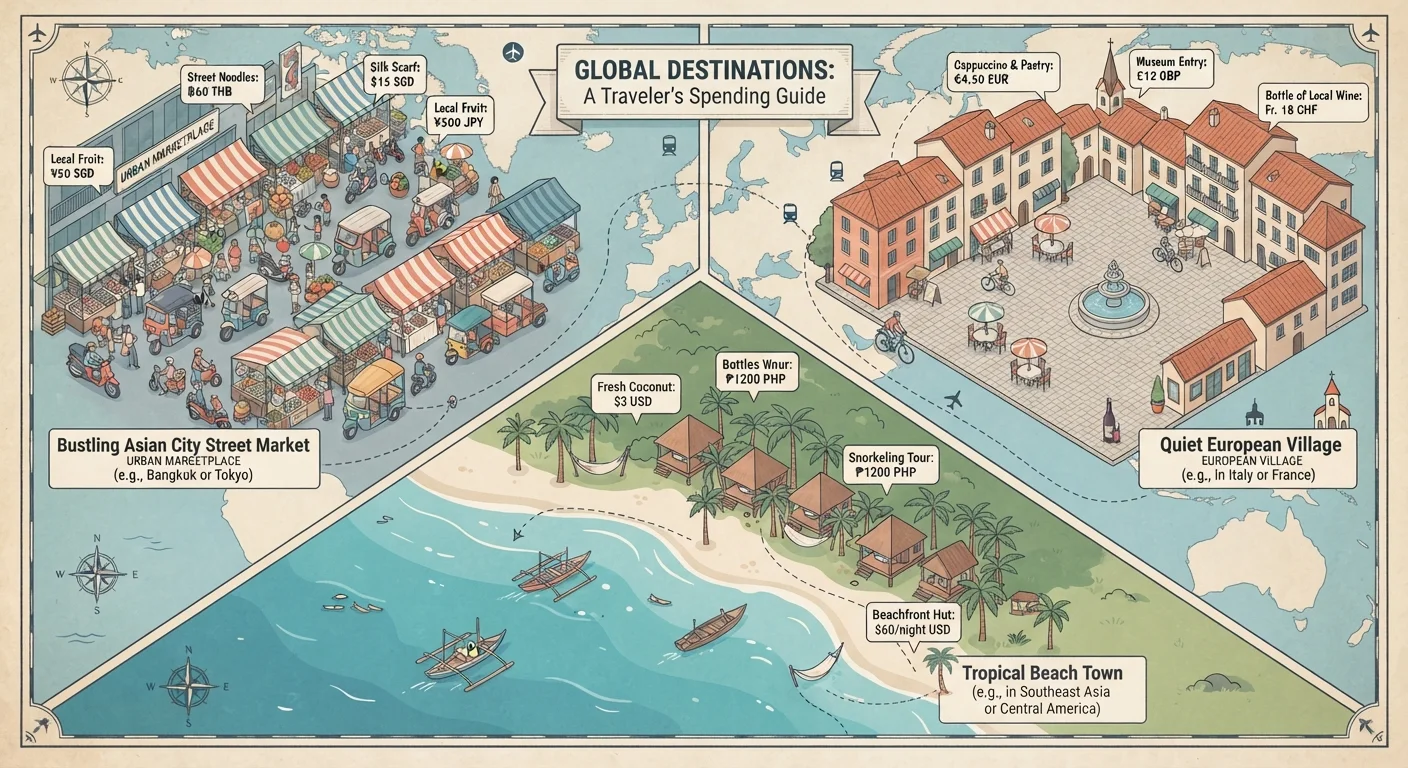
Understanding the price landscape at your destination before you search for rooms helps you set a realistic budget baseline. From there, the questions below are the ones worth asking - or finding answers to - before you hit confirm.
Property's direct booking page or email
Use direct contact to ask pre-booking questions that listings don't answer and to get policy clarifications in writing.
Google Maps (Street View)
Verify the property's physical location, walkability, and surrounding neighborhood before committing.
Your credit card's benefits portal
Check whether your card includes foreign transaction fee waivers, trip protection, or accommodation dispute coverage.
Currency conversion reference (e.g., central bank rates)
Compare the conversion rate used at booking against the current interbank rate to spot unfavorable markup.
What to Verify Before You Book
Work through each category below before confirming any international accommodation. Some answers are on the listing page; others require a direct message to the property. When in doubt, ask - reputable properties answer pre-booking questions promptly, and the response itself tells you something about how they operate.
Pricing and Fees
Cancellation and Refund Terms
Check-In Logistics
Location and Accessibility
On-Site Facilities and Expectations
Non-Refundable Rates Are Binding Immediately
Many international properties and booking platforms treat non-refundable reservations as final the moment payment is processed - there is no 24-hour grace period equivalent to US airline rules. Read the cancellation terms before entering your payment details, not after. If your travel dates are uncertain, pay the higher flexible rate until plans are confirmed.
Once you've confirmed your accommodation is solid, cross-reference your full cost picture with a pre-trip budget audit to make sure nothing slips through. For a broader look at accommodation trade-offs, see our piece on hotels versus vacation rentals.
After You Confirm: What to Document
Once you've booked, save a local copy - not just a confirmation email - of the full reservation terms, cancellation deadline, check-in instructions, and any fee disclosures. If the property communicates via a third-party messaging platform, screenshot key exchanges. Policies can change, and having a dated record protects you in a dispute.
Also verify whether your booking platform or credit card provides any accommodation protection. Some cards offer trip interruption coverage that includes prepaid accommodation; check the terms rather than assuming. For a parallel exercise on reading accommodation-adjacent fine print, the same discipline applies when reviewing airline ticket terms - both reward the same slow, methodical read.
First-time international travelers will find additional context in common assumptions that derail international trips, which covers related pitfalls in documentation and timing.
This article provides general travel planning information. Prices, policies, tax rules, and local requirements vary by country and property - always verify current details directly with the accommodation and relevant official sources before booking.