
Why Your Booking Total Is Just the Beginning
Most travelers build their budget around two numbers: the flight and the hotel. Those are the obvious costs-the ones that appear in bold on a confirmation email. But in practice, they rarely represent more than half of what a trip actually costs from start to finish.
If you're starting from the ground up with travel budgeting, see our beginner's guide to travel budgeting for the foundational framework. This article goes deeper into the specific line items that routinely get skipped-and why they matter more than most people expect.
The gap between what travelers plan to spend and what they actually spend isn't random. It follows predictable patterns. Understanding those patterns is the first step to building a budget that holds up in the real world.
~50%
Portion of trip costs often booked upfront
Travel industry research consistently suggests that flights and accommodations frequently account for less than half of travelers' total trip spending when all expenses are included.
$35-$50+
Typical daily resort fee at major hotel properties
Mandatory resort or destination fees are common at hotels in high-tourism markets and are rarely included in the nightly rate displayed during online searches.
1-3%
Foreign transaction fee on standard US credit cards
Many standard US-issued credit and debit cards charge a foreign transaction fee per purchase abroad, which compounds significantly over a multi-week international trip.
The Pre-Departure Costs That Catch People Off Guard
Before you ever board the plane, money is already leaving your account. These pre-departure expenses are easy to forget because they often happen weeks or months before the trip feels real:
- Airport transportation: Getting to and from the airport-both at home and at your destination-can cost $30 to $150+ each way depending on distance and mode. Many travelers don't budget this at all.
- Checked baggage fees: Budget and mid-range carriers frequently charge $30-$60 per bag per direction. On a round trip with two bags, that's potentially $240 added to a flight that looked inexpensive.
- Travel insurance: Skipping it saves money upfront. A single cancellation, medical event, or evacuation can cost far more than the policy would have. Evaluating this is a judgment call, but it needs to be a conscious one.
- Passport and visa fees: A US passport currently costs $130-$165 for adults. Some destinations add visa application fees on top of that. For first-time international travelers, these avoidable documentation surprises are a common source of last-minute stress.
On-the-Ground Daily Costs: Where Budgets Actually Break
Daily spending is where most budget overruns happen, because it's the hardest category to estimate in advance and the easiest to rationalize in the moment.
A few categories deserve particular attention:
- Meals: Hotel breakfast-if included-rarely covers lunch and dinner. In major US cities or tourist-heavy international destinations, restaurant meals for two can run $50-$120 per sitting without alcohol.
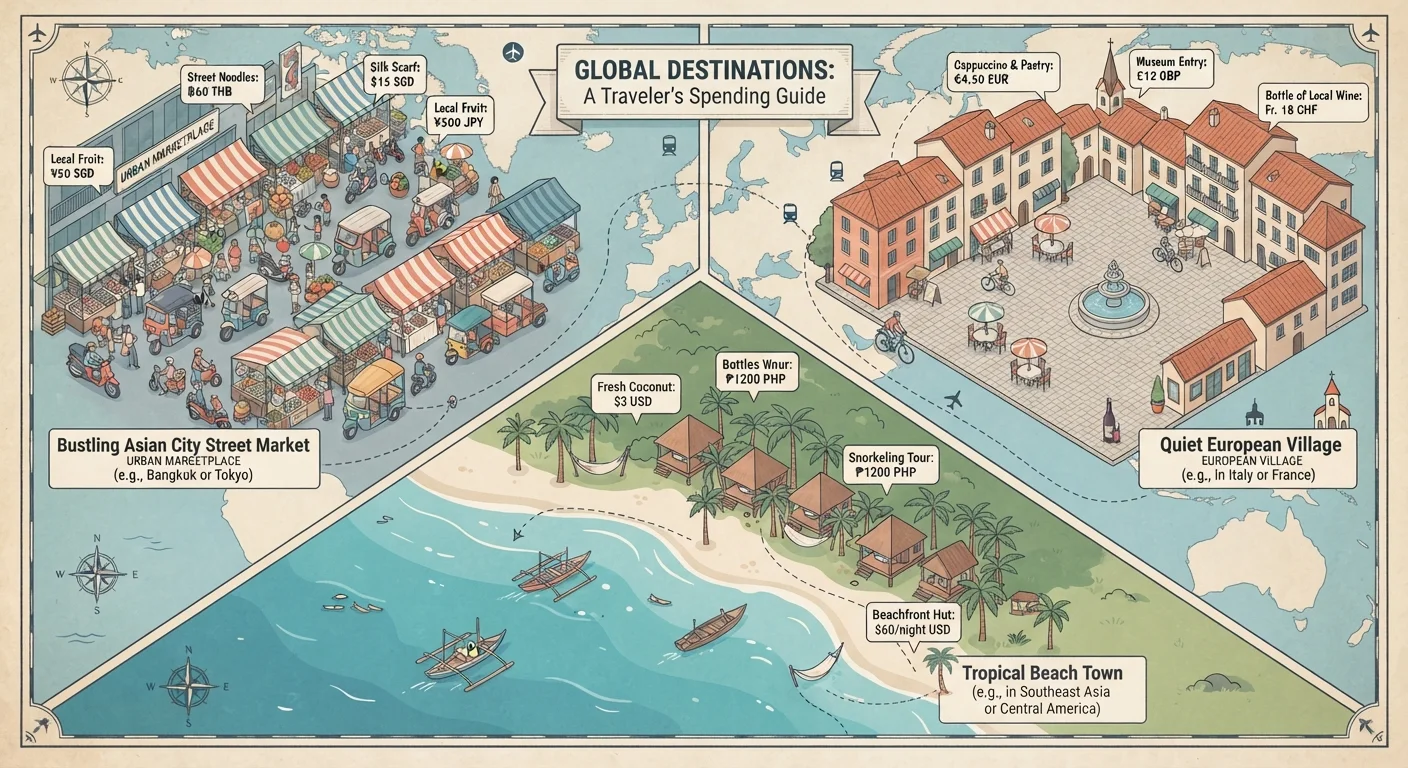
- Tips: In the US, tipping expectations cover hotel housekeeping ($2-$5 per night), restaurant servers (18-20%+), rideshare drivers, tour guides, and spa staff. International tipping norms vary significantly-research your specific destination. Destination cost profiles differ more than most people expect.
- Activity admissions: National park entry fees, museum tickets, guided tours, and entertainment add up fast. A family of four visiting a popular theme park or national monument can easily spend $150-$400 in a single day on admissions alone.
- Local transportation: Rideshares, rental car fuel, tolls, parking, subway cards-none of these typically appear in a base hotel or flight cost.
The Fees You Didn't Read in the Fine Print
The hospitality and travel industries have become sophisticated at separating advertised price from actual price. Three categories are especially common:
- Resort fees and destination fees: These are mandatory daily charges added at hotel check-in, typically ranging from $20 to $50+ per night. They are not included in the rate you saw when booking. A seven-night stay can carry $140-$350 in fees that weren't visible during search.
- Currency conversion and foreign transaction fees: Using a standard US credit or debit card abroad can trigger fees of 1-3% per transaction plus unfavorable exchange rates if you accept dynamic currency conversion at the point of sale. On a longer trip, this compounds meaningfully.
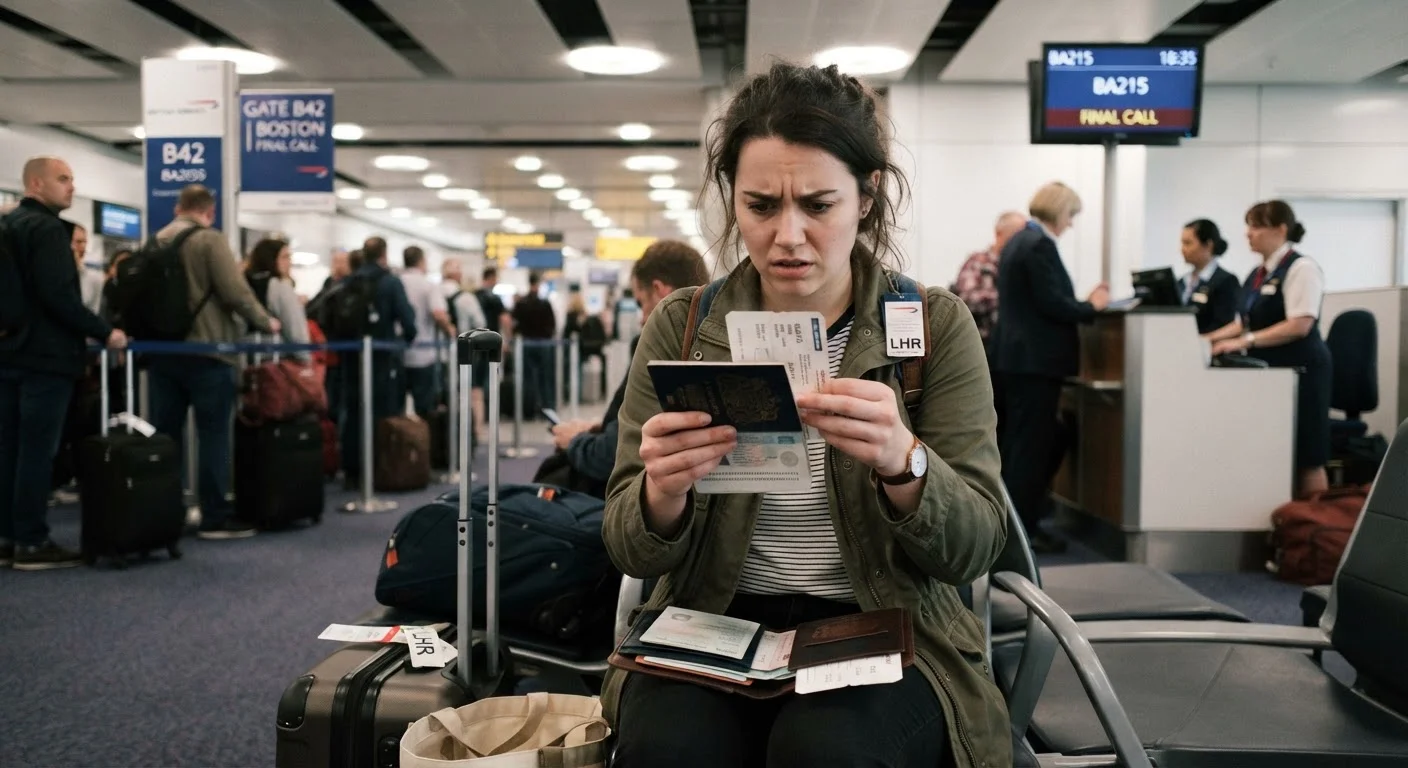
- Flight change and rebooking fees: Even "flexible" fares have limits. Understanding the difference between direct and connecting flight trade-offs includes understanding what a missed connection actually costs to resolve.
Read the Hotel's Fee Disclosure Before Booking
Many hotel booking platforms display resort fees only on the final confirmation screen-not in search results. Before committing, scroll to the full price breakdown or visit the hotel's own website to confirm what mandatory fees apply per night. On a week-long stay, this check can save you from a $200+ surprise at check-in.
The pattern of fees extending beyond the advertised price isn't unique to travel-it mirrors how hidden costs quietly erode monthly budgets across many spending categories. The discipline is the same: read the full terms before committing.
Building a Budget That Reflects Reality
The solution isn't pessimism-it's completeness. A realistic travel budget accounts for every phase of the trip, not just the parts that appear on a booking confirmation.
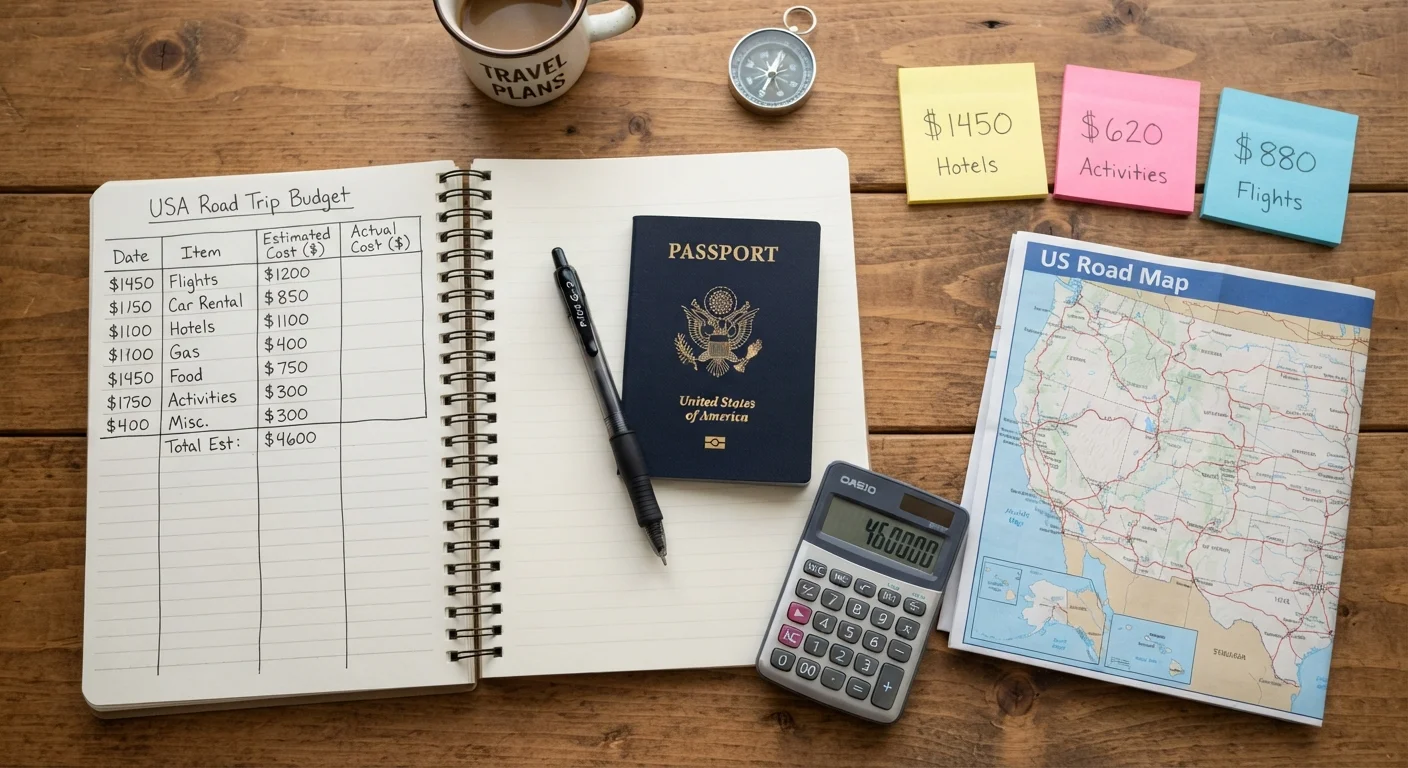
Start by listing costs in three columns: pre-departure, daily on-the-ground, and return. Populate each category with a realistic estimate, not a hopeful one. Then add a 10-15% contingency buffer on top of the total. If you don't spend it, you keep it. If something unexpected happens, you're covered without derailing the rest of the trip.
For a deeper look at where budgets tend to come apart-and how to course-correct mid-trip-see where travel budgets break down and what to do differently. And if you're weighing a so-called budget trip, it's worth understanding why cheap travel is more complicated than it looks before assuming a low sticker price means a low total cost.
The travelers who stay on budget aren't necessarily spending less-they're planning more honestly. That starts with knowing what to include in the first place.