Why Budgeting Before You Book Actually Matters
Most people experience the same pattern on their first trip: they price out flights, pick a hotel, and assume the rest will work itself out. It rarely does. Without a pre-trip budget, spending decisions happen reactively - and reactive decisions consistently cost more than planned ones.
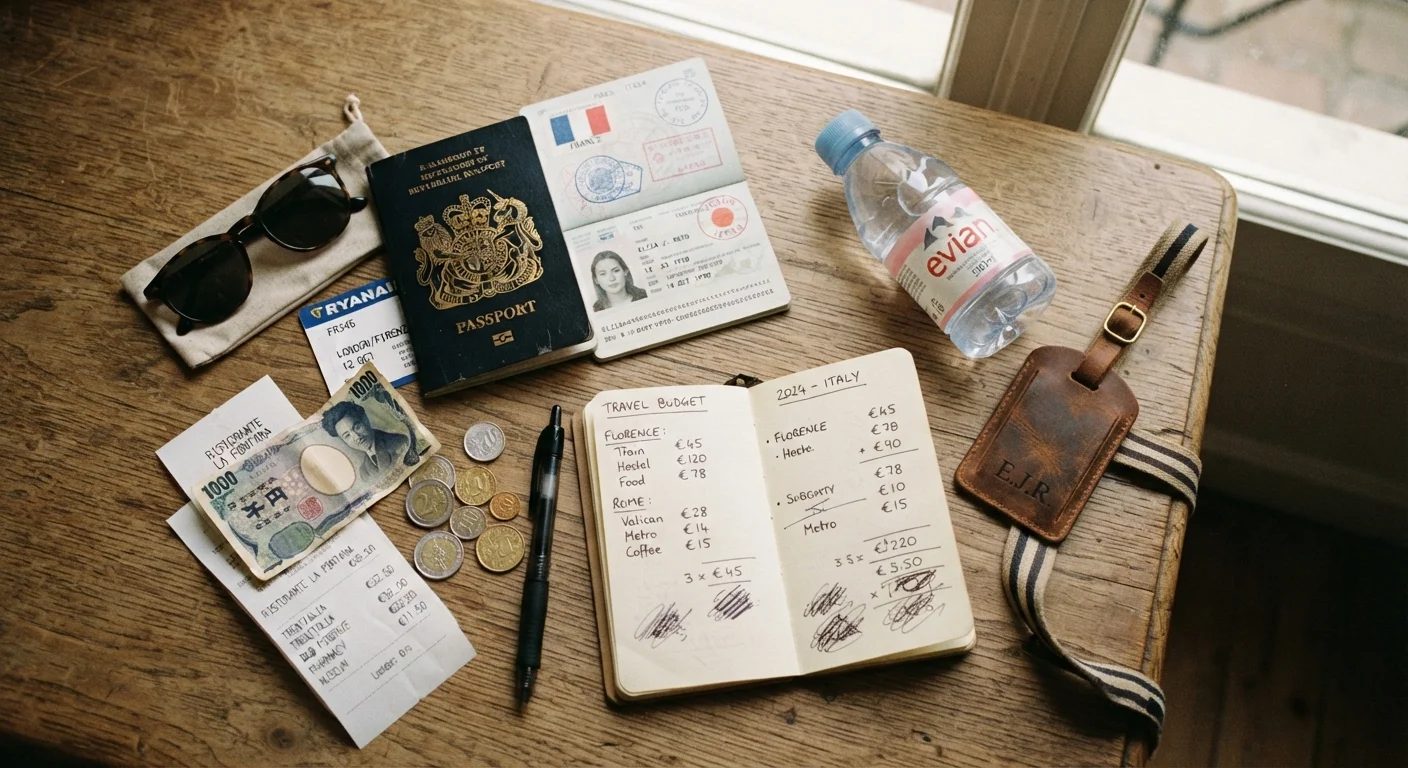
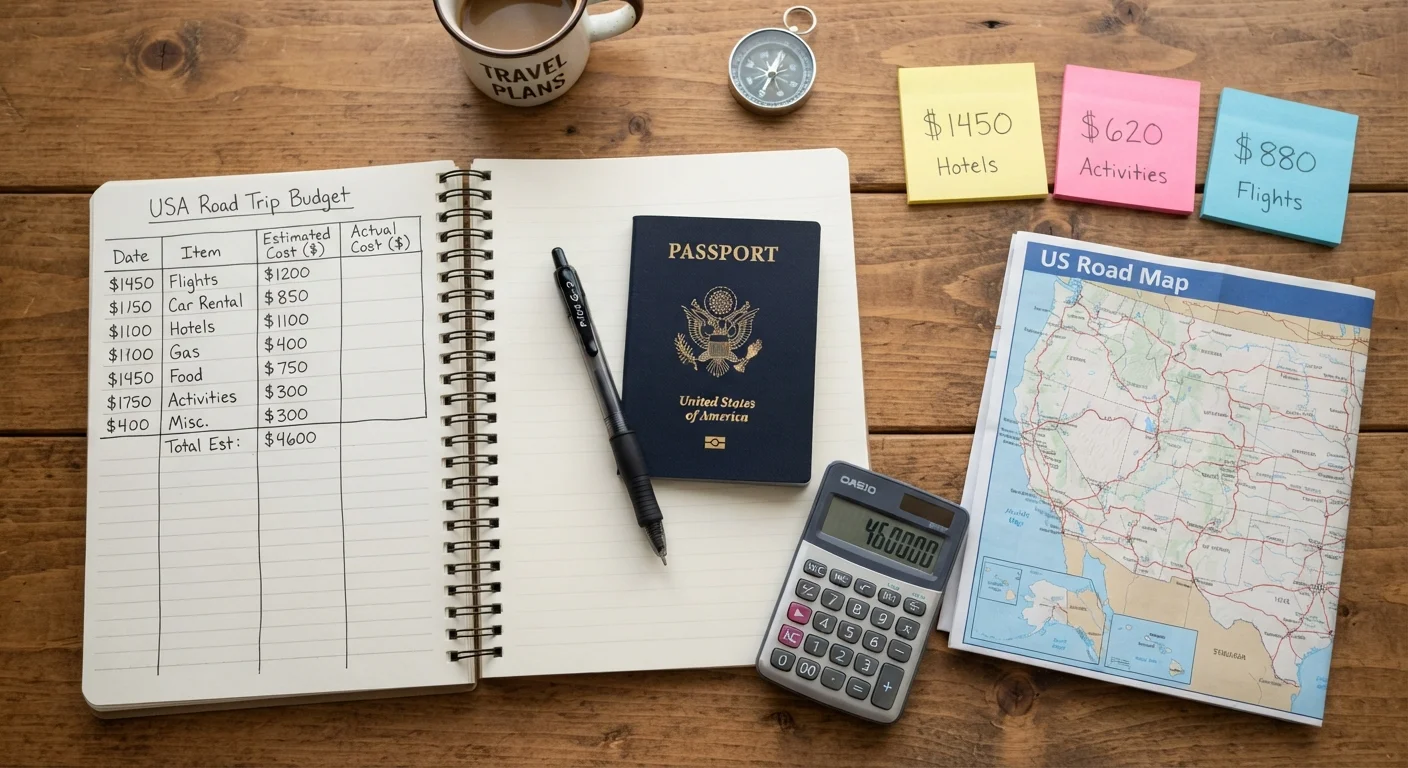
A travel budget does two specific things. First, it tells you whether the trip you're imagining is realistic with the money you have. Second, it gives you a framework to make trade-offs consciously - choosing a cheaper accommodation style so you can spend more on experiences, for example - rather than discovering you've overspent only when you check your bank balance mid-trip.
Budgeting before you book also changes what you book. Knowing your total lodging allowance before you search prevents anchoring to prices you can't actually afford. For a structured overview of the full trip logistics planning process, including how financial decisions connect to booking sequences, that companion guide covers each stage in order.
Per-day spending rate
The average total amount you expect to spend in a single day of travel, including a prorated share of fixed costs like lodging. Multiplying this by trip length gives a quick total budget estimate.
Fixed costs
Travel expenses that are set before the trip and don't change based on daily decisions - flights, hotel reservations, and prepaid tours are common examples.
Variable costs
Expenses that shift based on your choices during the trip, such as meals, entertainment, and local transportation. These are the categories most travelers adjust when a budget runs tight.
Incidentals
Small, miscellaneous expenses that aren't part of a planned itinerary - tips, convenience purchases, minor health needs, or unexpected transit costs. They're individually small but collectively significant.
Emergency cushion
A reserved portion of your travel budget - typically 10-20% of total estimated costs - set aside specifically for unexpected expenses like cancellations, medical needs, or unplanned overnight stays.
Dynamic pricing
A pricing model used by airlines, hotels, and some attractions where prices change based on demand, timing, and availability rather than staying fixed.
The Core Cost Categories Every Traveler Should Know
A reliable travel budget always accounts for six categories. Missing even one is usually where budgets fall apart.
- Transportation: Flights, train tickets, gas, rental cars, rideshares, parking, and airport transfers. Don't budget only for the primary leg - factor in every movement.
- Lodging: Nightly rate multiplied by nights, plus any mandatory fees (resort fees, city taxes, parking surcharges) that often don't appear in the advertised price.
- Food and drink: Three meals a day adds up. Be honest about whether you'll cook, grab fast-casual, or sit-down dine - the cost difference across a week can exceed several hundred dollars.
- Activities and admission: Museums, parks, tours, attractions. Many popular destinations charge $20-$40 per person per activity, and a full itinerary can easily consume $200-$400 in entry fees alone.
- Incidentals: Tips, souvenirs, over-the-counter medications, phone chargers, luggage fees, convenience store runs. These are documented in depth in the guide to small travel costs that add up fastest.
- Emergency cushion: Set aside 10-20% of your total estimated budget before finalizing the plan. For more on sizing this buffer, see the travel emergency fund guide.
Always Check for Mandatory Fees Before Budgeting Lodging
The nightly rate shown in search results often excludes resort fees, city occupancy taxes, and parking charges that can add $20-$60 per night to your actual cost. Before locking in a lodging budget figure, look up the total charges for your specific dates including all fees. This prevents a significant gap between your planned and actual accommodation spend.
How to Estimate Costs Without Prior Experience
The per-day method is the most practical starting framework for first-timers. Estimate what you expect to spend in a single average day - lodging prorated, three meals, one activity, and a small incidental buffer - then multiply by trip length.
To anchor that daily estimate, look up real prices rather than guessing. Check accommodation listing platforms for your exact dates. Read restaurant menus in your destination. Review rideshare pricing for the city. Travel forums where recent visitors share actual receipts are consistently more accurate than headline travel articles. If you're traveling internationally, also factor in currency conversion costs and potential exchange rate movement.
Once you have a per-day estimate, stress-test it. Ask: What if one day costs 30% more than expected? What if the flight home is delayed and you need an extra night? Building flexibility in at the estimation stage prevents a single surprise from blowing up the entire plan.
For a deeper walkthrough of the full estimation process, the step-by-step travel budget planning framework takes each category through a structured calculation sequence.
The Habits That Keep First-Time Budgets on Track
A budget written before departure only works if you maintain it during the trip. Three habits make the biggest difference:
- Track spending daily, not at the end: Review what you spent each evening. Small overruns caught early are correctable; ones discovered on the last day aren't.
- Use a single payment method where possible: One card or one cash envelope per category makes it easy to see where you stand without reconstructing a dozen transactions.
- Decide before you arrive which categories are flexible and which aren't: Knowing in advance that lodging is fixed but food is adjustable prevents on-the-spot decisions that trade away important priorities for convenience.
Spending tracking also feeds your next trip's budget. The best cost data you will ever have is what you actually spent - saved from this trip and used as a baseline for the next one.
Your First Budget Won't Be Perfect - That's Fine
First-time travel budgets almost always have gaps, whether from underestimating meal costs, missing a fee category, or misjudging how much you'll spend on convenience. The point isn't perfection - it's having a reference point you can compare against reality. Every trip you track gives you more accurate data for the next one, and the process gets sharper with each iteration.
Where to Go From Here
This guide covers the foundation. Once you're comfortable with cost categories and the per-day estimation method, the next step is building a full trip-specific budget with real numbers attached to real decisions.
The complete guide to planning a trip around a fixed budget walks through every financial decision from destination selection to final-day spending, structured around a set dollar amount. For anyone who wants to deepen their general budgeting skills alongside travel planning, the budgeting basics hub covers spending tracking and monthly budget frameworks that transfer directly to trip planning.
If terminology is a barrier - terms like per diem, dynamic pricing, or deadhead costs - the travel budget terminology guide is a quick-reference glossary worth bookmarking. And for the logistical side of planning - flights, documents, accommodations - the trip logistics hub covers those decisions in parallel.
Travel budgeting is a skill that improves with repetition. The first budget you build will be imperfect. That's expected and fine - the goal is to get a number on paper, test it against reality, and refine your process for next time.