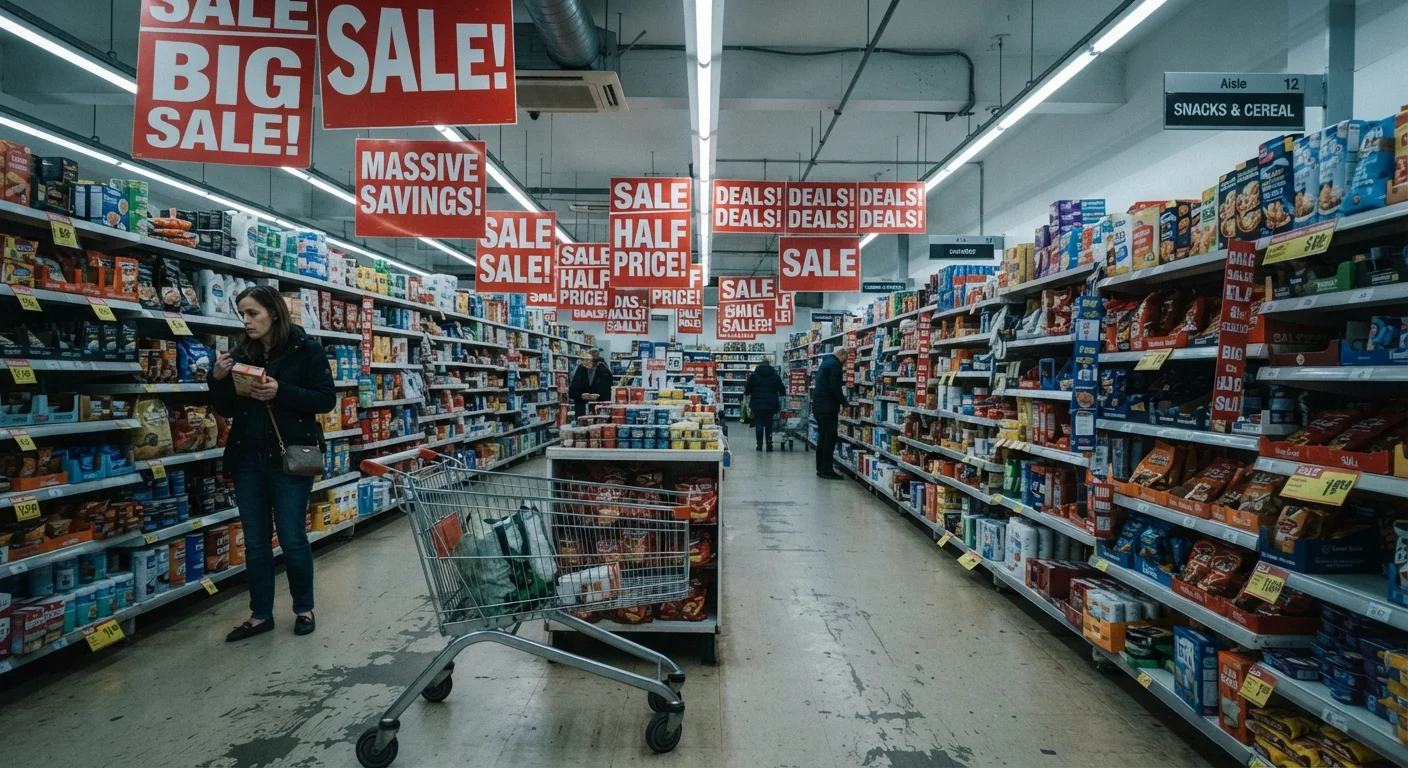
Why Sale Signage Is Designed to Feel Like Math
Retail discount signage presents what looks like a straightforward calculation: original price minus sale price equals your savings. But the equation only holds if every variable in it is accurate. The reference price - the number the discount is measured against - is the variable most likely to be unreliable.
Consumer behavior research, including studies on what's known as "price anchoring," shows that a high reference number shifts how shoppers perceive value, independent of what that number actually represents. A $200 item marked down from a $400 "original" feels like a bargain even when the item never genuinely sold at $400. The perception of savings is doing the work, not the arithmetic. Our guide to retail pricing psychology covers anchoring and related tactics in more depth.
Reference Prices May Not Reflect Reality
The FTC has long scrutinized "was/now" pricing. A reference price is only meaningful if the item was genuinely sold at that price for a substantial period. When retailers set artificially high reference prices, the apparent discount is partly or entirely fictitious. Always verify an item's actual price history before assuming you're saving money.
The Myths That Cost Shoppers the Most
Several persistent beliefs about sale pricing lead consumers to spend more than they intended - or more than necessary. Each of the following myths is grounded in an understandable assumption; each is also regularly exploited by retail pricing strategy.
Myth
A 40%-off tag means I'm saving 40% compared to what I would have paid.
Fact
The savings are only real if the reference price reflects what the item actually sold for - which retailers are not always required to demonstrate.
Percentage-off claims are anchored to a reference price - sometimes called a "compare at" or "original" price. Regulatory standards for what qualifies as a legitimate reference price vary by state and enforcement context. When a reference price is set artificially high, the stated discount overstates real savings. Consumer advocates recommend checking third-party price history tools to see what an item has actually sold for over time. Price tracking tools can surface this data quickly.
Myth
Buying in bulk during a sale always saves the most money.
Fact
Bulk purchases only save money on units you actually consume before the product expires, degrades, or becomes obsolete.
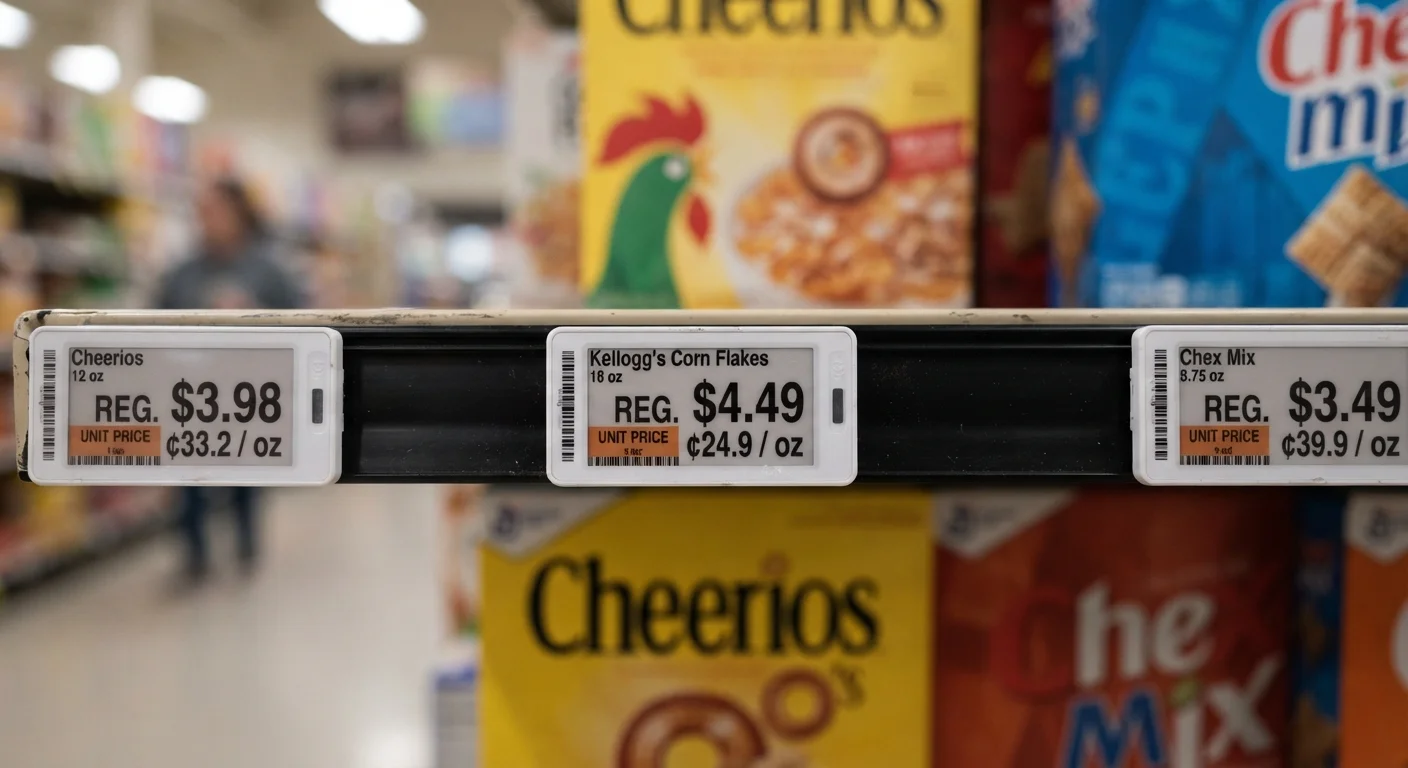
The per-unit math on bulk deals can look compelling, but the true savings depend on your realistic consumption rate. Perishables spoil, cleaning products take up storage space, and electronics become outdated. If you buy four of something and use two, you've paid the full cost for items you don't benefit from. Unit pricing labels help you do the per-unit math correctly before committing to a large quantity.
Myth
Sale season events like major holiday weekends guarantee the lowest prices of the year.
Fact
For many product categories, prices during high-profile sale events are not the annual lows - and may be matched or undercut at other times of year.
Retail pricing follows category-specific cycles that don't always align with widely advertised sale events. Appliances, for example, often see their deepest markdowns around model-year transitions, while apparel clears inventory at end-of-season. Understanding those patterns helps more than chasing any single promotional weekend. Our seasonal sales calendar guide maps these cycles across common categories.
Myth
The lowest sticker price is always the cheapest way to buy something.
Fact
Total cost of ownership - including installation, maintenance, accessories, and longevity - frequently reverses which option is actually cheaper.
A lower upfront price can be offset by higher ongoing costs. A cheaper appliance that requires more frequent repairs, or a discounted item that requires proprietary accessories, may cost more over its useful life than a higher-priced alternative. Hidden costs after purchase - from compatibility issues to shortened lifespan - are a consistent blind spot for price-focused shoppers. Evaluating total cost before buying is a more reliable framework than comparing sticker prices alone.
Myth
Loyalty program discounts represent straightforward savings off normal prices.
Fact
Loyalty pricing structures often involve inflated non-member prices that make member prices appear more favorable than they are.
Some grocery and retail chains use a two-tier pricing structure where the non-member shelf price is set higher than what most shoppers would consider a market rate, while the loyalty price is closer to a competitive norm. The net result is that the "savings" shown at checkout may reflect pricing architecture rather than a genuine reduction. Comparing loyalty programs and cashback approaches requires looking at what you're actually paying, not what you're supposedly saving.
Urgency Framing Is a Pressure Tactic
Countdown timers, "only 3 left" notices, and flash-sale windows are specifically engineered to compress your decision time. Research in consumer behavior consistently shows that time pressure increases impulsive spending and reduces price comparison. If you feel rushed, that's a signal to pause - not to buy. A deal that evaporates in 20 minutes probably wasn't that exclusive to begin with. See our look at flash sale tactics for more detail.
How to Verify Whether a Discount Is Genuine
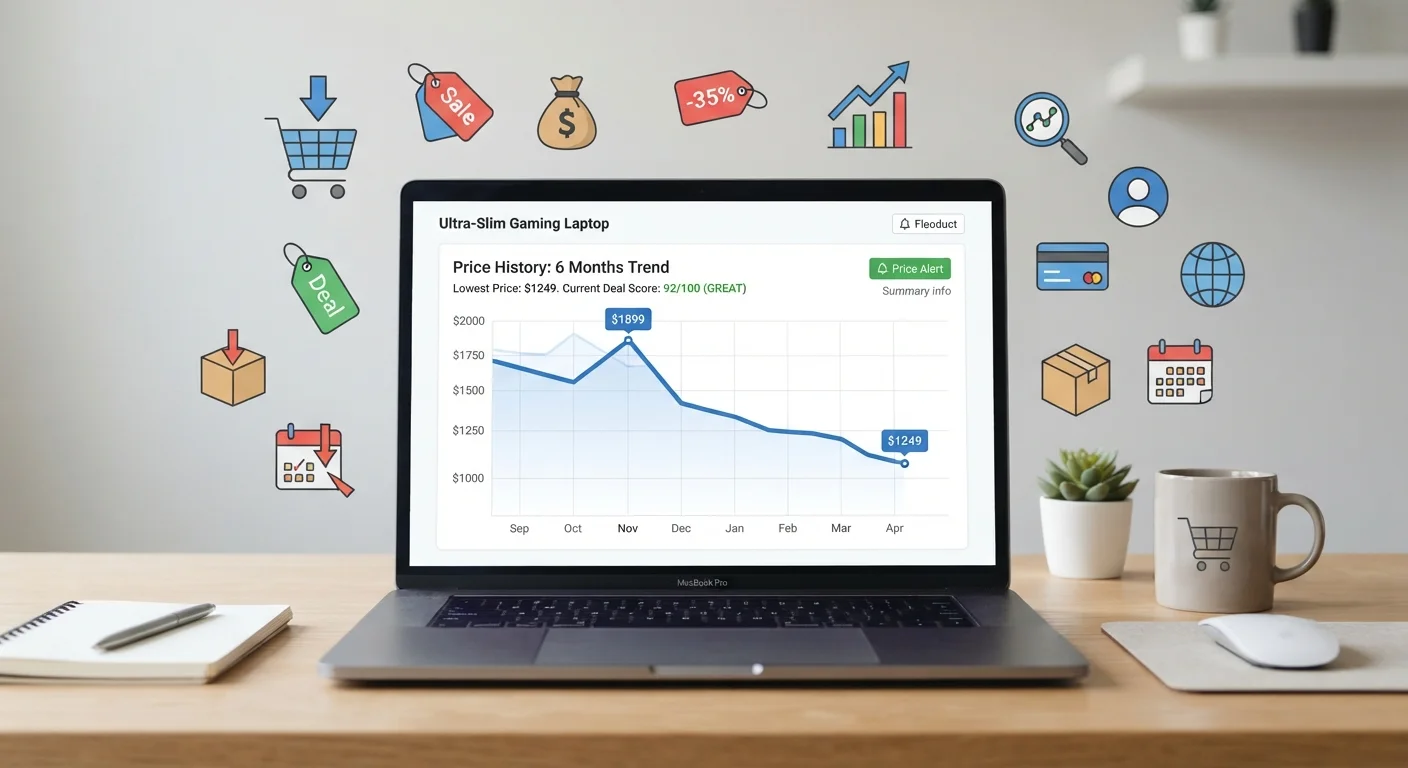
The most reliable counter to inflated reference pricing is price history. Before buying an item at a sale price, check what it has actually sold for over the past 60 to 90 days using a browser extension or price-tracking service. If the current "sale" price is roughly the same as its typical price, the markdown is largely cosmetic.
For big-ticket purchases, it's also worth understanding the total cost picture - not just the tag. Post-purchase costs like delivery, setup, extended warranties, and consumables regularly close the gap between a discounted item and a pricier competitor.
~60%
Shoppers who rarely check price history before buying on sale
Consumer surveys consistently find the majority of shoppers rely on in-store signage rather than independent price verification when evaluating sale claims.
2-4x
Typical markup before major sale events in some categories
Retail pricing research has documented reference price inflation ahead of promotional windows, particularly in fast-fashion and home goods.
Finally, consider whether stacking additional discounts - such as a cashback portal on top of a sale price - is both permitted and worth the effort. Discount stacking has real potential but also common pitfalls that can catch shoppers off guard.
This article is for general informational and educational purposes only. It does not constitute financial, legal, or consumer-law advice. Retail pricing laws and enforcement standards vary by jurisdiction; consult relevant consumer-protection resources or a qualified professional for guidance specific to your situation.