Why a Good Deal Can Turn Expensive After the Sale
A sale price grabs attention. What it rarely communicates is everything that comes after: the freight charge, the installation fee, the mandatory service plan, or the cost of disposing of what the new item replaces. These are the costs that erode value quietly - not through deception exactly, but through omission. Retailers aren't required to bundle every downstream expense into the advertised number, and most don't.
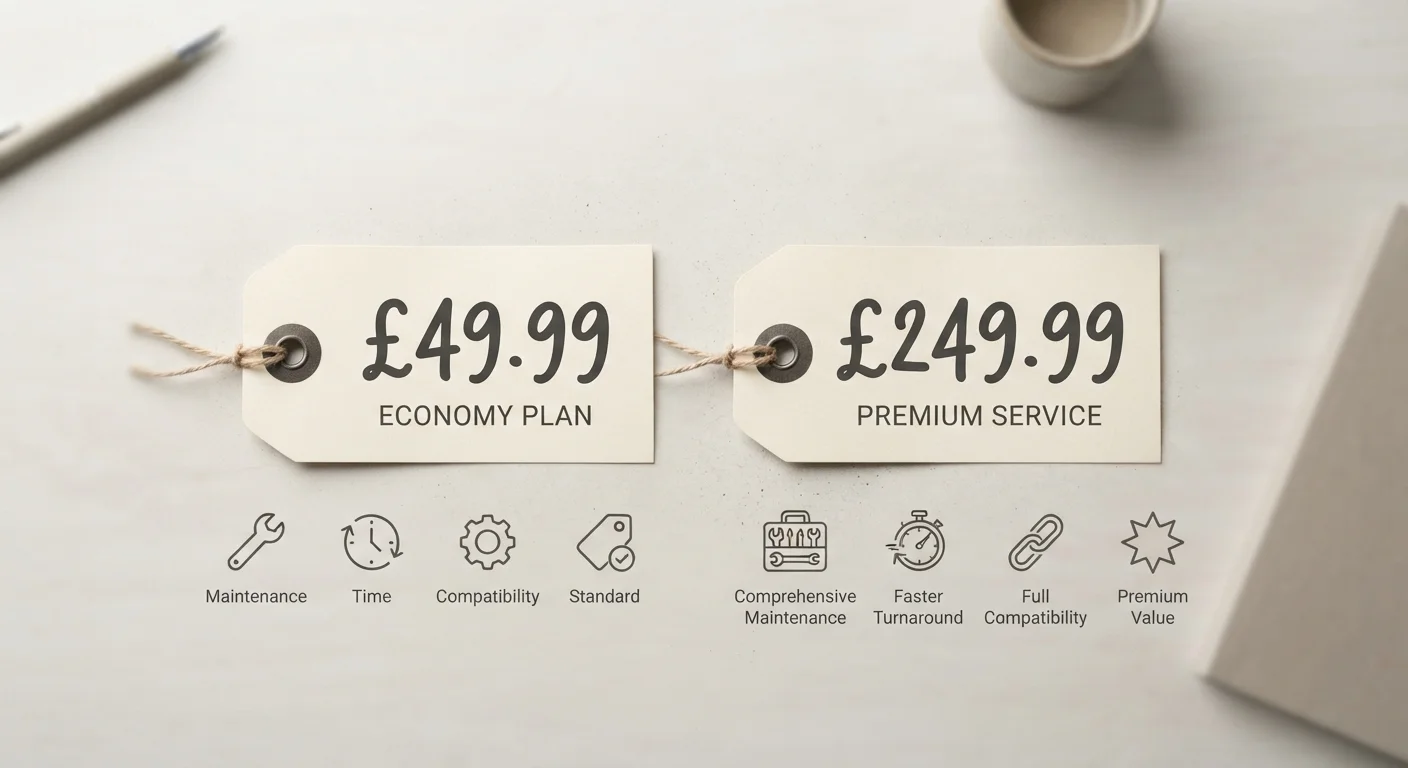
This pattern shows up across virtually every purchase category. A discounted appliance may require a paid delivery window, professional installation, and a haul-away fee for the old unit. A low-priced smart device may lock useful features behind a monthly subscription. Understanding this isn't about suspicion - it's about budgeting accurately. As total cost of ownership analysis consistently shows, the sticker price and the true price are often two different numbers.
Treating the advertised price as the total price without investigating delivery, installation, or setup costs.
Why it happens: Retailers typically advertise the lowest possible number to attract attention, leaving ancillary costs in fine print or checkout screens.
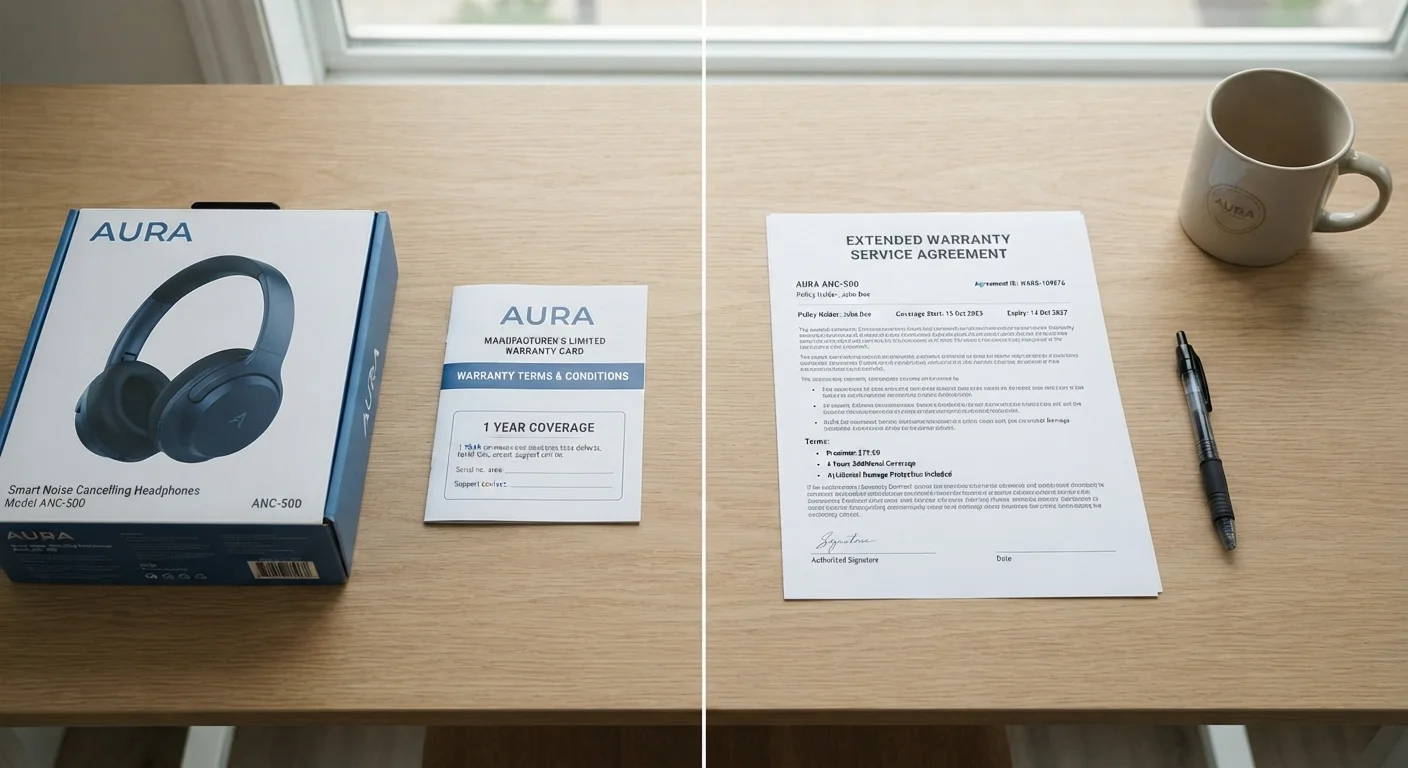
Paying for an extended warranty that duplicates coverage already provided by the manufacturer or your credit card.
Why it happens: Most shoppers don't know their credit card may automatically extend manufacturer warranties, and salespeople rarely volunteer this information.
Overlooking mandatory subscription or service fees attached to a product after purchase.
Why it happens: Connected devices and smart home products often advertise hardware prices while burying ongoing software or cloud-service costs in terms and conditions.
Ignoring disposal or haul-away fees when replacing large appliances, electronics, or furniture.
Why it happens: Disposal logistics are out of sight during the excitement of a purchase, and retailers don't typically include these costs in promotional comparisons.
Forgetting that accessories or consumables required for basic function add substantially to the real purchase price.
Why it happens: Printers, power tools, and similar products are priced attractively at the hardware level while consumables - ink, blades, batteries - carry high margins and ongoing cost.
How to Protect Your Budget Before You Commit
The most reliable defense is a pre-purchase checklist applied before any transaction, not after. Ask the retailer explicitly: What additional costs are required to receive, install, use, and eventually dispose of this item? That single question routinely surfaces charges that never appear in advertising.
Subscription Creep Is a Compounding Problem
A $5/month fee attached to a device sounds trivial at purchase, but over three years that's $180 - often more than the device's sale price discount. When evaluating any connected product, calculate the multi-year total cost including all service fees before comparing it against alternatives. Products that appear cheaper upfront can easily cost more over a realistic ownership period.
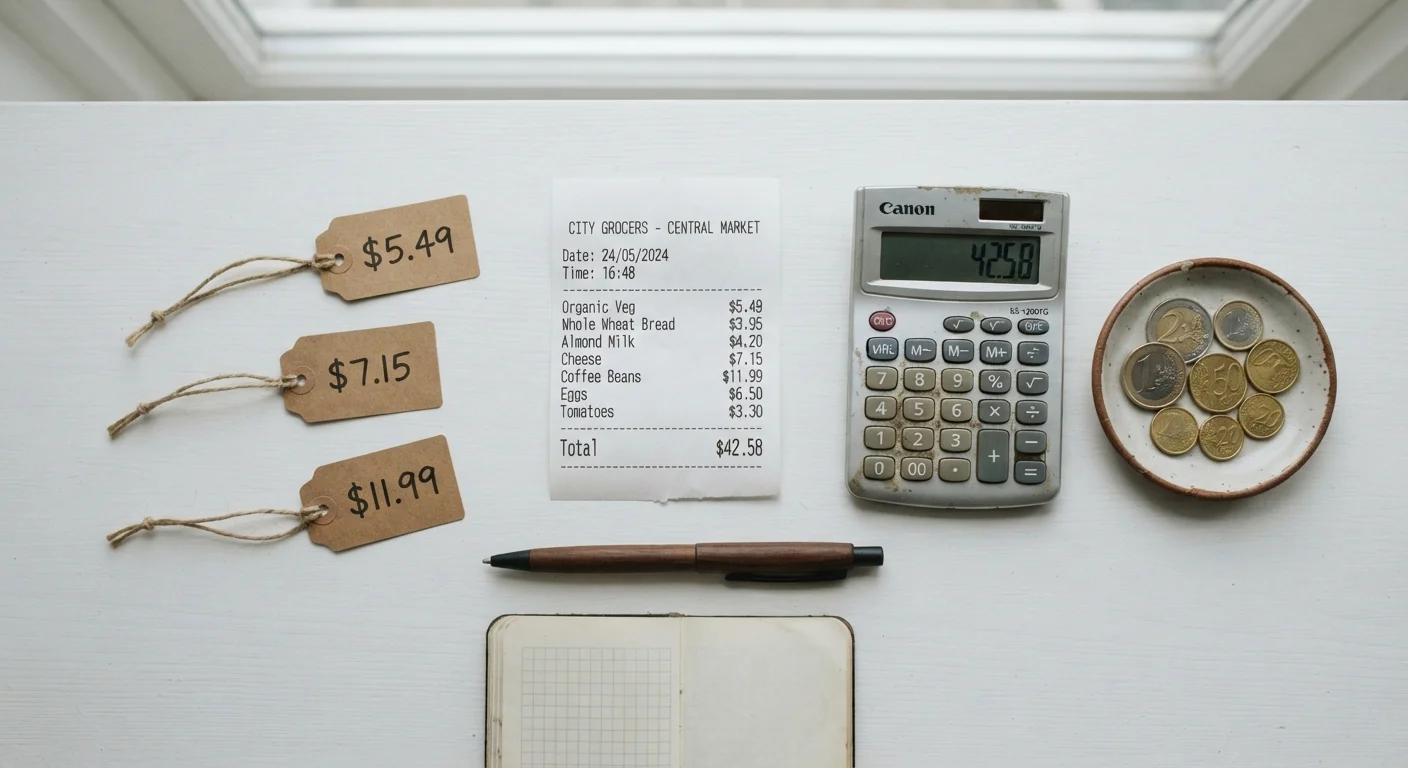
For big-ticket items, build a simple total-cost worksheet. List the sale price, then add columns for shipping and handling, installation or assembly, accessories or consumables required for basic function, ongoing service or subscription fees, and end-of-life disposal. If the sum changes how you feel about the deal, it was never the deal you thought it was. This discipline pairs directly with the broader habit of tracking hidden recurring costs in your monthly budget.
For warranty-related costs specifically, always check what coverage you already have. Many credit cards extend manufacturer warranties by one year automatically, and many manufacturers provide 90-day to one-year coverage as standard. Comparing extended warranties to existing coverage before purchasing additional protection often reveals significant overlap. Similarly, if you're evaluating vehicle-related add-ons, the same scrutiny applies - each dealer add-on deserves individual evaluation rather than blanket acceptance.
Finally, be especially vigilant when time pressure is involved. Urgency is the enemy of thorough cost evaluation. Flash sales and countdown offers are specifically designed to compress the window in which you'd normally do this math. Slow down, run the numbers, and only then decide.
This article is for general informational and educational purposes only. It does not constitute financial or legal advice. Consult a qualified professional for guidance specific to your circumstances.