
How Flash Sales Are Constructed to Work Against You
A flash sale is a time-limited discount event - typically lasting anywhere from a few hours to 48 hours - designed to create urgency through a combination of a countdown clock, a crossed-out 'original' price, and a prominently displayed percentage off. Each of these elements is a deliberate persuasion mechanism, not a neutral signal of value.
The crossed-out price is the first place to be skeptical. Retailers are often free to set a reference price at whatever figure they choose, as long as they can claim it was the price at some point. That 'some point' might be a single day months ago, or a brief listing period at an inflated price before the 'sale' launched. The result: a 60% discount badge on an item that has never sold at that reference price in meaningful volume.
The countdown clock compounds this by removing your most important tool: time to compare. Comparison shopping is the single most reliable way to verify whether a price is genuinely competitive. Flash sales are engineered to prevent exactly that.
Urgency Is a Sales Technique, Not a Signal of Value
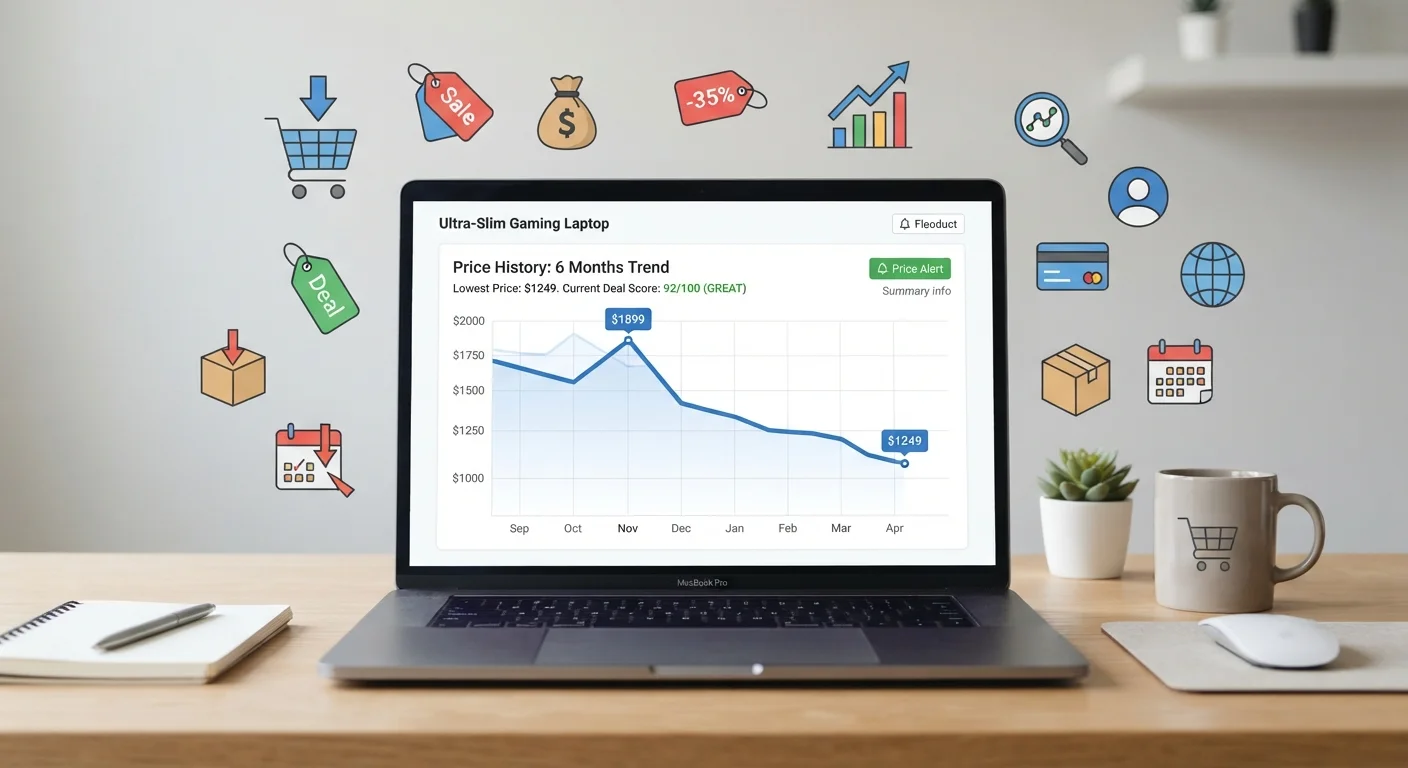
Countdown timers and 'only X left' indicators are deliberate design choices intended to compress your decision-making window. Research in consumer behavior consistently shows that artificial scarcity increases purchase likelihood regardless of actual deal quality. When you feel rushed, that's precisely the moment to pause and check the price history before completing a purchase.
The Mistakes Shoppers Make - and How to Avoid Them
The errors that flash sales exploit are predictable, which means they're also preventable. Understanding why each mistake happens is as important as knowing what to do differently.
Trusting the advertised 'original price' as a real benchmark.
Why it happens: Retailers set reference prices high specifically to make the discounted figure look dramatic. Shoppers reasonably assume a posted original price reflects what the item actually sold for.
Making a purchase decision within the countdown window without researching alternatives.
Why it happens: The timer creates perceived scarcity. Most shoppers don't want to miss out, so they skip the comparison step they would normally take.
Ignoring hidden costs that eat into the advertised discount.
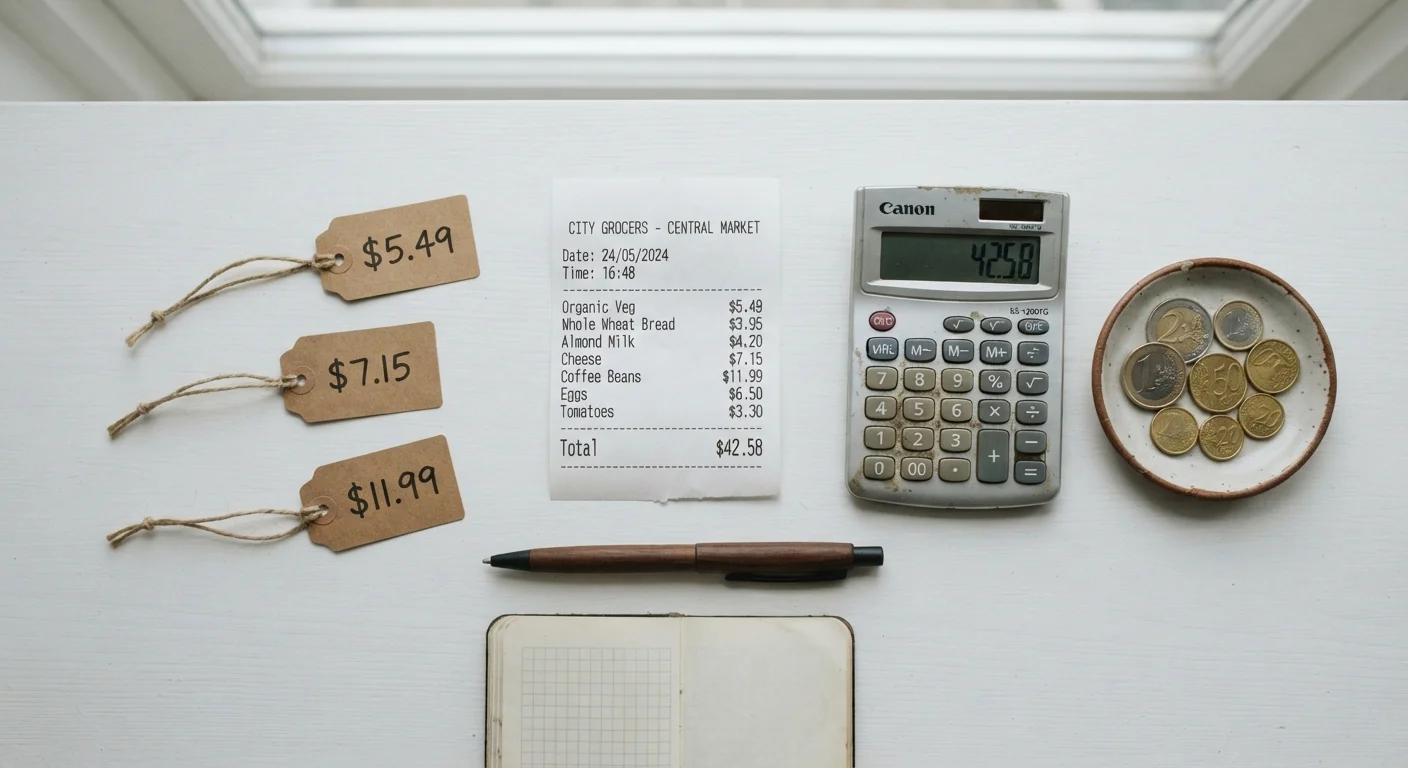
Why it happens: Flash sale pages emphasize the discounted item price and suppress shipping, handling, or restocking fee information until checkout.
Assuming a flash sale represents the best possible price for a given product category.
Why it happens: Marketing language positions flash events as rare and exceptional. Shoppers who don't track seasonal patterns have no reference point to judge this claim.
Buying a product during a flash sale that you hadn't planned to purchase.
Why it happens: Retailers surface flash deals algorithmically to target browsing behavior. A discounted price on something you weren't considering can feel like an opportunity even when there's no real need.
For a broader look at how retail discount claims don't always align with reality, the evidence behind sale pricing myths is worth reviewing before your next major purchase.
What Genuine Savings Actually Look Like
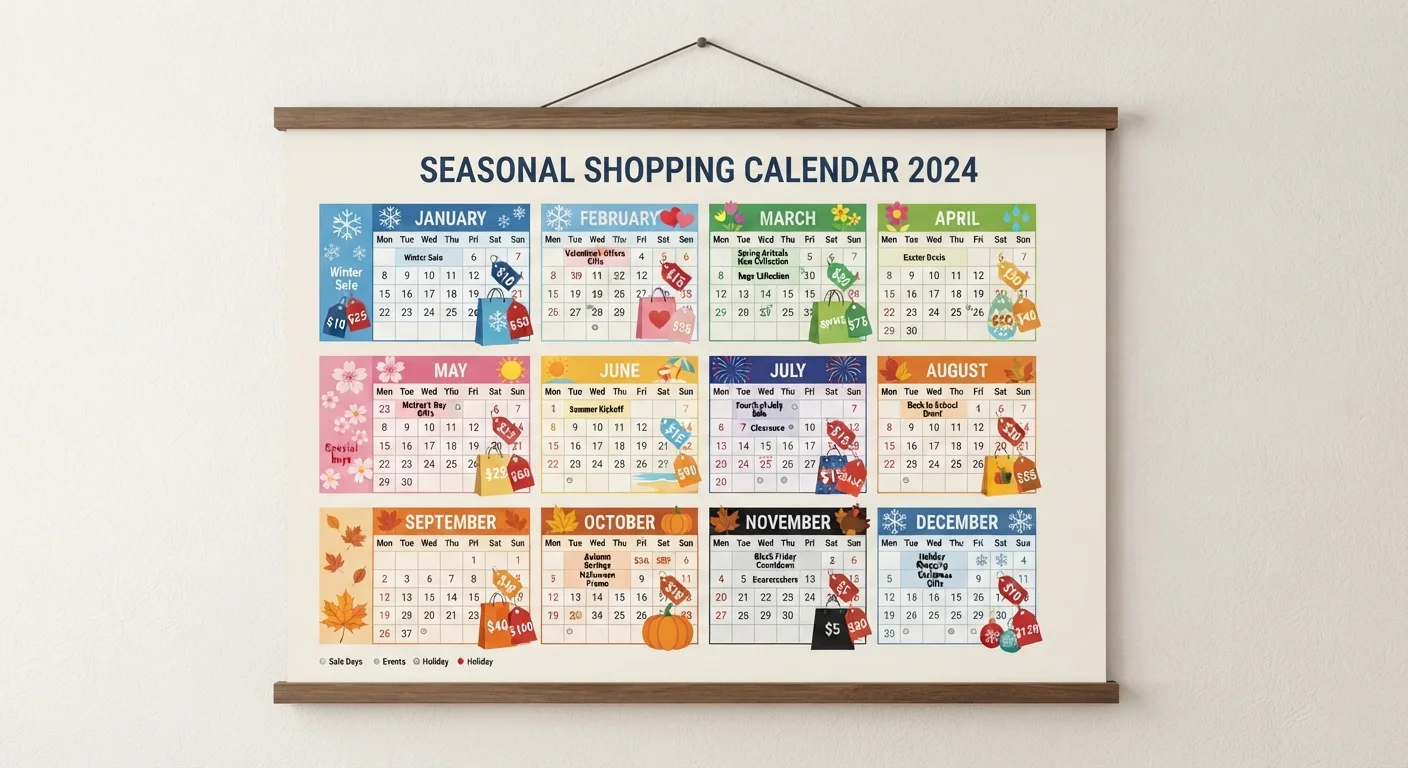
Real discounts don't usually arrive with a countdown clock. They follow inventory cycles, model-year transitions, and seasonal demand patterns that retailers have run for decades. An appliance bought in September or October, for instance, is typically priced lower as retailers clear floor space for new models - no manufactured urgency required.
Reference Prices Are Often Fictitious
The Federal Trade Commission has guidelines requiring that advertised 'original' or 'compare at' prices reflect prices at which items were actually sold - but enforcement is inconsistent and complaints are common. A crossed-out price next to a flash sale figure may never have reflected a real transaction. Before assuming you're saving a percentage, verify the item's actual recent price through an independent source.
The practical takeaway is to shift your shopping posture from reactive to planned. Decide what you need, determine a fair price using historical data, and wait for the market to reach that price. That approach - combined with awareness of peak vs. off-season pricing - consistently outperforms chasing flash events. A flash sale might occasionally offer a genuine low. But that outcome should be verified, not assumed.
~40%
Flash sale items priced at or above non-sale price
A study by consumer watchdog researchers analyzing major retail platforms found that a substantial share of flash sale items carried prices no lower than they had been in the prior 30 days.
2-3×
Impulse purchases multiply under artificial scarcity
Behavioral economics literature consistently documents that time-pressure cues significantly increase unplanned purchase rates compared to static price displays.
If a product listing itself raises questions beyond just the price, also check for warning signs in the listing that signal a seller or product may not be trustworthy - price pressure and listing quality problems often appear together.