Why Timing Is a Pricing Variable, Not Just a Convenience
Most shoppers treat price as the primary lever - hunting coupons, comparing retailers, or waiting for a sale event. But the calendar itself is a pricing variable. Retailers and service providers adjust prices based on demand cycles, and those cycles are largely predictable. Understanding them is a foundational money skill.
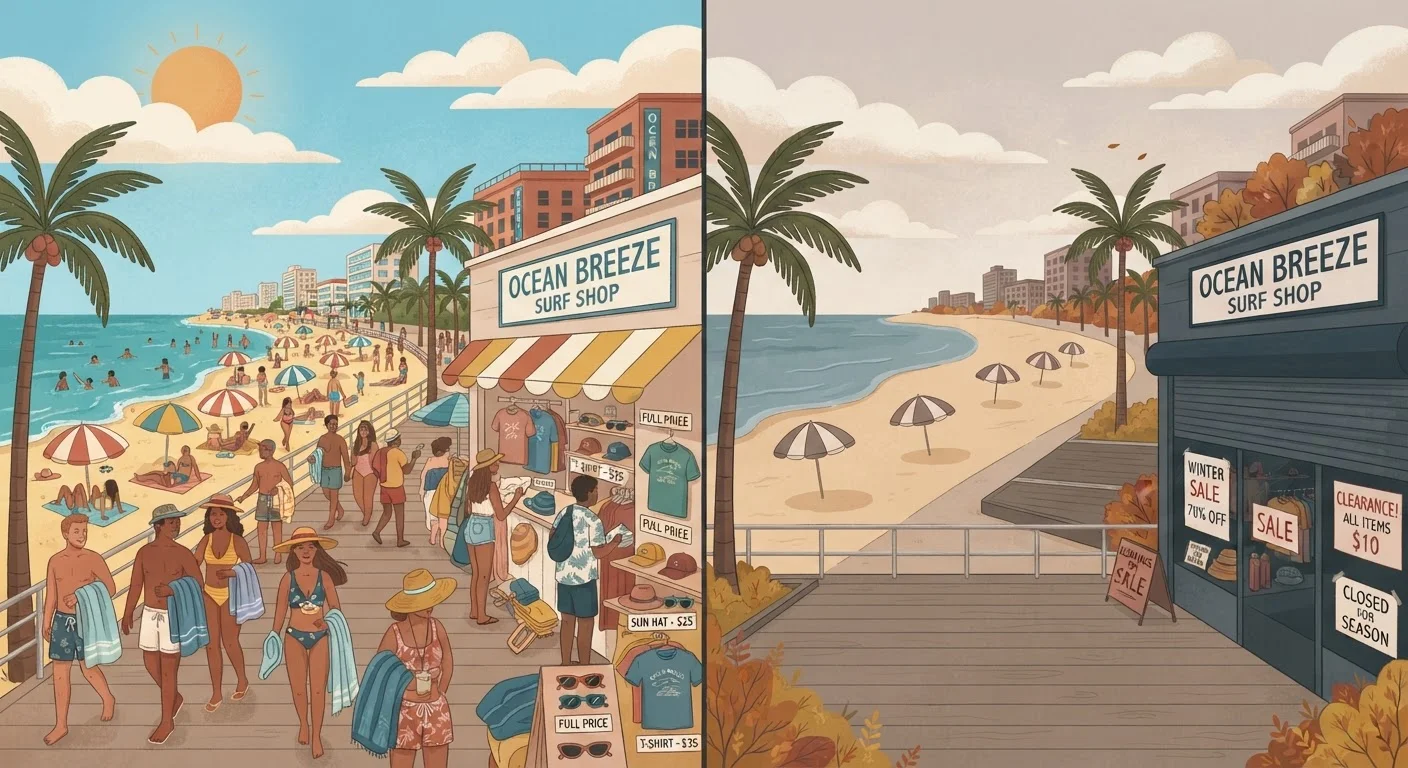
Peak season means high demand. High demand means sellers have less incentive to compete on price. Off-season means lower demand, excess inventory, and motivated sellers - a combination that structurally pushes prices down. This isn't a trick; it's basic supply and demand playing out in real time across nearly every spending category.
The practical question isn't whether off-season pricing exists - it reliably does - but whether your situation gives you the flexibility to wait for it. See how this timing awareness fits into a broader purchase decision framework in our pre-purchase checklist.
Where the Seasonal Pricing Gap Is Largest
Not every category swings dramatically with the season. Here are the ones where the gap between peak and off-season pricing is most pronounced and most consistent:
- Travel and lodging: Airfare and hotel rates in popular destinations can vary by 30-50% or more between peak and shoulder seasons, according to general industry reporting. Flexibility on dates is the single biggest lever travelers have. Our travel budgeting hub covers how to build that flexibility into trip planning.
- Outdoor and patio furniture: Retailers discount heavily in late summer and fall as storage space becomes a cost. Buying a patio set in September rather than May can yield substantial savings with no quality trade-off.
- Seasonal apparel: Winter coats purchased in February or March, and swimwear bought in late summer, typically carry clearance-level pricing. The trade-off is limited size and color selection.
- Holiday décor and seasonal gear: Items sold primarily for a specific holiday are discounted sharply immediately after. Buying next year's wrapping paper or artificial tree in late December is a well-known tactic for good reason.
- Major appliances: New models typically release in late spring and fall, pushing prior-year models into discount territory. Timing around model transitions is an underused strategy.
| Peak Season Buying | Off-Season Buying | |
|---|---|---|
| Typical price level | Higher - demand-driven premium | Lower - seller motivation to clear inventory |
| Product availability | Full selection, stock readily available | Limited sizes, colors, or configurations |
| Flexibility required | None - buy when needed | High - must plan and wait ahead |
| Categories with biggest swing | Travel, seasonal gear, holiday décor | Same categories, inverted |
| Risk of item disappearing | Low - peak stock is well-supplied | Moderate - clearance stock is finite |
| Best paired with | Price tracking, price-match policies | Discount stacking, price-history tools |
The Hidden Costs of Waiting
Off-season purchasing is not a free lunch. There are real trade-offs that need honest assessment before committing to a wait strategy.
Stock and selection risk: Popular sizes, colors, or configurations may be gone by the time discounts appear. Clearance racks offer savings but not necessarily what you want.
Model discontinuation: In electronics and appliances, the "older model" you planned to buy at a discount may be pulled from retail entirely as newer versions arrive.
Urgent need: A broken refrigerator, a trip you must take, a child's back-to-school deadline - real life doesn't always accommodate an optimal purchase timeline. Forcing a wait when a need is genuine can create larger costs through inconvenience or workarounds.
Opportunity cost of capital: Money held in reserve waiting for a future discount isn't earning meaningful returns in most everyday savings vehicles. This is generally a minor factor for smaller purchases but worth acknowledging for larger ones.
Don't Let a Wait Strategy Become Procrastination
Holding off on a purchase in hopes of a better price is only rational when you have a clear target price, a defined timeline, and a genuine ability to wait. Open-ended waiting - especially on items you actually need now - can lead to using a substandard workaround longer than planned, sometimes at greater total cost. Set a specific review date and a price threshold, then commit to one path or the other.
Tactics That Work in Either Season
Whether you're buying at peak or waiting for off-season pricing, a few tactics apply universally and can improve outcomes in both scenarios.
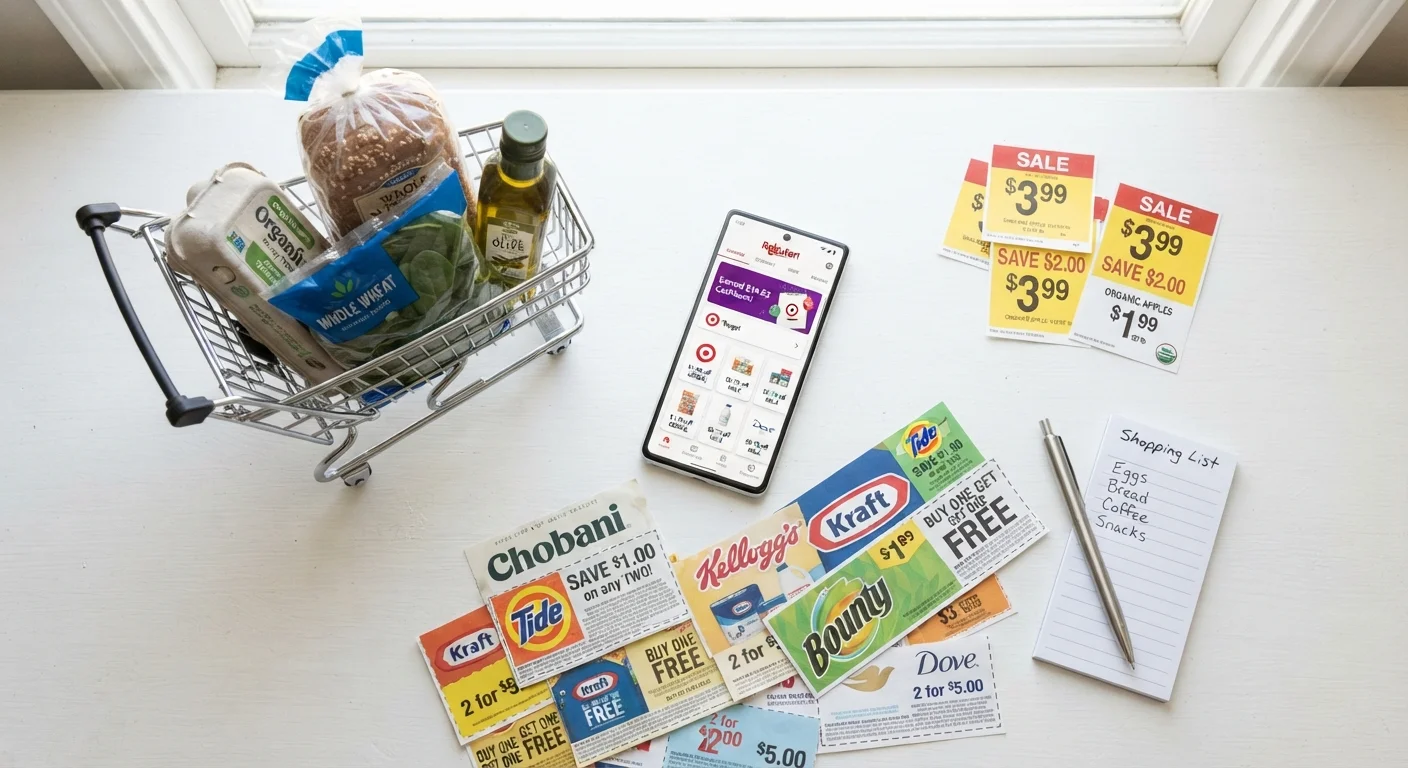
Price tracking: Tools that log a product's price history let you distinguish a genuine discount from a manufactured one. Knowing a product's typical price floor is essential before concluding that any given sale is a good deal. This matters especially during peak retail events - a point explored in depth in our article on why flash sales rarely deliver real savings.
Layering discounts: Off-season pricing and discount stacking aren't mutually exclusive. A clearance-priced item combined with a cashback portal or store credit card can push savings further. Our guide to stacking discounts without getting burned outlines how to do this without running into common pitfalls.
Using the seasonal sales calendar: Retail markdowns follow documented patterns by category. Knowing those patterns in advance - rather than reacting opportunistically - is what separates strategic buyers from impulsive ones. The seasonal sales calendar most shoppers overlook is a practical reference for planning ahead. For readers working within tighter budgets, the same timing principles appear in our tactics for stretching a fixed income.