What Discount Stacking Actually Means
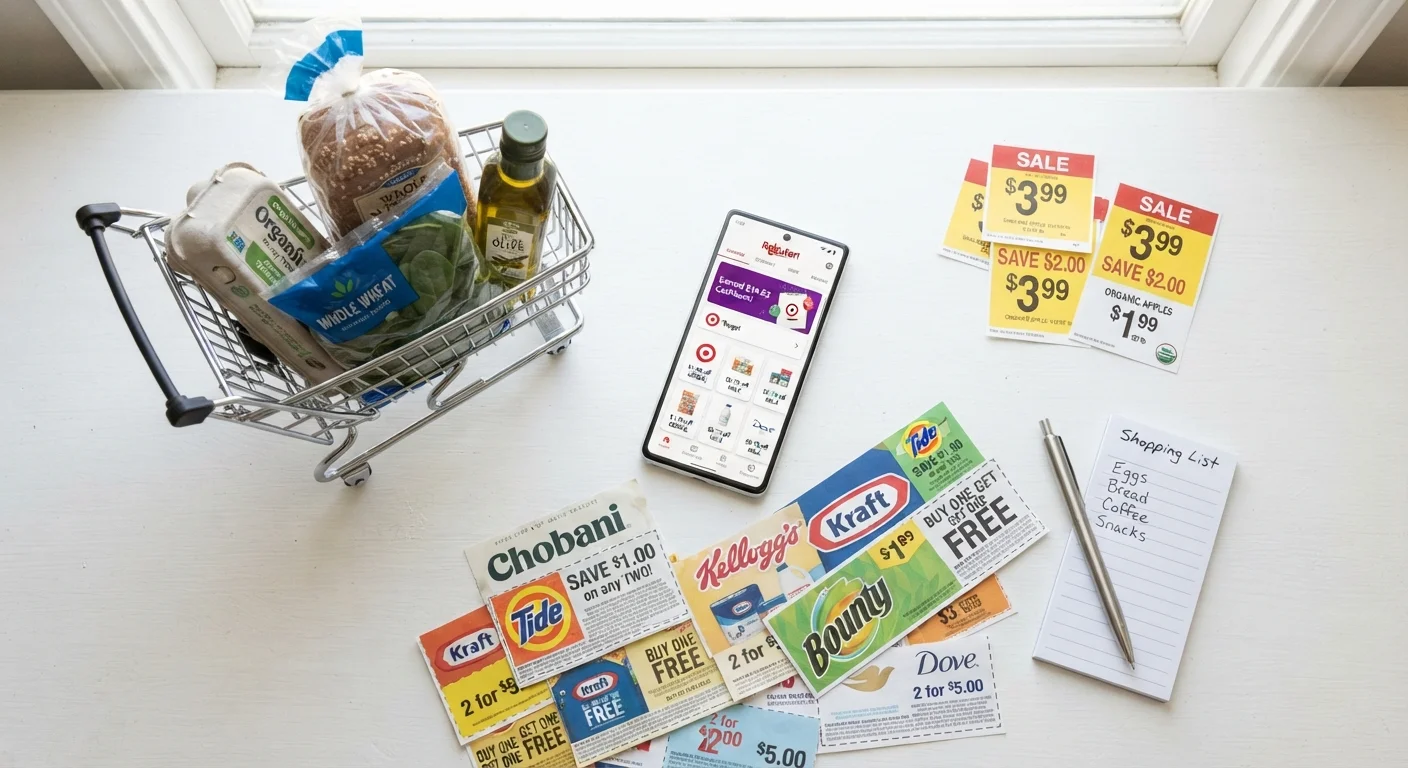
Discount stacking is the practice of applying more than one type of savings mechanism to a single purchase. A typical stack might look like this: a retailer puts a jacket on sale for 30% off, you apply a manufacturer's coupon for an additional $10 off, then you run the transaction through a cashback portal that returns 5% of the purchase price to your account.
Each layer is independently legitimate. The issue is that retailers set their own rules about which combinations are permitted - and those rules vary widely. A store that accepts competitor coupons may not allow stacking a store coupon on top of a manufacturer coupon on the same item. An online cashback portal may exclude purchases made with a certain payment method or during a sitewide promotion.
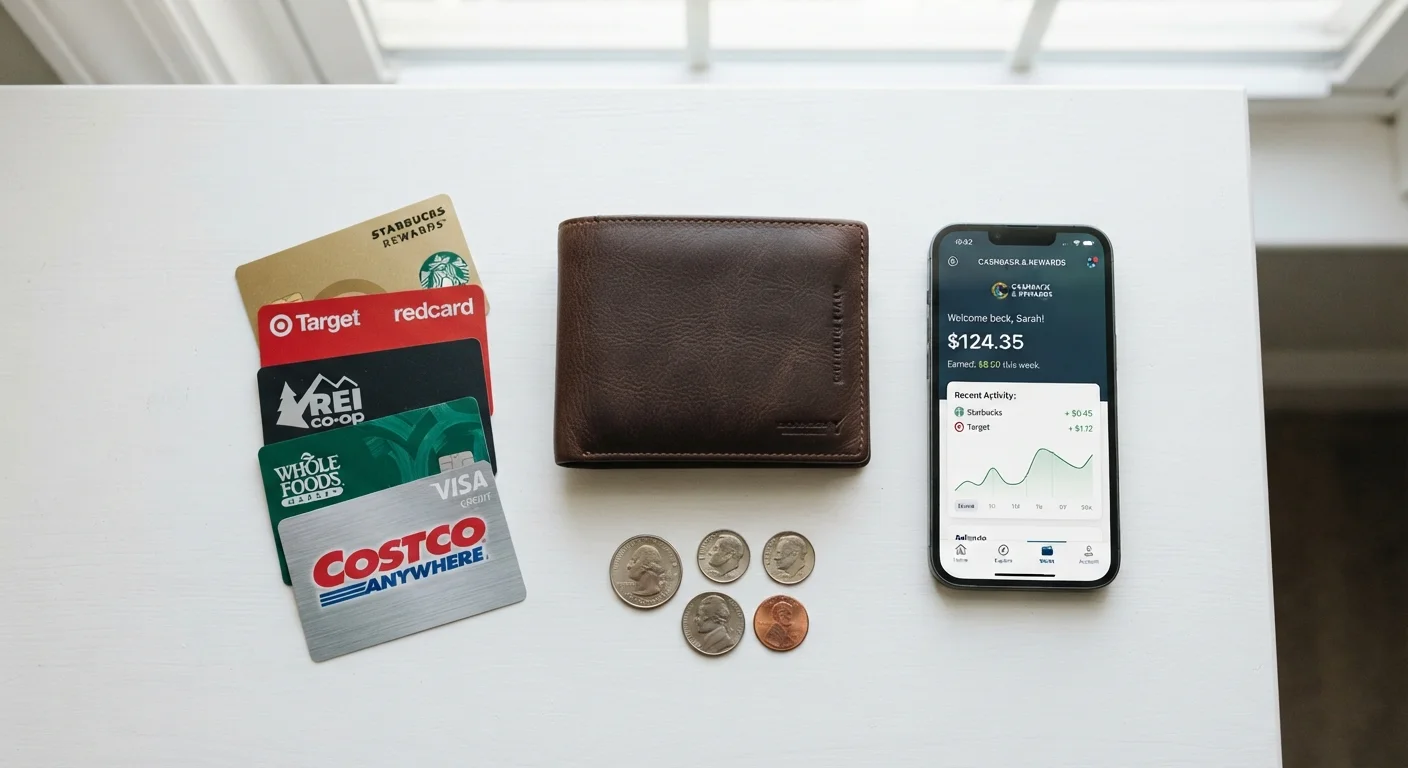
Understanding stacking starts with understanding that "discount" is not a single category. Sale prices, store coupons, manufacturer coupons, loyalty rewards, cashback portals, credit card rewards, and rebate apps each operate through different mechanisms - and each has different compatibility rules. For a deeper look at how retail pricing is structured to begin with, see how retail pricing psychology works against you.
Timing Your Stack Around Sales Events
The highest-value stacks often occur when a legitimate sale coincides with an active cashback promotion from a portal. Cashback rates on portals fluctuate - some retailers offer elevated rates during certain periods. Checking the portal before you buy, rather than assuming a standard rate, can significantly change the math. For more on timing purchases strategically, see our article on buying at peak season vs. waiting for off-season discounts.
What to Have Ready Before You Stack
Preparation is what separates a successful stack from a frustrating checkout experience.
What you will need
Retailer Coupon Policy Page
Confirms which coupon types can be combined and what items are excluded from stacking.
Cashback Portal or Browser Extension
Tracks qualifying purchases and returns a percentage of the sale price to your account.
Rebate App
Allows you to scan receipts or submit purchase confirmation for item-specific rebates after checkout.
Rewards Credit Card
Earns points or cash back on the final transaction amount, layering on top of other savings.
Store Loyalty Account
Unlocks member-only sale prices and accumulates points redeemable against future purchases.
Step-by-Step: How to Build a Legal, Effective Stack
Follow these steps in order. Skipping ahead - particularly activating cashback before confirming coupon eligibility - is the most common reason shoppers lose savings they expected.
Confirm the base sale price is real
Before layering anything, verify that the advertised sale price reflects a genuine reduction from a consistent regular price. Retailers sometimes inflate reference prices before marking them down. Check the item's price history using a price-tracking tool or the retailer's own historical listings. A stack built on an inflated "sale" price may save you less than it appears.
Read the retailer's coupon stacking policy
Go directly to the retailer's help center and search for their coupon policy. Look specifically for: whether store and manufacturer coupons can be combined on a single item, whether digital and paper coupons stack, and which product categories are excluded. Note any restrictions on sale or clearance items.
Activate cashback before navigating to the retailer
If you're using a cashback portal, activate it first - before you open the retailer's site. Click through from the portal's link for that retailer to begin a tracked session. Do not open the retailer in a separate tab or window. Complete your purchase within the same browsing session without navigating away for extended periods, as some portals time out tracked sessions.
Apply coupons in the correct order
At checkout, apply discounts in the sequence the retailer's system requires. Typically: loyalty member price applies automatically, then store coupons, then manufacturer coupons. For in-store purchases, ask the cashier which order they'll apply codes - this affects the base price each subsequent discount calculates against. A percentage-off coupon applied to the pre-sale price yields more savings than if applied after another discount has already reduced the total.
Submit rebates promptly after purchase
If your stack includes a mail-in rebate or an app-based receipt rebate, submit it within 24-48 hours of purchase. Locate the submission deadline on the rebate form and add a calendar reminder. Keep your receipt and any required UPC barcodes until the rebate is confirmed received. For app-based rebates, take the receipt photo in good lighting and ensure all required fields - store name, date, item, and price - are clearly visible.
Verify your cashback posted correctly
Log into your cashback portal account 24-72 hours after purchase. Confirm the transaction appeared and that the cashback amount matches what was advertised. If it did not post, most portals have a "missing cashback" claim form with a submission window - usually 30-45 days. Have your order confirmation number, purchase date, and order total ready when filing the claim.
Policy Abuse Can Get Accounts Suspended
Retailers and cashback portals monitor for patterns they classify as abuse - including repeatedly buying and returning items to capture cashback, using coupons on items they explicitly exclude, or creating multiple accounts to claim first-time-user bonuses. These practices can result in permanent account bans, forfeited cashback balances, and in some cases, voided purchases. Stay within the stated terms of each program.
For a broader comparison of how cashback programs stack up against loyalty cards as standalone savings tools, cashback programs vs. store loyalty cards breaks down the trade-offs in detail. And if you want to question whether a sale price is genuinely a deal before you stack anything on top of it, sale price doesn't always mean savings is worth reading first.
Where Shoppers Commonly Go Wrong
Even experienced deal-seekers make predictable mistakes when stacking. Here are the most consequential ones:
- Assuming cashback stacks with promotions. Most cashback portals explicitly exclude certain sale events - check the portal's terms for the specific retailer before clicking through.
- Using two coupons of the same type. Most retailers allow one manufacturer coupon and one store coupon per item - not two manufacturer coupons. The fine print on the coupon itself usually states "one per item" or "one per transaction."
- Activating cashback after adding to cart. Cashback portals typically require you to click through from the portal to the retailer in a single session. Opening the retailer's site independently first often voids the cashback even if you return through the portal later.
- Ignoring exclusions on sale items. Retailers frequently exclude already-reduced merchandise from additional coupon use. Clearance items are the most common culprit.
- Missing the rebate submission window. Mail-in and app-based rebates have submission deadlines - sometimes as short as 30 days from purchase. Missing the window means losing the rebate entirely.
If you're building savings habits on a tighter budget, the strategies in tactics savvy shoppers use to stretch a fixed income offer additional frameworks that complement stacking.
Know Your Return Rights Before You Stack
Heavily stacked purchases can complicate returns. Some retailers refund only the amount you paid after discounts; others refund the original retail price. Cashback portals often claw back cashback if an order is returned. Confirm the return policy - including how digital coupons affect refund amounts - before completing a purchase you're uncertain about. For a broader overview of your consumer protections, see consumer rights.