How Each Model Actually Works
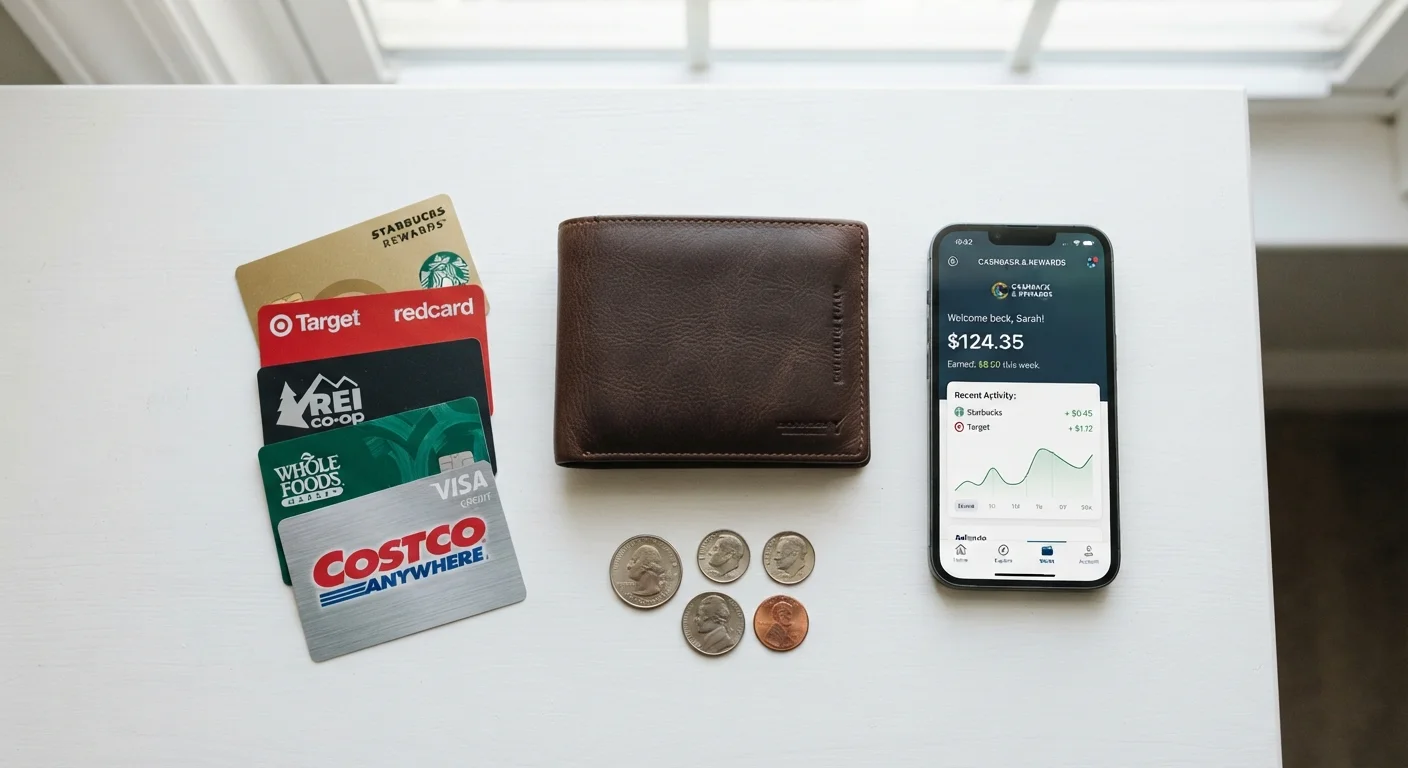
Cashback programs - whether through a credit card, a browser extension, or a dedicated app - return a percentage of your qualifying purchase amount as cash, a statement credit, or a gift card equivalent. The rate varies by category, typically ranging from 1% to 5% for everyday purchases, with promotional rates sometimes higher. You earn on what you spend, and the reward has a straightforward dollar value.
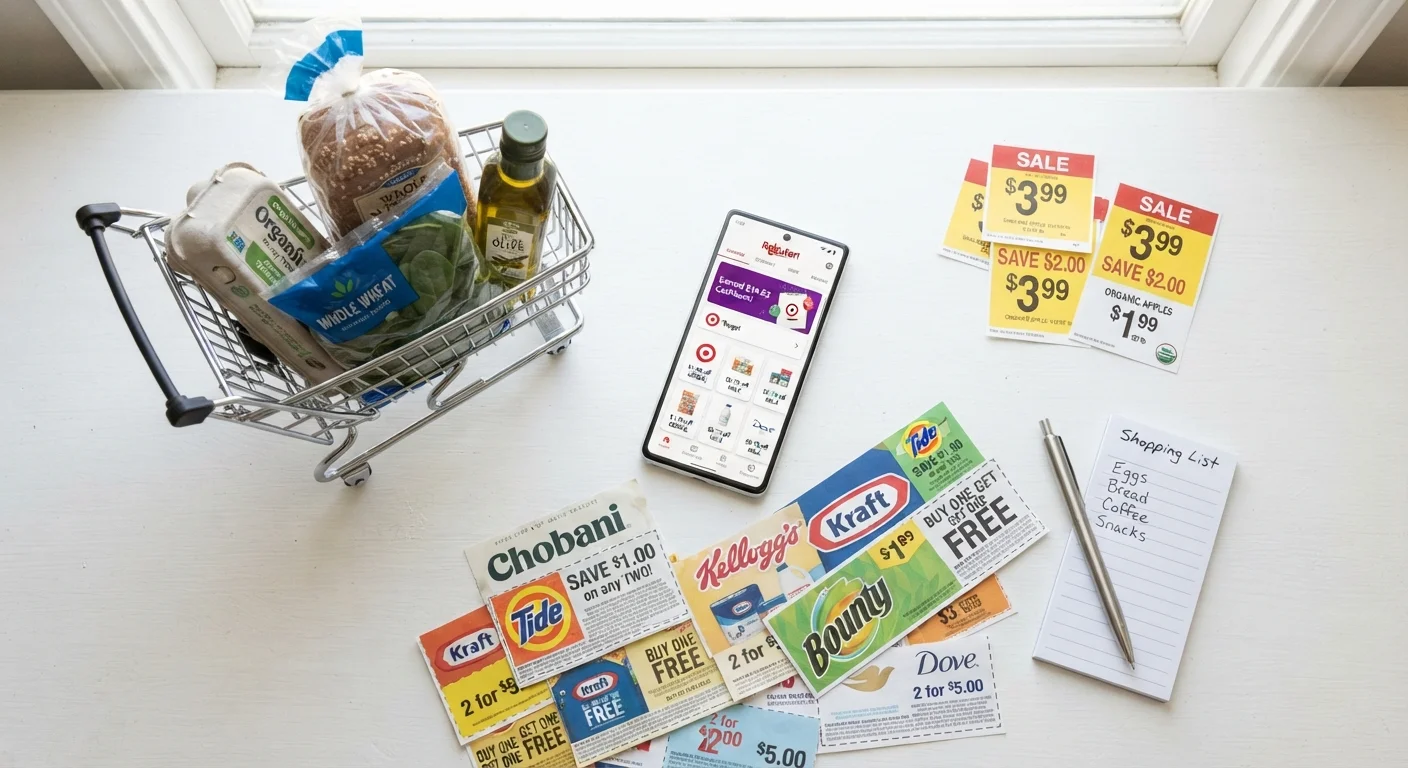
Store loyalty cards work differently. Retailers award points, stars, or a proprietary currency for each dollar spent. Those points accumulate in your account and can later be redeemed for discounts, free products, or store credit - but only within that retailer's ecosystem. Some programs also layer in member-only pricing: a discounted shelf price visible only when you scan your card at checkout.
The core structural difference is currency flexibility. Cashback is fungible - it behaves like money. Loyalty points are a closed-loop currency whose value is set, and sometimes changed, entirely by the retailer. As noted in consumer finance research, points programs can be devalued quietly through policy changes with little notice to members.
Points Devaluation: A Real Risk
Retailers and issuers can change the redemption value of loyalty points at any time, typically with limited notice. A point worth one cent today may be worth less tomorrow if a program restructures its tiers or redemption minimums. Cashback earned in dollars doesn't carry this risk - its value is fixed at the time it's credited to your account.
Comparing Real-World Value
Headline rates don't tell the whole story. A loyalty program that seems to offer 5% back in points may require a $200 minimum redemption, expire unused points annually, or restrict redemptions to certain product categories. Meanwhile, a 2% flat-rate cashback card with no minimum redemption threshold can outperform it in practical terms for many shoppers.
| Criterion | Cashback Programs | Store Loyalty Cards |
|---|---|---|
| Reward currency | Cash or cash equivalent | Points, stars, or store credit |
| Where redeemable | Anywhere (most programs) | Within retailer ecosystem only |
| Typical earn rate | 1%-5% of spend | Varies; often 1-2 pts per dollar |
| Instant price discounts | Rarely | Common (member-only pricing) |
| Expiration risk | Low (most don't expire) | Higher (points may expire) |
| Devaluation risk | None (cash is cash) | Yes (retailer can change point value) |
| Signup friction | Credit check required for cards | Usually email only, no credit check |
| Spending flexibility | High - any eligible purchase | Low - store-specific |
That said, loyalty programs often include member-only pricing that functions as an instant discount - separate from points. Grocery loyalty cards, in particular, frequently drop prices by 20-40% on specific promoted items for cardholders. For a shopper who consistently buys those promoted items, the effective savings rate can substantially exceed what cashback alone would deliver. The question is whether the promoted items align with what you'd actually buy.
As a complement to both options, stacking discounts is often possible - many retailers allow cashback apps or cards to be used alongside loyalty card member pricing, which can compound your savings on a single transaction.
The Hidden Costs of Each Approach
Both tools carry behavioral risks worth naming directly. Loyalty programs are explicitly designed to increase visit frequency and basket size - that's the retailer's goal. Research in consumer behavior consistently finds that loyalty program members tend to spend more per visit than non-members, partly because of the sunk-cost feeling of accumulated points they don't want to "waste." If a loyalty card is nudging you into the store more often than you'd otherwise go, the program may be costing you more than it saves.
Cashback programs are less store-specific, but credit-card-based cashback programs carry their own hazard: any interest charges on a carried balance will typically exceed the cashback earned. A 2% cashback rate is erased entirely by even a partial month of interest at a standard APR. The math only works if you pay your balance in full each month.
It's also worth recognizing that neither tool addresses whether the underlying purchase represents genuine value. Sale prices don't automatically mean savings, and the same logic applies to rewards - earning points or cashback on a purchase you didn't need is still a net loss. Sustainable saving habits depend on spending discipline first, reward optimization second.
~$360
Average unspent loyalty value per US household
A 2023 report by Valuedynamx estimated US households hold substantial unredeemed loyalty balances, often because redemption thresholds or restrictions make it difficult to access the value.
27%
Loyalty members who rarely or never redeem points
Industry research from Bond Brand Loyalty has consistently found a significant share of loyalty program members accumulate points without ever reaching a redemption event, effectively earning nothing.
Which Should You Prioritize?
There's no universal answer, but there are clear decision criteria. Start by auditing where you actually spend money each month. If your grocery and household spending is concentrated at one or two retailers, a loyalty card for those specific stores likely delivers more targeted value - especially when member pricing on staples is factored in. If your spending is spread across categories and platforms, cashback tools offer more consistent, flexible returns.
Many financially organized households use both: a loyalty card at their primary grocery store for member pricing, and a cashback credit card (paid in full monthly) for discretionary and big-ticket purchases. The combination captures retailer-specific discounts plus a passive return on general spending - without requiring a separate card for every store you visit.
Before signing up for a new loyalty program, look at the redemption mechanics. Ask: How many points equal a dollar of value? Is there a minimum before I can redeem? Do points expire? Can I use them on anything I'd actually buy? If the answers are cumbersome, the program's real-world value is likely lower than advertised. For a related lens on how retailers frame value, see our overview of store credit versus cash refunds.
This article is for general informational purposes only and does not constitute financial advice. Readers should evaluate their own financial situation and consult a qualified financial professional before making decisions about credit products or spending strategies.