The Anchor Illusion: Why 'Original' Prices Do the Heavy Lifting
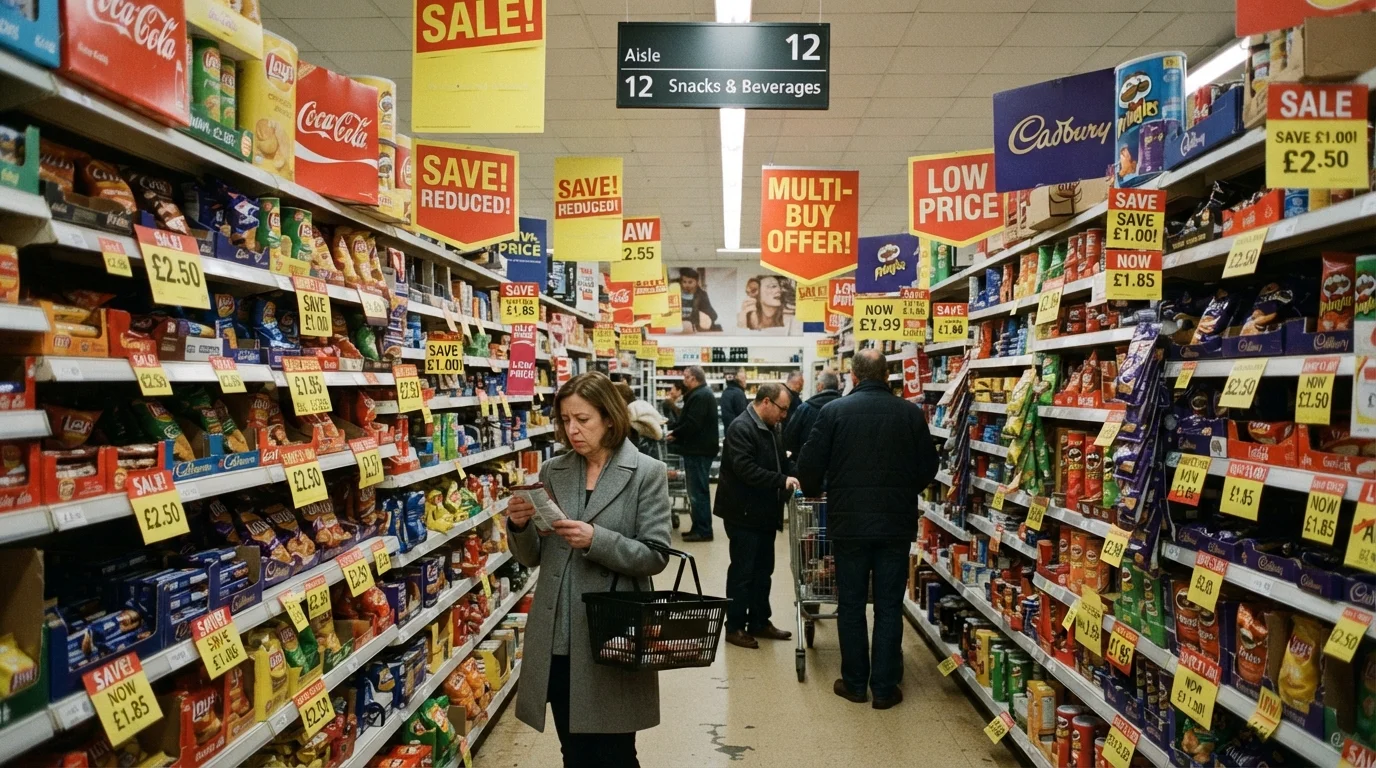
Walk through any retailer - physical or digital - and you'll encounter crossed-out prices beside a lower number in red. That crossed-out figure is an anchor: a reference point your brain latches onto before evaluating the actual price. Once an anchor is set, all subsequent judgment is made relative to it, not to the item's actual worth.
The problem is that anchor prices are often set by the retailer, not by market forces. A jacket 'originally' priced at $200 and now $120 feels like a $80 windfall - but only if that $200 price was ever genuine. Research in behavioral economics shows anchoring is remarkably durable: even arbitrary numbers prime our perception of value. The FTC prohibits deceptive reference pricing, but documentation and enforcement remain inconsistent across retail channels.
Practical defense: ask yourself what you'd be willing to pay for the item if no reference price existed. That figure is a cleaner signal than any crossed-out number. See also Sale Price Doesn't Always Mean Savings for a deeper look at how markdowns can mislead.
~60%
Shoppers influenced by reference prices
Multiple academic studies in consumer behavior research suggest a majority of shoppers use displayed 'original' prices as a primary anchor when judging deal quality, regardless of whether that price reflects actual prior sales.
$X.99
Price ending that dominates retail
Studies published in the Journal of Consumer Research have consistently found that prices ending in 9 are disproportionately common in retail and are associated with higher sales volume than round-number equivalents at equivalent price points.
3x
Lift from decoy option in choice experiments
Classic experiments by behavioral economists, including work by Dan Ariely, demonstrate that adding a dominated 'decoy' option can triple selection of the target option the retailer wants consumers to choose.
Charm Pricing, Decoys, and Bundles: Three Tactics in One Aisle
Charm pricing - the ubiquitous $X.99 format - exploits left-digit anchoring. Because we process numbers left to right, $4.99 registers cognitively closer to $4 than to $5. The gap feels larger than one cent. Multiply this across dozens of purchases and the accumulated misjudgment adds up.
Decoy pricing structures a choice set so one option appears obviously superior. Offer three subscription tiers - $5/month, $9/month, and $12/month - and the middle tier feels like the sensible pick, even if the $5 tier covered your actual needs. The middle option exists partly to anchor your perception of value upward.
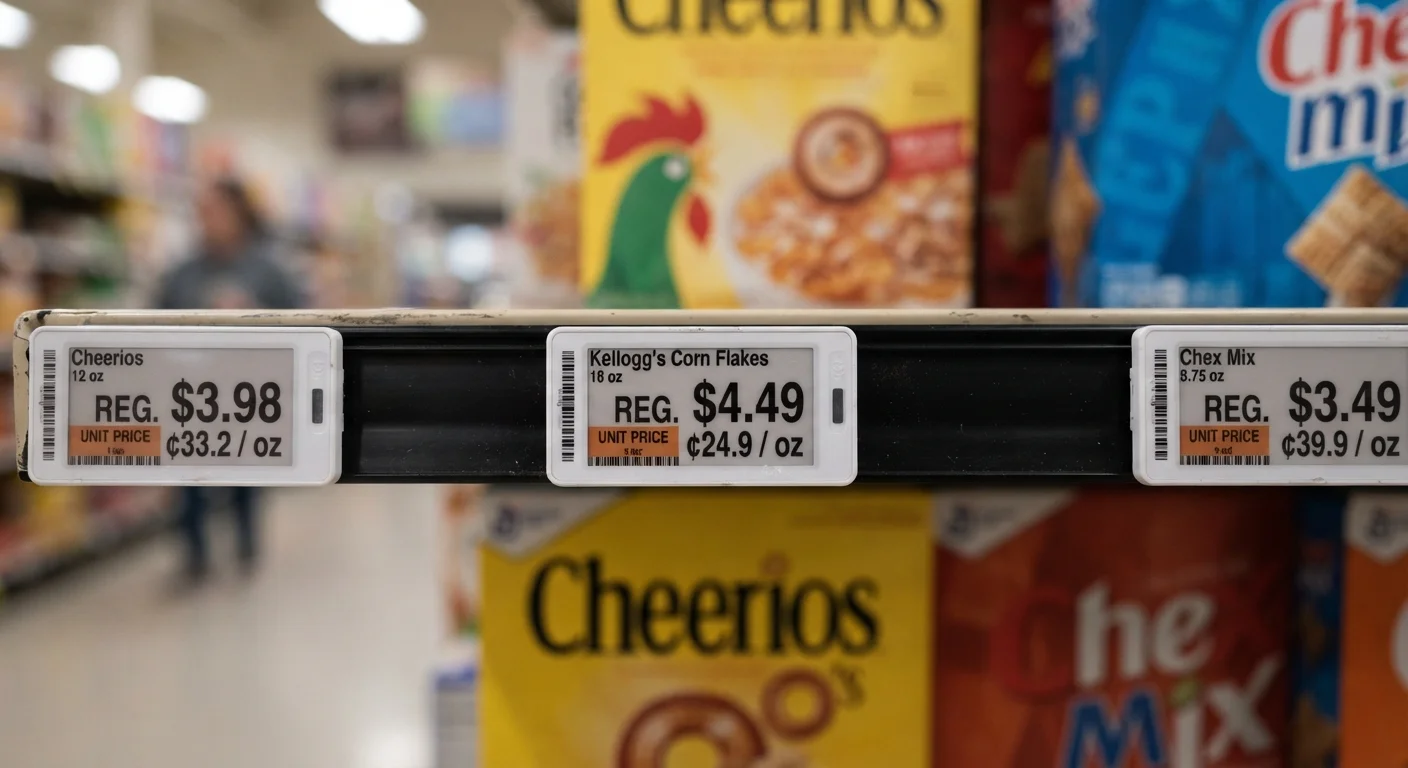
Bundle deals obscure per-unit cost by combining items you'd assess differently if priced individually. A $35 bundle of three products feels like value even when you'd never have bought items two and three at their standalone price. Unit pricing tools help cut through this by revealing the actual cost per ounce, sheet, or serving.
How Stores Lay Out the Environment to Shape What You Spend
Pricing psychology isn't confined to the numbers themselves. Placement, font size, color contrast, and the sequence in which you encounter prices all prime spending behavior. A premium item positioned first in a category sets a visual anchor for everything that follows, making mid-range items seem like restraint rather than a deliberate choice.
Online, the same effect plays out through personalization: past browsing data is used to surface price anchors calibrated to your apparent tolerance. Dynamic pricing - where the same product costs different amounts at different times or for different users - is a documented practice among major e-commerce platforms.
Set Your Price Before You See Theirs
Before browsing any product category - in store or online - decide the maximum you're willing to pay and note it somewhere concrete. This pre-commitment makes you significantly harder to anchor. Once you've seen a retailer's reference price, it's cognitively difficult to ignore it, so the best defense is setting your own anchor first.
Dealer negotiations follow the same cognitive playbook. If you're navigating a high-stakes negotiation, dealer pricing tactics explains how payment restructuring and trade-in deflection use the same anchoring principles to shift money without changing the total.
Shopping With Clearer Eyes: A Practical Framework
Awareness alone reduces susceptibility to these tactics - but structure helps more. Before any significant purchase, establish a walk-away price independent of any displayed reference price. Write it down or record it in your phone before you start shopping.
- Ignore the crossed-out price. Evaluate the asking price against what you know the item is worth and what comparable options cost.
- Decompose bundles. Price each component individually. If you wouldn't buy the extras alone, the bundle isn't necessarily a deal.
- Apply a delay rule. A 24-48 hour pause on non-urgent purchases interrupts the in-store urgency that retailers engineer.
- Compare on a per-unit basis. Shelf unit price labels exist precisely to make this easy - use them.
For purchases that follow predictable seasonal rhythms, timing matters as much as resistance to psychological tactics. The Seasonal Sales Calendar outlines when genuine price lows tend to occur across major categories. And once a deal passes your scrutiny, watch for the costs that follow: hidden post-purchase costs - like installation fees, warranties, and disposal charges - can quietly cancel a bargain you worked hard to find.