What Unit Pricing Actually Tells You
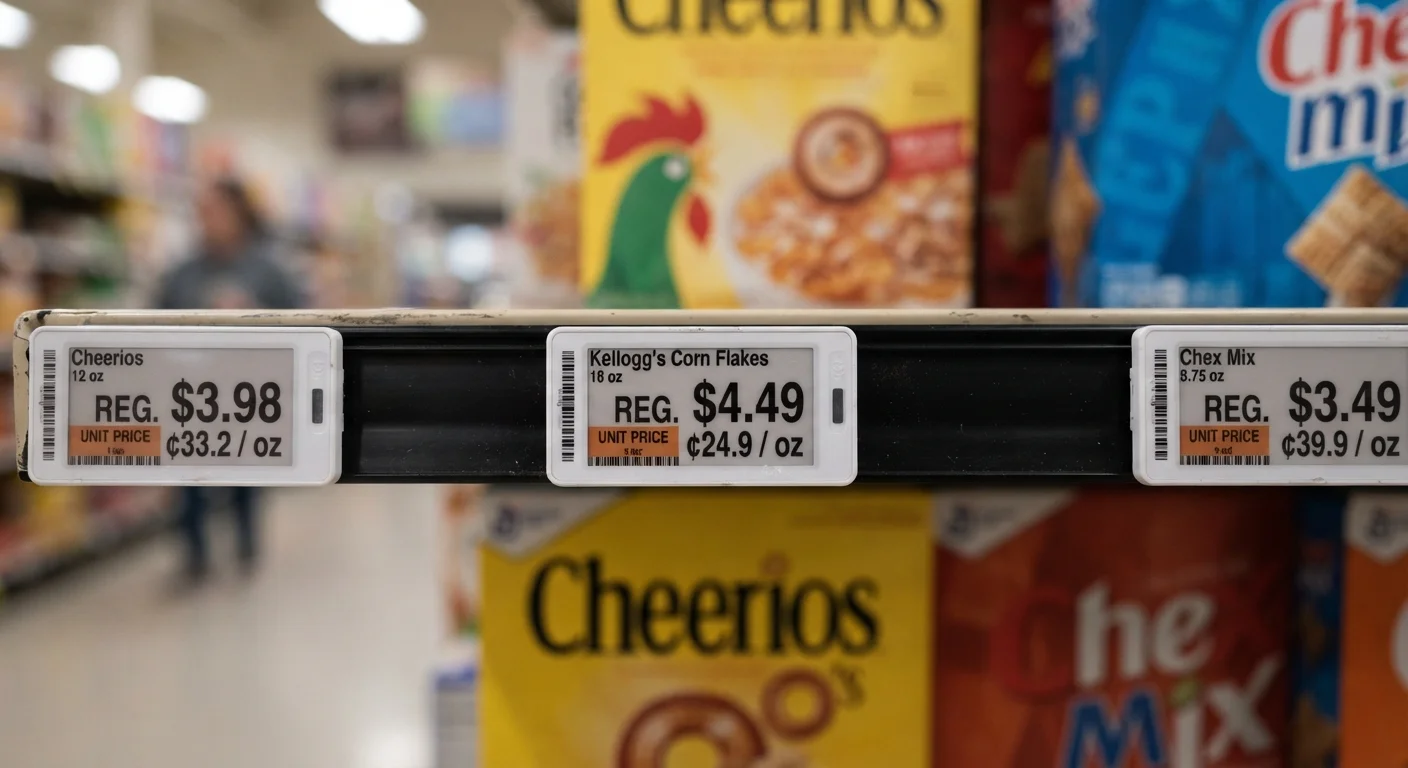
The retail price on a shelf tells you what you'll pay at the register. The unit price tells you something far more useful: what you're paying for each standardized unit of the product - an ounce of peanut butter, a sheet of paper towel, a single vitamin capsule.
Without unit pricing, comparing a 16 oz jar priced at $3.49 against a 22 oz jar at $4.29 requires mental arithmetic most shoppers skip. With unit pricing, the label does that math for you: roughly 21.8¢/oz versus 19.5¢/oz. The larger jar wins - but only because you checked.
This is the core value of unit pricing: it collapses complex size-and-price variables into one comparable number. As the lowest sticker price isn't always the cheapest option, the same principle applies here - packaging size can obscure real value in either direction.
~30+
U.S. states with some form of unit pricing law
According to FTC historical research, a majority of U.S. states have enacted unit pricing statutes, though coverage and enforcement thresholds vary significantly by jurisdiction.
1970s
Decade unit pricing regulation began in the U.S.
The Federal Trade Commission began studying unit pricing as a consumer transparency tool in the early 1970s, making it one of the oldest standardized consumer disclosure frameworks in retail.
Up to 30%
Potential cost difference between package sizes
Consumer research has documented unit price differences of up to 30% between differently sized packages of the same product, underscoring why visual price comparisons alone can mislead shoppers.
When Unit Pricing Surprises You
Experienced shoppers quickly learn that unit pricing regularly contradicts intuition. Three situations come up most often:
- Bulk isn't always cheaper. A club-store package may carry a higher unit price than a mid-size grocery package on sale. Promotions can invert the usual size-vs-price relationship at any time.
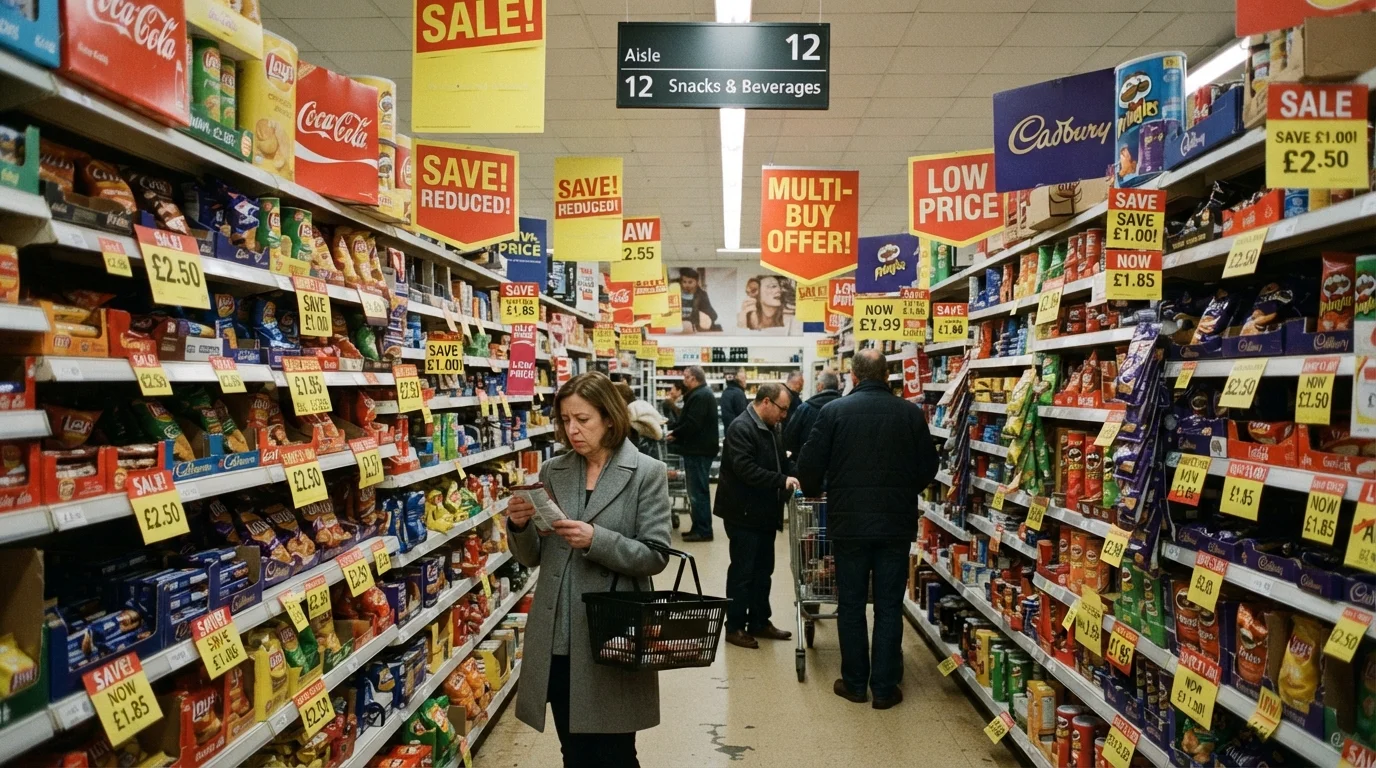
- Sales can mislead. A product marked '2 for $5' sounds like a deal, but if the regular unit price already reflects $2.49 per item, you're saving very little - and possibly buying more than you need. The research on sale pricing consistently shows that not every markdown reflects a genuine reduction in value.
- Store-brand comparisons become simple. Unit pricing strips away label design and marketing. A national brand at 34¢/oz and a store brand at 21¢/oz are immediately comparable - no guesswork required.
How to Use Unit Pricing as a Shopping Habit
Building unit pricing into your routine takes about thirty seconds per category, and the habit compounds across a shopping trip.
Focus on high-frequency categories first. Paper goods, cleaning products, cooking staples, and personal care items are purchased repeatedly - small unit-price advantages in these categories add up over months, not just a single trip.
Use your phone when labels are missing or confusing. Divide the retail price by the package quantity. For weight-based comparisons, make sure you're dividing by the same unit type. When units differ between products (say, fluid ounces versus milliliters), a quick conversion resolves the comparison.
Reassess when sales are running. Unit prices change with promotional pricing. A product you've previously passed over may become the better value this week. Conversely, retail psychology tactics like multi-buy promotions are designed to feel like savings - verify with unit price before loading up.
Make Unit Price Your Default Check
Before choosing between two sizes of the same product, look at the unit price rather than the total price. It takes seconds and removes the guesswork entirely. If no unit price is displayed, divide the retail price by the package quantity on your phone - it's a two-tap calculation that often changes which item you pick.
For shoppers managing a fixed budget, unit pricing is one of the most reliable levers available. It's a core habit covered in practical guides like tactics savvy shoppers use to stretch a fixed income.
Limitations Worth Knowing
Unit pricing is a powerful tool, but it has real boundaries that prevent it from being the only metric that matters.
Concentration and dilution matter. A cleaning spray sold at 8¢/oz is not necessarily cheaper in use than one at 12¢/oz if the latter is a concentrate requiring dilution. Unit price measures cost per volume, not cost per use or per effective dose.
Spoilage and usage rate matter too. Buying the largest, cheapest-per-unit package of a perishable item is only economical if you'll use it before it spoils. Factor in realistic consumption before committing to bulk.
Unit types must match. Comparing a product priced per ounce to one priced per count only works when you know how many counts equal an ounce, or the labels standardize the unit. Mismatched units are a common source of confusion at the shelf.
Unit pricing answers one specific question - what is the cost per standard measure - reliably and well. For everything else, it works best alongside other research. Tools like price tracking tools can add historical pricing context that unit labels don't provide.