The Sticker Price Is Just the Entry Fee
When two competing products sit side by side with different price tags, it's natural to reach for the cheaper one. But the price you pay on day one is rarely the price you'll actually pay over the life of the product. Understanding the difference is what separates a savvy purchase from a regrettable one.
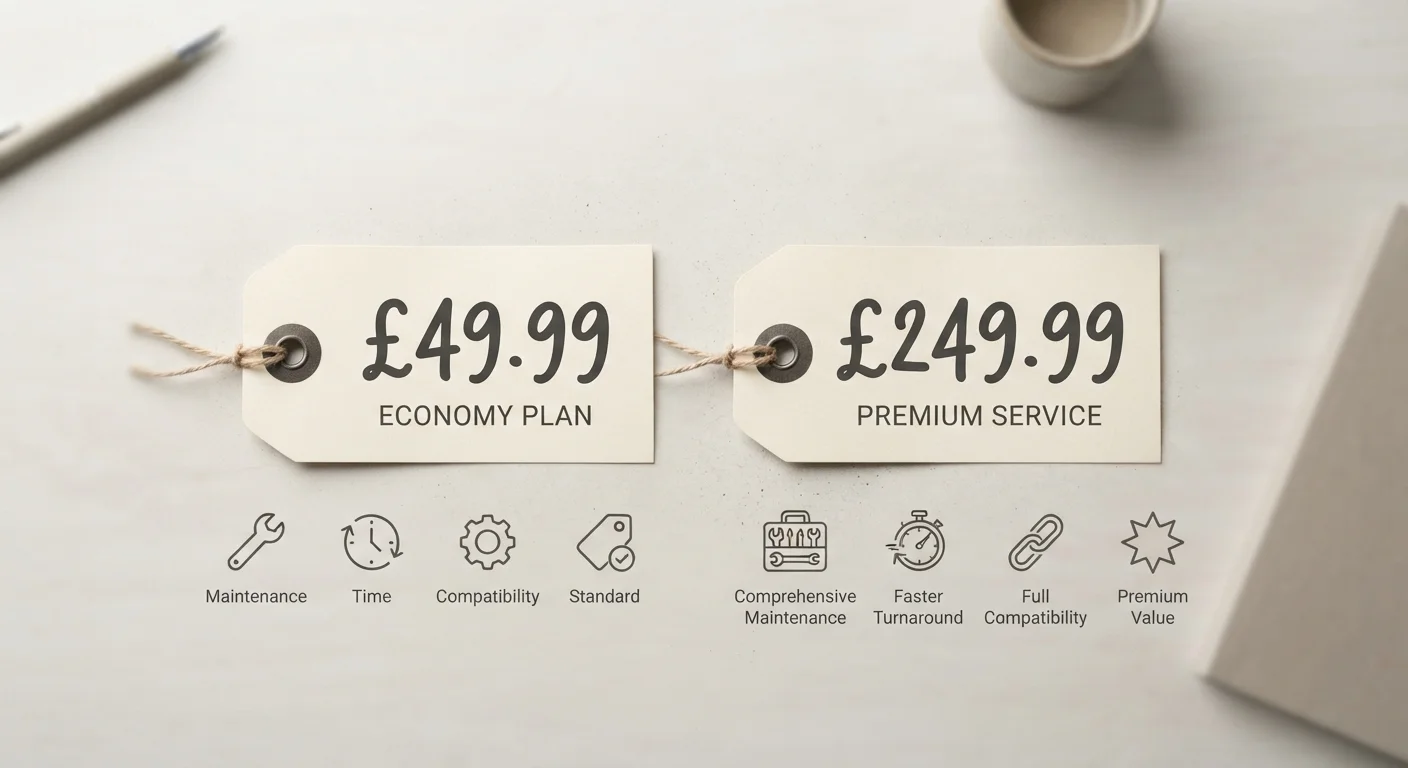
Think of the sticker price as an entry fee - necessary, but not the full picture. Every durable purchase carries a second price tag that only reveals itself over time: maintenance schedules, replacement parts, energy consumption, compatibility requirements, and eventual disposal. When those costs are high, a low purchase price can become the most expensive choice you make.
This is the core idea behind total cost of ownership (TCO) - a framework for evaluating what something will actually cost you, not just what it costs to acquire. It's standard practice in business purchasing decisions, and it's just as useful for consumer goods.
TCO Works Across Purchase Categories
While the concept is often discussed in the context of vehicles or appliances, total cost of ownership applies equally to electronics, tools, flooring, pet care, and travel. Wherever you plan to use or maintain something over time, the downstream costs are worth estimating. Even travel planning has its TCO analog - budget travel is more complicated than it looks explores how apparent savings in trip pricing often carry hidden trade-offs.
The Hidden Cost Categories That Matter Most
When evaluating any major purchase, these are the cost buckets worth examining:
- Maintenance and repairs: Some products are engineered for easy, inexpensive upkeep; others require specialized service or proprietary parts that carry a significant premium. A lower-priced appliance with poor parts availability can cost more to maintain over five years than a pricier model with a robust service network.
- Consumables: Printers are a classic example - the hardware price is almost irrelevant compared to the long-term cost of ink or toner cartridges. Ask what the product requires to keep running, and price that out separately.
- Compatibility and ecosystem lock-in: A low-cost product that requires proprietary accessories, cables, or software can quietly transfer spending to those add-ons. Factor in what you'll need to buy alongside it - and whether switching costs will trap you later.
- Energy and operating costs: Appliances, HVAC systems, and vehicles all carry ongoing energy costs. A more efficient unit may cost more upfront and less every month, with the math often favoring the efficient option over a multi-year horizon.
- Longevity and replacement frequency: A product that lasts eight years instead of four effectively has half the annualized cost, even at a higher purchase price. Warranty terms and reliability records from consumer testing organizations are useful inputs here.
- Resale and disposal value: Products with strong resale markets reduce your net ownership cost. Those that must be professionally disposed of (certain electronics, appliances) may add costs at the end of the cycle.
For a closer look at how post-purchase fees can quietly erode apparent bargains, see the hidden costs that erode a good deal after you buy.
2-4x
Lifetime operating vs. purchase cost ratio for appliances
Consumer energy and maintenance studies consistently find that for major appliances, lifetime operating costs often exceed the original purchase price by a factor of two to four.
50%+
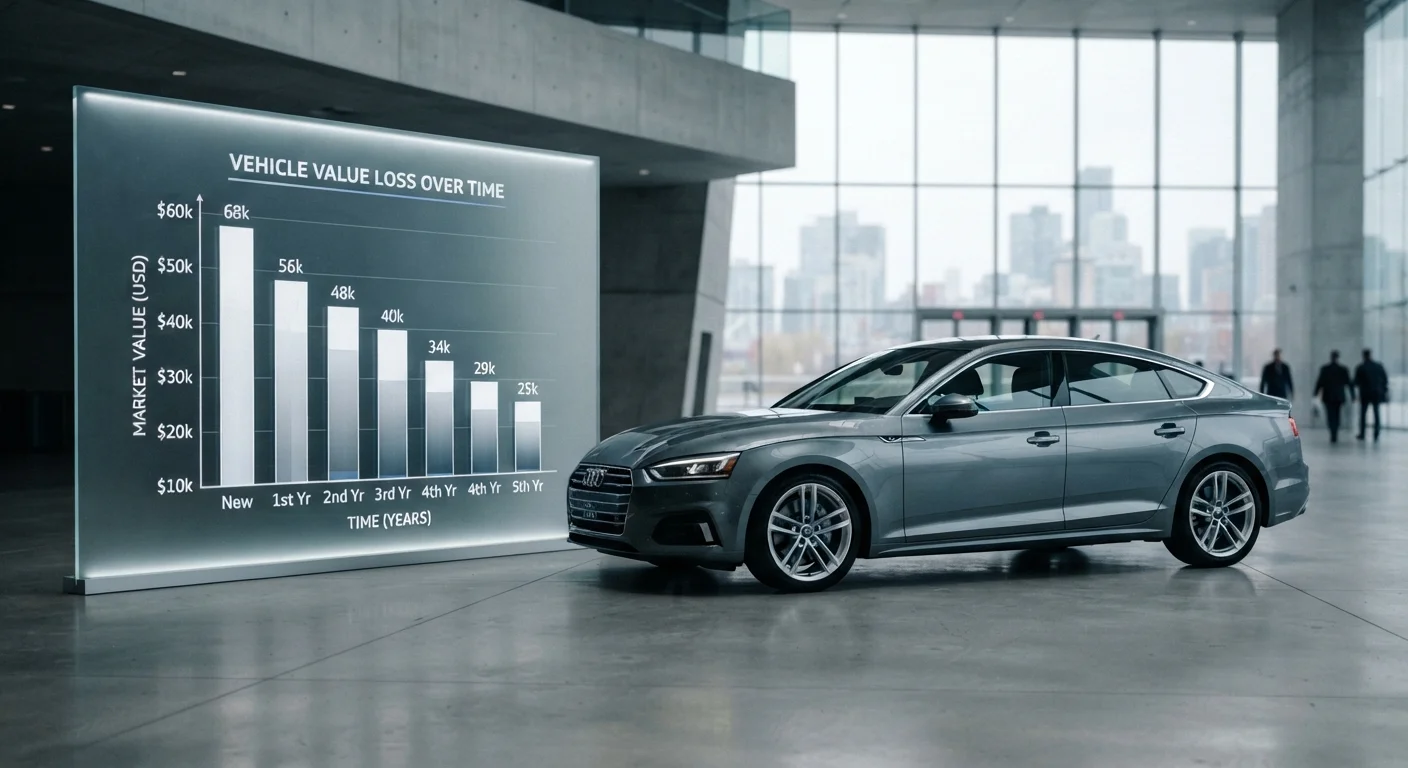
Value some vehicles lose in first three years
Depreciation rates vary significantly by vehicle category and model; some vehicles lose more than half their value within three years of purchase, materially affecting total ownership cost.
3-5 years
Typical breakeven horizon for energy-efficient upgrades
Energy efficiency analyses from the U.S. Department of Energy suggest energy-saving appliances and systems commonly recoup their price premium within three to five years through utility savings.
Applying the Framework: A Practical Approach
You don't need a spreadsheet to use TCO thinking - a rough estimate structured around a few key questions is enough to shift a decision meaningfully.
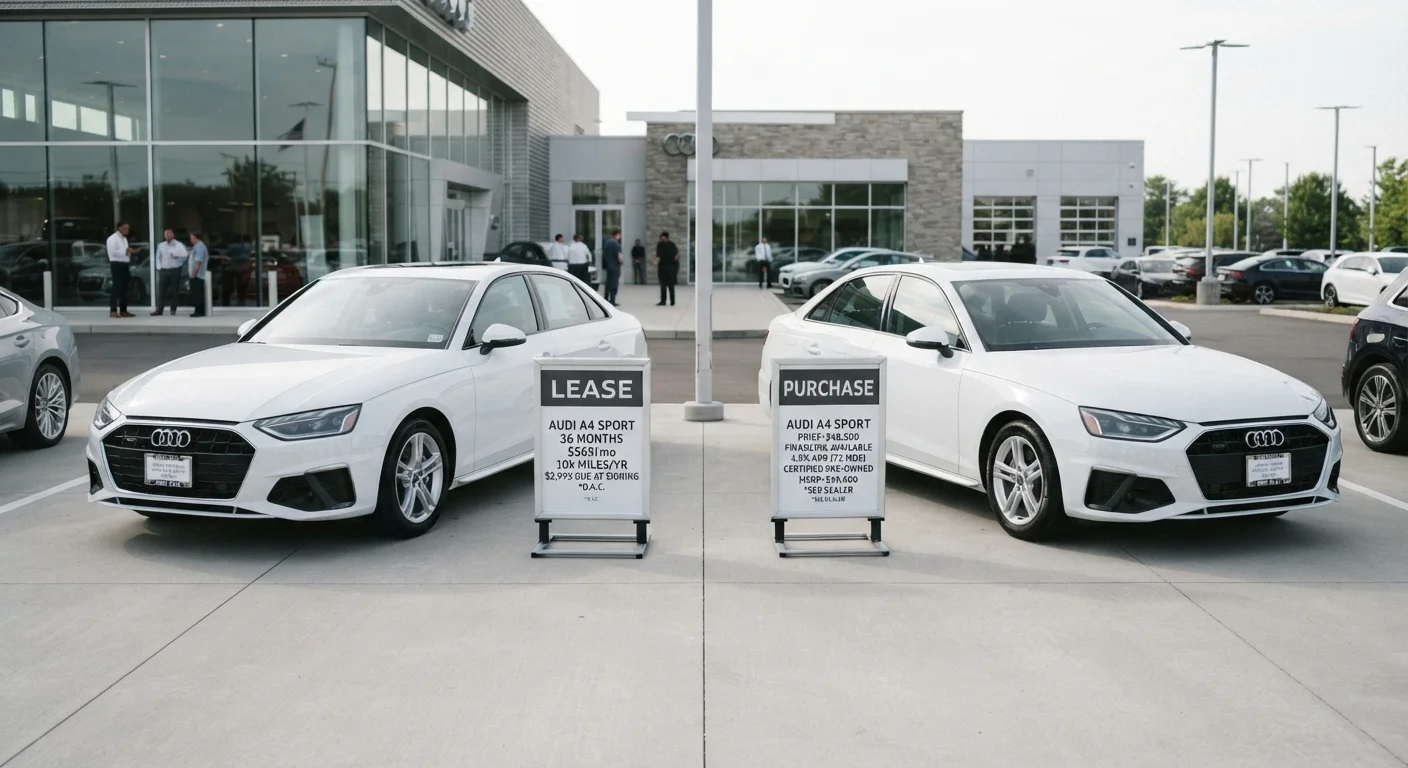
- Set your ownership horizon. How long do you realistically expect to keep this product? A car held for ten years looks very different from one held for three. Leasing versus buying involves exactly this kind of horizon math.
- Estimate annual operating costs. Research typical maintenance intervals, average repair costs, and energy usage for each option you're comparing. Industry publications and owner forums are often more candid than manufacturer marketing.
- Price out consumables over the ownership period. Multiply the annual consumable cost by your ownership horizon. This single step frequently reverses the apparent value of a cheaper option.
- Factor in resale value. Check what comparable used products are selling for after two, five, or ten years. The difference between purchase price and resale value is your real net cost of ownership.
- Add any compatibility or switching costs. If buying this product means purchasing additional accessories, or makes it expensive to switch later, those costs belong in the calculation.
Also worth scrutinizing: the sticker price itself. Understanding the gap between list price and actual market value ensures your baseline number is accurate before you layer TCO on top of it.
Use Annualized Cost as Your Comparison Unit
Rather than comparing total costs (which favor shorter ownership horizons), divide total cost of ownership by the expected ownership period to get a cost-per-year figure. This lets you compare products with different lifespans on equal terms - and often surfaces the true value of more durable options.
When Price Really Is the Right Metric
TCO analysis is a tool, not a universal mandate. For low-cost, single-use, or short-lived purchases, the downstream costs are negligible and comparing sticker prices is entirely appropriate. The framework earns its keep on durable goods - products you'll depend on for years - where post-purchase costs are meaningful relative to the acquisition price.
It's also worth noting that the lowest total cost of ownership isn't always the right choice. Reliability, convenience, customer support quality, and compatibility with your existing setup all carry real value that doesn't show up in a cost calculation. TCO is an input to a decision, not a substitute for one.
What the framework does reliably is prevent the most common consumer mistake: treating the purchase price as a proxy for value. Once you account for what a product will actually cost over time, the comparison often looks very different - and so does the decision.
For further context on where apparent savings can mislead, sale price doesn't always mean savings explores the research behind retail discounting and what it actually delivers.