What Price Tracking Tools Actually Do
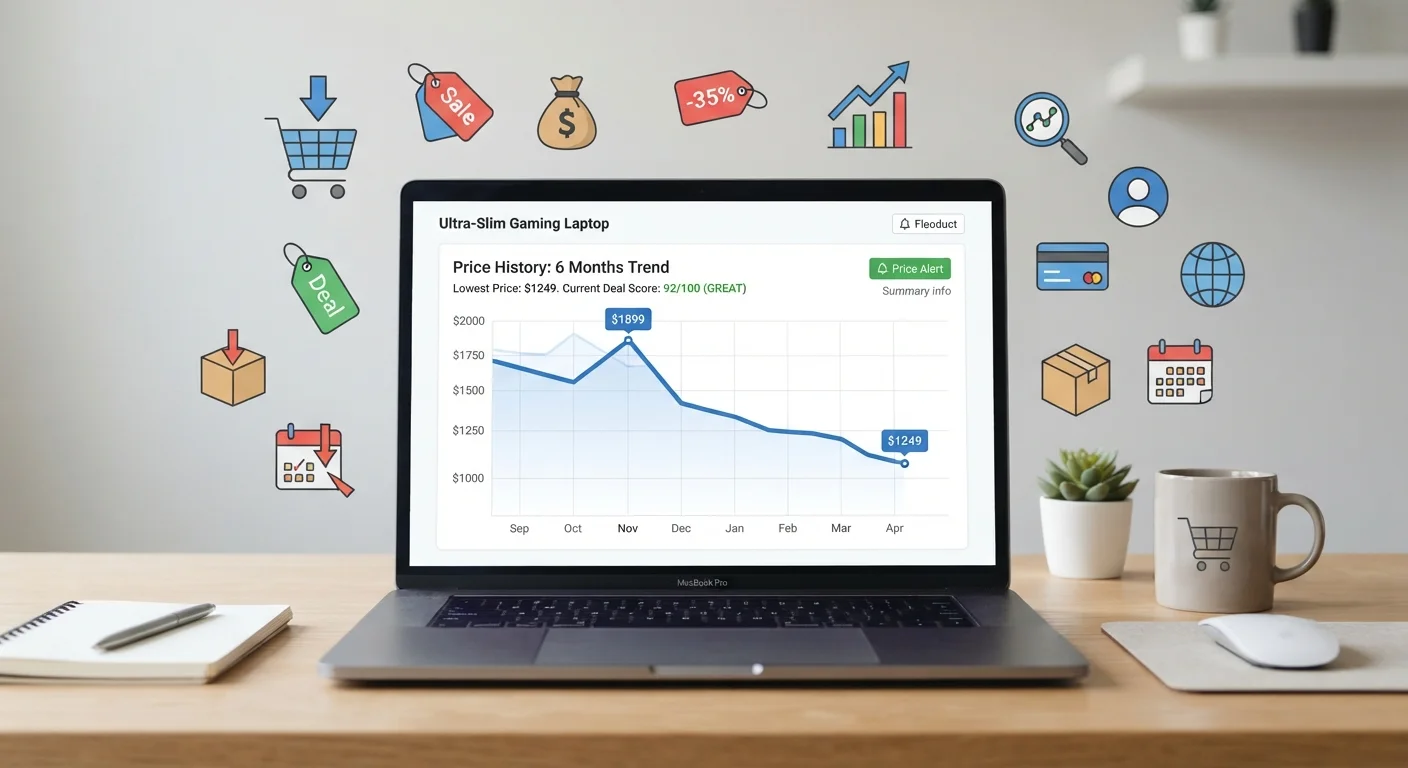
Price tracking tools are software services - typically browser extensions or dedicated websites - that automatically record a product's listed price at regular intervals, then store that data over time to build a price history. When the current price falls to a threshold you set, the tool sends you an alert, usually by email.
Most tools work by scraping product pages from major online retailers on a recurring schedule - sometimes hourly, sometimes daily. The result is a chart you can inspect to see whether today's price is genuinely lower than average, roughly typical, or still above historical norms.
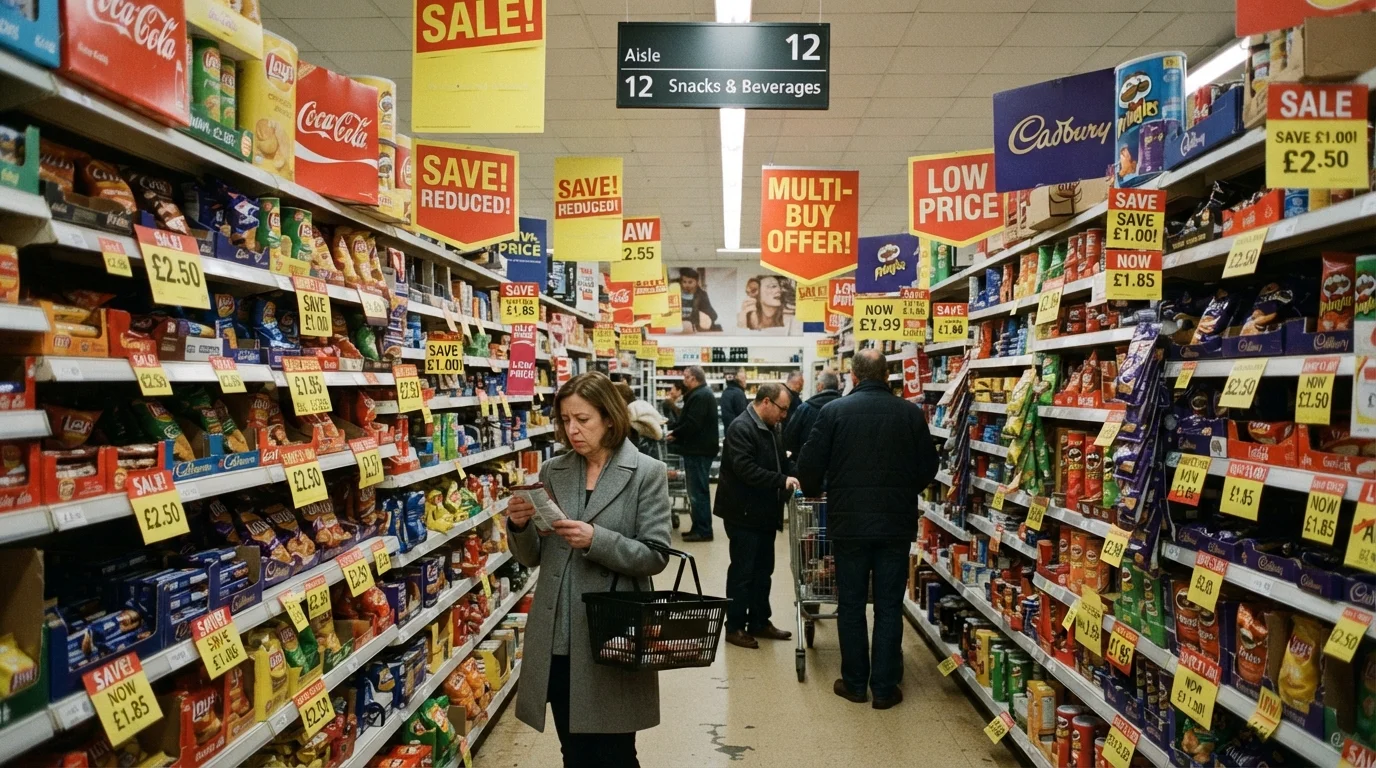
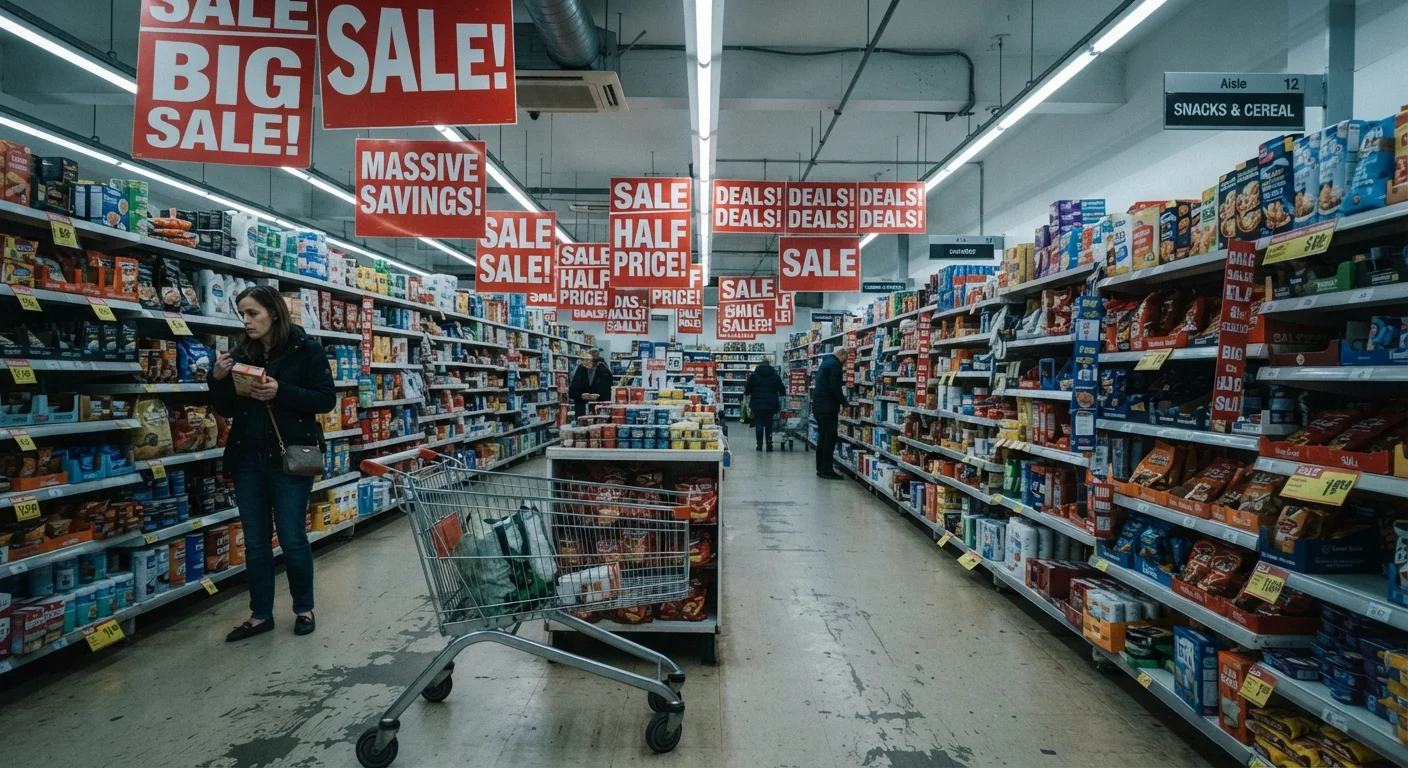
This is the core value proposition: moving the question from "Is this on sale?" to "Is this price actually low relative to what it's been?" Retailers routinely inflate reference prices before marking items down, a practice that retail pricing psychology relies on to make discounts appear more significant than they are. A price history graph cuts through that framing with raw data.
The Real Advantages
Reveals genuine price drops versus manufactured discounts
Historical price charts show whether a 'sale' price is actually lower than the item's typical cost, helping shoppers avoid being misled by inflated reference prices.
Removes the need to manually monitor product pages
Automated alerts do the monitoring work passively, so shoppers can set a target price and wait without repeatedly checking retailer websites.
Supports more deliberate, less impulsive purchasing
By shifting focus to data rather than promotional language, trackers encourage patience and reduce the likelihood of acting on emotionally driven urgency.
Useful across a range of high-ticket durable goods
Electronics, appliances, and home goods often cycle through meaningful price fluctuations, making them well-suited to the time-based tracking model.
The practical upside of price trackers is most pronounced in specific categories. Consumer electronics, major appliances, books, and home goods tend to cycle through predictable price patterns tied to product launches, major sale events, and inventory clearance. A tracker lets you set a target, step away, and return only when the data supports acting.
They're also useful for validating whether a widely promoted sale is actually a deal. As research into retail discounting has found, sale prices don't always represent genuine savings - and a six-month price history makes that visible immediately.
The Limitations You Should Know
Don't account for shipping, taxes, or total cost
Most trackers display the listed product price only, omitting shipping fees and taxes - costs that can significantly narrow or eliminate the apparent savings.
Coverage varies widely across retailers
Tracking tools focus on major platforms and may miss smaller retailers, regional sellers, or marketplace third-party listings where competitive prices sometimes appear.
Ineffective for frequently changing or perishable products
Items that change formulation, bundle composition, or SKU between price checks produce unreliable historical data, undermining meaningful comparisons.
Alerts don't eliminate psychological sales pressure
Even with a data-backed alert in hand, countdown timers and low-stock warnings can still push impulsive decisions - the tool doesn't neutralize urgency framing.
Not useful for urgent or time-sensitive purchases
When a purchase cannot be deferred - a broken appliance, an imminent trip - waiting for a price alert is impractical, and the tool's core advantage disappears.
No tracking tool covers every retailer, and many don't account for shipping costs, taxes, or bundled warranties - factors that materially affect what you actually pay. A product that drops $15 at one retailer may still cost more in total than a competitor's everyday price. This connects to a broader point: the lowest sticker price isn't always the cheapest option when total cost of ownership is considered.
Trackers also struggle with dynamic pricing on perishables, frequently bundled items, and products that change their SKU or formulation between price checks. And if a purchase is genuinely urgent - a needed appliance replacement, a time-sensitive travel item - waiting for an alert may not be practical.
Price Trackers and Retailer Data Access
Some retailers periodically block or rate-limit the scraping that price tracking tools rely on, which can create gaps in a product's price history. If you notice a chart with long flat stretches or missing periods, treat that segment of the data with caution - it may reflect a data collection gap rather than a genuinely stable price. Cross-referencing two different tracking tools when making significant purchases can help surface inconsistencies.
How to Use Them Without Over-Relying on Them
Treat a price alert as one input, not the final word. Before acting on an alert, check whether the tracked retailer includes shipping in the displayed price, confirm the product specification hasn't changed, and verify the seller's return policy. Flash sale countdowns and limited-quantity warnings can appear even on items that price trackers flag as drops - so the emotional pressure of urgency doesn't disappear just because you have data.
For everyday consumables and groceries, unit pricing is often a more reliable comparison tool than a historical chart, since package sizes and formulations shift too frequently for tracking to remain accurate. Price trackers are strongest when the product is stable and the purchase is deferrable.
Used in that context - as a patient, data-driven check against manufactured urgency - price tracking tools earn a legitimate place in a deliberate shopper's toolkit.