What Each Warranty Actually Covers
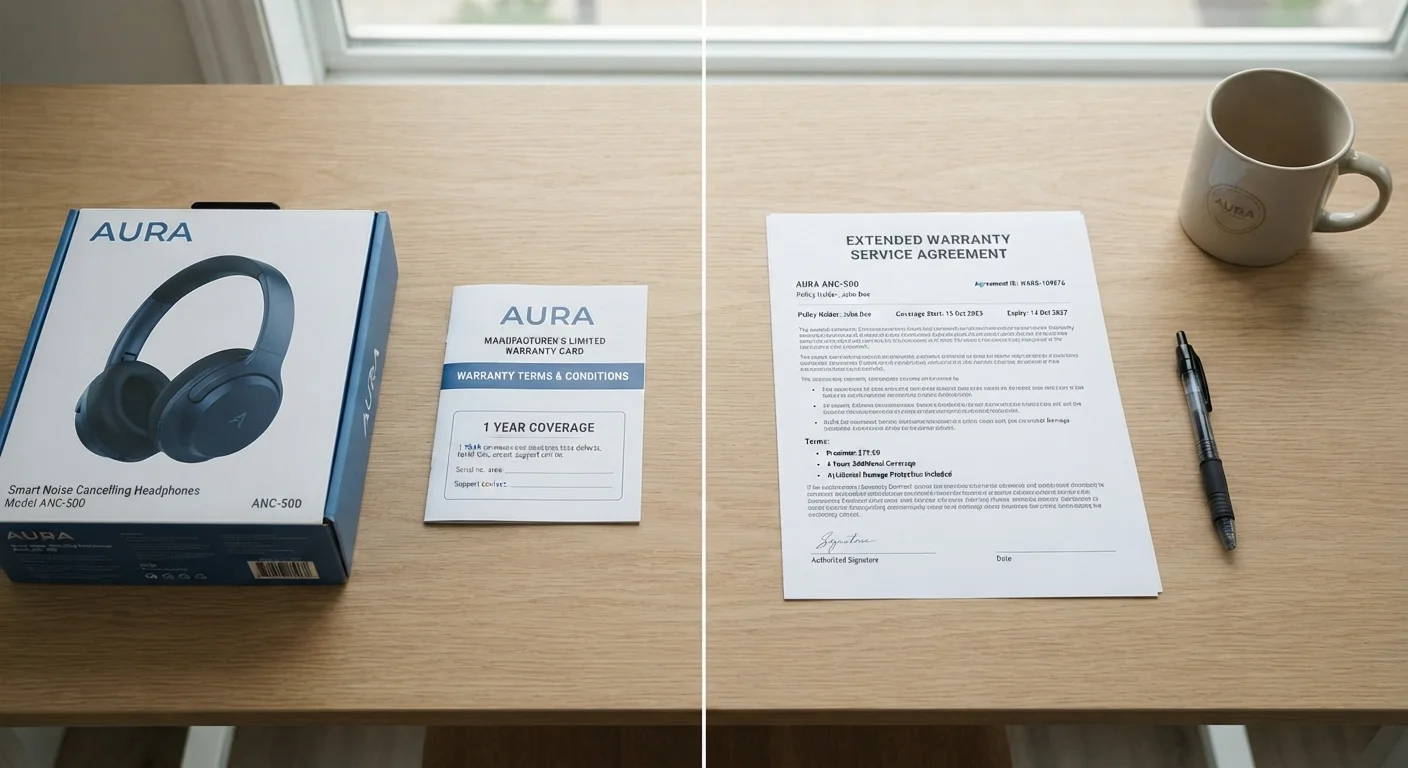
A manufacturer warranty - sometimes called a limited warranty - is a written promise from the product's maker. It typically guarantees that the product will be free from defects in materials and workmanship for a defined period. If something fails due to a manufacturing fault within that window, the maker agrees to repair, replace, or refund the item at no charge to you.
An extended warranty is a separate service contract you purchase, usually at or after the point of sale. It may be offered by the retailer, the manufacturer, or an independent third-party administrator. Extended warranties typically activate after the manufacturer period ends, though some overlap with it. They can broaden coverage to include mechanical breakdowns, and occasionally add accidental damage or power-surge protection - features the original warranty rarely includes.
The critical distinction: manufacturer warranties are obligations under the product sale. Extended warranties are financial products governed by their own separate contract terms. That difference has real implications for what happens when you need to make a claim. For a detailed look at the federal rules that apply to written warranties, see what the Magnuson-Moss Warranty Act guarantees.
| Criterion | Manufacturer Warranty | Extended Warranty |
|---|---|---|
| Cost to buyer | Included with purchase | Paid separately (varies widely) |
| Who provides it | Product manufacturer | Retailer, manufacturer, or third party |
| Typical duration | 90 days to 3 years | 1 to 5 additional years |
| Defect coverage | Yes - materials and workmanship | Usually yes - mechanical breakdown |
| Accidental damage | Rarely, if ever | Select plans only |
| Normal wear and tear | Not covered | Typically excluded |
| Federal oversight | Magnuson-Moss Warranty Act | Service contract law (varies by state) |
| Transferability | Often non-transferable | Some plans allow transfer |
Where Each Type Falls Short
Manufacturer warranties are narrowly written by design. They exclude damage from misuse, accidents, normal wear, unauthorized repairs, and environmental factors. Duration is often short - one year is common for consumer electronics. If a defect appears on day 366, you are typically on your own unless your state provides additional implied warranty protections.
Extended warranties carry their own significant limitations. Exclusion lists can be extensive: pre-existing conditions, cosmetic damage, consumable parts, and failures from improper installation are frequently carved out. Administrative friction is another factor - some contracts require you to use specific authorized repair centers, submit claims within tight windows, or pay a deductible per incident.
Cost is also a consideration worth examining before purchase. Extended warranties can add 10-50% to a product's retail price, and industry data suggests a large portion of these contracts go unused. That said, for specific product categories - major home appliances, for example - repair costs can be substantial enough that coverage pays off. Always weigh the contract cost against realistic repair scenarios, not worst-case ones. See how these costs stack up against other post-purchase expenses in our piece on hidden costs that erode a good deal.
Credit Card Warranty Extensions: A Free Alternative
Many major credit cards automatically extend manufacturer warranties by one to two years at no additional cost when you use the card for the purchase. This benefit is often overlooked and can make a paid extended warranty redundant for shorter-duration coverage gaps. Check your card's benefits guide or call the issuer directly to confirm what protection applies to a specific purchase.
How to Evaluate Any Warranty Before You Commit
Whether you are assessing the manufacturer coverage you already have or deciding whether to purchase an extended plan, the same framework applies. Start with the exclusions section, not the coverage summary. Marketing language emphasizes what is covered; the fine print defines what is not. A policy that promises "comprehensive mechanical breakdown coverage" may still exclude the specific component most likely to fail.
Next, identify who backs the contract. A manufacturer warranty is backed by the maker. An extended warranty from a third-party administrator is only as reliable as that company's financial stability. Check whether the administrator is regulated as an insurance provider in your state - some are, some are not.
Finally, verify the claims process before you need it. How do you initiate a claim? Are repairs done at your preferred location or at designated centers? Is there a deductible? What is the dispute resolution process if a claim is denied? Understanding these logistics in advance prevents surprises at the worst possible moment. Our guide on red flags in warranty fine print walks through specific contract clauses to scrutinize before signing.
~55%
Extended warranty contracts reportedly never used
Consumer advocacy research has consistently found that a majority of extended service contracts expire without a claim being made, suggesting many buyers pay for coverage they never need.
1 year
Most common manufacturer warranty duration for US consumer electronics
One year is the standard limited warranty period offered by most electronics manufacturers selling in the US market, per widely published industry norms.