What the Law Actually Does - and Doesn't Do
The Magnuson-Moss Warranty Act doesn't guarantee every product you buy comes with a warranty. What it does is regulate what sellers must tell you and commit to when they do choose to offer one. Before this law, warranty documents were often vague, one-sided, and nearly impossible to enforce.
The law applies to written warranties on consumer products costing more than $15. It requires that warranty terms be available to buyers before purchase - not buried in packaging you can only read after opening the box. It also mandates clear, plain-language disclosures rather than fine print designed to obscure your rights.
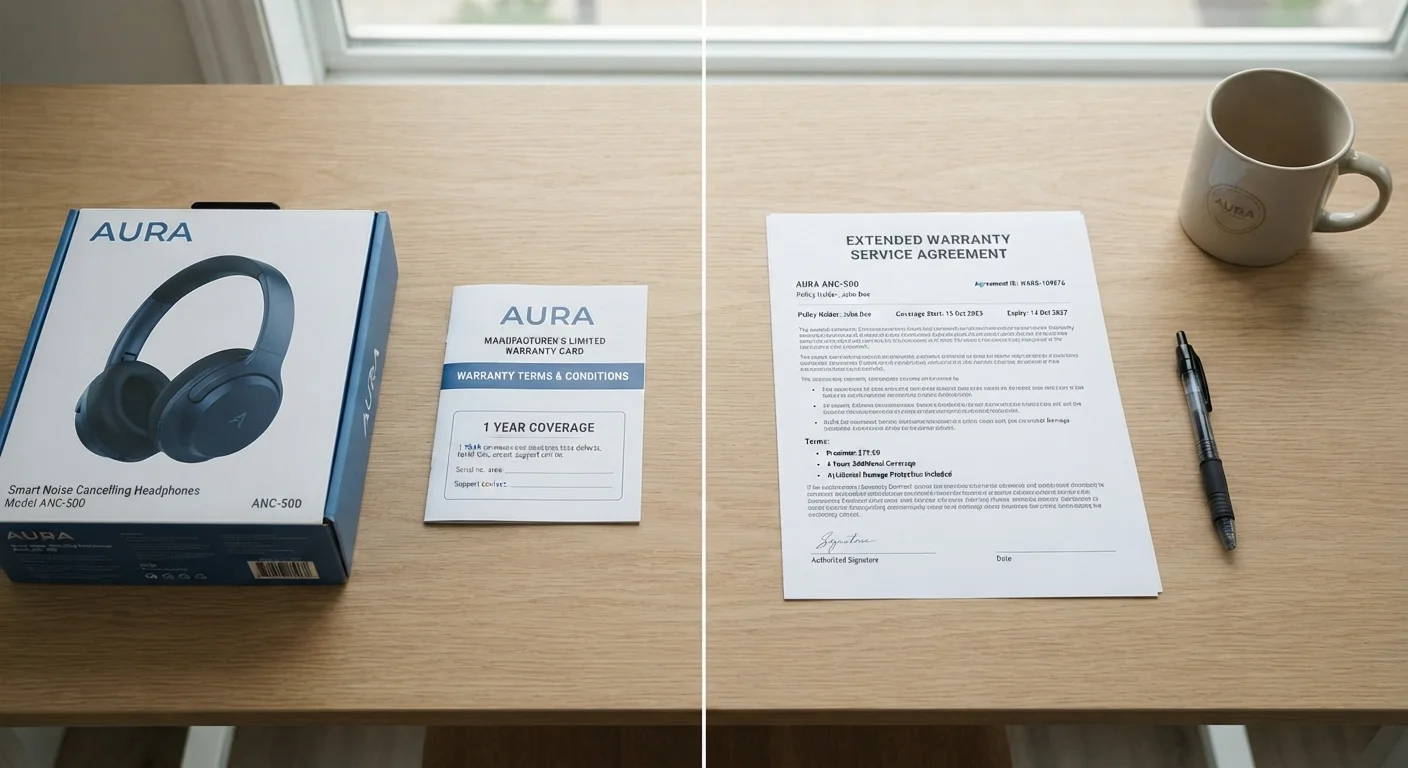
Notably, the Act does not cover oral promises, service contracts sold separately, or warranties on commercial or business-use products. It's strictly about written warranties on physical goods sold to consumers. For the broader picture of protections available at every stage of a purchase, see this complete US shopper's guide.
Full vs. Limited Warranties: The Labels That Matter
One of the Act's most practical contributions is requiring warranty issuers to label their coverage as either "full" or "limited." These aren't marketing terms - they carry specific legal obligations.
A full warranty must:
- Repair or replace a defective product within a reasonable time, at no charge to the consumer
- Not require the consumer to return a warranty registration card as a condition of coverage
- Offer a refund or replacement if the product cannot be fixed after a reasonable number of attempts
A limited warranty can impose conditions - covering only parts but not labor, requiring proof of purchase, or limiting coverage to the original purchaser - but it must clearly state those limitations. If a warranty is labeled "limited" but reads like a full warranty in the fine print, the FTC has authority to challenge that.
Read the Warranty Before You Buy
Federal rules require that warranty terms be accessible to consumers before purchase - ask to see them if they're not clearly posted or linked. Reviewing coverage before you commit is especially important for high-ticket items like appliances, electronics, and vehicles. Don't assume "full warranty" and "lifetime warranty" mean the same thing - they don't under federal law.
If a warranty document uses neither label or applies only vague language like "satisfaction guaranteed," that's a red flag. Warranty fine print often contains clauses that quietly limit your coverage - knowing what to look for before you buy matters.
The Third-Party Repair Provision Most Shoppers Miss
One of the most consumer-friendly - and widely misunderstood - aspects of Magnuson-Moss is its prohibition on blanket warranty voidance. Specifically, a warrantor cannot void your coverage simply because you used a non-manufacturer part, visited an independent repair shop, or serviced the product yourself.
To void a warranty on those grounds, the warrantor must prove that the third-party part or service actually caused the defect in question. A sticker on your appliance or vehicle saying "warranty void if opened" does not override this federal protection.
1975
Year Magnuson-Moss was enacted
The law was signed by President Gerald Ford and remains the primary federal statute governing consumer product warranties in the US.
$15
Minimum product cost for the Act to apply
The Magnuson-Moss Warranty Act applies to written warranties on consumer products sold for more than $15, per FTC regulations.
3
Remedies available under a full warranty
Consumers holding a full warranty are entitled to repair, replacement, or refund if a product cannot be fixed within a reasonable number of attempts.
This provision has real significance when deciding between authorized service centers and independent repair shops - a distinction that often affects both cost and convenience. It intersects directly with the broader debate around extended warranties vs. manufacturer warranties, since third-party service contracts may have their own separate conditions.
How to Use These Rights in a Dispute
If a seller or manufacturer refuses to honor a written warranty, Magnuson-Moss gives you meaningful recourse. Consumers can file complaints with the FTC, contact their state attorney general's consumer protection office, or pursue the matter in federal or state court.
Critically, the Act allows prevailing consumers to recover attorney's fees - a provision designed to level the playing field against larger companies. This makes legal action viable even when the dollar amount in dispute might otherwise seem too small to litigate.
Before escalating, document everything: keep purchase receipts, written warranty documents, repair attempts, and all correspondence with the seller. Many disputes are resolved when a consumer can clearly cite the Act's requirements and demonstrate the warrantor has not met them. If a product arrived defective or was misrepresented at purchase, you may have additional remedies under consumer law beyond the warranty itself.