
Why Add-Ons Deserve Closer Scrutiny
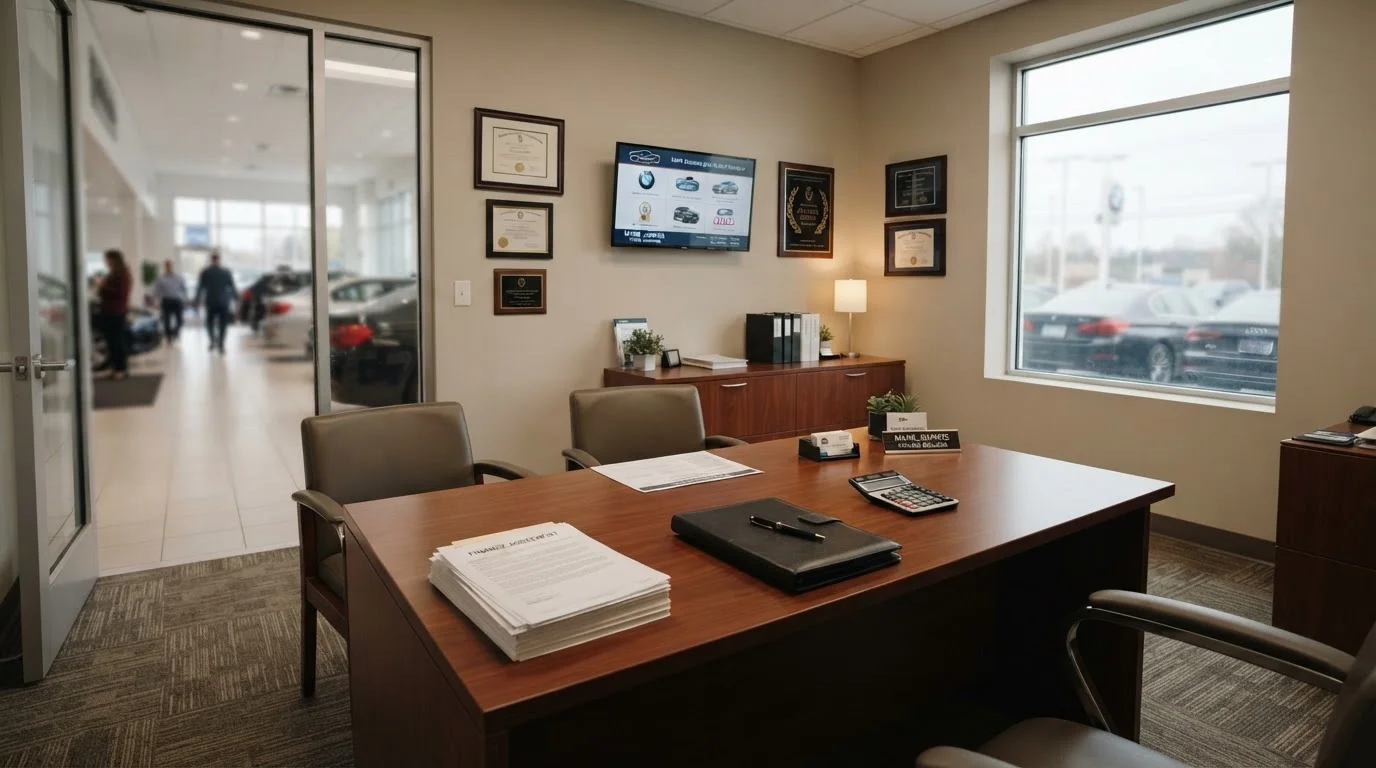
By the time you reach the finance and insurance (F&I) office, you may have already spent hours negotiating a vehicle price. That mental fatigue is exactly the environment in which dealers introduce add-ons-a category of products and services bundled into your purchase that can quietly add hundreds or even thousands of dollars to your final loan balance. Understanding what each add-on actually is, and whether it serves your specific situation, is the most effective defense against overpaying.
Add-ons are not inherently dishonest. Some provide genuine value depending on your circumstances. The problem is that they're frequently presented as standard or nearly required, when in most cases they're discretionary line items you can decline, defer, or purchase elsewhere at lower cost. For a broader look at how the finance office operates, see what the F&I office is actually selling you.
The list below covers the most common add-ons you're likely to encounter, with a clear-eyed breakdown of what each one is and the key questions to ask before agreeing to it.
Paint Protection Film or Sealant
Dealers often offer a paint protection package-either a ceramic coating, polymer sealant, or physical film applied to the hood and front panels-as protection against chips, scratches, and UV fading. These products exist in the open market and can be purchased from independent detailers, typically at lower cost than dealership pricing.
Key question: Get a written description of exactly what's being applied, by whom, and for how long any warranty is valid. Compare the dealer's price against two or three quotes from local detailing shops before agreeing. If it's already been applied before you arrived, you can often still negotiate the price down or have it removed from the total.
Paint protection products are widely available outside the dealership-compare prices before agreeing.
GAP Insurance
GAP (Guaranteed Asset Protection) insurance covers the difference between what you owe on your auto loan and what your vehicle is worth if it's totaled or stolen. Because new vehicles depreciate quickly, this gap can be significant-especially in the first few years of ownership. GAP coverage can be a genuinely useful product in some situations, such as when you make a small down payment or finance over a long term.
Key question: Your own auto insurer and many credit unions offer GAP coverage, often at a fraction of the dealership price. The Federal Trade Commission has noted that dealer-sold GAP can be significantly more expensive than policies purchased independently. Understand your financing structure first-if you put 20% or more down and have a short loan term, you may not need it at all. Also review how depreciation curves affect your equity to assess your real exposure.
GAP coverage purchased through your own insurer is often substantially cheaper than the dealer's version.
Extended Warranty (Vehicle Service Contract)
An extended warranty-more accurately called a vehicle service contract-extends coverage beyond the manufacturer's warranty for mechanical repairs. These contracts vary enormously in what they cover, which repair shops they authorize, and whether the administrator is financially stable enough to honor claims years later.
Key question: Read the contract in full before signing. Identify deductibles, exclusions (wear-and-tear items are frequently excluded), and the claims process. Note that manufacturer-backed extended warranties purchased through a franchised dealer tend to have fewer coverage gaps than third-party contracts. You are generally not required to buy this product on the day of purchase-it can often be added later while the vehicle is still under its factory warranty.
Extended warranties can be purchased after the sale; never let urgency pressure you into a same-day decision.
Nitrogen Tire Inflation
Some dealerships charge a fee-sometimes $150 to $300-to fill tires with nitrogen rather than compressed air. Nitrogen does escape tires slightly more slowly than regular air and maintains pressure more consistently with temperature changes. However, regular air is approximately 78% nitrogen already, and most drivers would struggle to notice a practical difference under normal conditions.
Key question: Is the benefit meaningful enough to justify the cost for your driving habits? For most passenger vehicle owners, the answer is likely no. If the tires have already been inflated with nitrogen, the charge may still be negotiable. Tire pressure maintenance-which costs nothing-has a far greater impact on tire longevity and fuel economy than the gas used to inflate them.
Nitrogen inflation offers minimal practical benefit over regular air for most everyday drivers.
Fabric and Interior Protection
Interior protection packages typically involve applying a fabric guard or leather conditioner to seats and carpets, marketed as protection against stains and wear. As with paint sealants, these are consumer-grade products available at auto parts stores for a fraction of the dealer's markup. Some dealerships apply them before the vehicle reaches the lot, presenting them as non-negotiable.
Key question: If it's already applied, treat it as a sunk cost from the dealer's side and negotiate accordingly-it shouldn't be a fixed add-on price you simply accept. If it hasn't been applied, you can decline it outright. Consider whether your vehicle's seating surfaces (leather versus cloth) and your typical use actually warrant professional-grade protection at that price point. See also features that sound essential but rarely get used for similar evaluations.
Fabric and interior protectants sold at dealerships are consumer products available far more cheaply elsewhere.
Credit Insurance and Debt Cancellation
Credit life insurance pays off your auto loan if you die before it's repaid. Credit disability insurance covers payments if you become unable to work. These are niche products that sound protective but are frequently expensive relative to comparable term life or disability coverage available through independent insurers.
Key question: If you already carry adequate life and disability insurance, these products may duplicate existing coverage. The Consumer Financial Protection Bureau (CFPB) has highlighted that credit insurance is often optional and should be evaluated in the context of your existing financial protection. Ask what the total premium cost is over the loan term and compare it to what equivalent standalone coverage would cost. For context on how add-ons like these interact with broader dealer tactics, see dealer tactics that shift costs without changing the total.
Credit insurance often duplicates coverage you may already have-compare total premiums carefully.
How to Approach the Conversation
Before you sit down in the F&I office, request a fully itemized out-the-door price in writing. This forces every add-on into the open rather than burying it in a monthly payment figure. As a general rule, evaluate each item as if you were paying cash for it on the spot-because effectively, you are, plus interest if it's rolled into a loan.
Request Everything in Writing First
Before the F&I presentation begins, ask for a printed itemized list of every product being offered, its cost, and whether it's required for financing. This single step prevents add-ons from being buried in a monthly payment figure. Any item that cannot be clearly described and priced in writing deserves extra scrutiny.
For a deeper understanding of the terminology you may encounter, this plain-language glossary of dealership terms can help you decode the language before you sign. And if you want to understand how add-on pricing fits into the bigger financial picture of vehicle ownership, see the real cost of owning a car beyond the sticker price.
This article is for general informational and educational purposes only and does not constitute financial, legal, or insurance advice. Consult a qualified professional for guidance specific to your situation.