Why Return Policy Myths Are So Costly
Most shoppers assume retail return policies work a certain way - until the moment they try to use one. The gap between what people expect and what stores actually offer can mean lost money, wasted trips, and unnecessary stress. Misplaced confidence in a "standard" return policy is one of the most common and avoidable consumer mistakes.
These myths persist because some retailers are genuinely generous - and those experiences set expectations that don't apply everywhere. What follows are the most widespread misconceptions, corrected with how things actually work.
Return policy confusion isn't unique to shopping. Similar assumption-driven mistakes show up across consumer decisions - from car purchases to home improvement projects. Knowing the real rules before you act is always the better strategy.
The Myths - and What's Actually True
Work through each of these misconceptions carefully. Even one corrected belief could save you a meaningful amount on your next return attempt.
Myth
All retailers must accept returns within 30 days - it's the law.
Fact
There is no federal law requiring US retailers to accept returns. Return policies are set entirely at the retailer's discretion.
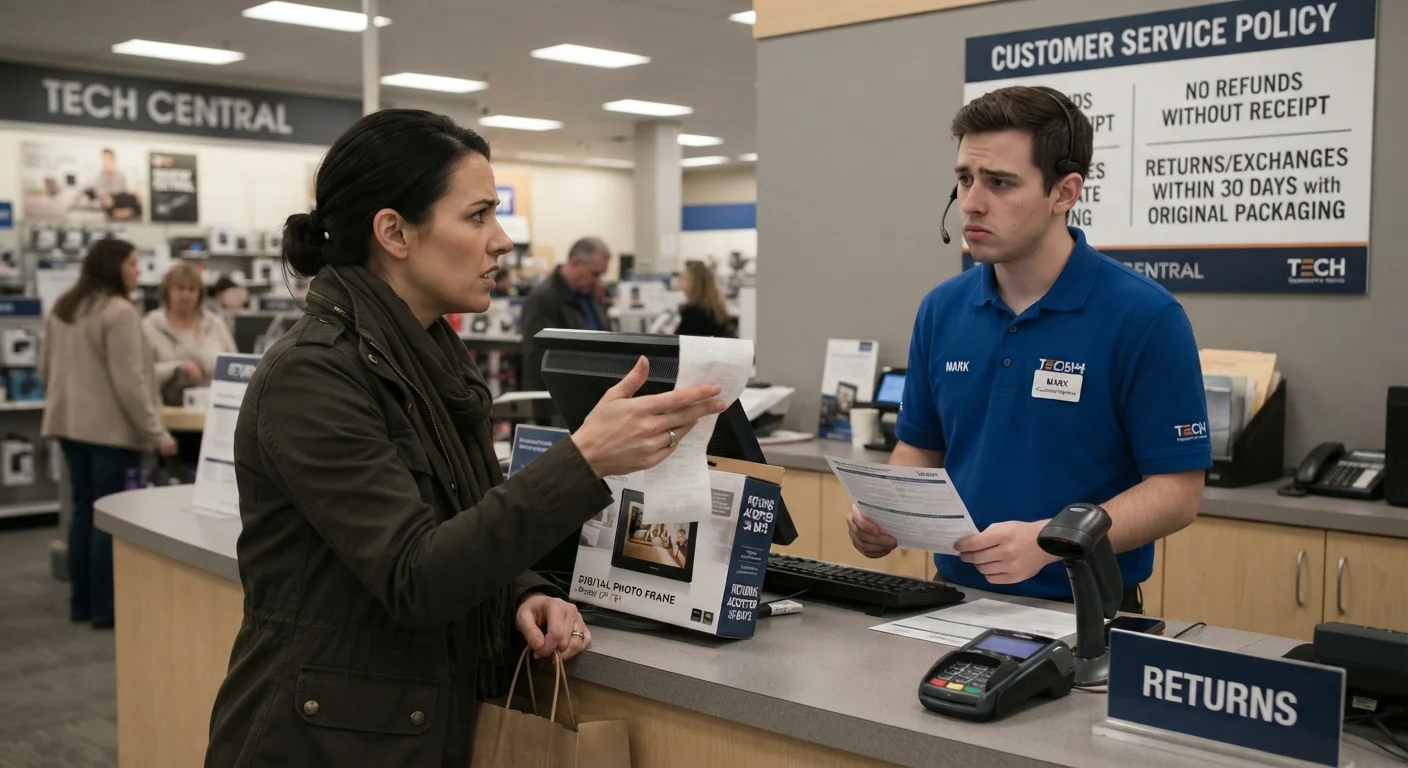
The only time a retailer is generally obligated to provide a remedy is when a product is defective, not as described, or violates implied warranty protections under state law. Outside of those situations, a store can legally display a No Returns sign and enforce it. Some states - including California, New Jersey, and Ohio - do require stores to clearly post their return policy, but posting a strict policy is not the same as offering a generous one. Always read the policy before purchasing, not after.
Myth
If you have your receipt, the store has to give you a full cash refund.
Fact
A receipt proves purchase, but it doesn't guarantee a cash refund. Stores can still limit refunds to store credit, exchanges, or nothing at all.
Retailers define what a receipt entitles you to. Some stores use receipts solely to verify that a purchase occurred within their system - they then apply whatever refund format their policy specifies, which may be store credit only or an exchange. The receipt is an important document, but it's evidence of a transaction, not a contract for a specific refund format. What matters is the policy in effect at the time of purchase, not what you assumed the receipt would unlock.
Myth
Opened or used items can never be returned.
Fact
Many retailers accept opened or used items within their return window, provided the item is in reasonable condition and the policy allows it.
Electronics, clothing, and household goods are frequently returned after opening. Some retailers explicitly state that items must be unused and in original packaging, while others accept returns regardless of whether the box has been opened. Categories like software, DVDs, and certain hygiene products are more commonly excluded once opened - for licensing or safety reasons - but this is category-specific, not a universal rule. Always check the policy language rather than assuming the seal is the deciding factor.
Myth
Final sale means the retailer is off the hook even for defective products.
Fact
"Final sale" limits your ability to return for preference reasons, but it generally does not eliminate your rights if the item is genuinely defective.
Implied warranty protections under the Uniform Commercial Code - adopted in some form by all US states - provide a baseline expectation that goods will work as intended, even on sale items. A final-sale designation typically means the store won't accept a return because you changed your mind or found a lower price elsewhere. It does not typically waive your right to a remedy for a product that fails to function as expected. If a final-sale item is broken or unsafe on arrival, escalate the matter and cite defect-based protections rather than general return policy.
Myth
Online return policies are the same as in-store policies for the same retailer.
Fact
Online and in-store purchases at the same retailer can carry different return windows, processes, and restrictions.
Many retailers operate their physical stores and e-commerce channels as operationally distinct units. This means a product purchased online may need to be returned by mail rather than in-store, may carry a different window (sometimes shorter, sometimes longer), and may involve a restocking fee that doesn't apply to in-store purchases - or vice versa. Before completing any online purchase, look specifically for the online return terms rather than assuming they mirror the store signage you've seen in person.
Myth
Restocking fees are illegal or can always be disputed away.
Fact
Restocking fees are legal in the US and, when properly disclosed, are difficult to dispute once charged.
Restocking fees - typically ranging from 10% to 25% of the purchase price for categories like electronics, appliances, and furniture - are a legitimate business practice when disclosed at or before the point of sale. Consumers who are surprised by a restocking fee are usually dealing with a disclosure problem, not an illegal charge. If a restocking fee was not disclosed before purchase, you have a stronger basis to challenge it. If it was listed in the policy you agreed to, disputing it successfully is much harder. The practical defense is reading the policy beforehand, not contesting it afterward.
16.5%
Average retail return rate in the US
According to the National Retail Federation's 2023 annual return report, US retailers processed approximately $743 billion in returned merchandise.
13.7%
Share of returns identified as fraudulent or abusive by retailers
The National Retail Federation's 2023 data indicates that for every $100 in returned merchandise, retailers lose an estimated $13.70 to fraud or policy abuse.
~50%
US states with mandatory return policy disclosure laws
Roughly half of US states require retailers to conspicuously post return policies, but requirements and enforcement vary significantly by state.
What to Do When a Return Is Denied
If a retailer refuses your return and you believe their policy has been applied incorrectly - or was never clearly disclosed - you have several options worth pursuing in order.
- Escalate in-store: Ask to speak with a store manager rather than a front-line associate. Managers often have authority to override standard policy as a goodwill gesture, especially for loyal customers or clear product defects.
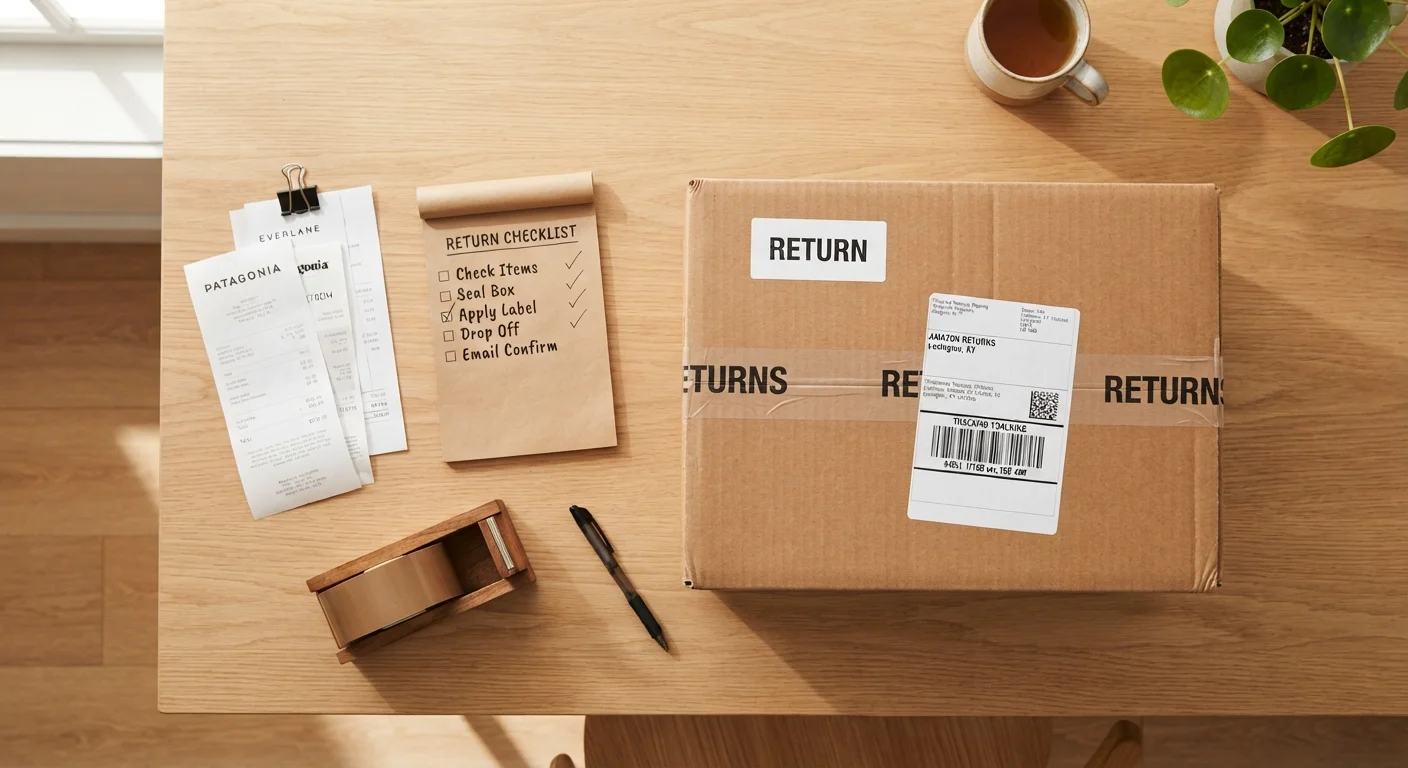
- Document everything: Screenshot the policy as it appeared at the time of purchase. Email confirmation receipts, policy pages, and any written communication create a paper trail that protects you. See our pre-return checklist for a step-by-step rundown before you initiate any return.
- Contact your credit card issuer: If you paid by credit card and received a product that was materially misrepresented or defective and the retailer won't remedy it, a chargeback under the Fair Credit Billing Act may be available. This is not a blanket option - it applies to specific qualifying disputes.
- File a complaint: Your state attorney general's consumer protection office and the Federal Trade Commission both accept complaints about deceptive retail practices. These filings won't guarantee a personal refund, but they do create accountability.
Don't Assume Chargeback Is a First Step
Initiating a credit card chargeback without first attempting a good-faith resolution with the retailer can backfire. Card issuers typically expect you to have contacted the merchant first, and some retailers may ban customers who file chargebacks they consider unwarranted. Use the chargeback process as a last resort, not a shortcut, and document every prior step you took to resolve the issue directly.
Before accepting store credit as a final resolution, understand exactly what you're agreeing to. Store credit and cash refunds are not equivalent - and the distinction matters more than most shoppers realize.