Why Vehicle Regret Is More Common Than You'd Think
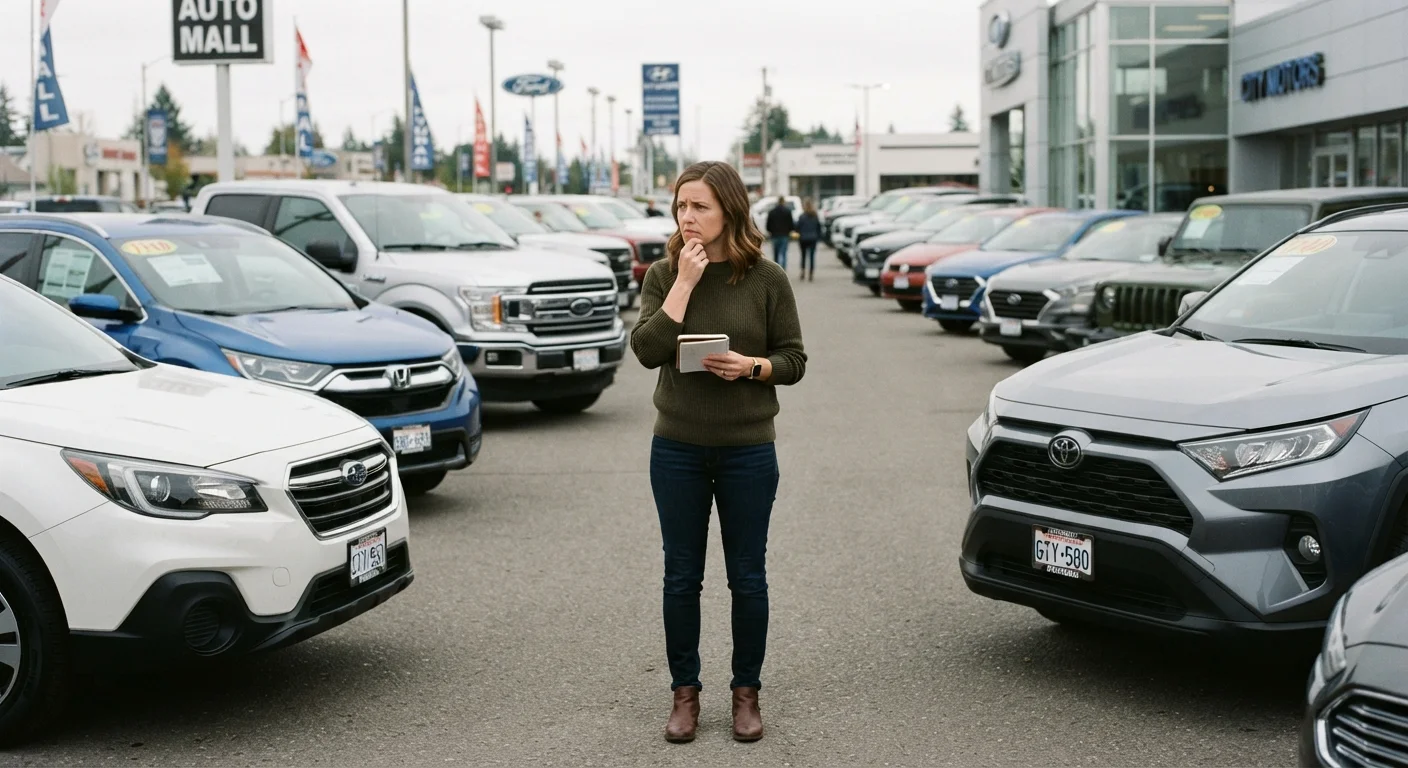
Buyer regret in the auto market isn't rare. Industry research has consistently found that a meaningful share of vehicle owners wish they had chosen differently - a different class, a different powertrain, or a different set of features. The root cause is rarely a bad deal on price. More often, it's a mismatch between the vehicle purchased and the life the buyer actually lives.
Most of these mismatches trace back to assumptions made before the shopper ever sets foot on a lot: assumptions about what they'll need, what they can afford to run, and which brand deserves their loyalty. Identifying those assumptions early is the most reliable way to avoid them. The mistakes below represent the patterns we see most frequently - and the ones with the clearest paths to correction.
Overestimating how much space or capability you actually need.
Why it happens: Shoppers often plan for edge-case scenarios - the once-a-year camping trip, the occasional furniture haul - rather than their everyday reality. The result is a larger, more expensive vehicle that sits underutilized most of the time.
Ignoring total ownership costs and focusing only on the purchase price.
Why it happens: Sticker price is the most visible number in the shopping process, so it naturally anchors decision-making. Fuel economy differences, insurance rate variations by vehicle class, and maintenance cost gaps rarely surface until the bills arrive.
Anchoring to a brand based on past experience or reputation without current research.
Why it happens: Brand loyalty feels like a reliable shortcut - if a previous vehicle from a manufacturer served you well, it's natural to assume the next one will too. Reliability and quality, however, shift between model generations and across model lines within the same brand.
Underestimating how quickly a vehicle depreciates and what that means for resale.
Why it happens: Depreciation is an invisible cost during ownership - it doesn't show up on a monthly statement - so most buyers don't factor it into their decision at all. Yet it can represent the single largest cost of owning a vehicle.
Letting monthly payment be the primary filter rather than total cost.
Why it happens: Dealers and lenders frequently present financing in terms of monthly payment, which makes expensive vehicles seem accessible. Extending loan terms lowers the monthly figure while dramatically increasing total interest paid.
The Financial Picture Beyond the Sticker
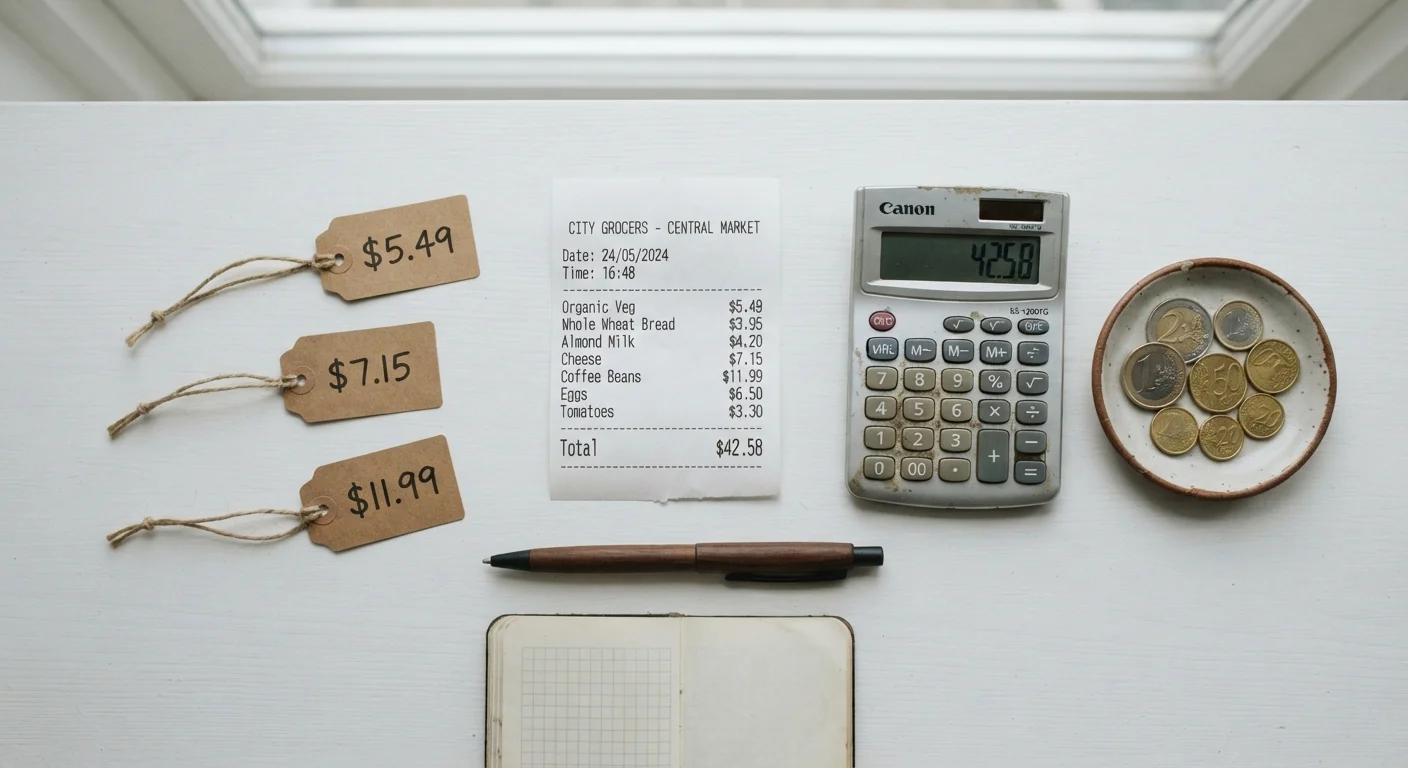
Purchase price is the figure most shoppers focus on, but it rarely tells the full ownership story. A vehicle that fits your purchase budget can still strain your monthly finances if fuel, insurance, and maintenance costs weren't factored in from the start. This is especially relevant when comparing vehicle classes - a larger SUV or a performance-oriented model may carry meaningfully higher insurance premiums and fuel costs than a comparable mid-size sedan or crossover.
~20%
New car owners who report buyer's remorse
Industry surveys have found roughly one in five new vehicle buyers wishes they had chosen a different vehicle, with fit-to-lifestyle being the most commonly cited reason.
50%+
Potential value loss in 3 years for high-depreciation vehicles
Some new vehicles can lose more than half their original value within three years, according to automotive valuation analysts - a cost most buyers don't price into their decision.
Before finalizing a vehicle choice, it's worth building a rough monthly ownership budget that includes estimated fuel (based on real EPA combined figures and your actual driving patterns), insurance quotes from at least two carriers, and expected scheduled maintenance intervals. For a deeper look at costs that surface after the purchase, see the hidden costs that erode a good deal after you buy.
Monthly Payment Math Can Mislead You
A lower monthly payment achieved by extending a loan term from 48 to 72 months can add thousands of dollars in total interest while giving the illusion of affordability. Always compare vehicles using the full loan cost - not just what you'll owe each month. If a vehicle only fits your budget with a very long loan term, it may not actually fit your budget.
Financing choices add another layer. Focusing on monthly payment alone - rather than total loan cost - can make an expensive vehicle feel affordable while locking you into years of higher interest. The financing a car hub covers what to evaluate before signing any loan agreement.
Choosing Confidently Before You Walk In
The shoppers least likely to experience buyer regret are those who complete a structured self-assessment before visiting a dealership. That means honestly auditing how you actually use a vehicle day-to-day: your typical passenger count, commute length, cargo habits, and whether towing or off-road capability is a genuine need or an occasional fantasy. Questions to ask yourself before settling on a vehicle class provides a practical framework for this process.
It also means separating features you'll use from features that look good on a spec sheet. Heated rear seats, panoramic sunroofs, and built-in navigation regularly appear on wish lists and rarely appear in daily use - a pattern explored in detail in vehicle features that sound essential but rarely get used. Trimming the feature list to genuine needs often opens budget for what matters more: reliability, a lower loan balance, or a stronger resale position.
Finally, once you've settled on a vehicle direction, go into any negotiation informed. Assumptions about your leverage - like thinking enthusiasm won't show or that the first offer is reasonable - carry their own costs. Understanding concessions buyers give away without knowing it can help you hold your ground at the table.
This article is for general informational and educational purposes only. Vehicle ownership costs, loan terms, and market conditions vary significantly. Consult qualified financial and automotive professionals for guidance specific to your situation.