
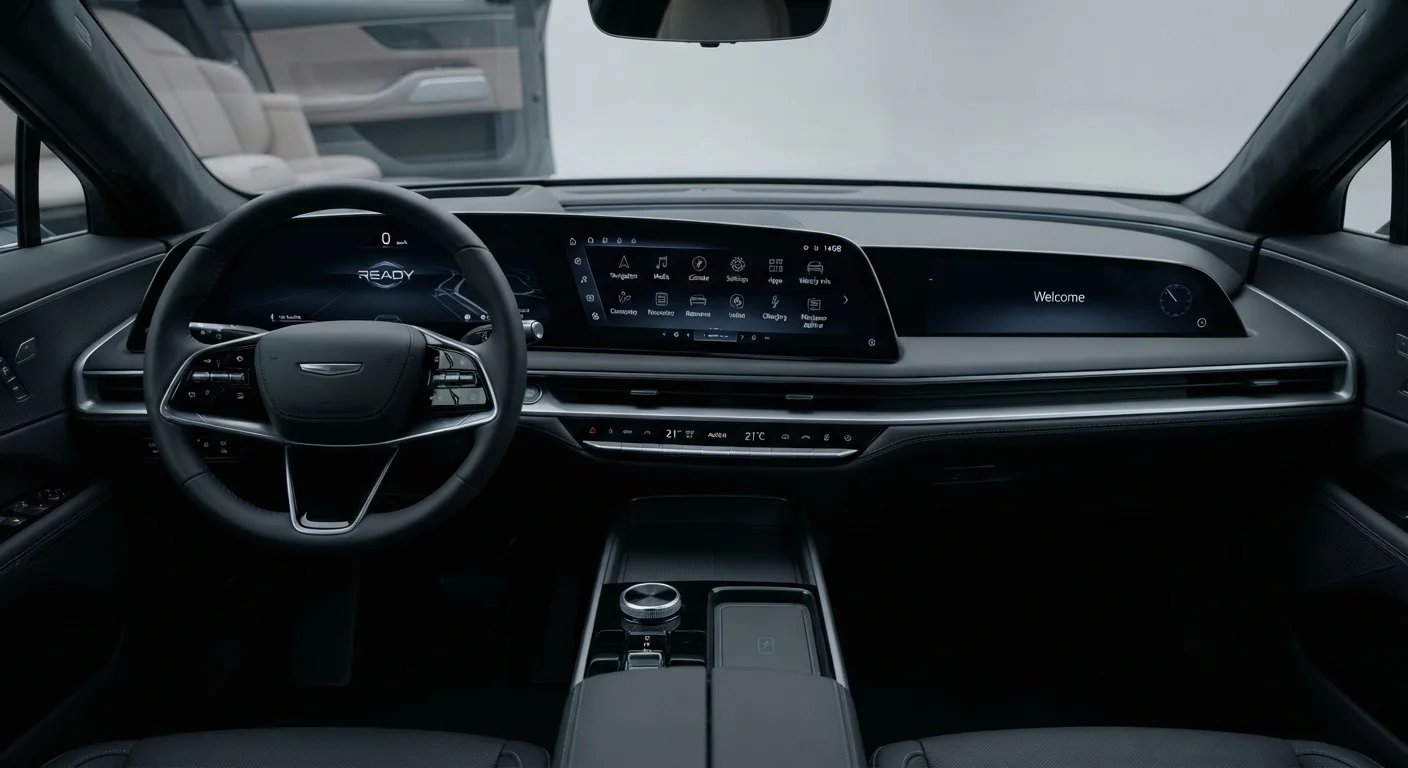
Why Impressive Features Don't Always Translate to Real Value
Automakers are skilled at loading vehicles with technology that looks compelling in a brochure. Features like panoramic sunroofs, ventilated massage seats, and heads-up displays read as obvious upgrades when you're comparing trim levels on a dealer's website. The problem is that many buyers pay hundreds - sometimes thousands - of dollars extra for features they rarely, if ever, engage after the first few weeks of ownership.
This isn't a knock on innovation. Many of these features genuinely improve certain drivers' lives. The issue is the assumption that more features automatically means a better vehicle for you. Matching your lifestyle and driving habits to the features you're paying for is one of the most financially sound decisions you can make in a vehicle purchase. See common car-buying assumptions that lead to regret for a broader look at how expectation gaps hurt shoppers.
Below, we break down some of the most frequently marketed features and the honest reality of how they get used.
Myth
Built-in navigation is essential and superior to using your phone for directions.
Fact
For most drivers, smartphone-based navigation is more current, more flexible, and less expensive to maintain than factory-installed systems.
Factory navigation systems can add $1,000 or more to a vehicle's price and require paid map updates to stay current - updates that many owners never purchase. Meanwhile, navigation apps on smartphones receive automatic, free updates and access real-time traffic data. Most modern vehicles now support Apple CarPlay or Android Auto, which mirror your phone's navigation seamlessly on the dashboard screen. Unless you frequently drive in areas without cellular coverage, built-in navigation rarely justifies its premium for the average commuter or family driver.
Myth
A panoramic sunroof dramatically improves the driving experience for everyone.
Fact
Panoramic roofs are popular on spec sheets but frequently left closed due to heat, glare, noise, and privacy concerns.
Panoramic sunroofs are among the most visually striking features at a dealership test drive - often demonstrated on a mild, partly cloudy afternoon. In daily use, many owners keep them closed. Direct sun through a large glass panel can raise cabin temperatures significantly, making air conditioning work harder. Road noise transmitted through glass panels is also measurably higher than through a solid roof. Drivers in sunnier states often find the shade cover stays closed year-round. Beyond that, panoramic roofs reduce headroom slightly and can add weight that affects fuel efficiency at the margins. The feature genuinely suits some drivers - particularly those who enjoy open-air driving in temperate climates - but it's worth honestly assessing how often you'd use it before paying the premium.
Myth
Heated rear seats are a practical necessity for families in cold climates.
Fact
Rear seat heating is used far less consistently than front seat heating, and many passengers - particularly children - never use it at all.
Heated front seats have clear, consistent utility for drivers and front passengers in cold climates. Rear heated seats are a different matter. In practice, rear passengers are often bundled in coats or blankets, and children in car seats typically shouldn't have seat heat running beneath them. Many vehicles gate rear seat heat behind a front-seat-controlled switch, meaning rear passengers can't adjust it independently. The feature adds cost at the trim or options level, and ownership surveys suggest rear seat heaters are among the features least frequently engaged after the initial novelty period. If your rear seats carry adults regularly in a cold climate, this feature may earn its place - otherwise, it's a reasonable one to forgo.
Myth
A higher towing capacity means you're covered for any hauling you might ever need.
Fact
Most truck and SUV owners never approach their vehicle's rated towing capacity, making it a poor primary reason to choose a more expensive powertrain.
Towing capacity is one of the most cited justifications for choosing a heavy-duty truck or upgrading to a larger engine package. Industry usage data consistently shows that the vast majority of truck and SUV owners rarely - or never - tow anything close to their vehicle's maximum rated capacity. Towing ratings represent engineering limits under ideal conditions, not everyday use cases. If you regularly haul a boat, horse trailer, or large camper, towing specs are genuinely important. If your actual towing needs are occasional or modest, a capable mid-range engine or a smaller truck may serve you just as well at a meaningfully lower cost. It's worth being specific about what you actually plan to tow and how often before letting towing numbers drive a purchase decision.
Myth
Rear-seat entertainment screens are essential for families with young children on road trips.
Fact
Most families with children now rely on tablets or portable devices, making factory rear-seat entertainment systems redundant for many buyers.
Factory rear-seat entertainment screens were a meaningful innovation when portable streaming devices were uncommon. Today, most families travel with tablets that offer better screen quality, a wider content library, headphone flexibility, and the ability to use those devices anywhere - not just in one specific vehicle. Factory systems typically add several hundred to over a thousand dollars to a vehicle's price, may require separate headphone purchases, and become obsolete far faster than consumer electronics. If your family already manages screen time on the road with personal devices, a rear-seat entertainment package is unlikely to add proportionate value.
How to Evaluate Features Before You Pay for Them
Before agreeing to a higher trim level or dealer add-on driven by a specific feature, it's worth applying a simple test: think back over the past month of driving and ask whether that feature would have improved any of those trips. If the answer is rarely or never, the feature probably isn't worth the premium.
Trim Bundles Can Force Unwanted Features
Automakers frequently package desirable features - like a surround-view camera or wireless charging - alongside features you'd never choose individually, such as a panoramic roof or rear entertainment screens. This bundling means you may be paying for several unused features just to access one you want. Ask dealers specifically which features can be optioned independently and which are only available as part of a package before committing to a trim level.
A few practical questions help focus the decision:
- Climate: Heated rear seats matter in Minnesota winters; they're largely decorative in Southern California. Ventilated front seats, on the other hand, can be genuinely useful in hot climates.
- Passengers: If your back seat is empty most of the time, rear-focused features - entertainment screens, heated seats, extra USB ports - serve almost no purpose in your specific use case.
- Phone integration: If you already use Apple CarPlay or Android Auto effectively, a built-in navigation system is largely redundant and becomes outdated faster than your phone's maps app.
- Driving environment: Adaptive cruise control and lane-keep assist deliver their highest value on highway commutes. Urban-only drivers may find those systems intrude more than they help.
Understanding what features are actually bundled into each trim - versus listed as standalone options - also matters. Review the key automotive terms used on car lots and in finance offices so you can parse option packages clearly. And before signing anything, consult how to evaluate dealer add-ons that inflate the final price - some features are presented as add-ons at closing rather than as trim-level decisions, and they deserve the same scrutiny.
The goal isn't to strip a vehicle down to bare essentials - it's to spend intentionally on features that fit the way you actually drive, not the way you imagine you might drive someday.