
What a Chargeback Actually Is
A chargeback is not a refund - at least not in the conventional sense. When you request a refund from a retailer, the merchant controls the outcome. When you file a chargeback, your card issuer steps in and can forcibly reverse the transaction, pulling funds back from the merchant's bank and returning them to your account.
This distinction matters. Chargebacks exist because Congress recognized that consumers needed an enforcement mechanism that didn't depend on merchant cooperation. The Fair Credit Billing Act codified that right for credit card holders. The process runs through the card network - Visa, Mastercard, American Express, Discover - each of which has its own rulebook layered on top of federal law.
Understanding chargebacks correctly prevents two common mistakes: assuming they apply in every frustrating situation, and assuming they're too complicated to bother with. Neither is accurate.
Valid Reasons to File a Chargeback
Card networks categorize disputes by reason codes, but the core valid scenarios fall into a few buckets:
- Unauthorized transactions: Your card was used without your permission - through fraud, theft, or a data breach. This is the clearest case and typically the fastest to resolve.
- Item not received: You paid for goods or services that were never delivered and the merchant has not issued a refund.
- Significantly not as described: What arrived was materially different from what was advertised. A refurbished product sold as new, or a garment that bears no resemblance to the listing photos, can qualify.
- Duplicate or incorrect charges: You were billed twice for the same transaction, or charged the wrong amount.
- Merchant went out of business: You paid for something - a future service, a subscription box - and the merchant closed before fulfilling the order.
What does not qualify: general dissatisfaction with a product that accurately matched its description, a return you simply haven't shipped yet, or a recurring charge you forgot to cancel. Filing a chargeback in those situations - sometimes called "friendly fraud" - is a misuse of the system and can have consequences.
Chargebacks vs. Debit Card Disputes
Credit and debit cards operate under different federal laws. Credit card disputes are governed by the Fair Credit Billing Act; debit card disputes fall under the Electronic Fund Transfer Act, which provides narrower protections and shorter reporting windows. For significant purchases where dispute risk matters, credit cards generally offer stronger protections.
Before You File: The Merchant-First Rule
Most card issuers expect you to attempt a resolution with the merchant before escalating to a chargeback - and they may ask for evidence of that attempt when you file. This isn't just bureaucratic friction. Merchants can resolve disputes faster than the formal chargeback process, which can take weeks.
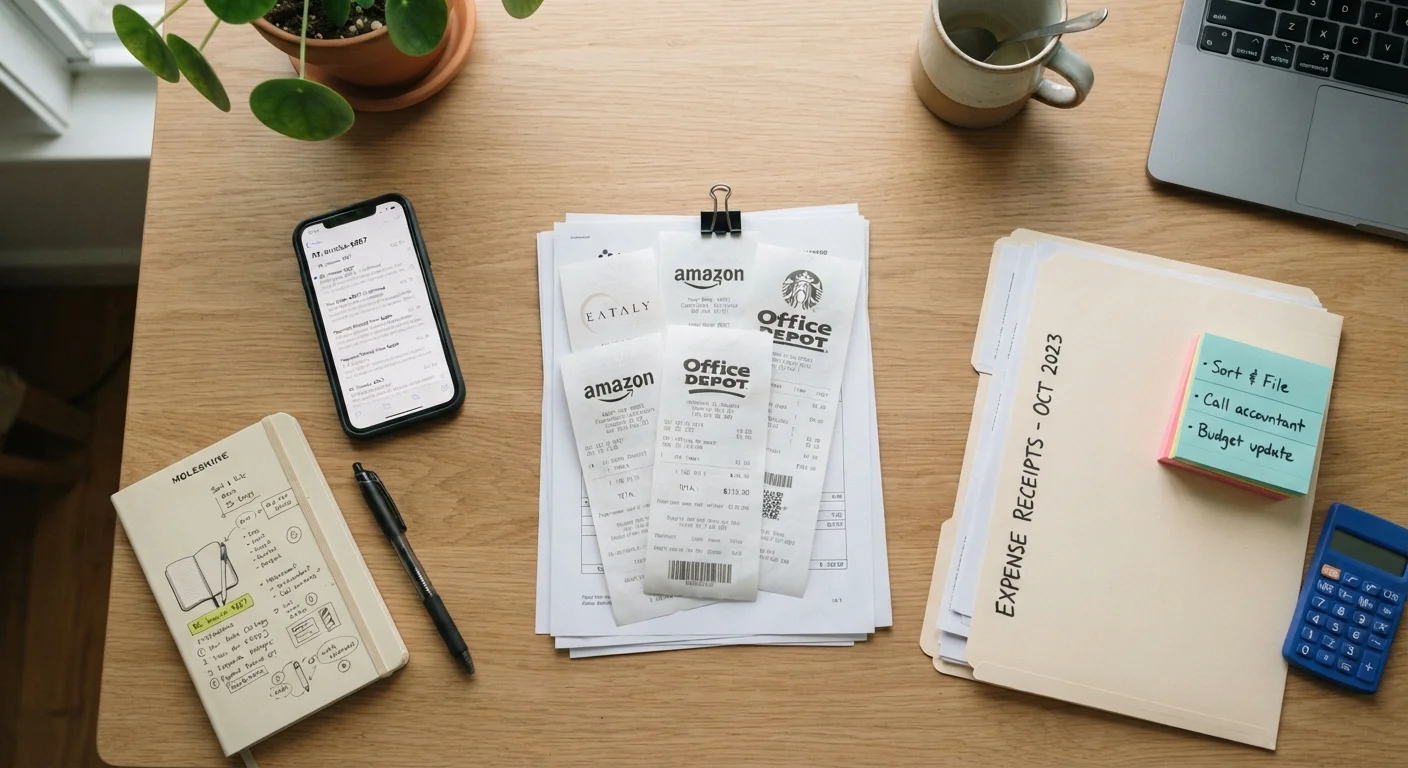
Document every interaction: note dates and times of phone calls, save chat transcripts, and keep copies of emails. If the merchant refuses to help or fails to respond within a reasonable window (typically five to seven business days), you have a documented basis for escalation.
Good recordkeeping is the foundation of a successful dispute. For a practical guide to what to save and how to organize it, see how to document purchases for disputes.
Screenshot Everything Before You Dispute
Before contacting your issuer, capture screenshots of the merchant's product listing, your order confirmation, any tracking information, and your correspondence with the seller. Product pages and merchant websites can change or disappear once a dispute is underway. Having timestamped evidence locked down before you file significantly strengthens your case.
How the Chargeback Process Works
Once you contact your card issuer and submit a dispute, the issuer typically issues a provisional credit to your account while the investigation runs. The merchant then receives notification and has the opportunity to submit a rebuttal - receipts, delivery confirmations, signed agreements, or other evidence. The card network ultimately rules on the outcome.
The FCBA requires issuers to acknowledge a billing dispute within 30 days and resolve it within two billing cycles (not exceeding 90 days). In practice, straightforward fraud disputes often resolve faster; complex cases involving merchant rebuttals can take the full window.
If your chargeback is denied, you still have options. You may be able to re-dispute with additional evidence, escalate within the card network, or pursue other remedies. Filing a dispute step by step covers the full process in detail, and small claims court is one avenue worth understanding if all else fails.
60 days
FCBA window to file a billing dispute
The Fair Credit Billing Act sets a 60-day filing deadline from the date your statement is made available - missing it can forfeit your dispute rights.
2 billing cycles
Maximum resolution time under FCBA
Card issuers are legally required to resolve billing disputes within two billing cycles, capped at 90 days from the date the dispute was filed.
$50
Maximum liability for unauthorized credit card charges
Under the Fair Credit Billing Act, a cardholder's liability for unauthorized credit card charges is capped at $50 - and many issuers waive even that under their own zero-liability policies.