
Why Documentation Is Your First Line of Defense
Most purchase disputes are won or lost before a single phone call is made. The moment you contact a retailer, bank, or consumer protection agency, you'll be asked for evidence: a receipt, a screenshot, a delivery confirmation. Shoppers who have that evidence ready move through the process quickly; those who don't often hit a wall.
The Federal Trade Commission notes that documentation is central to resolving complaints about defective goods, undelivered orders, and unauthorized charges. Yet most consumers only think about saving records after something goes wrong - at which point the advertised price has disappeared, the return policy page has been updated, and the original email has been deleted. Building a light, consistent documentation habit closes that gap. For a broader look at your rights at every stage of a purchase, see our complete US shopper's rights guide.
What to Save and When to Save It
Effective documentation starts at the point of sale, not the point of complaint. Here's what matters most:
Screenshot the product listing and return policy at the moment of purchase
Online retailers can change product descriptions and return conditions at any time. The version that existed when you paid is the one that governs your rights - but you'll need proof it said what you say it said.
Forward order confirmation emails to a dedicated receipts folder or email label immediately
Confirmation emails contain order numbers, item descriptions, prices, and seller contact details - all of which are required by card issuers during a chargeback investigation. Burying them in a general inbox makes them hard to find under pressure.
Photograph delivered packages before and after opening
Damage or shortage claims require evidence that a problem existed at the point of delivery, not after unpacking. Carriers and retailers dispute claims far less when a photo shows an intact seal followed by visible damage inside.
Log every contact with a retailer: date, channel, representative name, and outcome
Escalated disputes - including CFPB complaints or small claims filings - benefit from a clear record showing you attempted resolution. It establishes good faith and, in some states, is a prerequisite for certain remedies.
Retain purchase records until the product warranty expires, not just until delivery
Manufacturer warranties can extend 12 months or more beyond purchase. A receipt produced 11 months in is just as valid as one produced at day one - but only if you still have it.
Timing is as important as content. Retailer websites update return policies, promotional pricing, and product descriptions regularly. A screenshot taken three weeks after purchase may no longer reflect what was advertised when you bought. Capture it at checkout.
How to Organize Records Without Overhead
You don't need dedicated software or an elaborate system. A two-level folder structure - one folder per year, one subfolder per major purchase - handles most households comfortably. Name files with the retailer and purchase date so they surface quickly in a search.
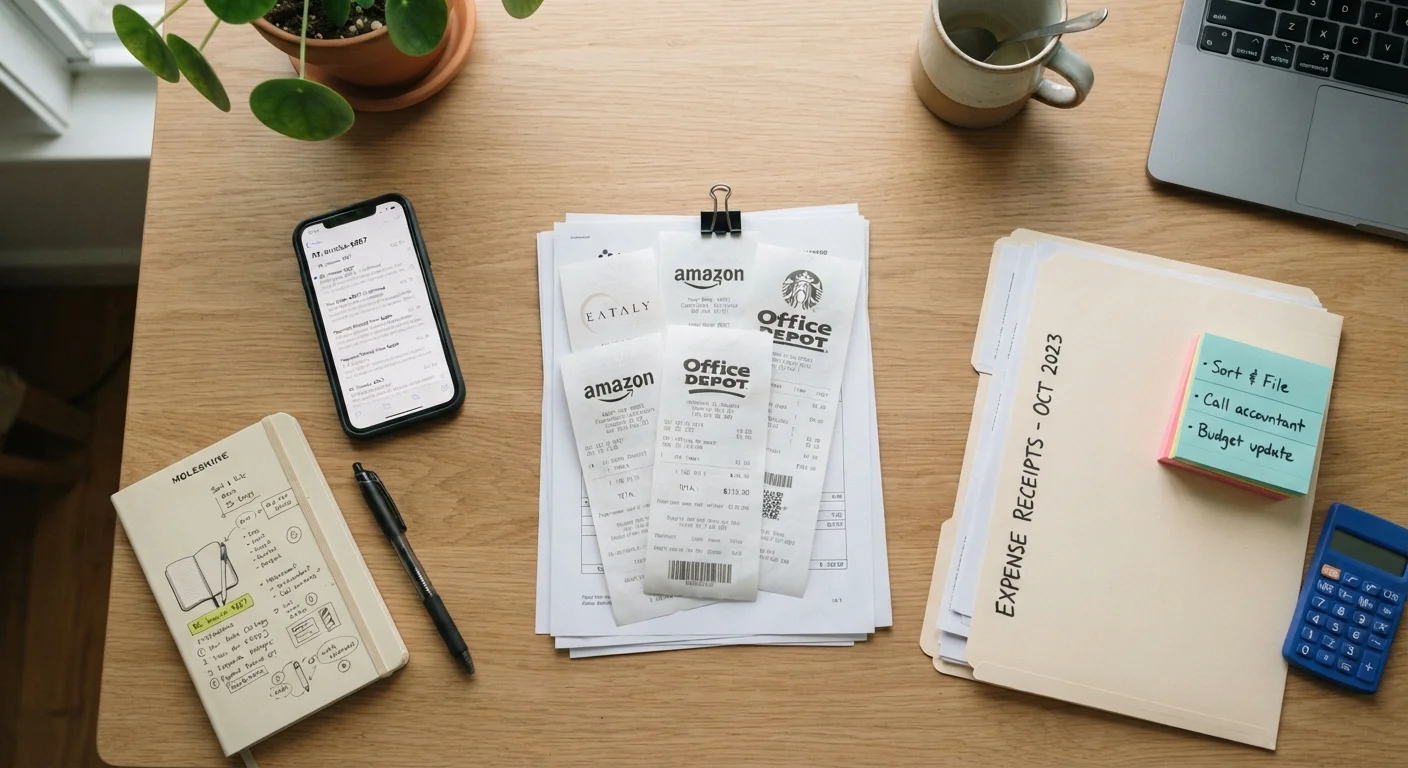
For physical receipts, a single accordion folder with monthly dividers works well. Thermal receipts fade within months, so photograph or scan them immediately. Cloud storage adds a layer of redundancy that matters if a device is lost or replaced before a dispute is resolved.
How Long Should You Keep Purchase Records?
As a general rule, keep records for the duration of any applicable warranty plus one year, or until a credit card statement closes and the charge is confirmed correct - whichever is longer. For high-value items like appliances or electronics, a five-year retention window is reasonable. Tax-deductible purchases (home office equipment, charitable donations of goods) follow IRS recordkeeping guidance, which typically extends to three years after filing.
Using Your Records in a Dispute
When a dispute arises - a missing delivery, a charge that doesn't match the quoted price, a return denied despite a valid policy - your documentation package should tell a clear, chronological story. Lead with the order confirmation, attach the advertised policy or price, follow with delivery tracking or photos of the defective item, and close with a log of contacts you've made with the retailer.
For chargeback situations, your card issuer will ask for written documentation. Our guide to filing chargebacks explains what card networks typically require and when a chargeback is the right tool. State attorneys general offices and the Consumer Financial Protection Bureau (CFPB) also accept complaints with supporting documentation when a retailer is unresponsive.
“Consumers who come prepared with organized documentation resolve complaints significantly faster and with better outcomes. The evidence doesn't need to be elaborate - it needs to be clear and timely.”
— Consumer Financial Protection Bureau, US federal agency overseeing consumer financial products and complaint resolution
The goal is to make the reviewer's job easy: every claim you make should be supported by something in the file, and the timeline should be obvious without explanation.