
Know Your Rights Before You Pick Up the Phone
The Fair Credit Billing Act (FCBA) is the federal law that gives credit card holders a formal dispute process. It covers billing errors such as unauthorized charges, charges for goods never received, charges for the wrong amount, and mathematical mistakes. Debit card disputes follow different rules under the Electronic Fund Transfer Act (EFTA), so the process and timelines vary depending on which type of card was used.
Understanding which law applies to your situation matters because the protections differ. Credit card holders under the FCBA can withhold payment on a disputed amount while an investigation is underway, without that affecting other parts of their account. Debit card holders have narrower protections, and the timing of when you report an error directly affects how much liability you bear. For a broader look at how credit works and what your account history means, see this end-to-end consumer credit guide.
What you will need
Gather Your Evidence First
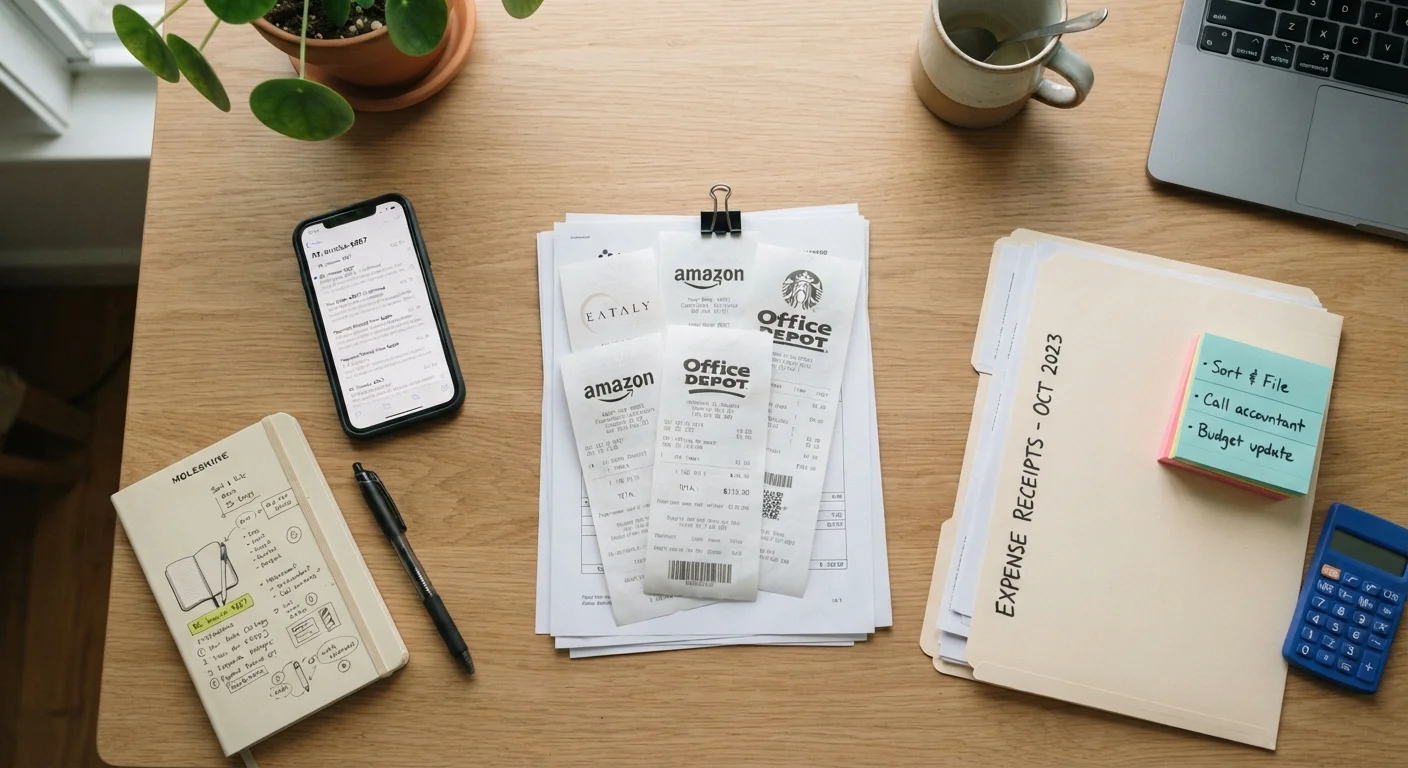
Before contacting your bank, compile everything relevant to the charge in question. The stronger your paper trail, the faster and more likely a resolution in your favor. What you need depends on the type of dispute, but a solid baseline includes:
- The statement showing the charge (date, merchant name, and exact amount)
- Your original receipt or order confirmation
- Any communications with the merchant - emails, chat transcripts, or written correspondence
- Screenshots of the merchant's advertised terms, return policy, or product listing at the time of purchase
- Tracking or delivery records if the dispute involves non-delivery
If you haven't already built a habit of saving purchase documentation, learn how to organize receipts and records so future disputes are easier to prove.
Contact the Merchant First (When Appropriate)
In many cases, reaching out to the merchant directly is the fastest resolution - and some card issuers expect you to try this first. Call or email the merchant, reference your order or transaction number, and clearly state what you believe is wrong. Keep a written record of this contact: the date, who you spoke with, and what was said or promised.
Skip this step if the charge is clearly fraudulent or unauthorized - in that case, go directly to your bank.
Contact Your Card Issuer Within the Dispute Window
For FCBA disputes, you generally have 60 days from the date the statement containing the error was mailed or made available to you. Call the number on the back of your card to report the dispute immediately - this preserves your rights - but follow up in writing.
For debit card fraud, the sooner you report it the better: reporting within 2 business days limits your liability to $50; waiting longer can increase it substantially under the EFTA.
Submit Your Dispute in Writing
A phone call starts the clock but a written dispute creates a legal record. Send a letter or use your issuer's secure online dispute portal. Your written dispute should include:
- Your name, account number, and contact information
- The specific charge: merchant, date, and amount
- A clear explanation of why the charge is incorrect
- A list of attached supporting documents (copies only - keep originals)
If mailing, use certified mail with return receipt so you have proof of delivery.
Monitor Your Account and Respond to Issuer Requests
After filing, log into your account regularly. The issuer may request additional documentation or clarification. Respond promptly - delays on your part can slow or jeopardize the investigation. Note whether a provisional credit has been applied and track the dates to ensure the issuer stays within the legally required timeframes.
Review the Outcome and Escalate If Necessary
You will receive written notice of the outcome. If the dispute is resolved in your favor, the charge is removed and any provisional credit becomes permanent. If the issuer finds in the merchant's favor, review their written explanation carefully. You have the right to request copies of documents they relied on.
If you believe the decision is wrong, file a complaint with the CFPB at consumerfinance.gov. You can also consult a detailed breakdown of how chargebacks work to understand whether any additional avenues apply to your case.
What Happens After You File
Once your dispute is submitted, the FCBA requires your card issuer to acknowledge receipt within 30 days (if submitted in writing). The issuer then has two complete billing cycles - but no more than 90 days - to investigate and reach a resolution. During this period, they cannot report the disputed amount as delinquent to credit bureaus, and they cannot close or restrict your account solely because of the dispute.
You may receive a provisional credit to your account while the investigation is ongoing. If the issuer sides with the merchant, that credit is reversed and you'll receive a written explanation. You then have 10 days to respond if you still disagree.
Don't Ignore a Denial - You Have Next Steps
If your issuer sides with the merchant, that is not necessarily the final word. You can dispute the finding, escalate to the CFPB, or pursue the matter through small claims court depending on the amount involved. Document every step of the process from the beginning so you have a complete record if escalation becomes necessary.
If your dispute is denied and the issue remains unresolved, you have further options. Filing a complaint with the Consumer Financial Protection Bureau (CFPB) is a concrete next step that creates a formal record. For situations involving significant dollar amounts, small claims court is another accessible path worth understanding before you give up.
This article provides general consumer information and is not legal or financial advice. Consult a qualified professional for guidance specific to your situation.