What Small Claims Court Is (and Isn't)
Small claims court is a division of the civil court system specifically designed to resolve low-dollar disputes quickly, inexpensively, and without legal expertise. Most states prohibit or limit attorney representation, so the process is built for ordinary people to navigate on their own.
It's important to be clear about what the court can and cannot do. Small claims courts can award monetary damages - meaning they can order someone to pay you a specific sum. They cannot order a business to change its practices, issue an apology, or provide non-monetary relief. If your goal is a refund, reimbursement for repairs, or recovery of a deposit, you're in the right venue. If you want punitive action against a company, a different legal path is required.
Plaintiff
The person who initiates a lawsuit - in a consumer dispute, this is typically you, the customer filing the claim.
Defendant
The party being sued - often the business or individual you believe owes you money or caused you harm.
Monetary damages
A court-ordered payment from one party to another to compensate for a financial loss. Small claims courts can only award this type of relief.
Demand letter
A written notice sent before filing, formally stating what you're owed and requesting resolution by a specific date. It serves as proof you attempted to resolve the dispute informally.
Default judgment
A ruling automatically in your favor when the opposing party fails to appear in court or respond to the claim.
Statute of limitations
The legal deadline by which you must file a claim. Missing this deadline generally bars you from pursuing the case, regardless of its merits.
Every state runs its own small claims system with its own dollar caps, procedures, and terminology. Some states call it "magistrate court" or "justice court." The underlying structure is similar, but always confirm your state's specific rules before proceeding.
When It Makes Sense to File
Small claims court is most appropriate when three conditions are met: the amount in dispute falls within your state's limit, informal resolution has failed, and the cost and effort of filing are proportionate to what you stand to recover.
Common consumer situations that end up in small claims court include: a retailer that refuses a lawful refund, a contractor who took payment but didn't complete work, a landlord who wrongfully withheld a security deposit, or a repair shop that caused damage to your property. These are clear, transactional disputes with a defined dollar amount.
Before filing, you should genuinely attempt to resolve the matter directly. Send a formal demand letter - a written notice stating what you're owed and giving the other party a deadline (commonly 14-30 days) to respond. Courts often look favorably on plaintiffs who documented their attempts to settle before suing. It also gives the business a final opportunity to avoid court, which sometimes produces results on its own.
Send a Demand Letter First
Before filing, send the business a formal written demand letter via certified mail and keep a copy. State clearly what happened, what you're owed, and give a firm deadline to respond - typically 14 to 30 days. This step demonstrates good faith to the court and occasionally prompts payment without any legal action at all.
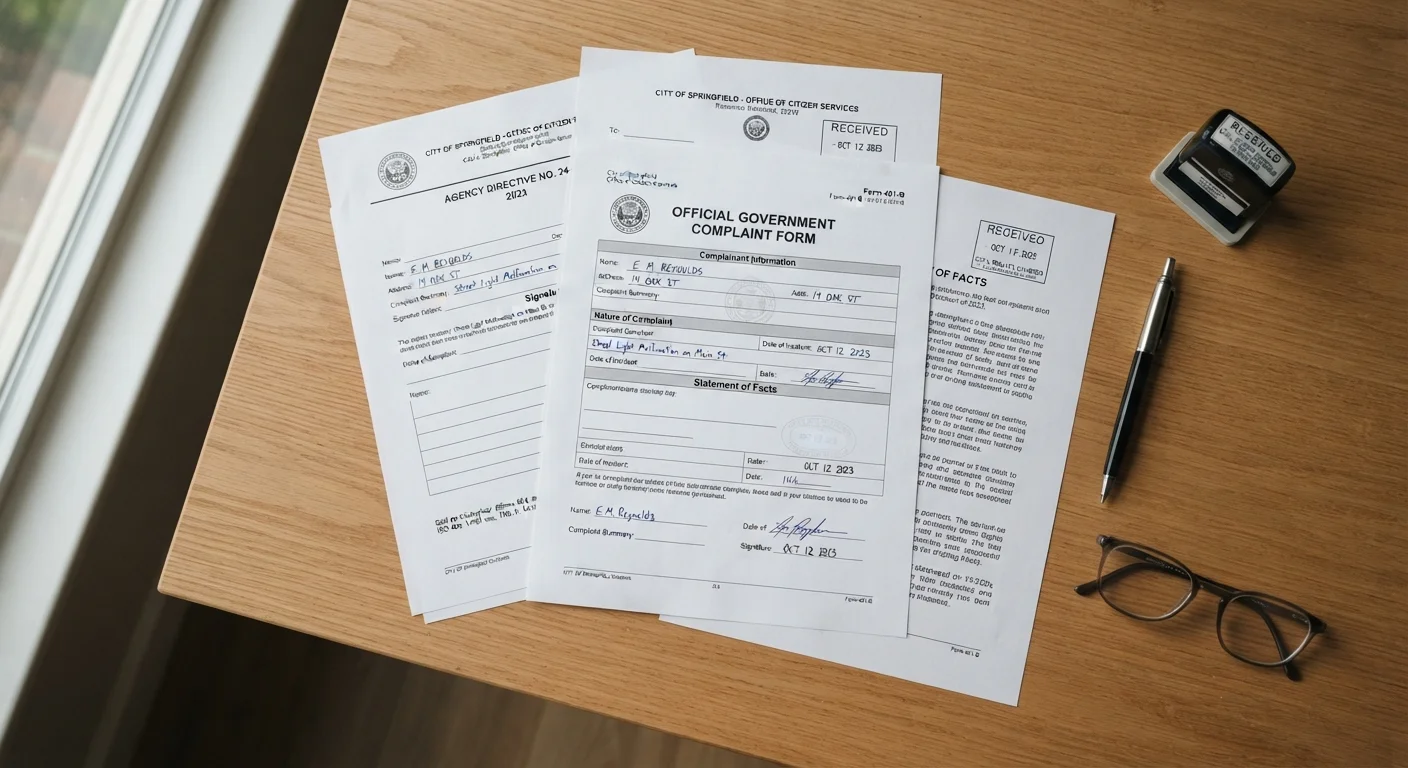
If your dispute involves a federal consumer protection issue - such as a debt collection violation or a deceptive practice by a financial institution - filing a complaint with a regulatory agency may be more effective than small claims court. See which agency handles which type of complaint to identify the right channel.
How to Prepare Your Case
Strong documentation is the foundation of any small claims case. Judges in these courts move quickly through a high volume of cases; your ability to present organized, credible evidence is often what separates a winning claim from a losing one.
Gather everything relevant to your dispute: receipts, order confirmations, contracts, warranties, photos of damaged goods, and the full email or chat history with the business. A clear written timeline of events - what you purchased, when, what went wrong, what you did to resolve it, and how the business responded - helps the judge follow your argument without effort.
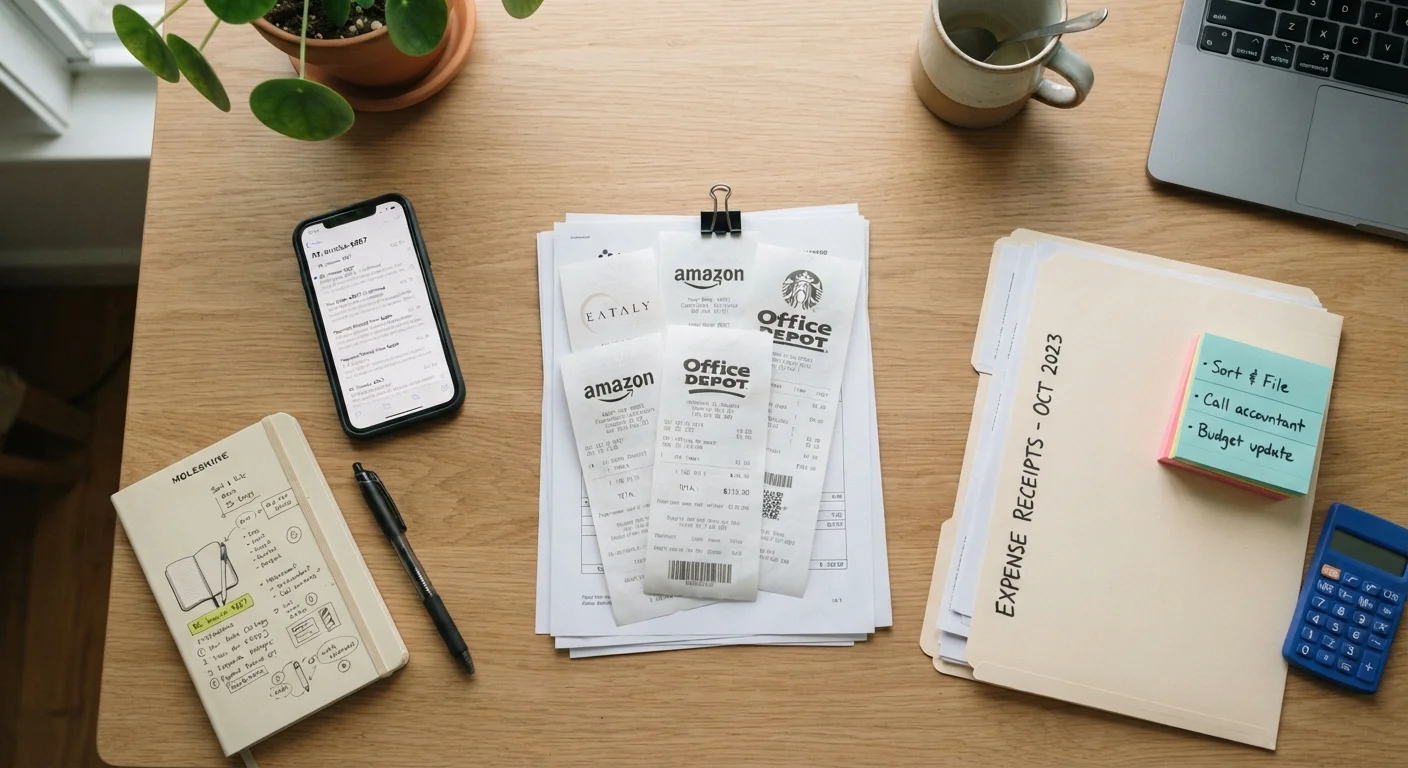
Organizing your purchase documentation properly from the moment of sale pays off in moments exactly like this. If you're missing key records, check your email, your credit card statements, or the retailer's order history portal before assuming they're gone.
Calculate your damages specifically. Know the exact dollar amount you're claiming and be prepared to explain how you arrived at it. Vague or inflated claims tend to undermine credibility.
Filing, Fees, and What Happens Next
To file, visit your local courthouse or check if your state offers online filing. You'll complete a plaintiff's claim form describing the dispute, the defendant's name and address (needed to serve them), and the amount you're seeking. Filing fees typically run $30-$100 depending on your state and claim size.
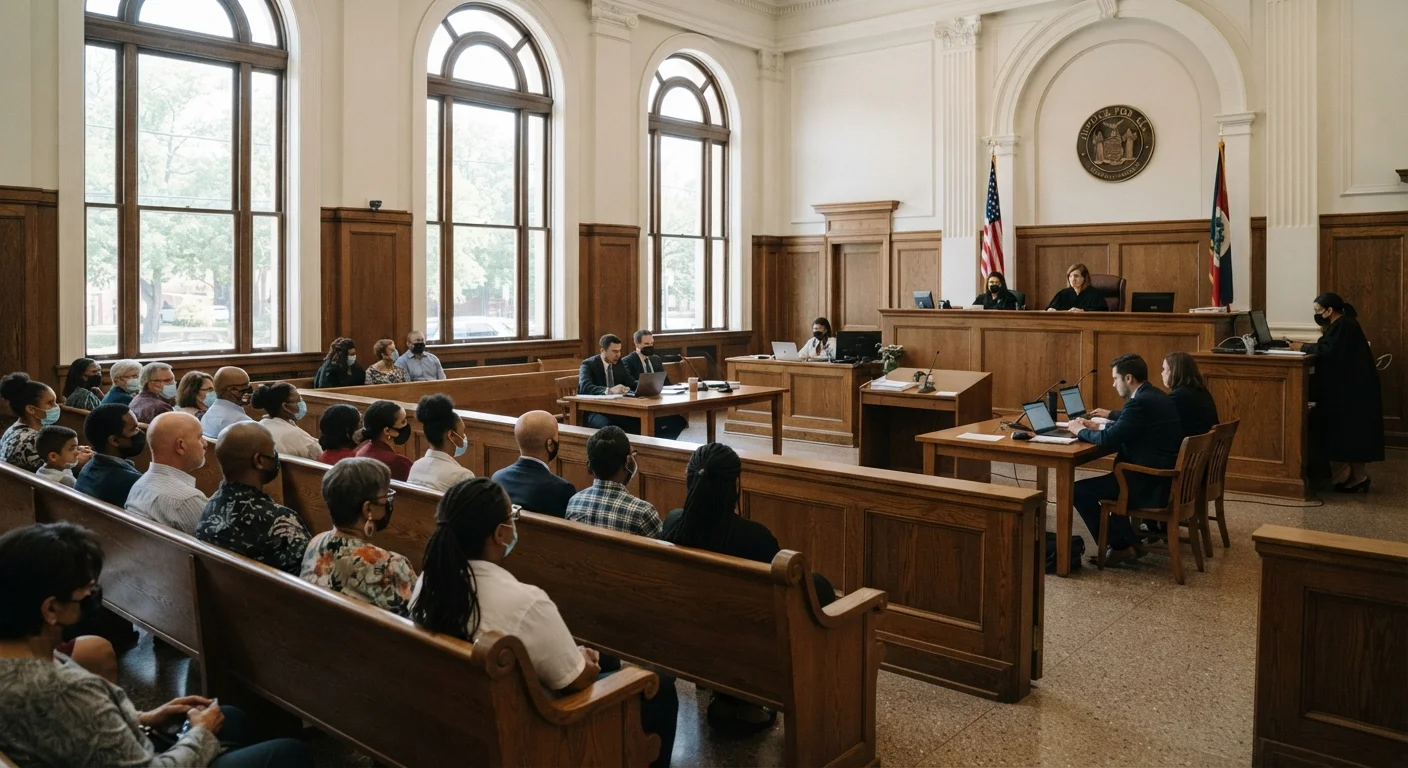
After you file, the court will serve the defendant - notifying them of the lawsuit. The defendant then has the opportunity to respond or appear. A hearing date is assigned, often 30-70 days out. Both parties present their case directly to a judge (no jury), and hearings are usually brief, sometimes under 30 minutes.
Watch for Arbitration Clauses
Some retailers and service providers include mandatory arbitration clauses in their terms of service, which may limit your ability to file in court. The enforceability of these clauses varies by state and circumstance. If you encounter one, consider a brief consultation with a consumer law attorney before assuming your court options are closed.
Review any terms of service or purchase agreement from the business before filing. Some contracts contain mandatory arbitration clauses that attempt to require disputes be settled outside of court. Enforceability of these clauses varies and has been subject to litigation, but it's worth knowing they exist. If you encounter one, consulting with a consumer law attorney - even briefly - can help you understand your options.
It's also worth noting that the business may choose not to appear. If that happens, you may receive a default judgment. That's a legal win - but collection still requires separate action on your part.
Realistic Outcomes to Expect
Winning a judgment is not the same as receiving payment. A court ruling in your favor gives you a legal right to collect - it does not compel the other party to write a check. If the business refuses to pay, you may need to pursue collection mechanisms such as wage garnishment, bank account levies, or liens on property. Each mechanism has its own procedural requirements under state law.
Many businesses, however, do pay after a judgment rather than face further enforcement. The practical and reputational costs of ignoring a court order often motivate compliance, particularly for local businesses.
If you lose, options vary by state. Some allow appeals within a limited window; others treat small claims decisions as final. Going in with realistic expectations - and viewing the process as one tool among several - leads to better outcomes than treating it as a guaranteed remedy.
For a broader view of the protections and tools available to US shoppers at every stage of a purchase, the complete US shopper's consumer rights guide covers the full landscape.
This article is for general informational purposes only and does not constitute legal advice. Laws and procedures vary significantly by state. Consult a qualified attorney for guidance specific to your situation.