Why the Five-Factor Breakdown Matters
Your credit score is not a mystery number assigned at random. Under the FICO scoring model - the most widely used framework by US lenders - five distinct categories of information from your credit report each carry a specific weight. Knowing those weights tells you exactly where to focus your energy.
For a deeper look at what a credit score actually represents and why scores can vary across bureaus, see Credit Scores Decoded. This article focuses specifically on the five factors and how much each one counts.
| Payment History Weight | 35% (FICO scoring model) |
| Credit Utilization Weight | 30% (FICO scoring model) |
| Length of Credit History Weight | 15% (FICO scoring model) |
| Credit Mix Weight | 10% (FICO scoring model) |
| New Credit Inquiries Weight | 10% (FICO scoring model) |
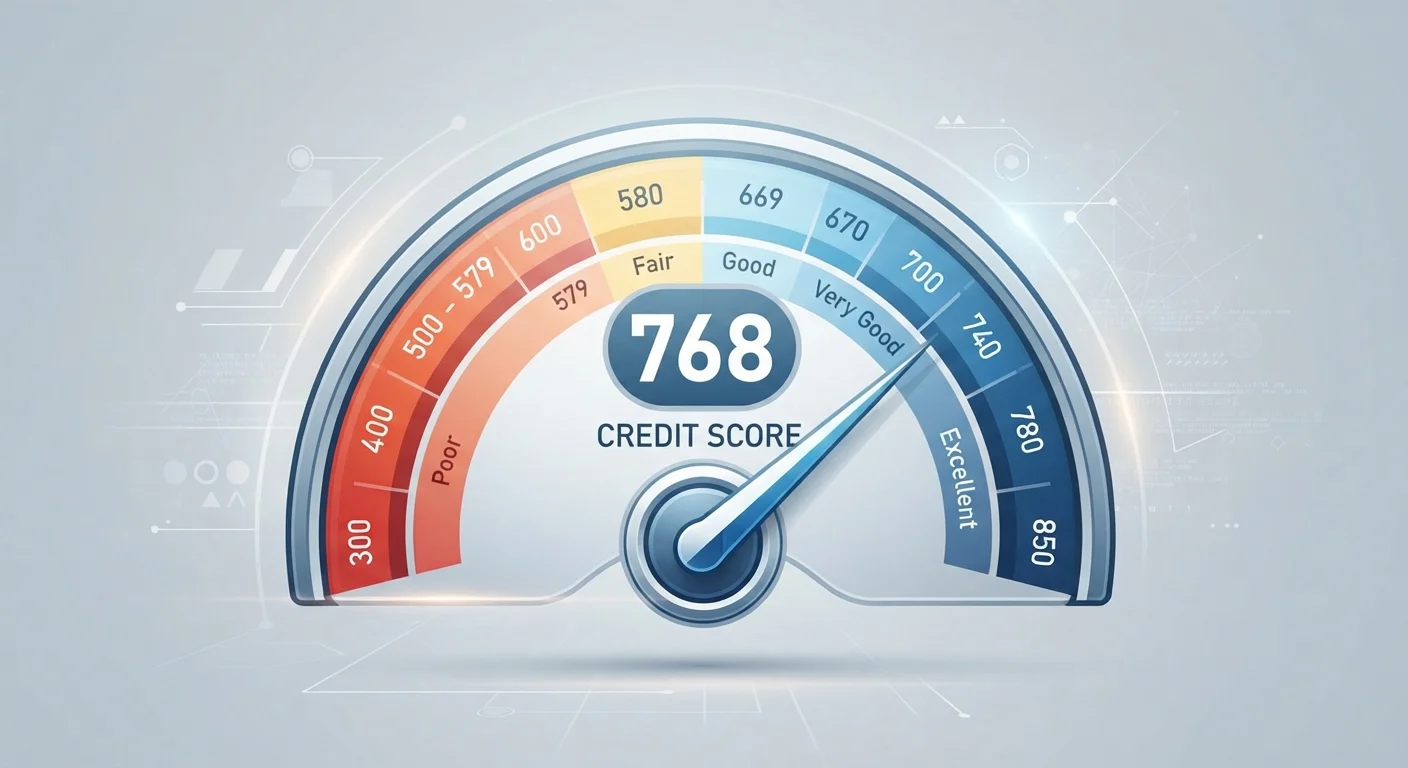
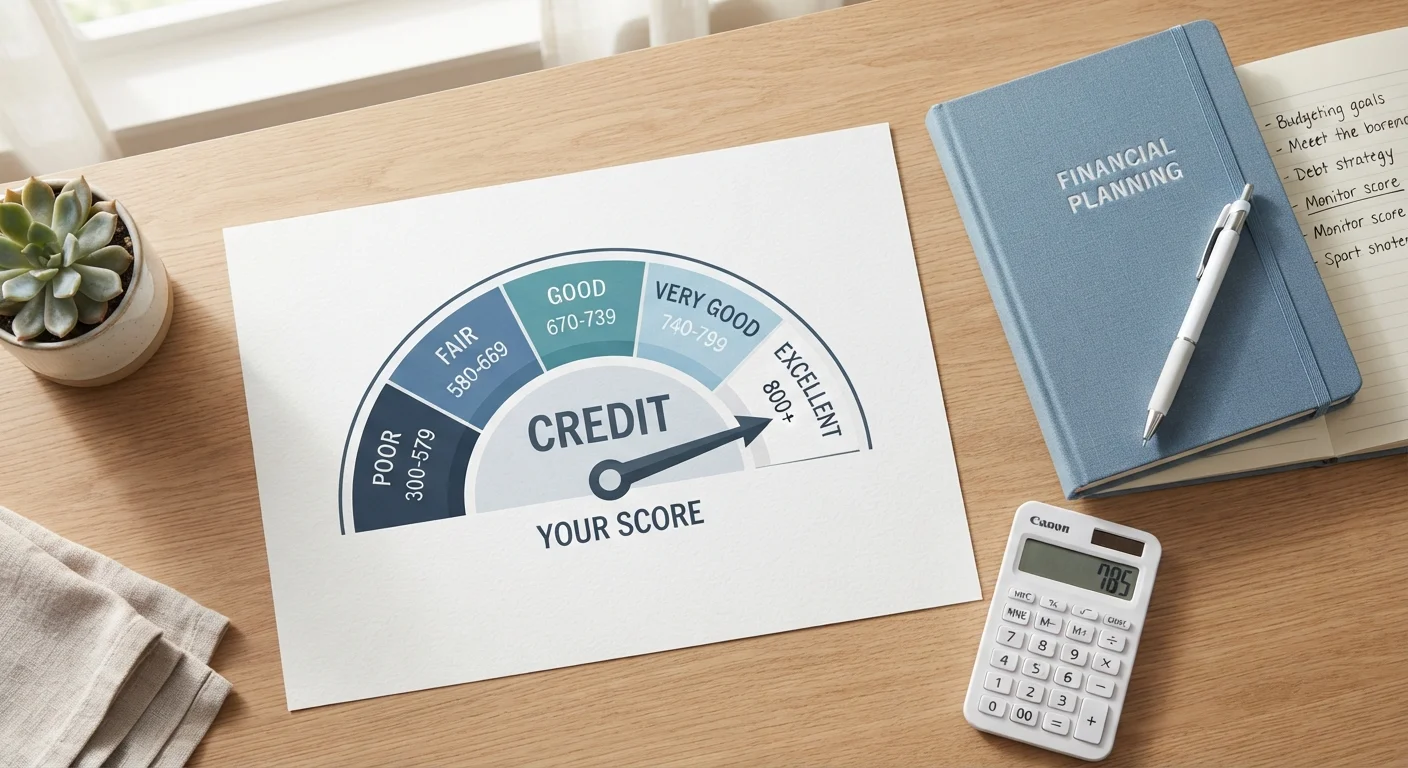
| FICO Score Range | 300 - 850 (myFICO.com) |
Factor 1: Payment History (35%)
Payment history is the single largest factor, accounting for roughly 35% of a FICO score. Lenders want to know whether you pay your bills on time. Late or missed payments - especially those 30 or more days past due - can significantly lower your score. The damage is typically greater the more recent or severe the delinquency.
Consistent on-time payments, maintained over months and years, build the strongest positive signal in this category. Automatic payments or calendar reminders are practical ways to avoid accidental misses.
If you want to understand why a recent dip in your score may be tied to payment history or another trigger, Why Your Credit Score Dropped maps common causes clearly.
Factor 2: Credit Utilization (30%)
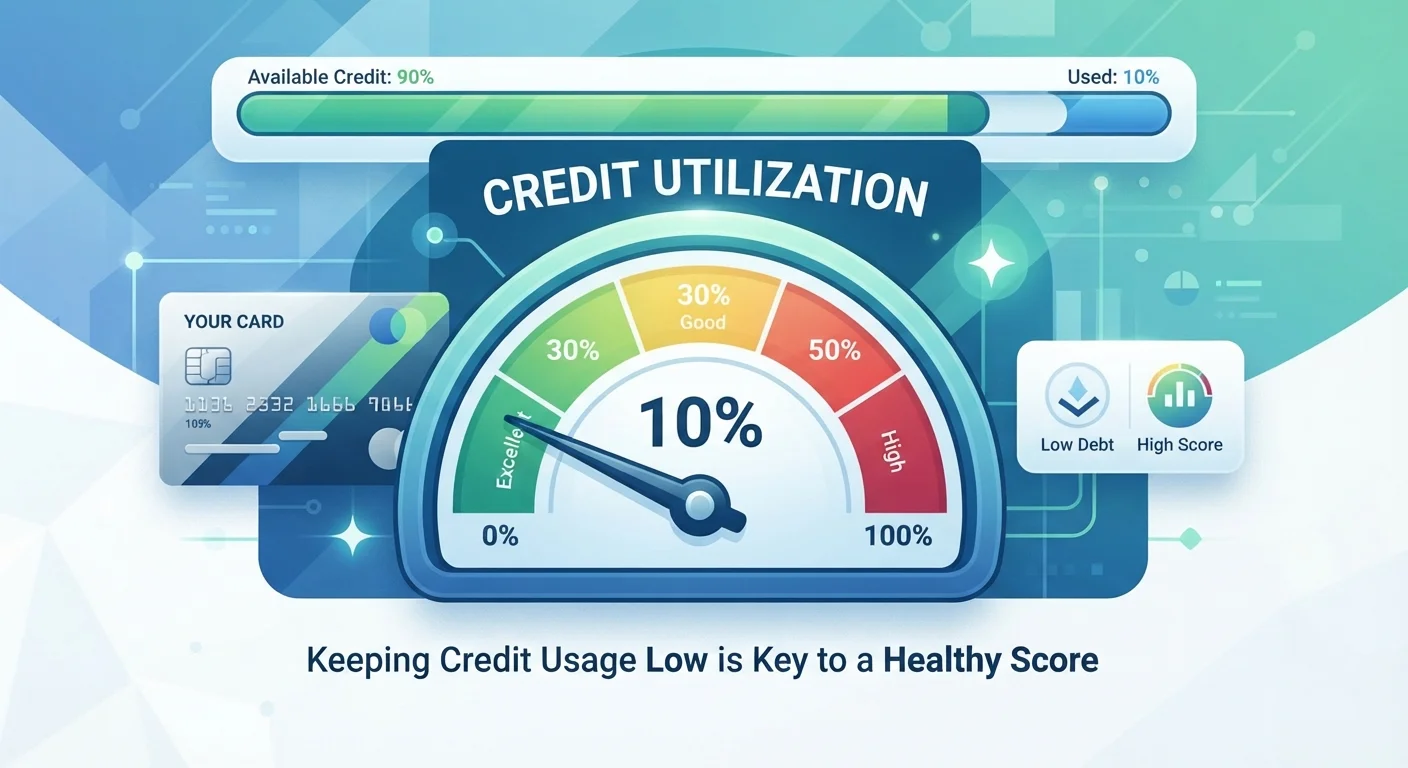
Credit utilization - how much of your available revolving credit you are currently using - carries approximately 30% of your score weight. It is calculated both per card and across all revolving accounts combined. A lower ratio generally signals responsible borrowing. Many financial educators suggest keeping utilization below 30%, though lower is typically better.
Importantly, utilization is measured at the moment your lender reports your balance to the credit bureaus, not on your statement due date. Paying down balances before that reporting date can improve your utilization ratio sooner than you might expect. For a thorough look at how the math works, see Credit Utilization: The One Ratio That Quietly Shapes Your Score.
FICO Score
A credit score calculated using the FICO scoring model, ranging from 300 to 850. It is the most widely used credit scoring framework by US lenders when evaluating loan applications.
Credit Utilization Ratio
The percentage of your available revolving credit that you are currently using. It is calculated by dividing your current balances by your total credit limits across revolving accounts.
Hard Inquiry
A record created on your credit report when a lender pulls your credit as part of a formal application. Hard inquiries can temporarily lower your score by a small amount.
Credit Mix
The variety of credit account types on your report, such as credit cards, auto loans, student loans, and mortgages. A diverse mix can positively contribute to your score, though it carries relatively low weight.
Delinquency
A missed or late payment that has been reported to the credit bureaus, typically after 30 days past due. Delinquencies negatively affect payment history, the largest scoring factor.
Factors 3, 4, and 5: The Remaining 35%
The final three factors collectively account for the remaining 35% of your FICO score.
- Length of credit history (15%): This considers how long your oldest account has been open, how long your newest account has been open, and the average age of all your accounts. Older, well-managed accounts generally benefit your score. Closing an old card can reduce average account age.
- Credit mix (10%): Having a variety of account types - such as credit cards, installment loans, and a mortgage - can positively influence this factor. You do not need to open accounts solely to diversify; this is a smaller factor and should not drive major decisions.
- New credit inquiries (10%): When you apply for new credit, a hard inquiry is recorded on your report and can cause a small, temporary score dip. Multiple applications in a short window can compound the effect, though most scoring models treat rate-shopping for a single loan type (mortgage, auto) within a short period as a single inquiry.
Understanding how your score affects lending decisions is equally important - How Your Credit Score Shapes the Loan You're Offered explains the direct connection between score tiers and interest rates.
To see exactly where these factors appear in your file, Reading Your Credit Report Without Getting Lost provides a plain-language walkthrough of each section.
This article is for general informational and educational purposes only and does not constitute personalized financial or credit advice. Consult a qualified financial professional regarding decisions specific to your situation.