
Why Credit Score Drops Aren't Always Obvious
Your credit score can fall for reasons that feel invisible - no missed payment, no new debt, yet the number ticks down. That's because credit scores are calculated from several moving parts simultaneously: your payment history, how much revolving credit you're using, how long your accounts have been open, the mix of credit types you carry, and how recently you applied for new credit. A change in any one of these factors, even a routine one, can shift your score.
Understanding which factor is driving a drop is the first step toward addressing it. The sections below map out the most common causes and the mistakes that lead to them. This is general educational information - for guidance tailored to your specific financial situation, consider speaking with a licensed financial counselor or adviser.
35%
Weight of payment history in FICO scoring
According to FICO's published scoring model breakdown, payment history is the single largest factor in your credit score calculation.
1 in 5
Americans with a credit report error
The Federal Trade Commission has found that approximately one in five consumers has an error on at least one of their three major credit reports.
30%
Utilization threshold that affects scores
Credit scoring experts broadly recommend keeping credit utilization below 30% of your total available revolving credit to minimize score impact.
The Most Common Mistakes That Cause Score Drops
Most credit score declines trace back to one of a handful of recurring patterns. The good news is that once you identify the source, most of these situations are manageable over time. Here are the errors that cause the most damage - and what you can do about each one.
Missing a payment - even by just a few weeks - without realizing it counts as a late payment.
Why it happens: Automatic payments fail, billing cycles shift, or a card goes unused and an annual fee slips by unnoticed. Many people assume a brief delay won't be reported.
Letting credit card balances climb high relative to the credit limit, even while paying on time.
Why it happens: Many consumers focus on whether they're paying their bill and overlook that the balance-to-limit ratio - called utilization - is reported to bureaus at the statement closing date, not the payment date.
Applying for several new credit accounts in a short period, generating multiple hard inquiries.
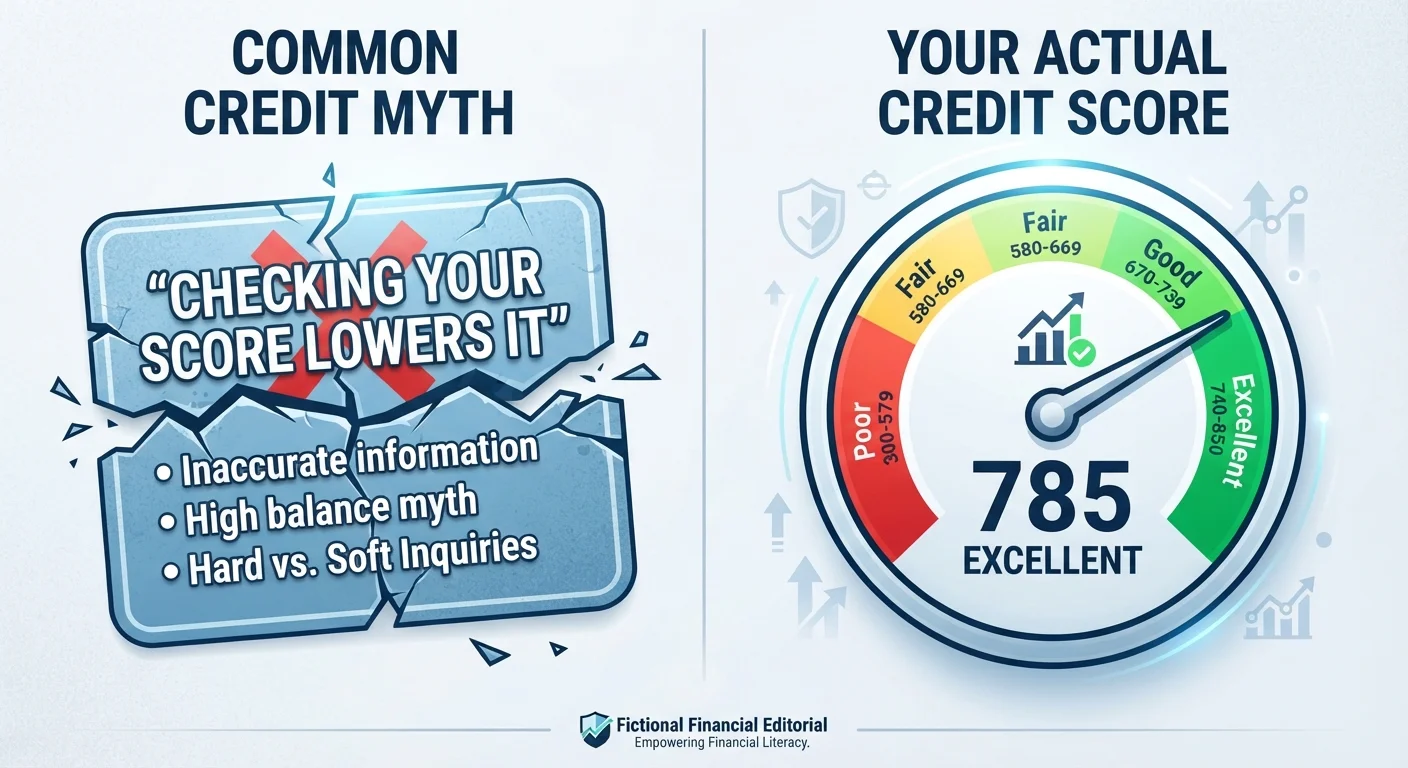
Why it happens: Consumers shopping for credit cards or personal loans may not realize that each application triggers a hard inquiry, which has a small but real negative effect on their score. This concern is partly overblown by myth - see common credit misconceptions - but still worth managing.
Closing old or unused credit card accounts, believing it tidies up your credit profile.
Why it happens: It seems logical that fewer open accounts means less risk, but closing accounts reduces your total available credit (raising utilization) and can shorten your average account age - both are scoring factors.
Ignoring credit report errors because disputing them seems complicated or low-priority.
Why it happens: Many consumers don't check their reports regularly and assume that if they've done nothing wrong, there's nothing to find. Errors - including accounts that aren't yours or incorrectly reported late payments - are more common than most people expect.
One Missed Payment Can Linger for Seven Years
A single payment that is 30 or more days late can be reported to the credit bureaus and remain on your credit report for up to seven years. Even one missed payment can drop a score significantly - especially if your credit history had been clean before it. Acting quickly to bring the account current and contacting your lender can sometimes limit the damage, but prevention is far more effective.
Understanding how your score connects to real borrowing costs matters beyond the abstract. Your credit score directly shapes loan terms you're offered, including interest rate and down payment requirements, so keeping it healthy has tangible financial consequences.
Disputing Errors Takes Time - Start Early
Credit bureaus are required by federal law to investigate disputes, but the process can take 30 to 45 days per bureau. If you're planning a major loan application, check your credit reports well in advance. Errors that are successfully disputed and corrected may cause your score to rebound, but don't count on a fast turnaround when time is short.
This article is for general informational and educational purposes only and does not constitute personalized financial or credit advice. Consult a qualified financial professional for guidance specific to your situation.