Why Lenders Care So Much About Your Score
When a lender evaluates your auto loan application, they're fundamentally asking one question: how likely is this borrower to repay? Your credit score compresses years of borrowing behavior - payment history, credit utilization, account age, credit mix, and recent inquiries - into a single number that answers that question quickly.
Payment history carries the most weight in standard FICO scoring, accounting for roughly 35% of your score. Auto lenders pay particular attention to whether you've missed payments on previous installment loans, since past behavior on similar debt is a strong predictor of future behavior. A clean track record signals reliability; a history of late payments signals risk, and lenders price that risk directly into your rate.
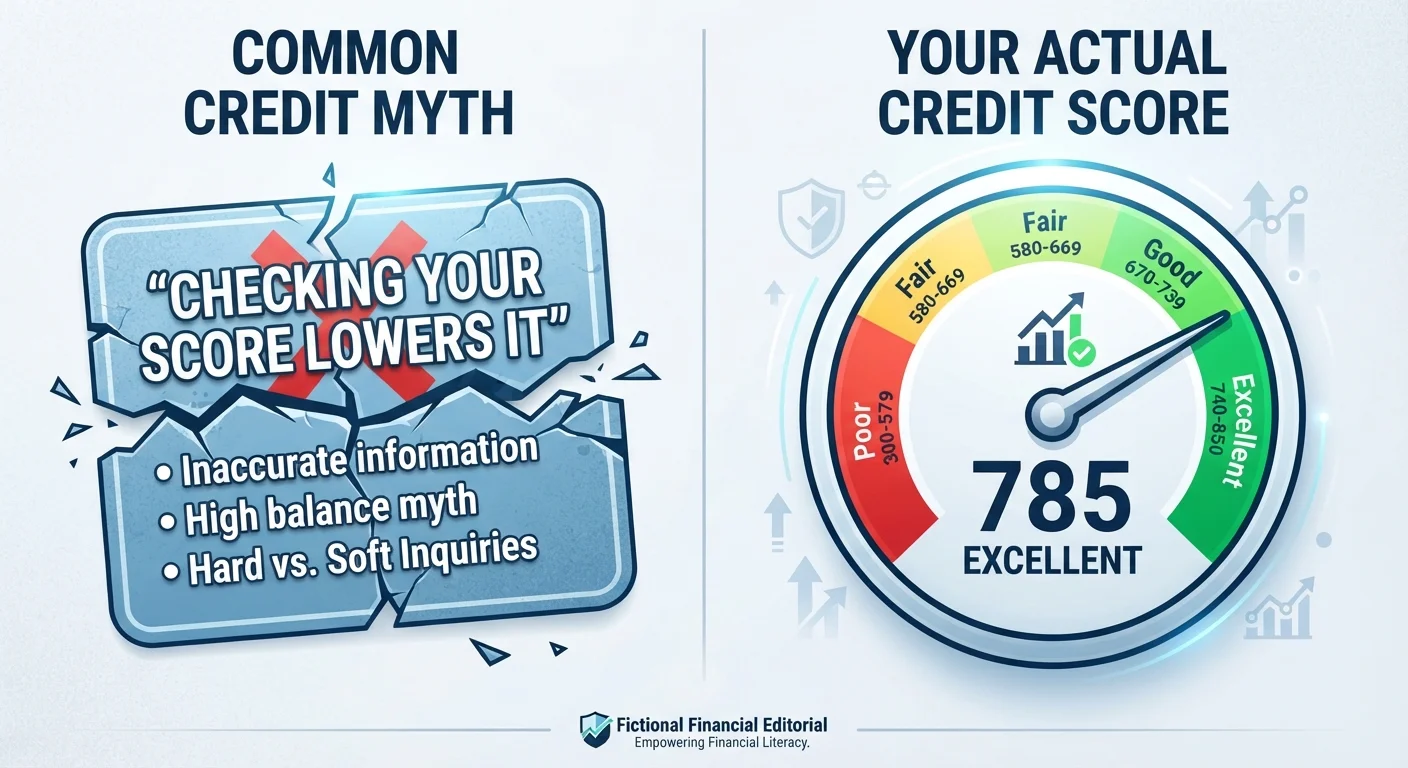
It's worth understanding that lenders don't all use the same score. Most auto lenders pull FICO Auto Score variants rather than the generic FICO 8 or VantageScore you might see through a bank or credit monitoring service. The underlying data is the same, but the weighting differs - meaning the score a dealer's finance office sees may not match your expectations. For a fuller picture of how credit scoring myths can distort expectations, see common credit misconceptions explained.
How Your Score Translates Into Loan Terms
Lenders typically organize borrowers into risk tiers - often labeled prime, near-prime, and subprime - and each tier carries a corresponding interest rate range. Moving from one tier to another can mean the difference between a manageable monthly payment and one that stretches your budget uncomfortably thin.
35%
Weight of payment history in FICO scoring
According to FICO's published scoring model breakdown, payment history is the single largest factor in a standard FICO score.
~720+
Score threshold for prime auto loan rates
Industry data from Experian's State of the Automotive Finance Market reports consistently shows borrowers above 720 receiving the most competitive interest rate tiers.
300-850
Range of standard FICO credit scores
FICO scores span this range, with higher scores representing lower perceived lending risk across all loan types including auto financing.
Beyond the interest rate itself, your score can affect other loan parameters. Borrowers in lower credit tiers may find that lenders cap loan terms at shorter lengths to limit exposure, or require larger down payments to reduce the loan-to-value ratio on the vehicle. Some lenders will only finance newer vehicles for subprime applicants, since newer cars retain value more predictably and can be recovered at higher resale value if the loan defaults.
Loan term length matters because it interacts with your rate in ways that affect total cost. A longer term lowers monthly payments but increases the total interest paid - and for borrowers already carrying higher rates, extending a loan term amplifies that cost significantly. See how loan term and other variables move your rate for a detailed breakdown of each factor.
Practical Steps Before You Apply
Knowing your credit position before walking into a dealership or applying online gives you an informational advantage that most buyers don't have. Start by pulling your credit reports from all three bureaus - Equifax, Experian, and TransUnion - through AnnualCreditReport.com to check for errors. Disputed inaccuracies that are corrected can improve your score meaningfully before you apply.
Check Your FICO Auto Score Specifically
Generic credit scores from bank apps or free monitoring services may not reflect what auto lenders actually see. Experian offers FICO Auto Score access directly, which gives you a closer approximation of the score a dealership finance office will pull. Knowing this number in advance helps you calibrate your expectations and spot any scoring discrepancies before they affect your application.
If your score is lower than you'd like, consider whether a short delay to address specific issues - bringing a past-due account current, paying down a high credit card balance - is worth the improvement in rate you might receive. Even a modest score increase can push you into a more favorable lender tier.
When you're ready to apply, submit loan applications within a compressed window to take advantage of rate-shopping protections built into credit scoring models. Multiple inquiries from auto lenders made within roughly two to four weeks are typically treated as a single inquiry. For a strategic approach to this process, rate shopping for auto loans without hurting your credit explains exactly how to use that window effectively.
This article is for general informational and educational purposes only and does not constitute financial or legal advice. Consult a qualified financial professional for guidance specific to your situation.